
In this complete Crete travel guide, we’ve tried to cover everything you need to plan your own trip to the island – how to structure your time, the best places to stay in Crete, the most beautiful beaches in xCrete, and plenty of ideas for things to do and see along the way. Whether you’re wondering what to visit in Crete, looking for the best time to go, figuring out how to get around, or searching for hidden gems and must-see attractions, you’ll find it all in this travel guide.
Basic Facts about Crete
- Transport: Direct flights from many European cities, or ferry from Piraeus (Athens)
- Best time to visit: May to October
- Recommended stay: 5–10 days
- Budget: Medium to high
- Great for: Those seeking a slower pace, mountain scenery and ancient history
Crete is the largest of the Greek islands and sits in the southern Aegean Sea. It’s a largely mountainous island — its highest peak, Psiloritis, rises to 2,456 metres — with a coastline that ranges from pink sand beaches and turquoise lagoons to dramatic sea cliffs. It’s the birthplace of the Minoan civilisation, one of Europe’s oldest, which flourished around 2700–1450 BC. The island’s capital and largest city is Heraklion, with Chania, Rethymno and Agios Nikolaos also worth knowing about. Around 630,000 people call Crete home, and it’s one of the Mediterranean’s most beloved destinations — celebrated for its beaches, archaeological treasures and deeply rooted local culture.
Top highlights include the Palace of Knossos, the Samaria Gorge, the Venetian fortress in Rethymno and the blush-pink sands of Elafonissi beach. Add in the world-renowned Cretan cuisine, the famously warm locals and a surprisingly high life expectancy among islanders, and it’s easy to see why Crete keeps drawing people back year after year.
When Is the Best Time to Visit Crete?
One of Crete’s biggest advantages over other Mediterranean destinations is its long beach season — thanks to its southerly position, you can comfortably swim from May through to early October, nearly five full months. That said, July and August get seriously busy and noticeably more expensive. The heat can also be brutal — we wore sunscreen and still got burnt on day two.
Our personal favourite time to visit is September: the crowds thin out, prices drop and the weather becomes far more pleasant. If you’d rather go earlier in the year, spring is also a lovely time to visit. Below you will find more information on how to plan and organize your trip to Crete.
Getting Around Crete
There are two main ways to get around – renting a car or using public transport. We’d strongly recommend hiring a car. The island is huge, and relying on buses will limit how much you can see while eating up a lot of time in transit.
Rental Car
Car hire in Crete is reasonably priced and there’s plenty of choice. If you decide to rent a car, you can compare prices and offers from dozens of car rental companies on the DiscoverCars website. You can use the search below:
We used Autorentals Crete and were very happy — the car was brand new, in great condition, and no deposit was needed.
Public Transport
If you do go the bus route, the network does cover the most popular destinations. The main operator is KTEL, which runs regional and intercity routes across virtually the whole island, connecting Heraklion, Chania, Rethymno and Agios Nikolaos with regular daily services. Fares are affordable and the timetables are generally reliable on major routes. You can buy tickets at bus stations, sometimes directly from the driver, or online via the KTEL website. For day trips to specific attractions, booking through a local agency or GetYourGuide is often the most convenient option.
Where to Stay in Crete
Location matters a lot in Crete — it’s a big island, and choosing the wrong base can mean spending a lot of time on the road. Most flights land either in Chania (western Crete) or Heraklion (central). Since the majority of the island’s best attractions are in the west, we’d suggest basing yourself around Chania. Beyond its convenience, Chania has a gorgeous old town that’s a real pleasure to wander. You don’t have to stay in the town itself either — the surrounding area has a lovely mix of small resort villages and private villas.
Our other top pick is Rethymno, about an hour east of Chania. It’s our absolute favourite town on the island — strikingly beautiful, very walkable and well-positioned for reaching many of the main sights.
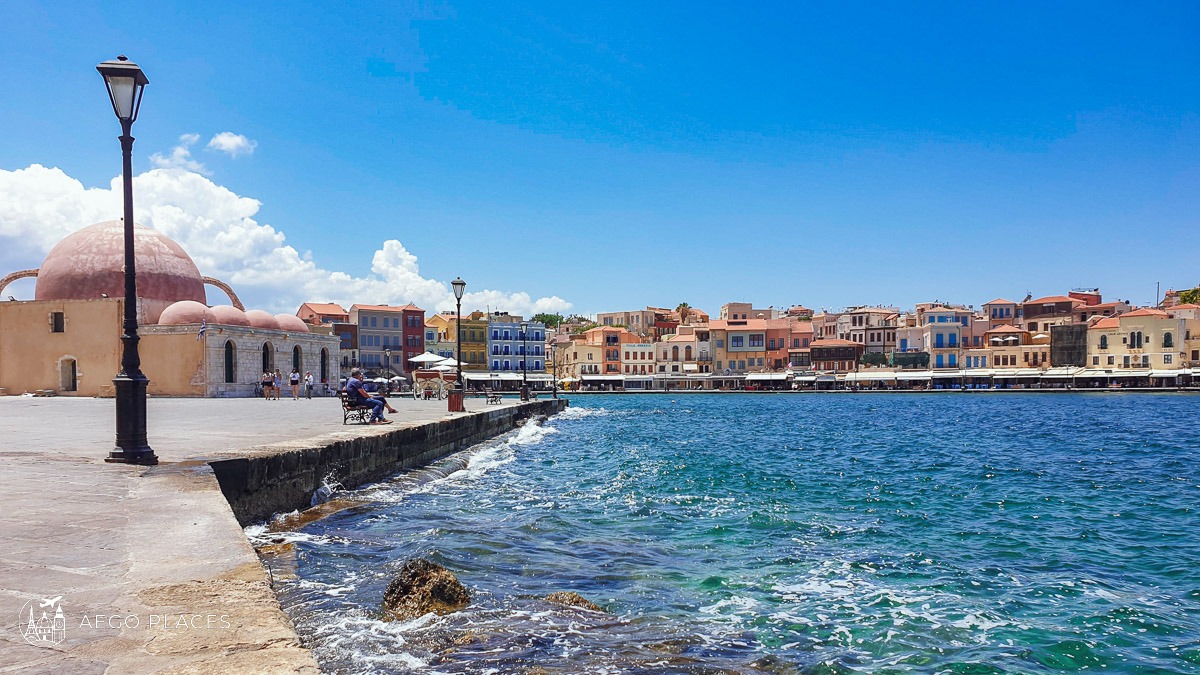
We personally didn’t enjoy Heraklion and wouldn’t recommend staying there. There are some worthwhile attractions nearby, like Knossos, but the city itself and its beaches didn’t do much for us.
If you’re after something quieter and more off-the-beaten-path, head east — places like Agios Nikolaos, Sitia or Malia offer lovely beaches and a more relaxed, local feel.
The Most Beautiful Beaches in Crete
Here you will find the beaches we loved the most. Some are wildly popular, others much more peaceful – there’s genuinely something for every kind of beach-goer.
Advice: For the busier spots, try to arrive before 9 or 10am, and consider bringing water shoes as the seabed can be rocky.
We’ll start with Crete’s most famous beach — Elafonissi, known for its distinctive pink sand.
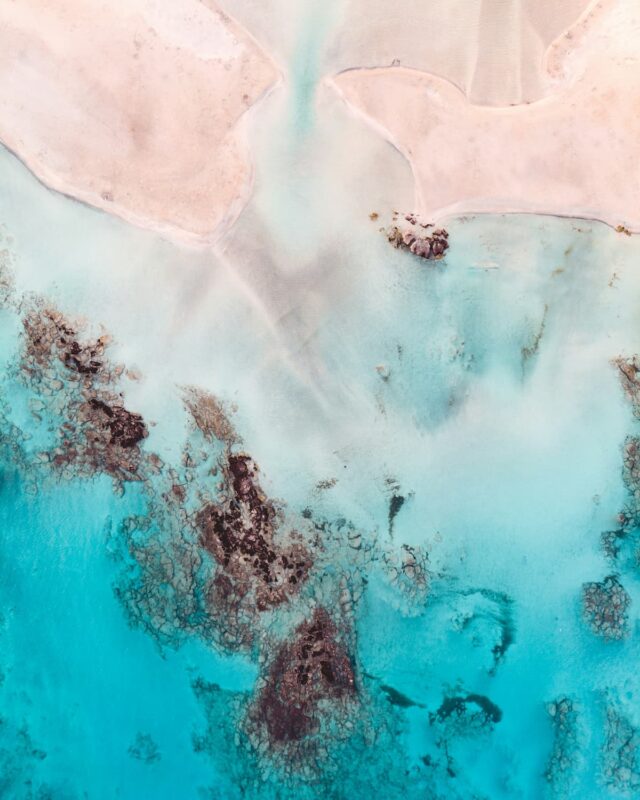
Elafonissi Beach
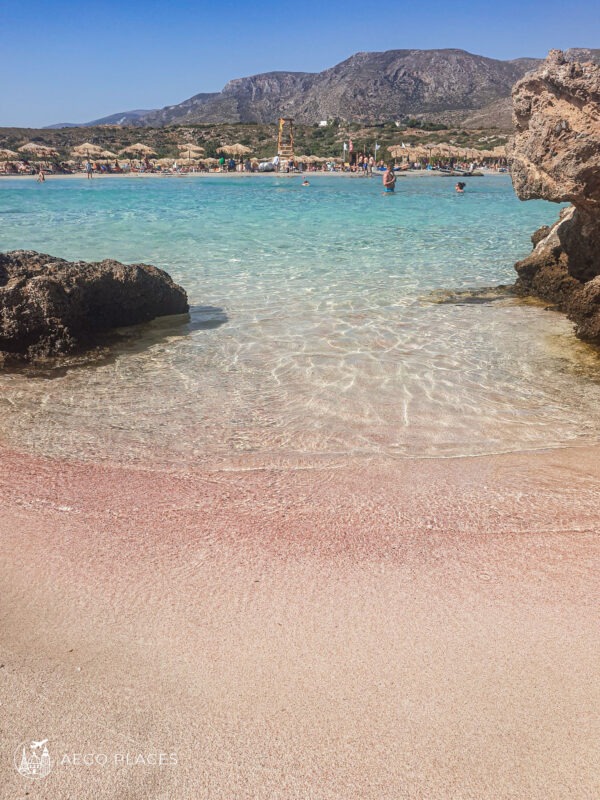
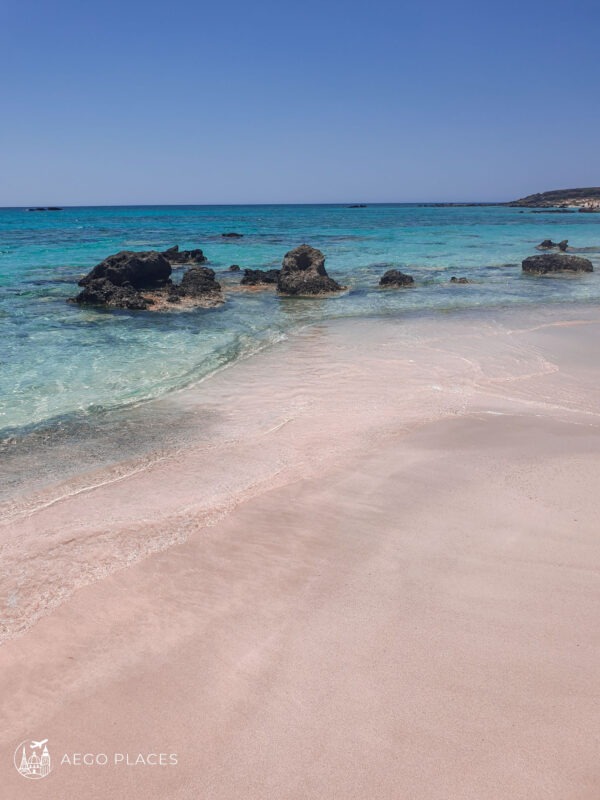
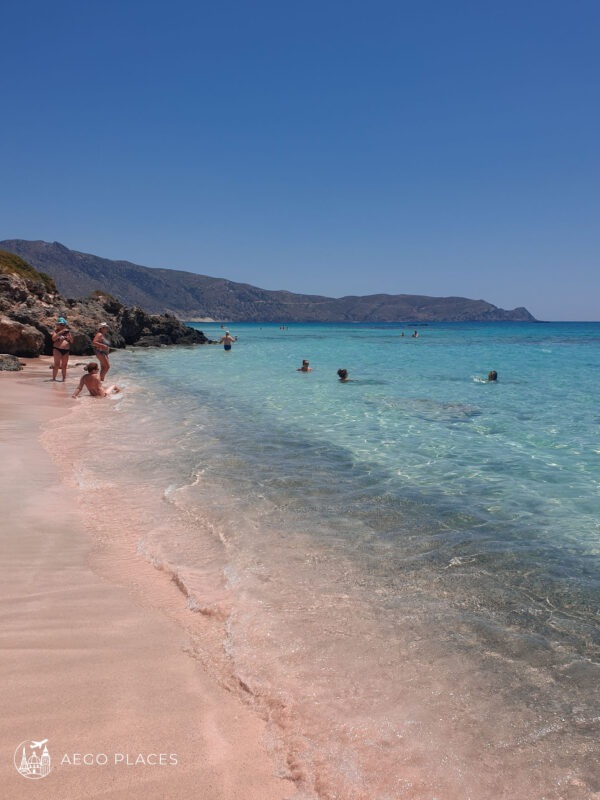
Elafonissi is truly special — its soft pink-tinged sand comes from crushed shells and coral, and the water is shallow and impossibly clear. It’s about 1.5 to 2 hours from Chania along a winding mountain road. We went in with high expectations and came away genuinely impressed, though it’s worth noting we visited during COVID when visitor numbers were much lower — in peak season it gets very busy. The beach is so shallow in places that you can walk out to a small islet with a tiny chapel on it. Get there early to bag a free sun lounger. Currently, a set of two loungers and an umbrella runs around €20, parking is €5, and toilets cost €1–2 per person.

Falasarna Beach
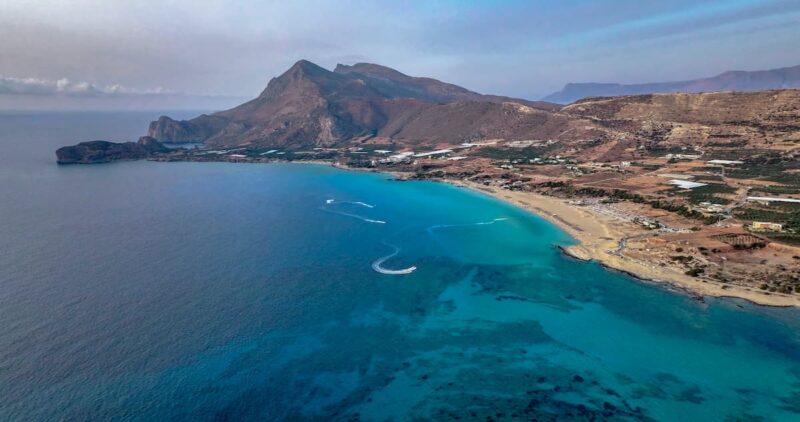
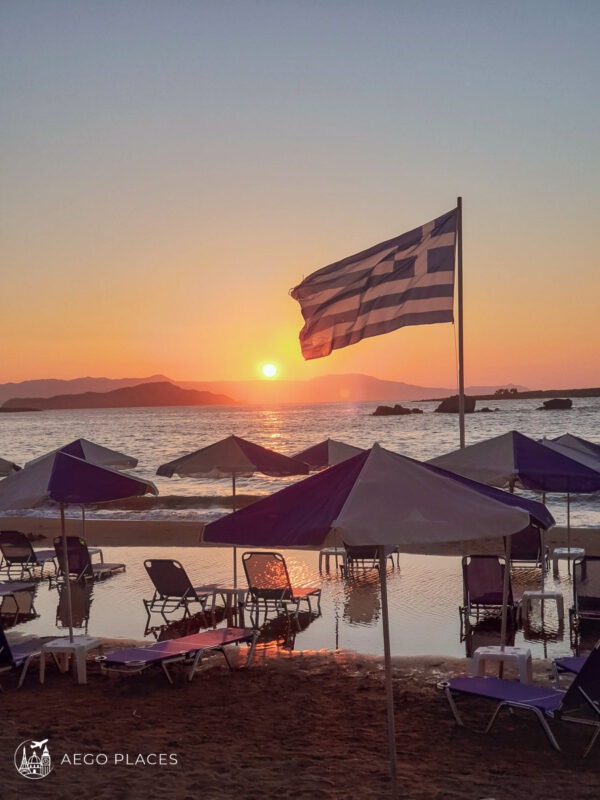
Another great option on the western coast, Falasarna also has sand with a subtle pink hue and beautiful turquoise water. It’s broader and more expansive than Elafonissi, making it well-suited to water sports. It’s also one of the best spots on the island for sunsets. Sun lounger and umbrella sets start from around €20.

Kedrodasos Beach – The Wild Alternative to Elafonissi
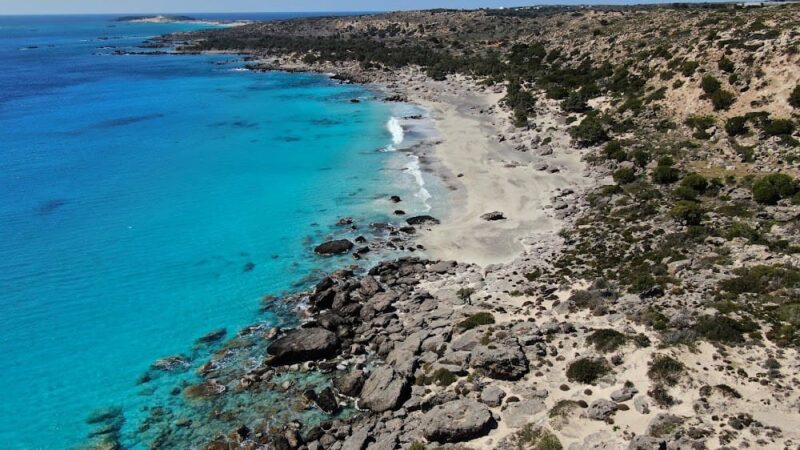
Tucked away near Elafonissi, Kedrodasos is one of Crete’s hidden gems. It’s an untouched, unspoilt beach — no facilities, no crowds — reached via a gentle 10–15 minute walk down a path, so wear decent shoes. What makes it stand out is the natural shade provided by trees and large rocks, which is a real bonus on a hot day.
Preveli Beach
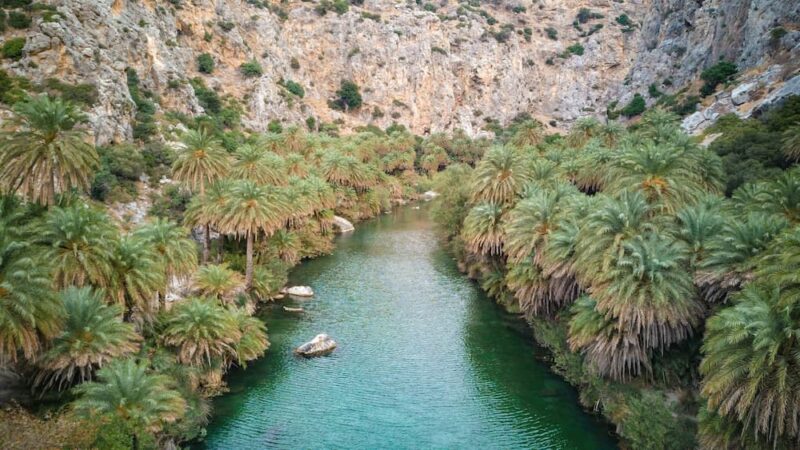
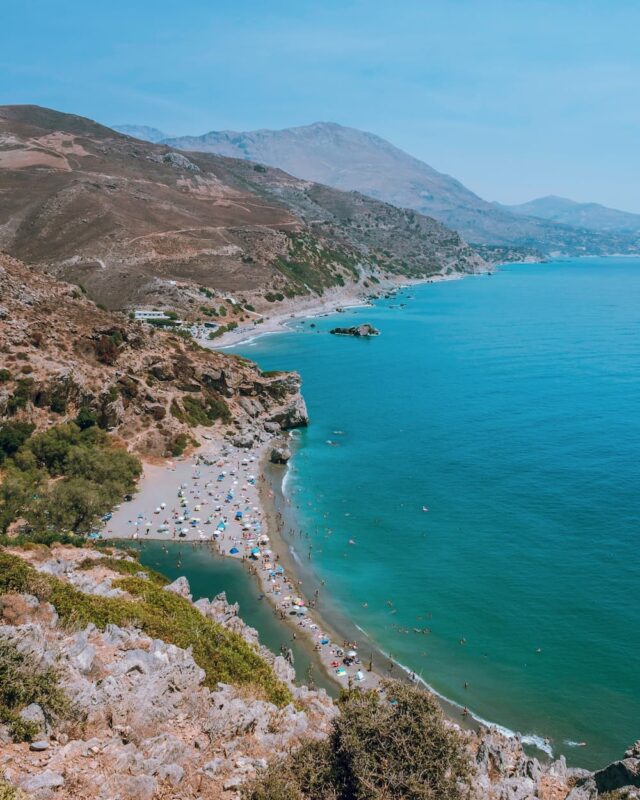
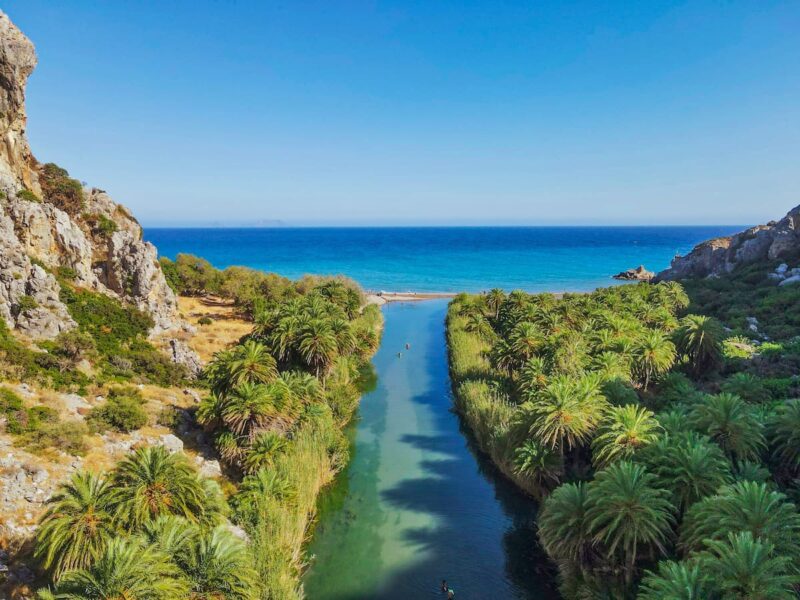
Preveli is unlike any other beach on the island. A river winds through an exotic palm grove before meeting the Libyan Sea, creating a lush, tropical-feeling lagoon. It’s a protected nature reserve, so there are no sun loungers or umbrellas, but the palms provide natural shade and there’s a small taverna with showers. To get there, you’ll need to descend around 400 steps from the car park — about a 15–20 minute walk — and parking costs €2. Wear comfortable shoes, bring your own food and water (the taverna is pricey), and bear in mind the climb back up can be tough in the heat.
Matala Beach
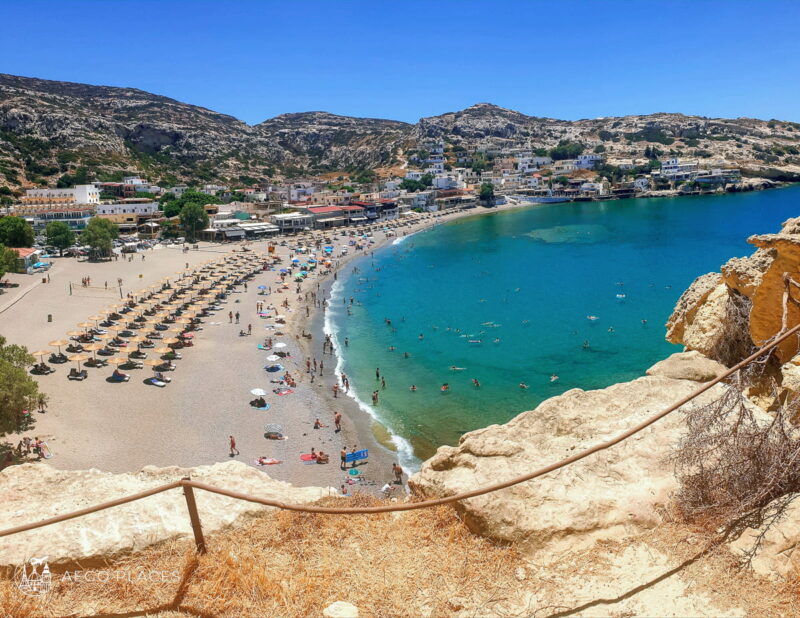
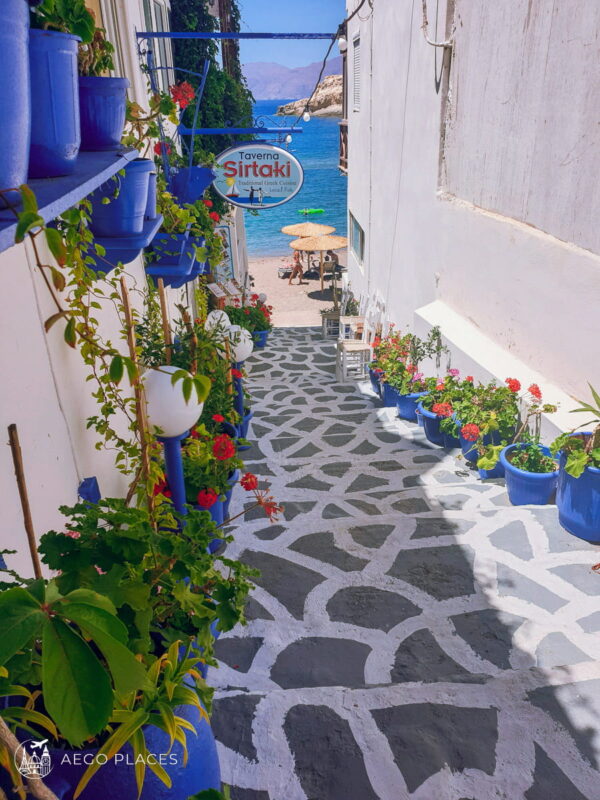
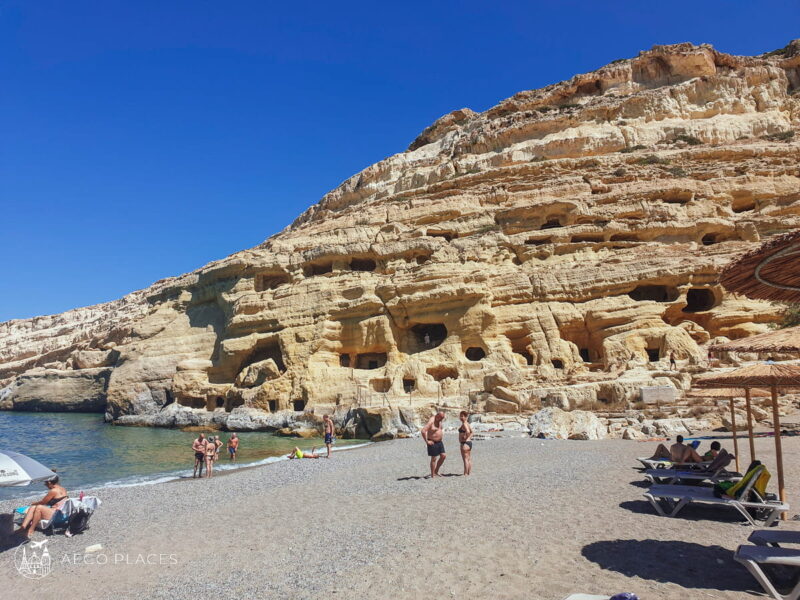
Matala is one of southern Crete’s most characterful beaches, backed by dramatic cliffs riddled with ancient caves that were carved out in Neolithic times and famously squatted by hippies in the 1960s and 70s. The beach itself is around 300 metres of golden sand mixed with pebbles, lapped by crystal-clear blue water.
Vai Beach
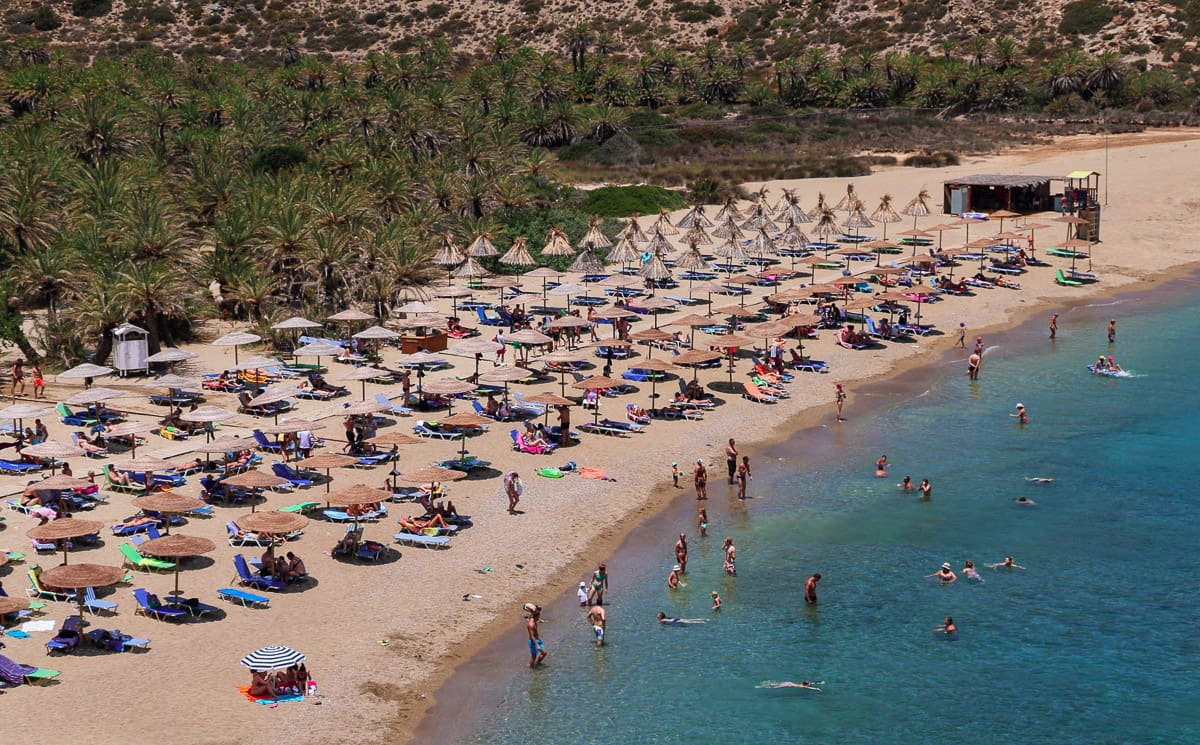
Way out in eastern Crete, Vai sits alongside the largest natural palm forest in Europe — a grove of Cretan date palms that gives the beach an almost tropical feel. The sand is fine and golden, the water shallow and calm, making it ideal for families with young children. Expect to pay €15–20 for two loungers and an umbrella in shoulder season, rising to €30–40 at peak times. Parking is around €3–4.
Seitan Limania – The Winding Beach
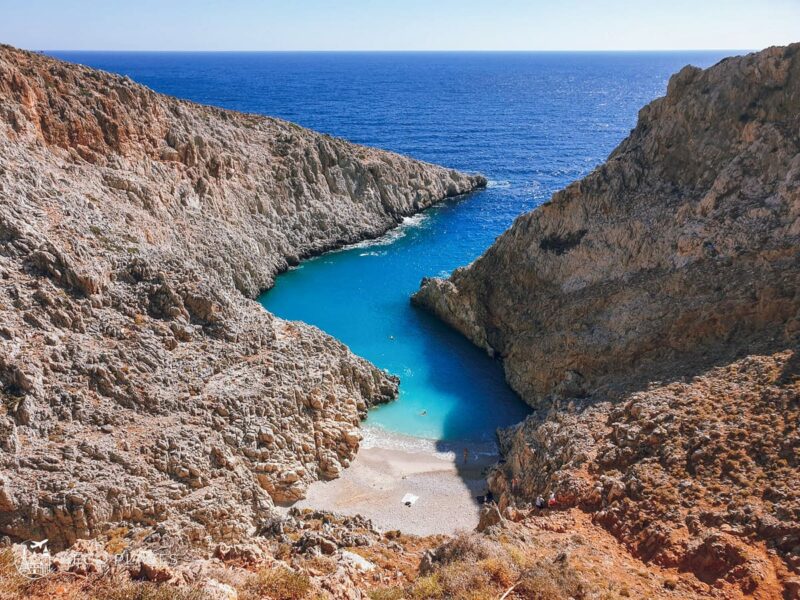
One of the most photogenic spots on the entire island, Seitan Limania is a narrow fjord-like cove near Chania, reached via a steep, winding road. From the car park, you’re treated to a stunning view — and if you want to actually get down to the water, a 15-minute scramble over rocky, steep terrain awaits (proper footwear is a must). Arrive before 10am: the car park is small, the beach fills fast, and by the afternoon the cliffs throw the whole cove into shade.
Sights and Activities in Crete
Wondering what to do with a week in Crete? Below are the attractions we consider unmissable — we can’t cover everything, so we’ve focused on the highlights that genuinely shouldn’t be skipped.
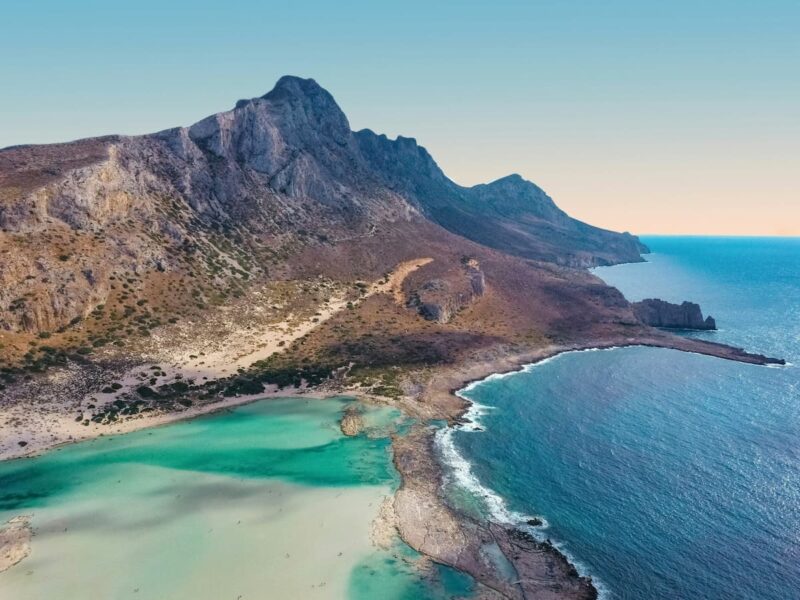
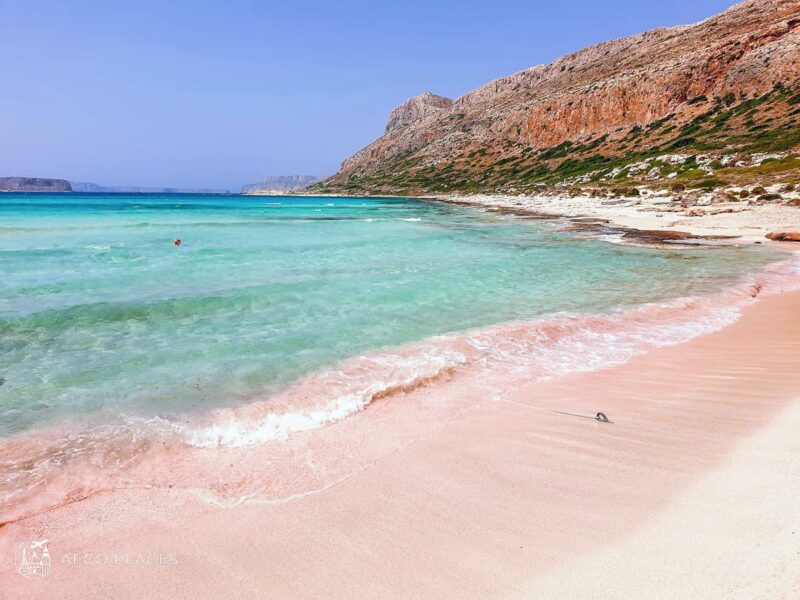
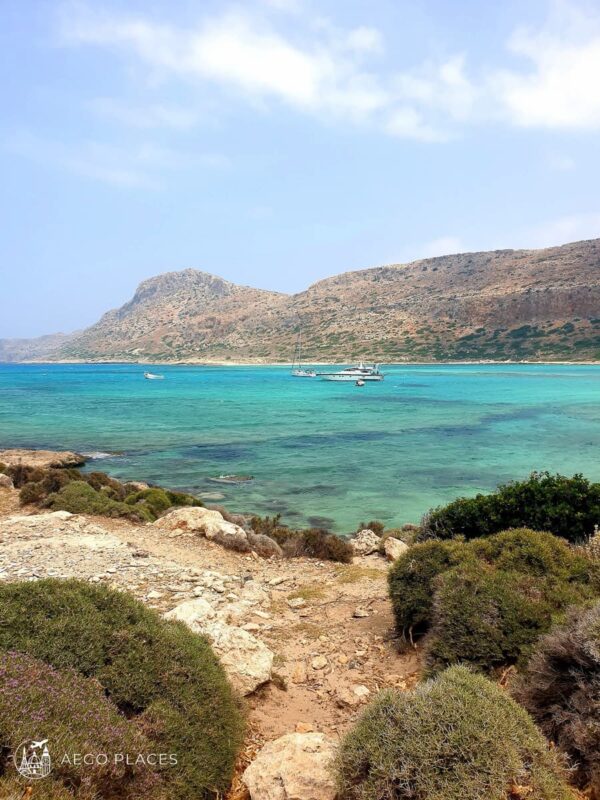
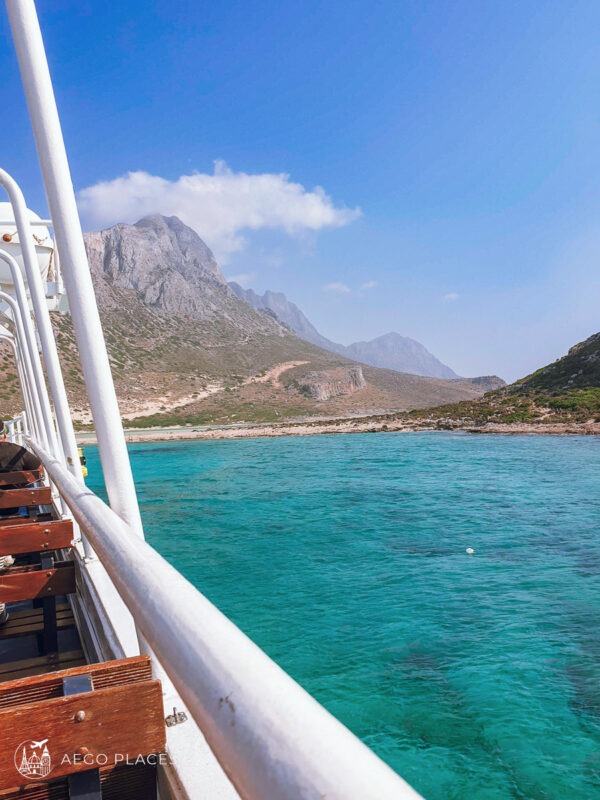
Balos Lagoon – Crete’s Most Iconic View
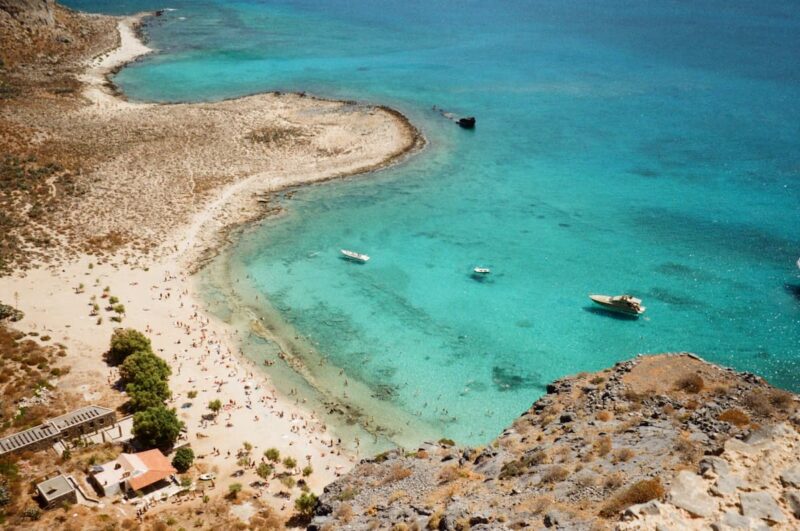
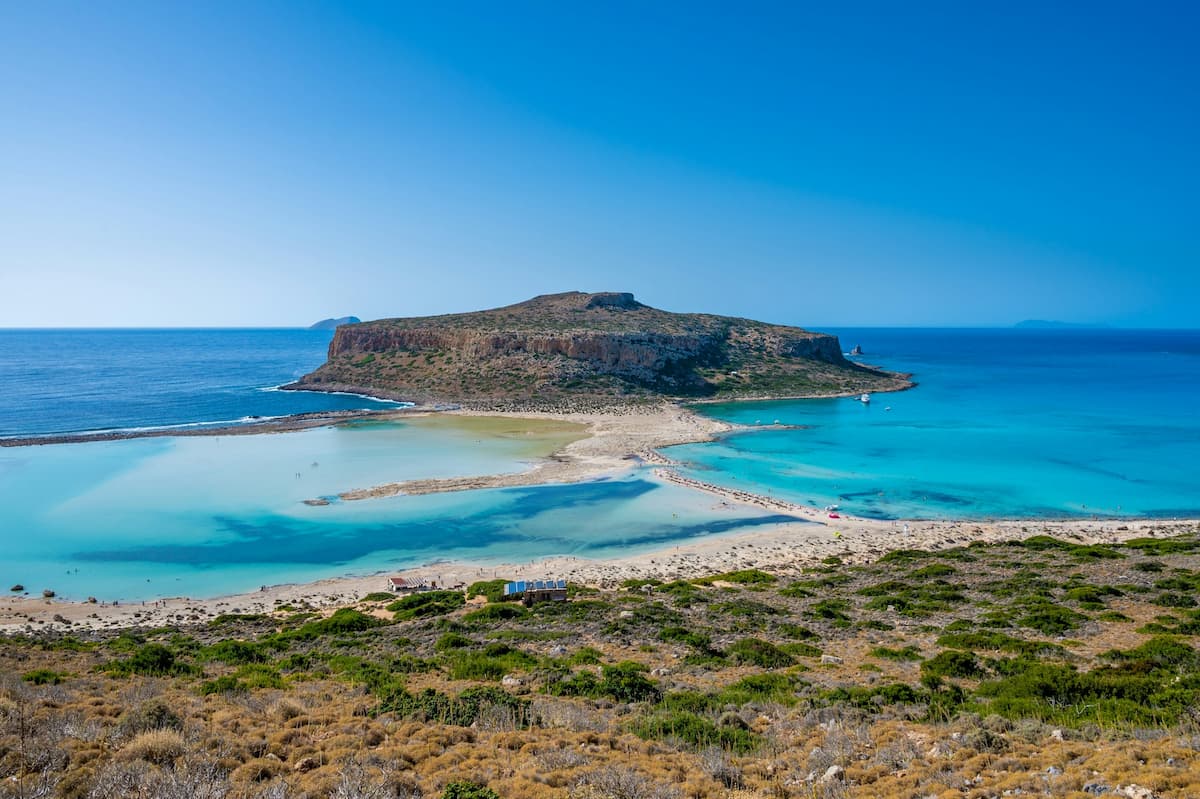
Balos is the kind of place that looks too beautiful to be real. A shallow lagoon with turquoise water and pale pinkish sand from crushed shells, sitting at the far northwestern tip of the Gramvousa peninsula — it’s essentially Crete’s postcard image. As a protected nature reserve, there are no facilities beyond a basic taverna with limited food at high prices, so pack your own supplies and plenty of water.
How to get to Balos: You can drive, but we don’t recommend it – the road is extremely narrow and rough, and many car hire companies actually prohibit it in their rental agreements. Instead, take the ferry from the nearby village of Kissamos. Boats depart between 10am and noon, tickets cost €30–40 for adults and €15–20 for children aged 3–12, and the trip includes around 2.5 hours at Balos plus 2 hours on Gramvousa island, which has its own lovely beach and sweeping views. Tickets can be bought on the day or in advance through GetYourGuide, which also offers organised excursions from Chania and Rethymno, including on more luxurious boats.
Chania – The Venetian Jewel of Crete
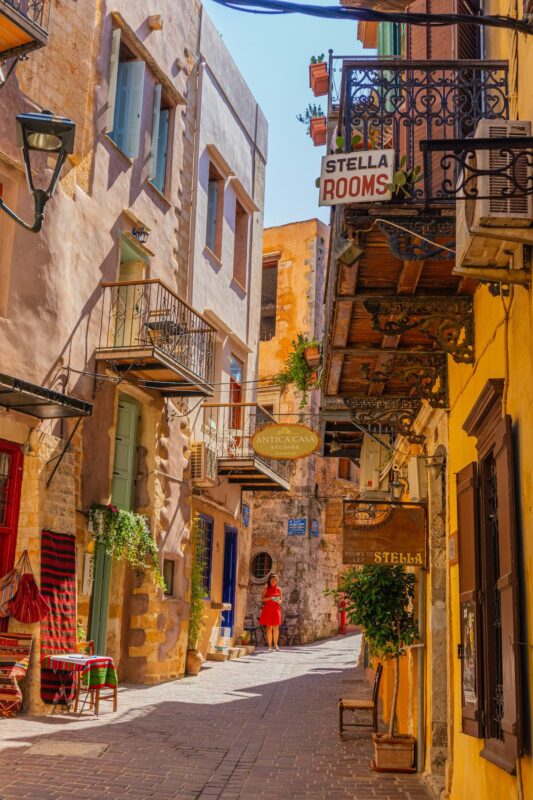
Chania is arguably the most beautiful town in Crete. Often nicknamed the “Venice of the Mediterranean”, it’s built around a stunning 14th-century Venetian harbour that forms the beating heart of the old town. Wandering its narrow cobbled streets — past Venetian, Ottoman and neoclassical buildings, colourful façades and waterfront cafés — is an absolute delight. The harbour is perfect for an evening stroll or a long dinner by the water.
Beyond the historic centre, Chania has its own town beaches, which we enjoyed as a convenient, low-effort option. And as we’ve mentioned, it makes an excellent base: Balos, Elafonissi and Seitan Limania are all within reach.
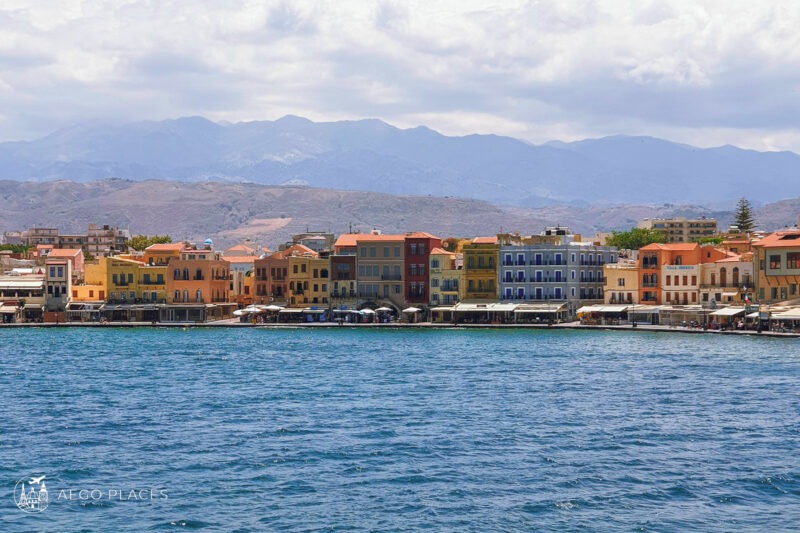
Rethymno
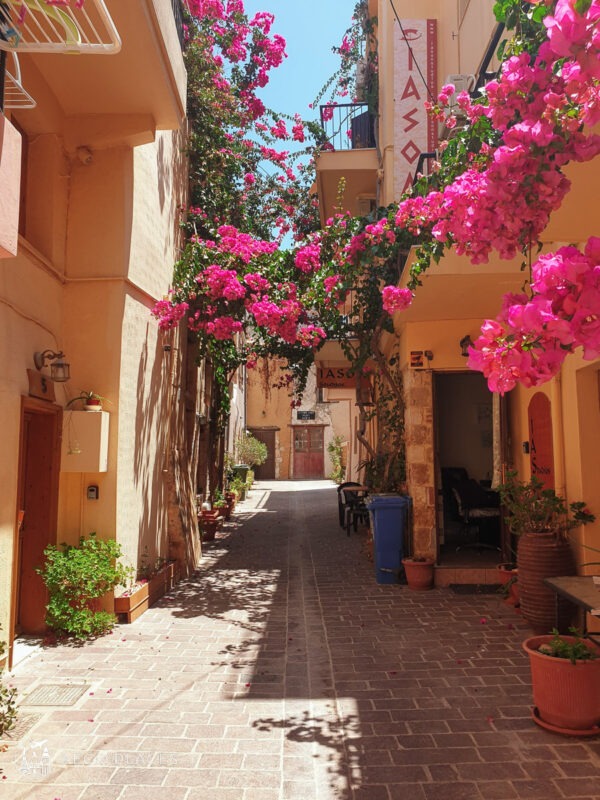
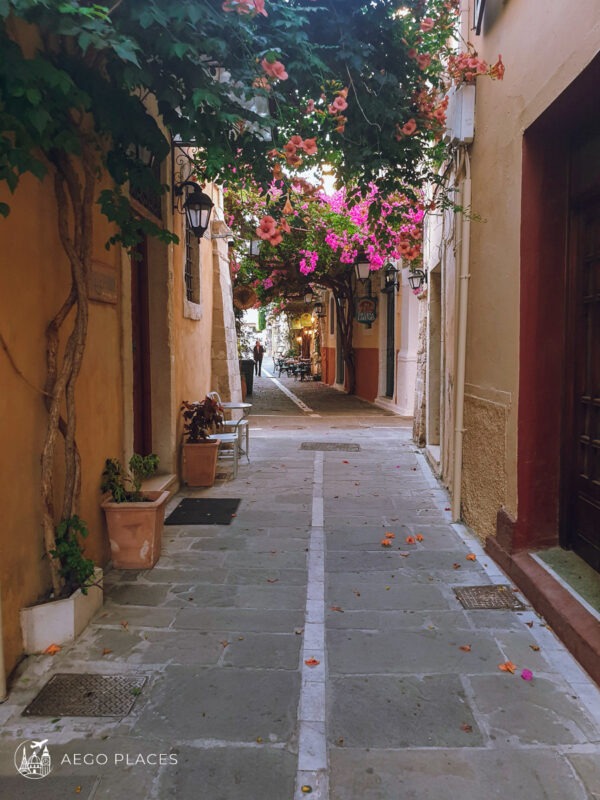
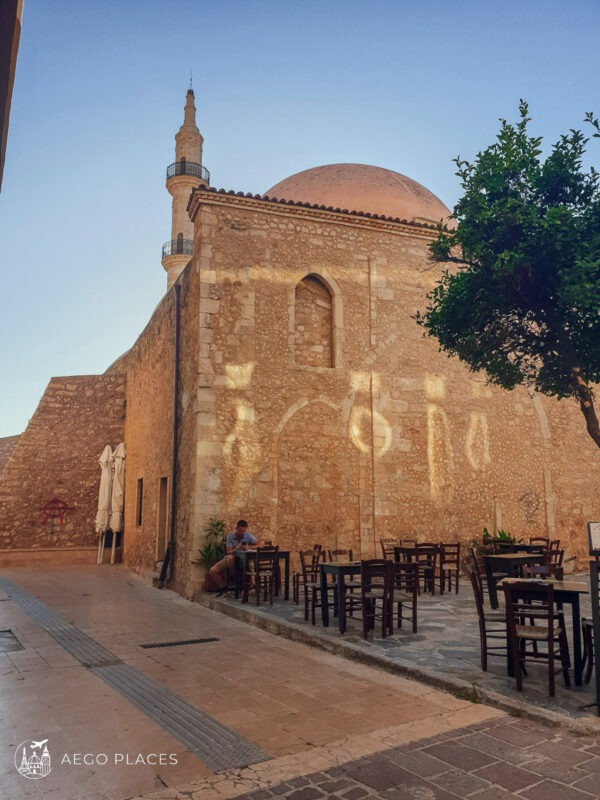
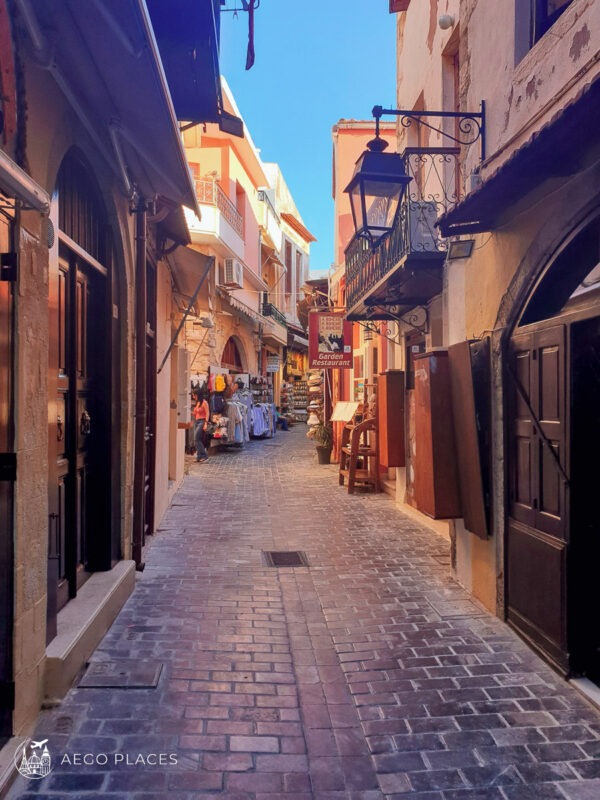
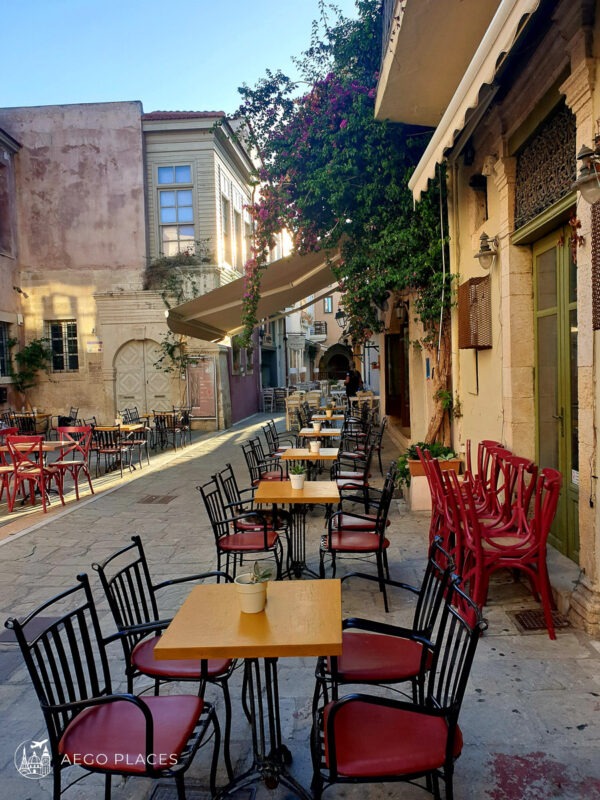
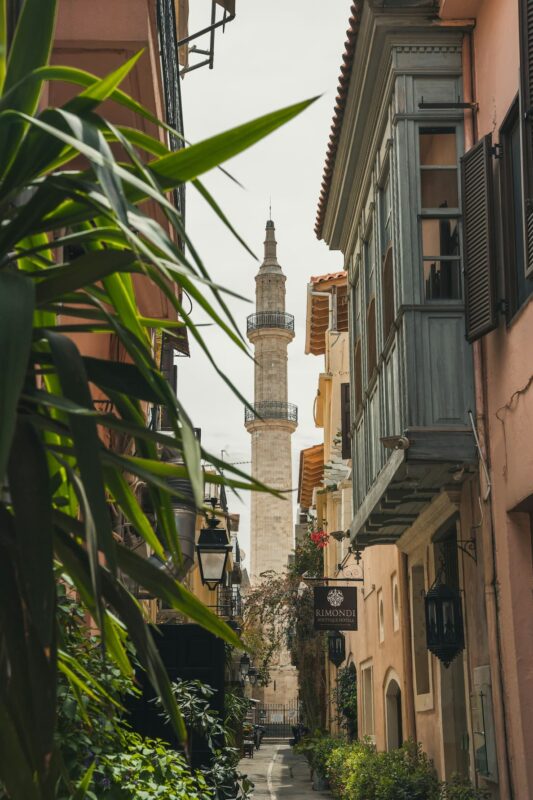
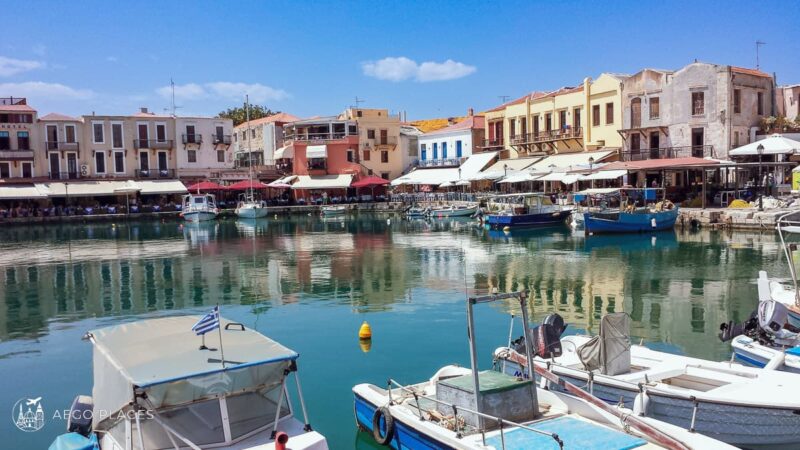
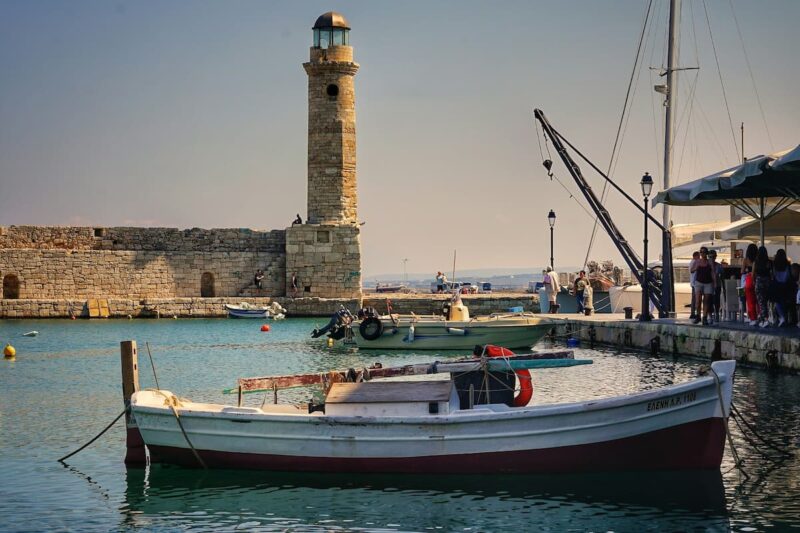
Rethymno is Crete’s third-largest city, sitting on the northern coast roughly between Heraklion and Chania, and it has one of the most beautifully preserved old towns on the island. Venetian and Ottoman architecture sit side by side — grand buildings, winding lanes, a charming harbour and the dramatic 16th-century Fortezza fortress looming above it all from Paleokastro hill. The harbour’s iconic Venetian lighthouse (dating to 1830 and standing about 9 metres tall) is one of the most photographed spots in the city, framed by colourful fishing boats and pastel-hued houses. We absolutely loved Rethymno — it felt genuinely authentic, had excellent restaurants and was a real joy to explore on foot.
Palace of Knossos
Knossos is the crown jewel of Crete’s ancient history — the largest Minoan palace ever discovered, just 5km south of Heraklion, on a site that has been continuously inhabited since around 7000 BC. It’s also steeped in mythology, tied to the legends of King Minos and the labyrinth of the Minotaur. Visitors today can see a combination of original ruins from around 1700 BC and partial reconstructions carried out by British archaeologist Arthur Evans in the early 20th century. Entry is around €20 for adults; EU citizens under 25 get in free, and EU pensioners over 65 pay €8. Book online in advance and go early in the morning or after the midday lull to avoid the cruise ship crowds. Sun hat, sunscreen and water are essential — there’s very little shade.
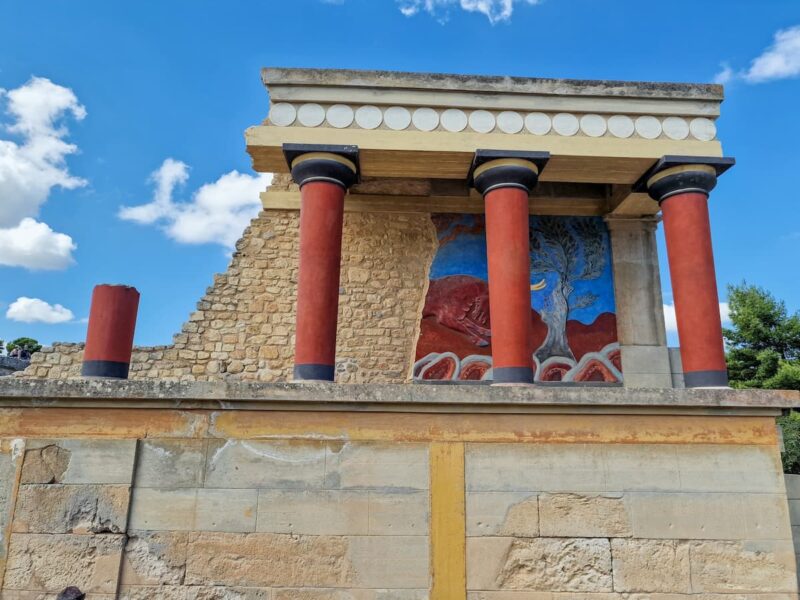
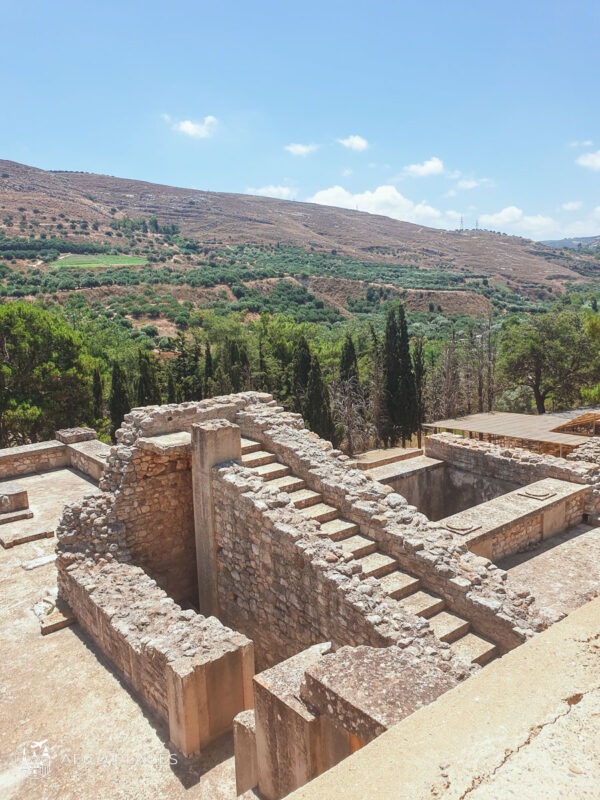
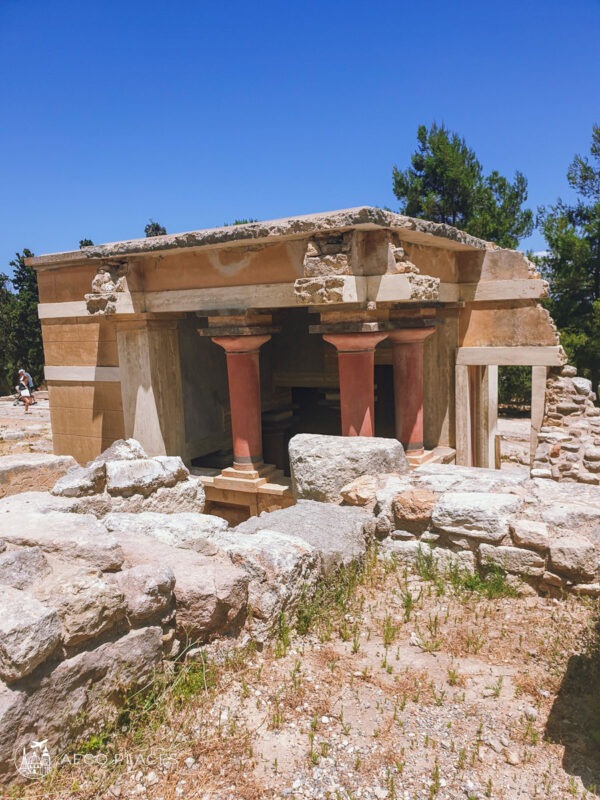
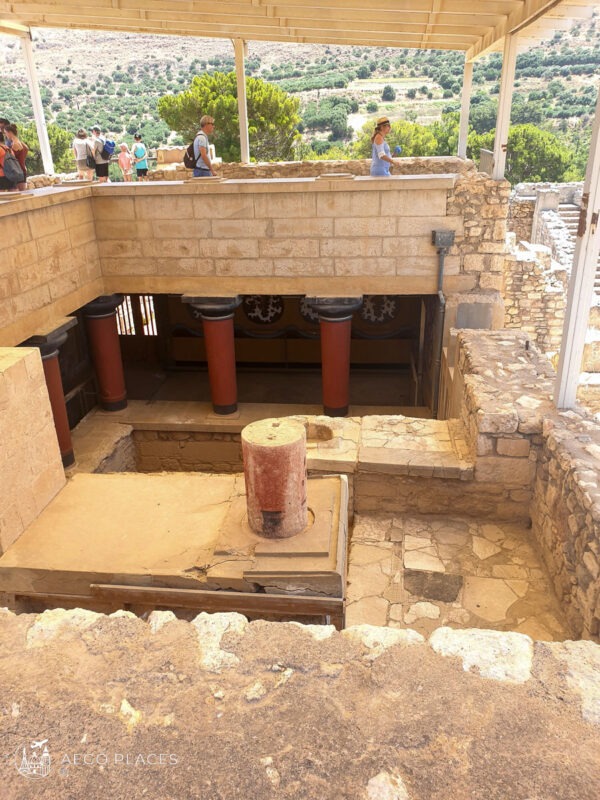
If you want to book a guided tour of the Knossos Palace in advance, you can find good tour options in GetYourGuide, here are some recommendations:
Archaeological Museum of Heraklion
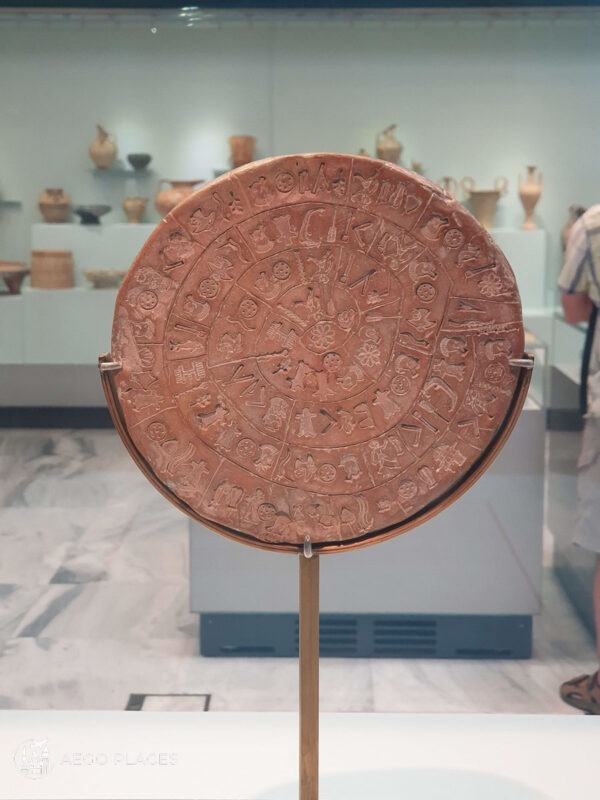
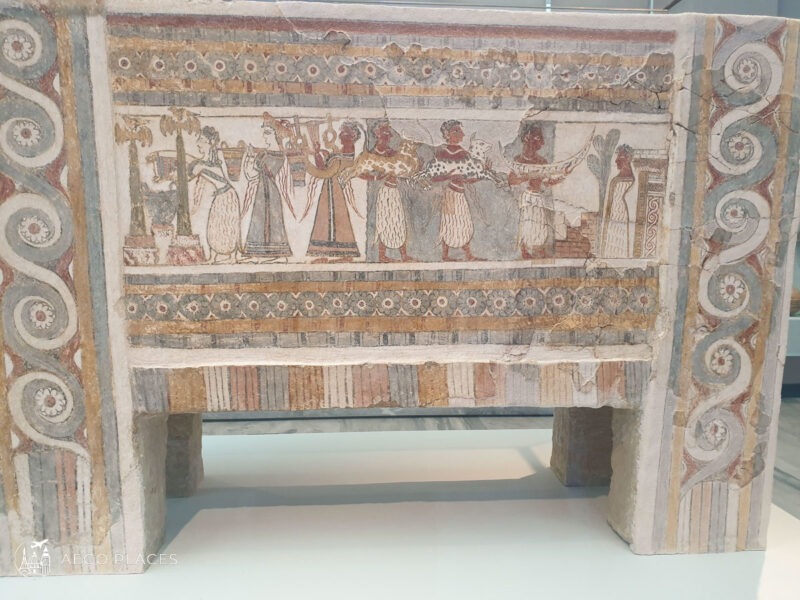
History lovers, don’t skip this one. The Archaeological Museum in Heraklion is one of the most important museums in the entire Mediterranean world, housing an extraordinary collection of Minoan artefacts spanning over 5,500 years — from the Neolithic period right through to Roman times. Standout pieces include the famous Snake Goddess figurine, the enigmatic Phaistos Disc (still undeciphered), stunning frescoes from Knossos, and exquisite gold jewellery. Entry is €20 for adults, €12 for reduced tickets. We’d highly recommend pairing a visit here with Knossos — many of the objects on display were found there, and seeing them together brings the whole story to life.
Samaria Gorge
At 16km long, the Samaria Gorge is the longest gorge in Europe and one of Crete’s most spectacular natural experiences. The trail begins at the Xyloskalo trailhead on the Omalos plateau, 1,230 metres above sea level, and descends all the way to the coastal village of Agia Roumeli on the Libyan Sea. The most dramatic section is the Iron Gates (Portes), where the cliffs narrow to just 3 metres across while soaring 500 metres above your head. Entry is €10 per person. We’d suggest joining an organised group from Chania or Rethymno rather than arranging transport yourself — you can book locally or through GetYourGuide.
Arkadi Monastery
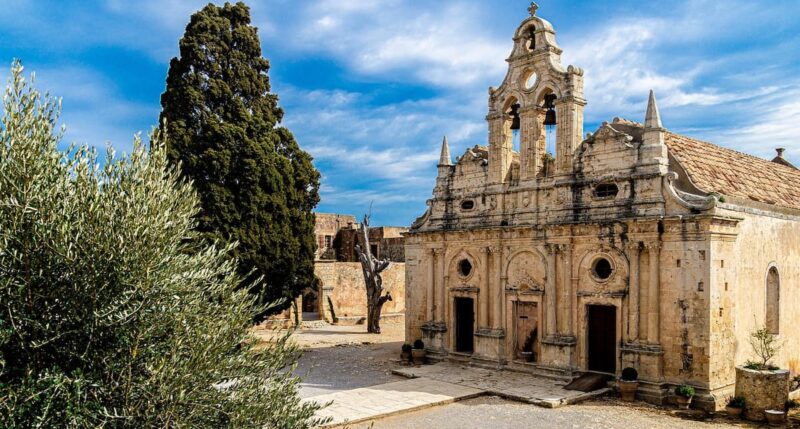
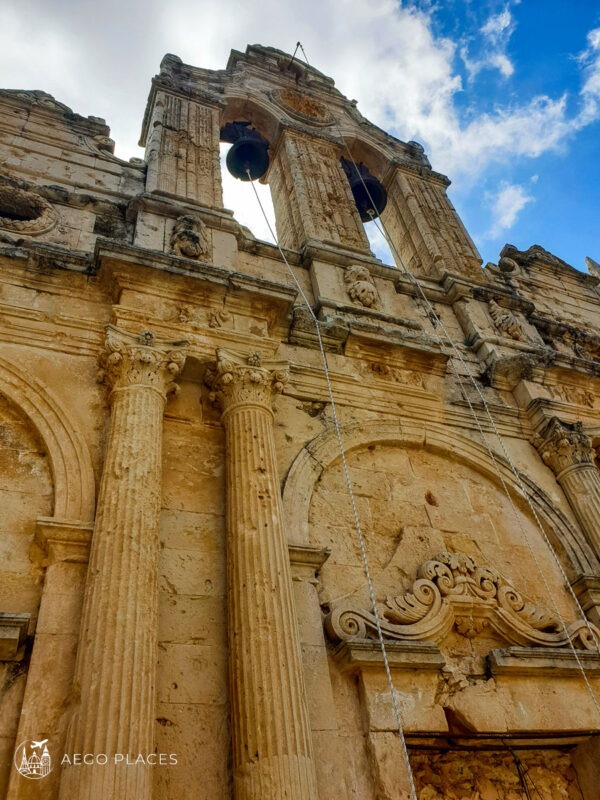
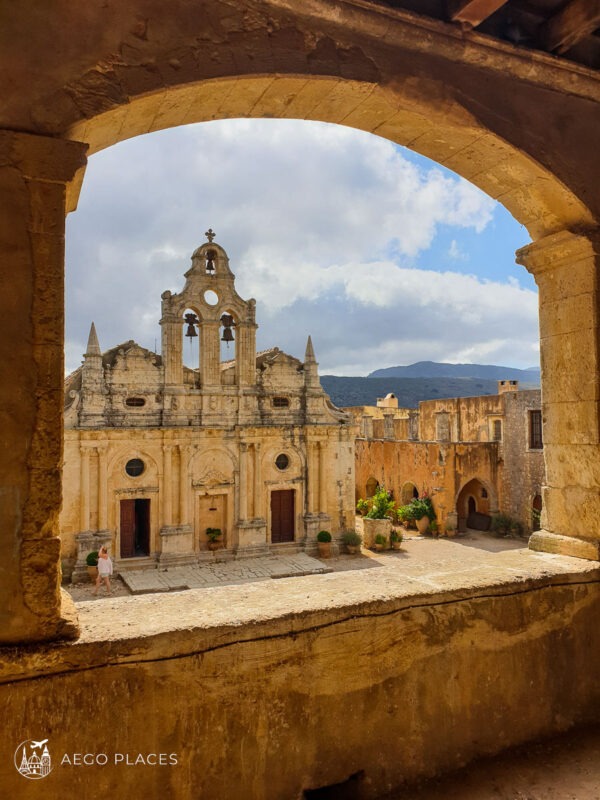
Arkadi Monastery is one of the most emotionally significant sites in all of Crete. Located 23km southeast of Rethymno, the monastery dates back to the 11th century and features a beautiful Renaissance church built in 1587. It holds a deeply important place in Cretan history: in 1866, during the island’s uprising against Ottoman rule, 943 Cretans took refuge here. When the fortress walls were finally breached after a three-day siege, they chose to detonate the gunpowder store rather than surrender — a mass act of defiance that sent shockwaves across Europe and helped galvanise the movement for Cretan independence. Today you can visit the historic refectory (still bearing the scars of the battle), the museum, the ruins of the powder store, and the serene inner courtyard.
Eastern Crete – Agios Nikolaos and Sitia
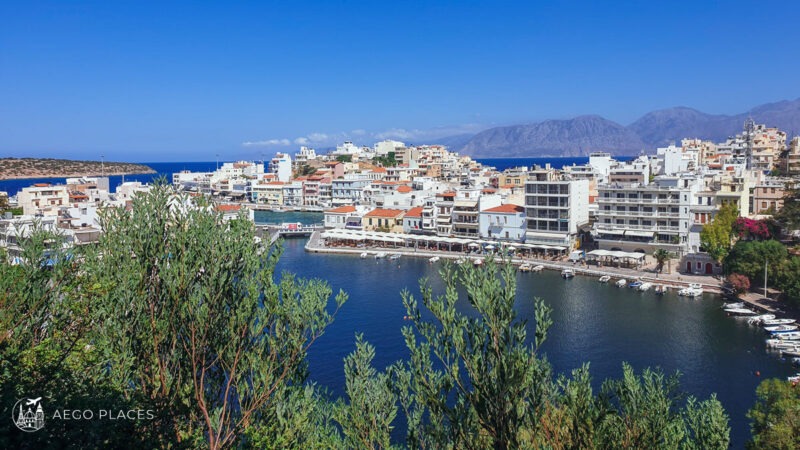
Eastern Crete, known as the Lasithi region, is the quietest and least-visited part of the island — and that’s precisely its appeal. It’s wilder, more authentic and home to some of Crete’s most beautiful but blissfully uncrowded beaches. The regional capital is Agios Nikolaos, a charming town built around a picturesque lake, while Ierapetra on the southern coast holds the distinction of being the southernmost city in all of Europe.
The region packs in some remarkable highlights: the Vai palm forest (the largest natural palm grove in Europe), the haunting island of Spinalonga with its Venetian fortress and former leper colony, the Minoan palace of Zakros, the traditional villages of the Lasithi plateau, and the dreamy island of Chrissi (also known as Golden Island), ringed by turquoise water and cedar forest.
The northern coast has more developed tourist infrastructure — organised beaches and upmarket resorts around Elounda — while the south is quieter and more raw, perfect for anyone looking to genuinely get away from it all.
Support our blog
If you find this guide useful and would like to support our blog, you can use our affiliate link to Booking.com. You will get great booking options, while your booking helps us continue sharing free travel guides and practical tips for hundreds of destinations around the world.
Related posts
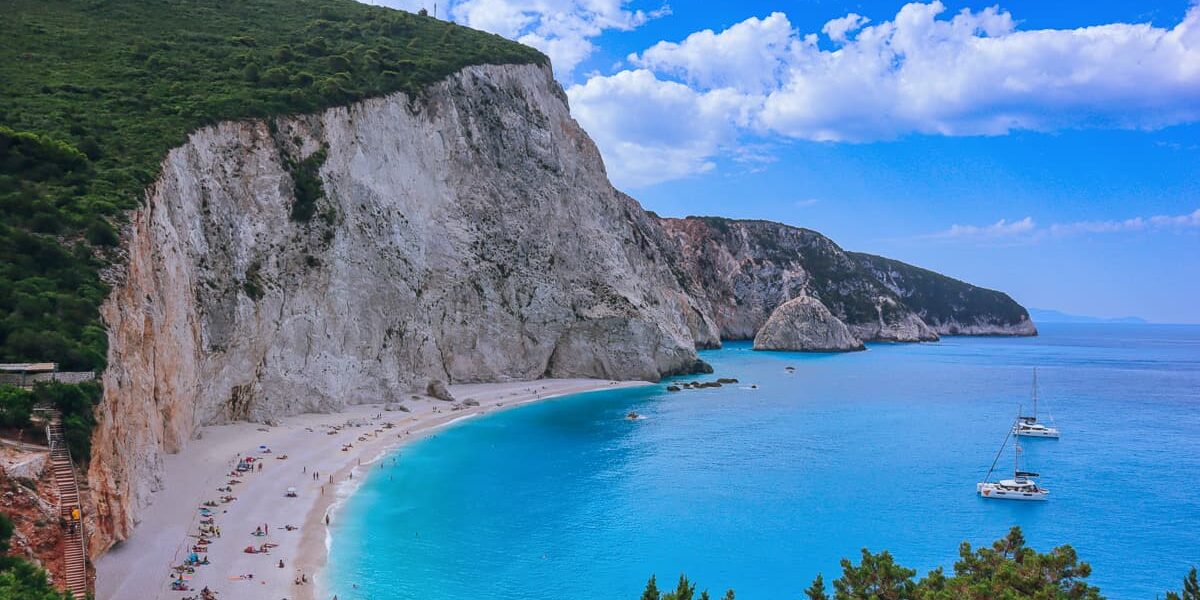
Lefkada is among the most preferred destinations for beach holidays. If you’re looking for interesting beach destinations in Greece, Lefkada has all the conditions – the island is easily accessible by…
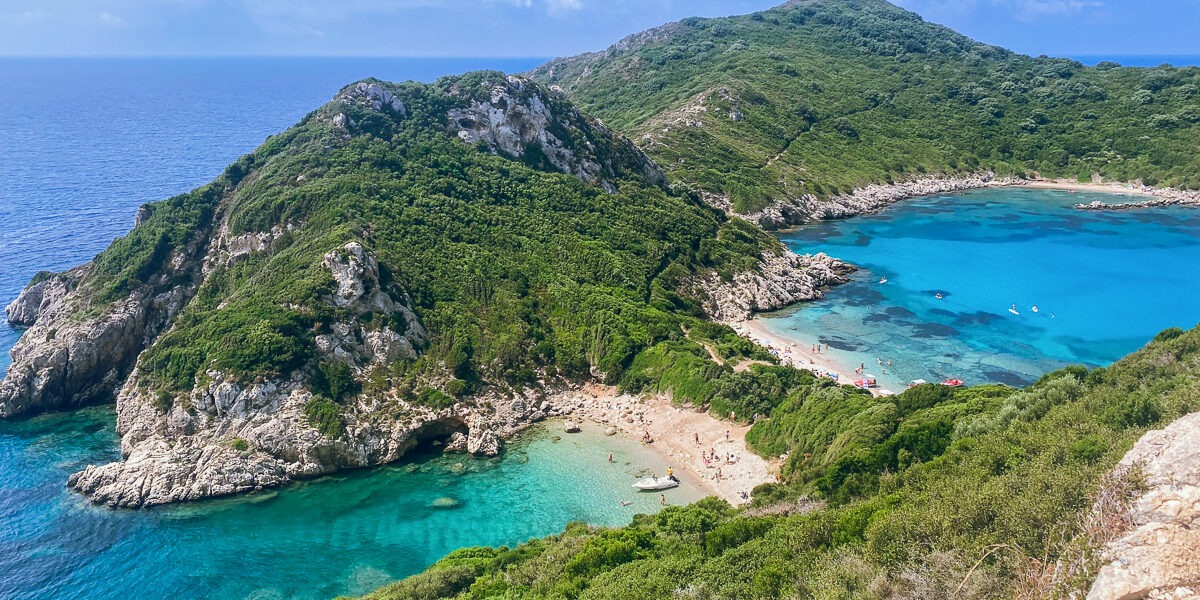
Corfu Island – emerald green, full of history and surrounded by turquoise sea, it manages to be both a resort destination and a living island with traditions and soul. Whether you are looking for a se…
Bangkok, Thailand’s vibrant capital, sprawls across numerous districts, each offering its own distinct personality and advantages for travelers. Choosing where to base yourself can dramatically shape …
Phuket, Thailand’s largest island, offers an incredible range of accommodation options across diverse neighborhoods, each with its own unique character. Choosing where to stay can significantly impact…
Tucked away on the eastern coast of Bohol, Anda is one of the Philippines’ quieter beach destinations—ideal if you want turquoise water, uncrowded shores, and a slower pace than Panglao. It’s the kind…
Aqaba, Jordan’s only coastal city, offers a unique blend of Red Sea beaches, ancient history, and desert adventures. Nestled at the northern tip of the Red Sea, this port city serves as the perfect ba…
Choosing where to base yourself in Kefalonia can make or break your holiday. This mountainous island is larger than it appears on the map, and the winding coastal roads mean that getting from one side…
This article highlights the favorite part of our nearly three-week Philippine adventure: our unforgettable stay on Siquijor Island. The island delivers everything you could want from a Southeast Asian…