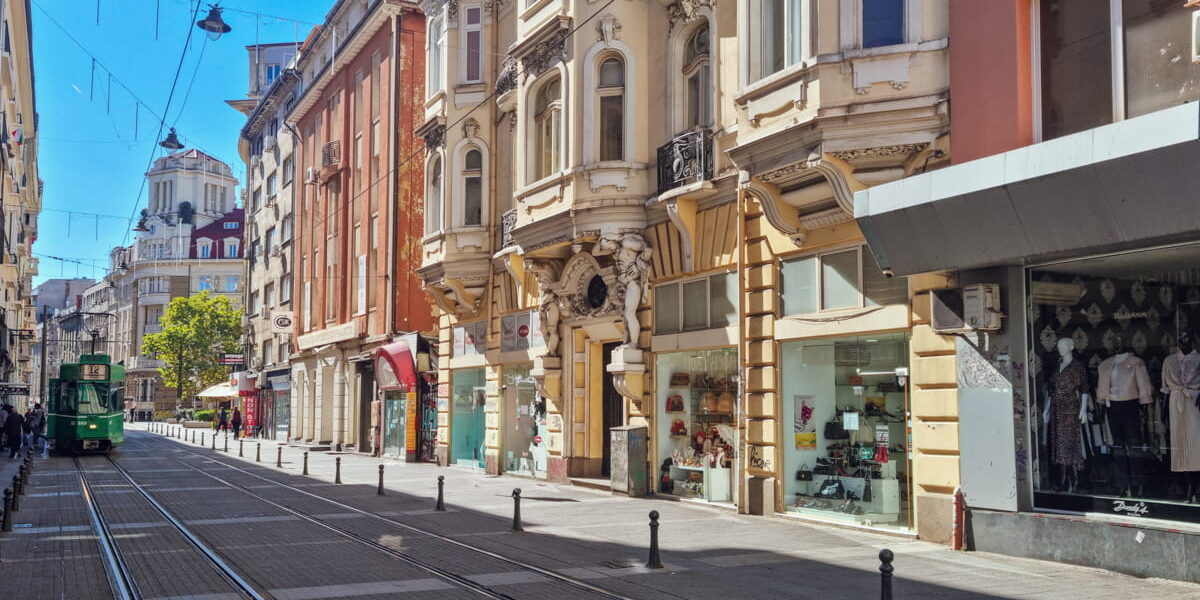
Sofia, Bulgaria’s capital and largest city, is one of Eastern Europe’s most interesting and underrated destinations. Its appeal lies in its mix of ancient ruins, impressive churches, lively streets and easy access to nature.
As a local and a frequent traveller, I want to help you get the most out of your visit to my city. In this guide, I’ll share the best things to do in Sofia, from its main landmarks to my favourite restaurants and cafes, along with day trip ideas and practical advice on where to stay and how to get around in Sofia. Whether you are visiting Sofia for a weekend or a longer period, this travel guide will help you to get the most out of the Bulgarian capital.
About Sofia
Sofia is home to around 1.2 million people and is Bulgaria’s main cultural, educational and economic centre. The city combines lively urban life with easy access to nature. Visitors will find impressive churches, leafy parks and bustling cafes, while many of the main sights are within walking distance of one another in the city centre.
A brief history
Known as Serdica in Roman times, Sofia grew into an important city in the Roman Empire. It later came under Byzantine and medieval Bulgarian rule before becoming part of the Ottoman Empire in the late 14th century. Following Bulgaria’s liberation from Ottoman rule in 1878, Sofia was chosen as the country’s capital in 1879.
Today, its Roman ruins, medieval churches and Ottoman-era buildings reflect this layered history.
Getting around Sofia
Public transport
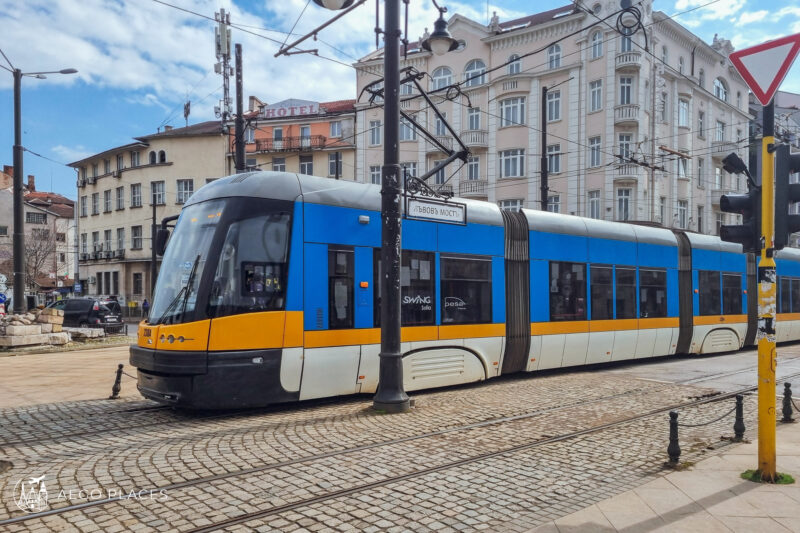
Getting around Sofia is straightforward thanks to a public transport network of metro trains, buses, trams and trolleybuses. Most of the metro system is relatively new, with many stations built during the past 15 years.
Public transport is also inexpensive. The ticket costs €0.80 and allows transfers within 30 minutes of the first validation. The simplest way to pay is by tapping a contactless bank card, phone or smartwatch at the metro gates or on the reader inside a bus, tram or trolleybus. Remember to validate the same payment method every time you board.
When you use the same contactless payment method throughout the day, the system automatically caps the total fare at €2.00. This is the easiest option for most visitors because there is no need to buy individual tickets.
Alternatively, you can buy day, 24-hour and 72-hour passes from ticket offices and machines at metro stations. The current fare structure is published by Sofia
Taxis
As a local, I usually avoid taxis and prefer public transport. Uber does not operate in Bulgaria, and Bolt does not currently offer passenger rides in Sofia. Local alternatives include the Yellow Taxi and TaxiMe
I recommend booking through an established app rather than hailing a taxi on the street, especially in the city centre and around major transport hubs. Check the fare displayed on the window before getting in. At Sofia Airport, use the official Yellow desk or the clearly marked taxi rank rather than accepting a ride from someone who approaches you in the terminal.
How to get from Sofia airport to the city centre
Sofia Airport is relatively close to the city centre, and Terminal 2 has direct access to the metro. You can tap a contactless bank card at the gate, and the journey to Serdika, the most central interchange station, does not require a change. If you arrive at Terminal 1, you can take the free shuttle to Terminal 2 or use public transport, which requires a paid ticket.
The trip to the city centre takes around 18 minutes. If you land at Terminal 1, use the airport’s free shuttle to Terminal 2 or take bus 84 or 184 towards the centre.
Where to stay in Sofia
Areas to avoid and best areas to stay in Sofia
Sofia’s city centre is fairly compact, and there are no real no-go areas in the central part of the city. In my opinion, one of the best places to stay is around Sofia University. It is central, pleasant and convenient for many of the main sights.
I would avoid staying around the Women’s Market if you want the best first impression of Sofia. It is not necessarily dangerous, but some streets can feel less comfortable at night and the area is not the city’s most attractive.
Whether you choose a hotel or an apartment depends on your travel style. Hotels in Sofia are generally affordable, so a well-reviewed central hotel is often the easiest option.
Recommended hotels in Sofia city centre
Here is a list of the top-rated hotels in Sofia, city centers with links to Booking.com:
- Location Hotel (9.4/10)
- Art ‘Otel (9.0/10)
- The Moon Boutique Hotel (8.9/10)
- Hyatt Regency Sofia (8.9/10)
- Rosslyn Central Park Hotel Sofia (8.9/10)
- Hotel Niky (8.7/10)
- Rosslyn Thracia Hotel Sofia (8.7/10)
- Art Plaza Hotel (8.7/10)
- Sofia Balkan Palace (8.6/10)
- Les Fleurs Boutique Hotel (8.5/10)
- Central Plaza Hotel (9.1/10)
- B1 Downtown Hotel (9.0/10)
Things to do in Sofia
If you’re visiting Sofia for the first time, I definitely recommend joining a Free Sofia Tour. I’ve come across their groups many times and can confidently say that the guides are very knowledgeable, sharing fascinating stories about the city’s rich history and the many influences that have shaped it. Alternatively, you can book a private tour in GetYourGuide :
Here are the main sights in Sofia, if you are wondering what to see, start with this:
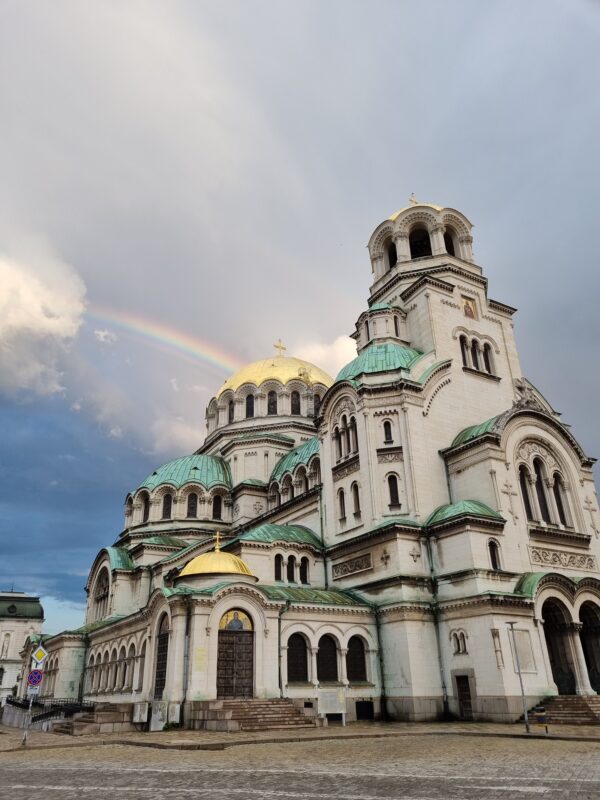
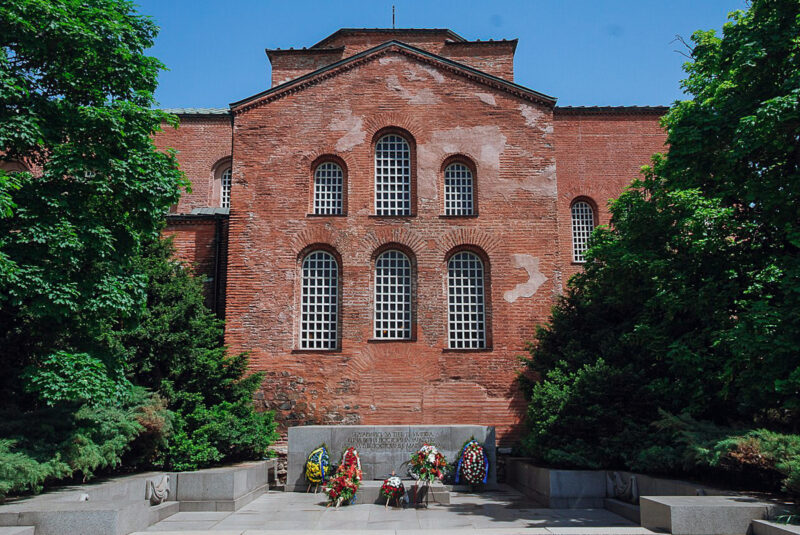
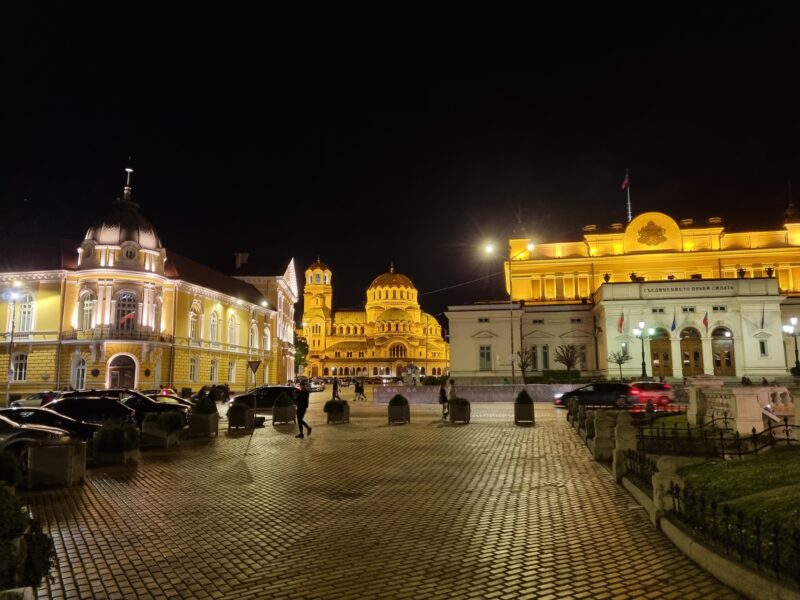
Alexander Nevsky Cathedral and Saint Sophia Church
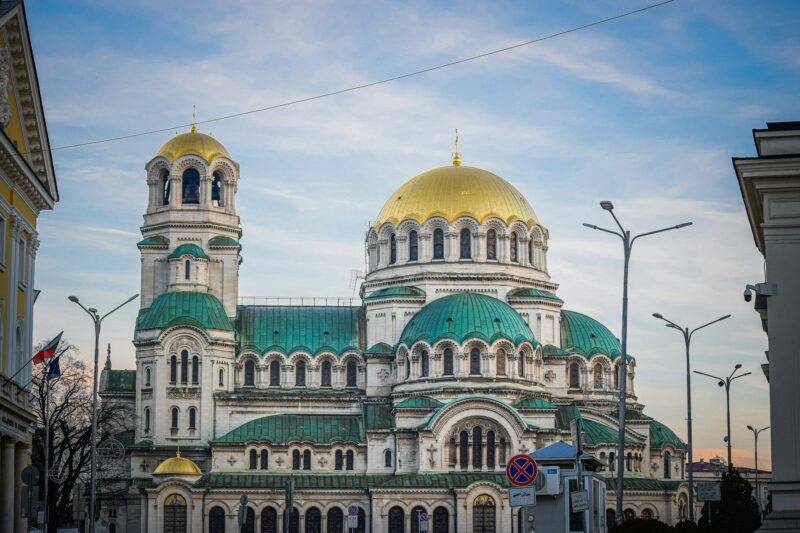
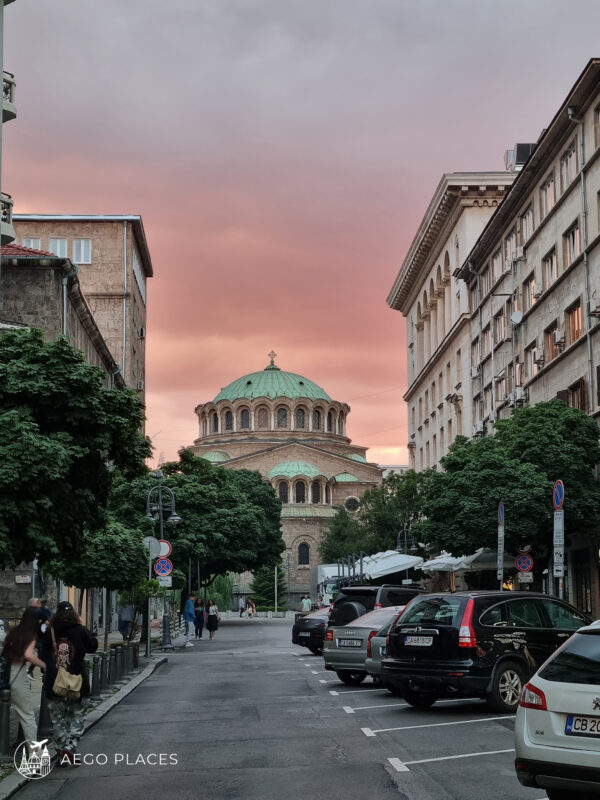
Alexander Nevsky Cathedral is one of Sofia’s most recognisable landmarks, known for its golden domes and richly decorated Orthodox interior. Built between 1882 and 1912, it also houses the Museum of Christian Art in its crypt.
Nearby, Saint Sophia Church is an ancient red-brick basilica that gave the city its name. Beneath the church, an archaeological museum reveals Roman tombs and the remains of earlier churches, offering a glimpse into Sofia’s distant past.
In October 2026, the remains attributed to Tsar Samuel, one of the most important rulers of the First Bulgarian Empire, were returned from Greece and placed in Saint Sophia Church. This has made the church even more symbolically important to Bulgaria.
Entry to Alexander Nevsky Cathedral is free, although a separate admission fee applies to the Museum of Christian Art in the crypt. Saint Sophia Church is also free to enter, while the underground archaeological level requires a paid ticket.
St George Rotunda and Serdica archaeological complex
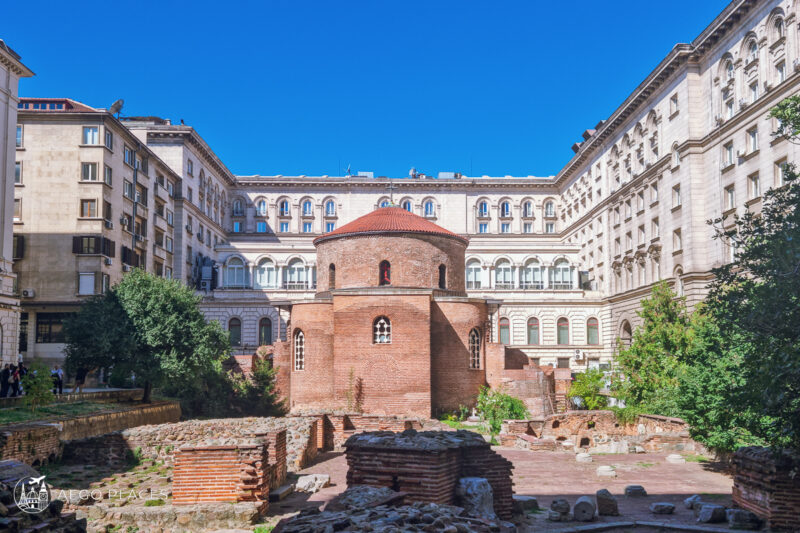
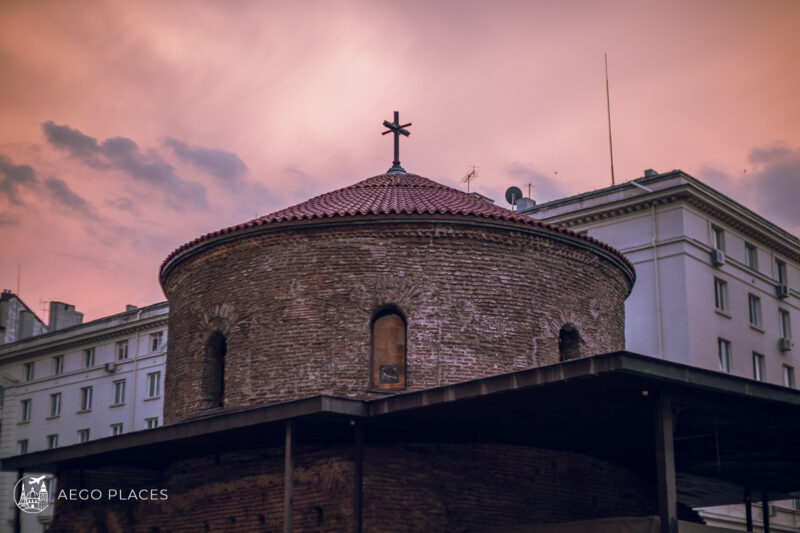
The Rotunda of St George is Sofia’s oldest preserved Roman building, dating from the early fourth century. Tucked away in a courtyard beside the Presidency, this red-brick church contains several layers of frescoes painted over the centuries.
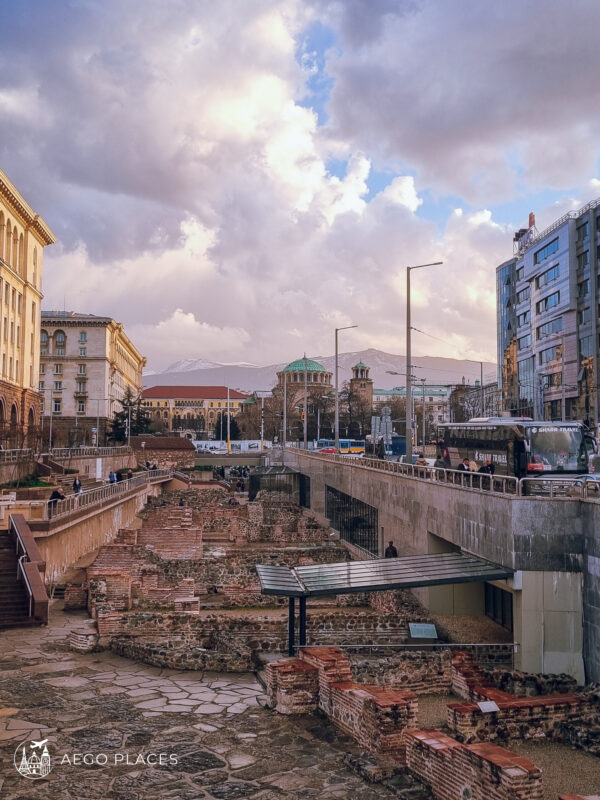
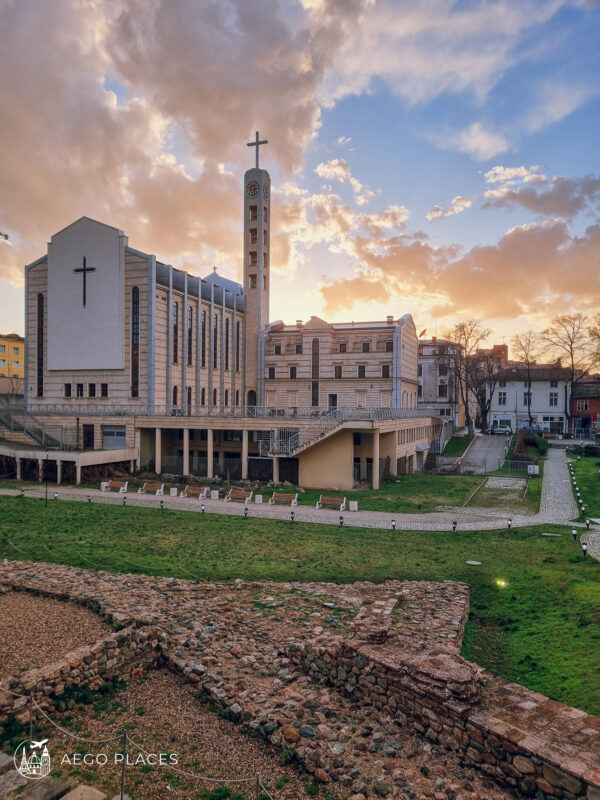
Nearby, the Serdica archaeological complex reveals the remains of the ancient Roman city beneath modern Sofia, including paved streets, houses, baths and early Christian basilicas. The ruins around Serdika metro station and beneath the Largo offer a fascinating glimpse into everyday life here nearly two thousand years ago.
The Rotunda of St George, the outdoor remains of Serdica and the publicly accessible parts of the Largo are free to explore. Donations to the church are always welcome.
Walk through the Sofia’s city centre
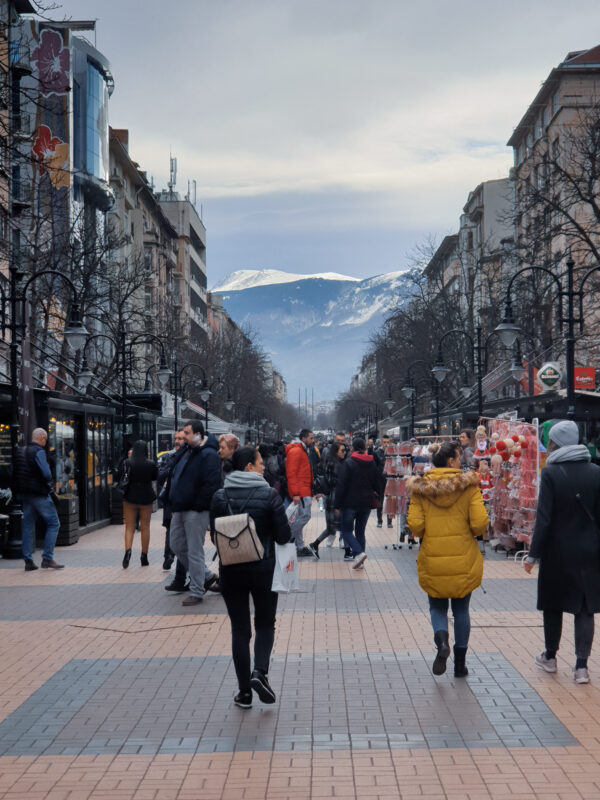
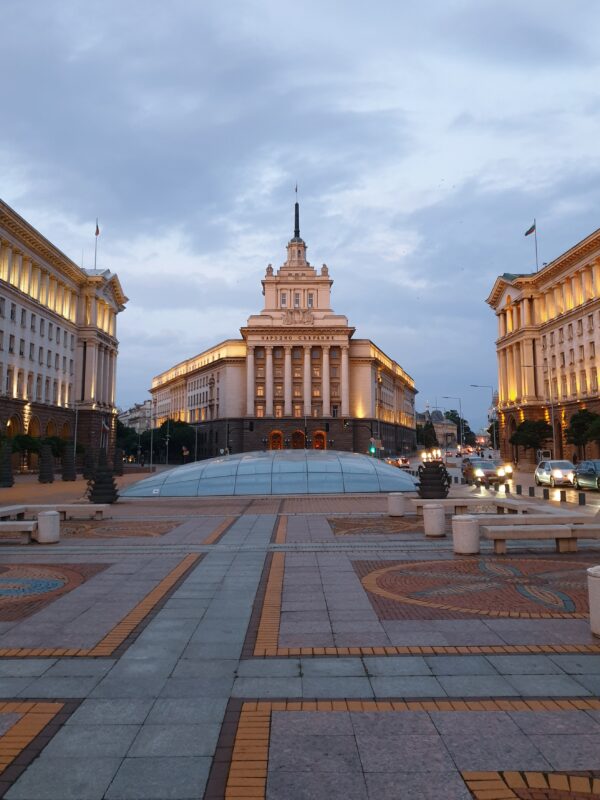
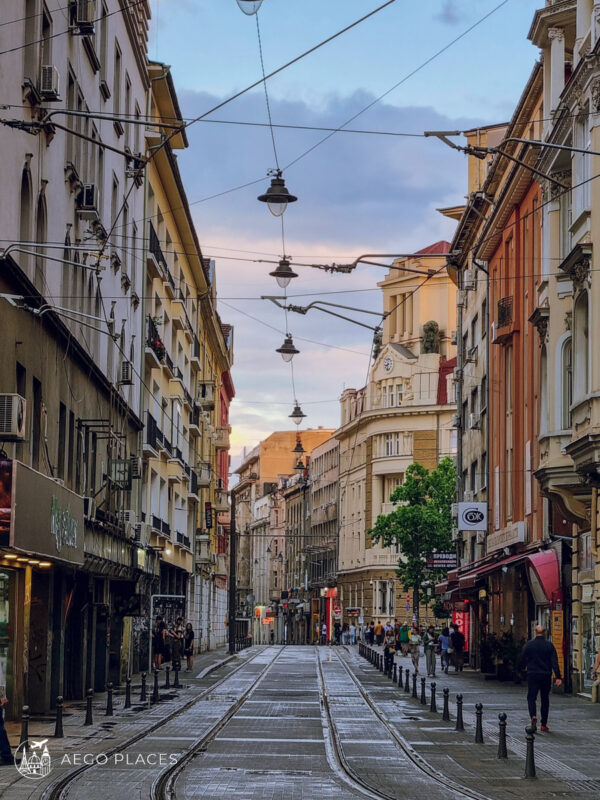
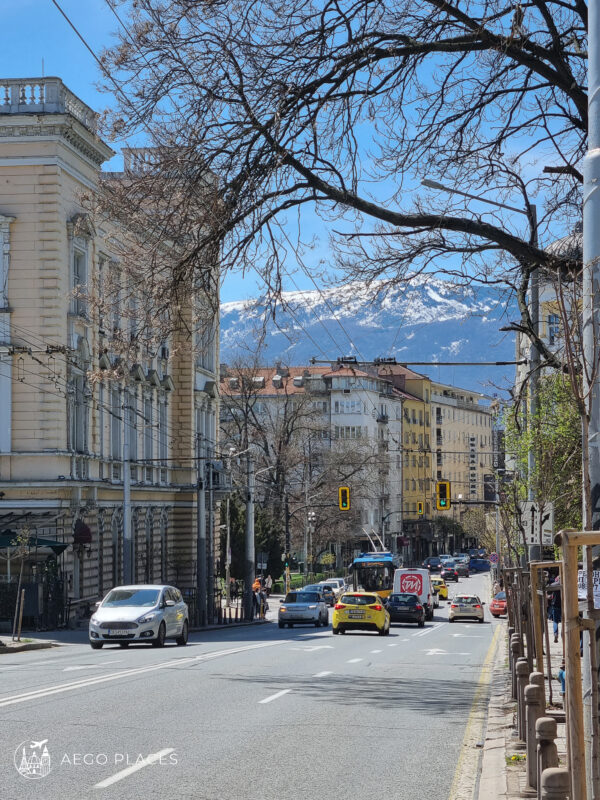
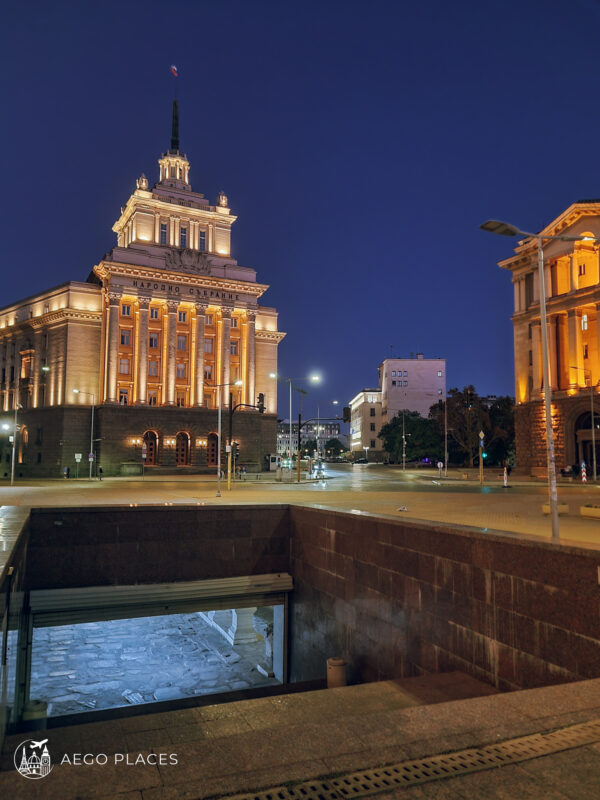
Browse the shops, stop for coffee or a meal, and enjoy the lively atmosphere along Vitosha Boulevard, Sofia’s main pedestrian shopping street. It leads towards one of the city’s most controversial landmarks, the National Palace of Culture, which was built during the communist period.
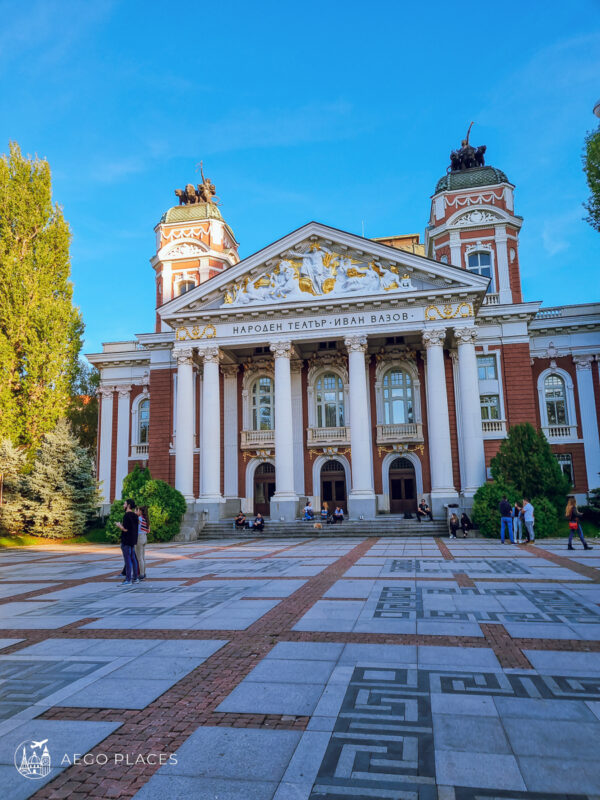
From there, you can head towards the Ivan Vazov National Theatre, one of Sofia’s most beautiful buildings. The City Garden in front of the theatre is a pleasant place to sit and watch local life.
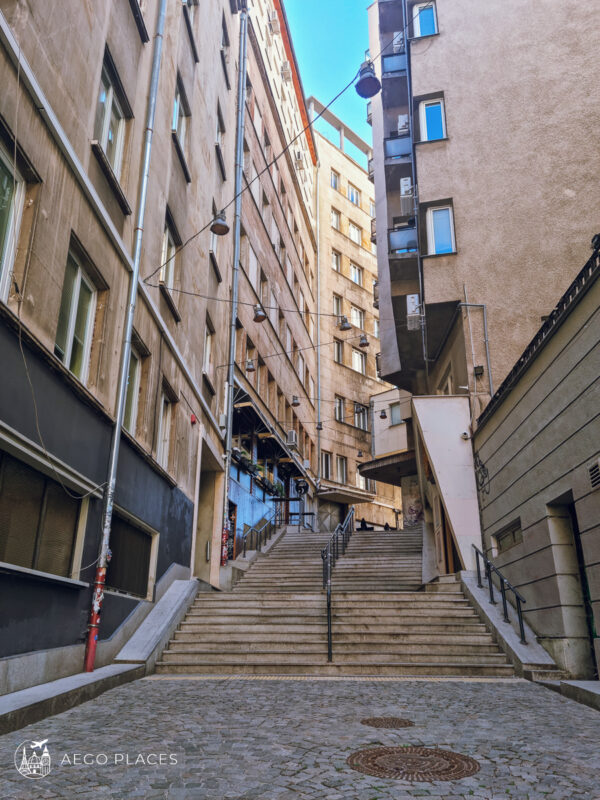
Another lovely area for a walk, coffee or dinner is around Doctors’ Garden, just behind Sofia University.
Baths, market, synagogue and mosque
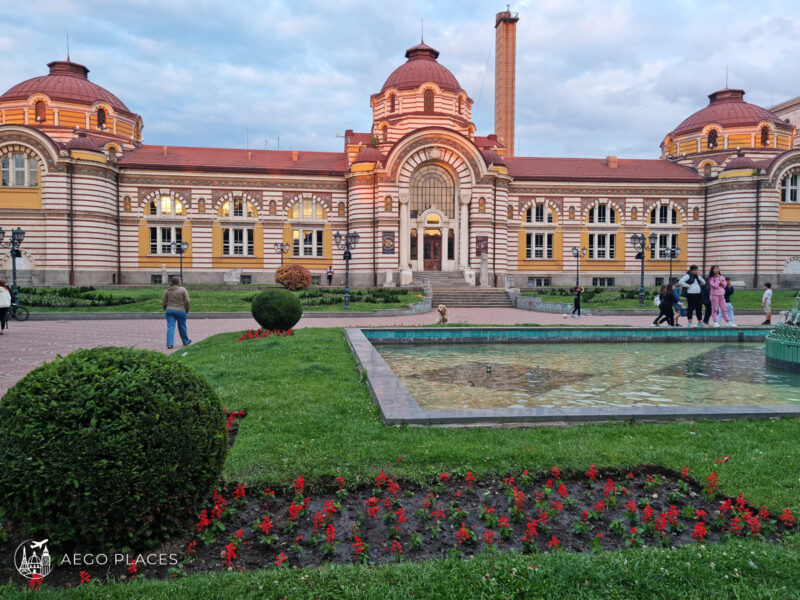
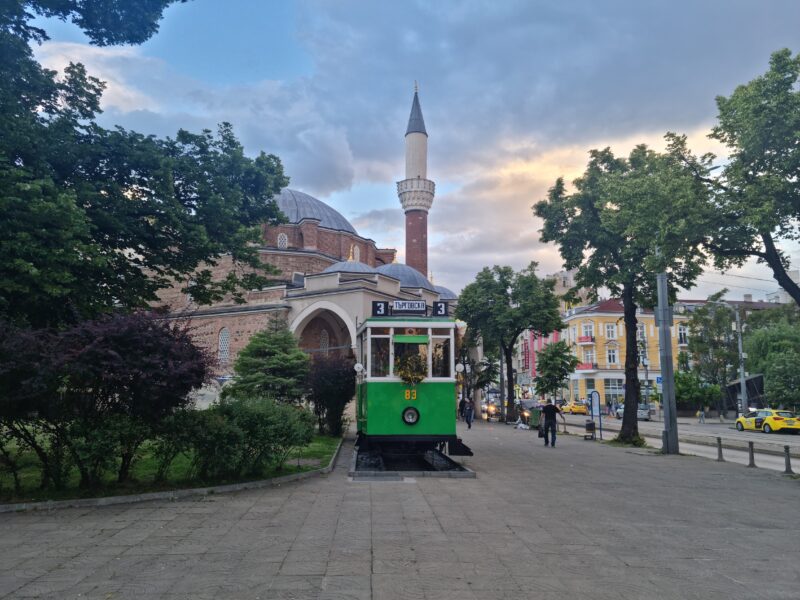
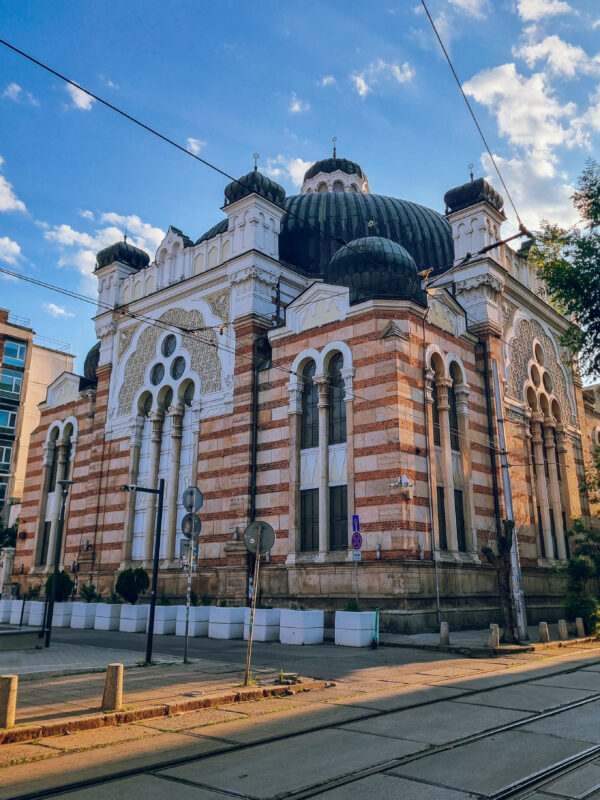
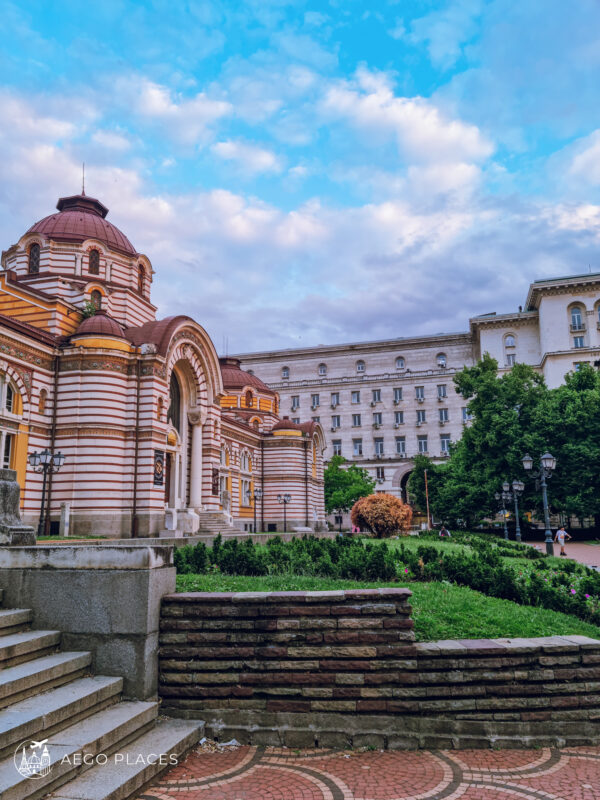
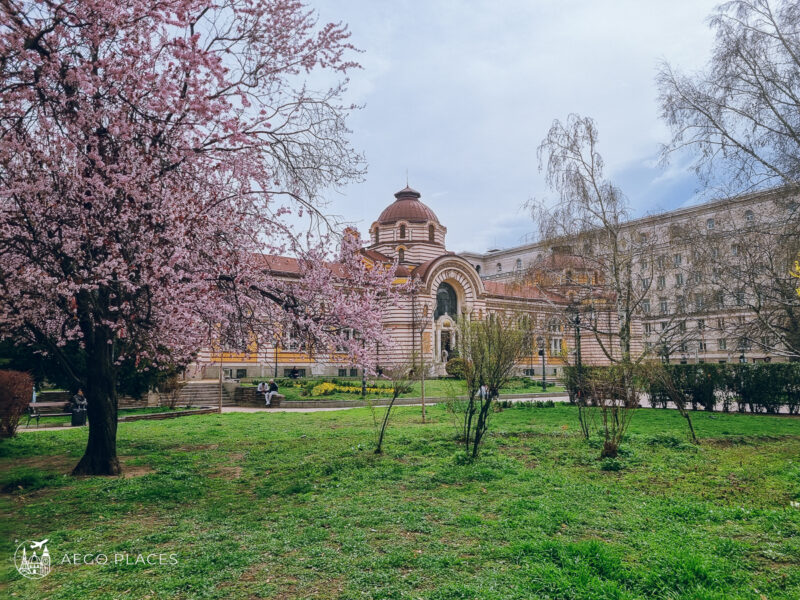
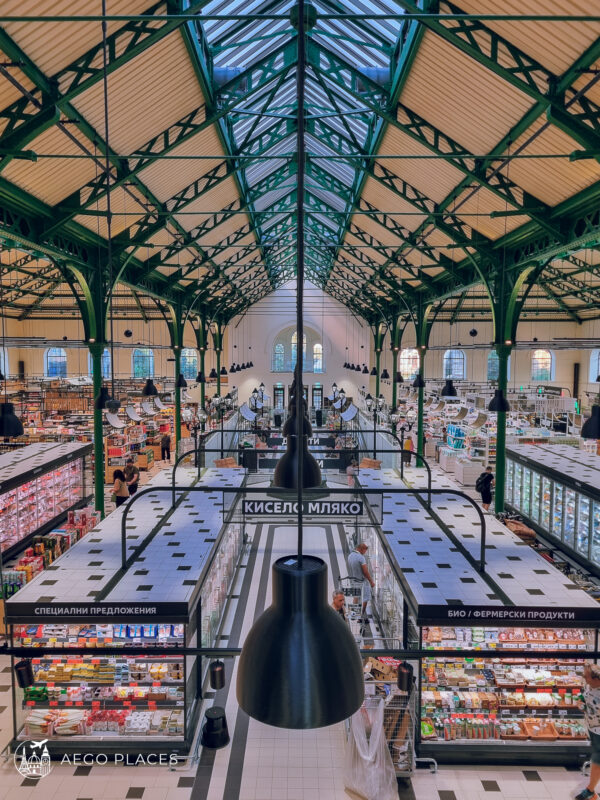
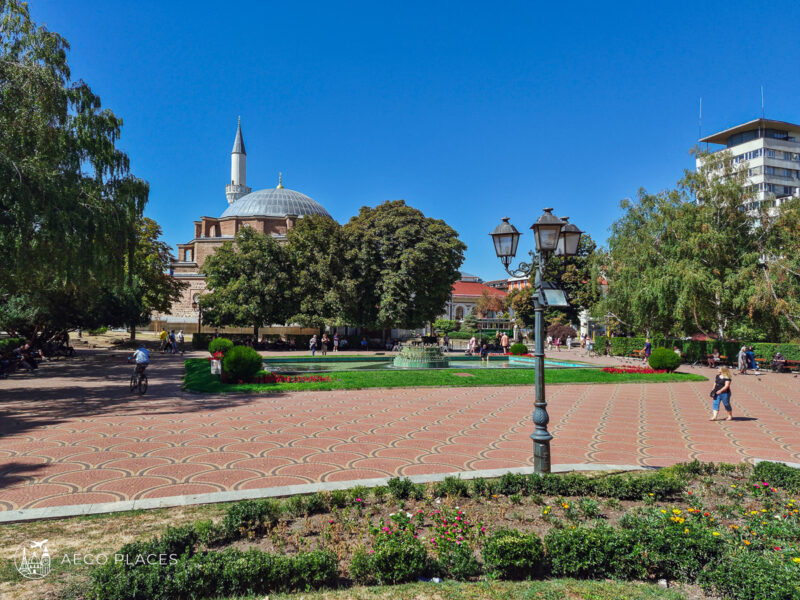
The Central Mineral Baths, Central Market Hall, Sofia Synagogue and Banya Bashi Mosque stand close together, making them easy to visit in one walk.
The colourful former Central Mineral Baths now house the Regional History Museum – Sofia, while the nearby 16th-century Banya Bashi Mosque remains an active place of worship. Across the boulevard, the Central Market Hall, which opened in 1911, combines restored historic architecture with a large supermarket, smaller shops and cultural spaces.
Next to the market hall, Sofia Synagogue is the largest synagogue in the Balkans. Its ornate interior reflects the city’s Jewish heritage.
Women’s Market
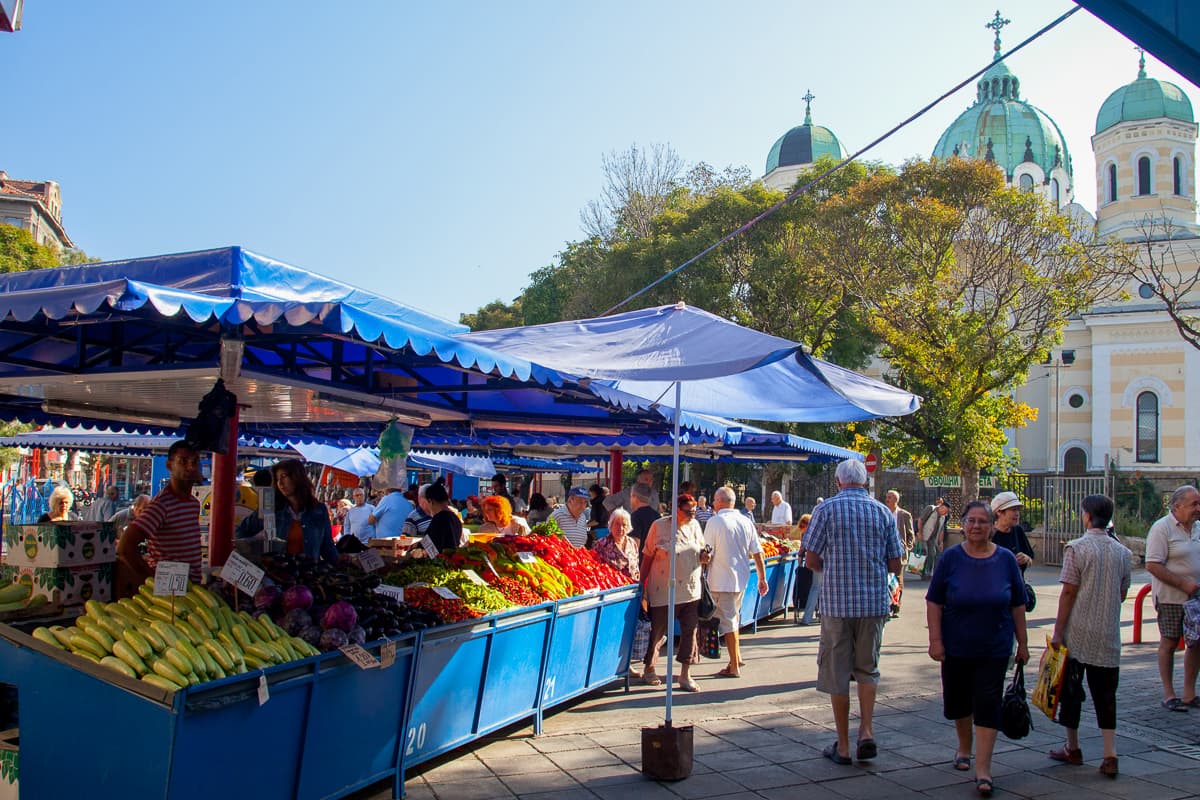
The Women’s Market, known locally as Zhenski Pazar, is Sofia’s oldest open-air market. Established shortly after Bulgaria’s liberation in 1878, its stalls sell fresh fruit and vegetables, cheese, honey, spices, clothing and souvenirs. It is an interesting place to experience everyday life beyond the main tourist sights.
The surrounding streets also have small shops and eateries selling Middle Eastern food, reflecting the neighbourhood’s multicultural character.
My view may be controversial, but I do not recommend buying fruit and vegetables from the stalls inside the market. Some sellers do not let customers choose their own produce, and the items placed in the bag may not be as good as those on display. Although I live nearby, I usually prefer the smaller shops around the market itself. Prices can be a little higher, but customers are generally allowed to choose what they buy.
If you would like to try authentic Bulgarian yoghurt, two nearby shops I recommend are LB Bulgaricum and Varshets.
Go Shopping
If you’re planning to go shopping in Sofia, I recommend Paradise Center and Serdika Center. Both malls offer a wide selection of international and local brands.
- Paradise Center – Sofia’s largest shopping centre, with a broad range of shops, restaurants and entertainment. It is also the easiest major mall to reach by metro, as Vitosha station is directly beside it.
- Serdika Center – A large shopping centre east of the city centre with a strong selection of fashion, beauty and lifestyle brands. Despite its name, it is not near Serdika metro station, so check the surface transport route before travelling.
- Sofia Ring Mall – Located on the southern outskirts of the city next to IKEA, this mall combines shopping with restaurants, entertainment and views towards Vitosha mountain. Allow extra travel time because it is well outside the centre.
- Mall of Sofia – A more compact and convenient option just west of the city centre, close to Opalchenska metro station. It is useful when you want a central mall without travelling to the outskirts.
The official Sofia visitor portal lists the malls at 100 Cherni Vrah Boulevard, 48 Sitnyakovo Boulevard, 214 Ring Road and 101 Aleksandar Stamboliyski Boulevard respectively.
For outdoor shopping, head to Vitosha Boulevard or Graf Ignatiev Street for shops and cafes. For a more local atmosphere, browse the Women’s Market for spices, inexpensive souvenirs and everyday goods, while keeping my warning about the produce stalls in mind.
Hike in Vitosha Mountain
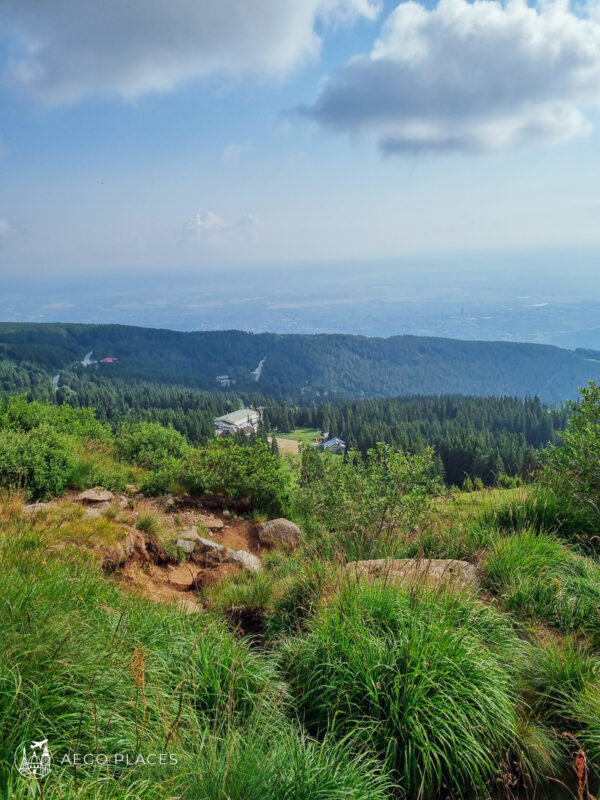
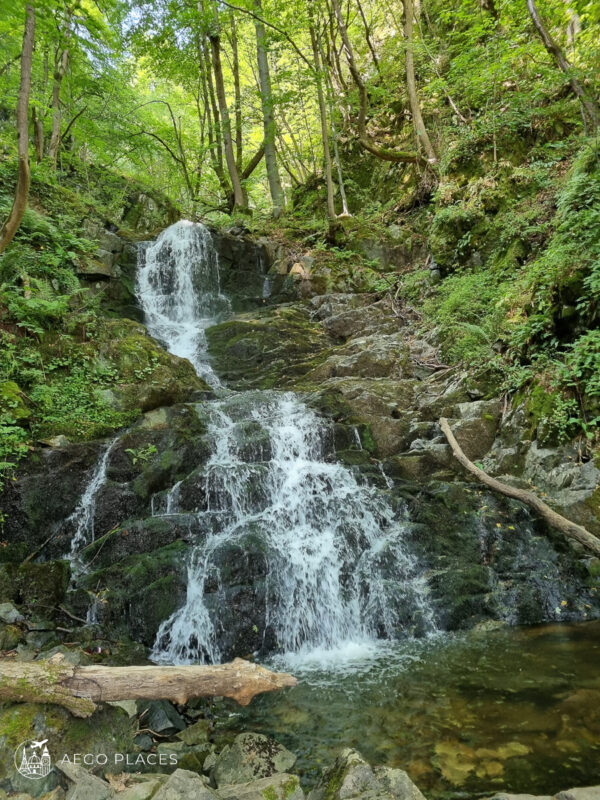
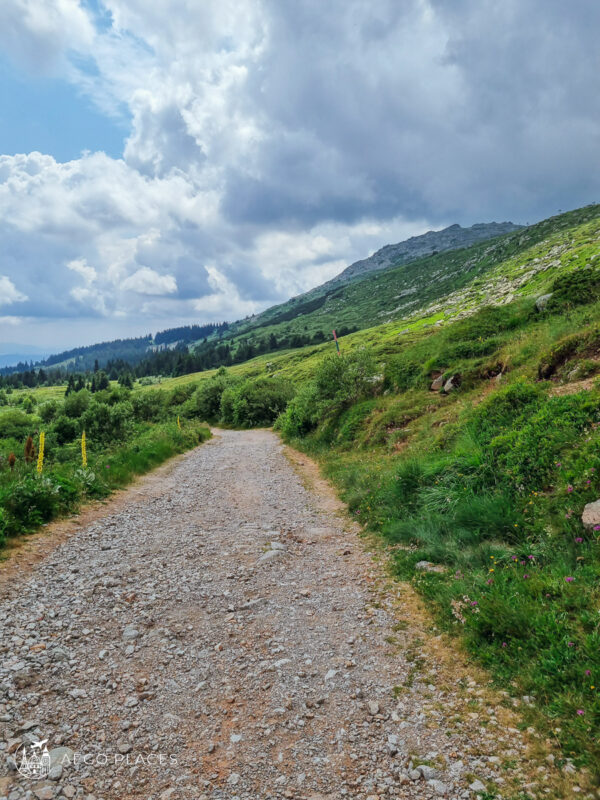
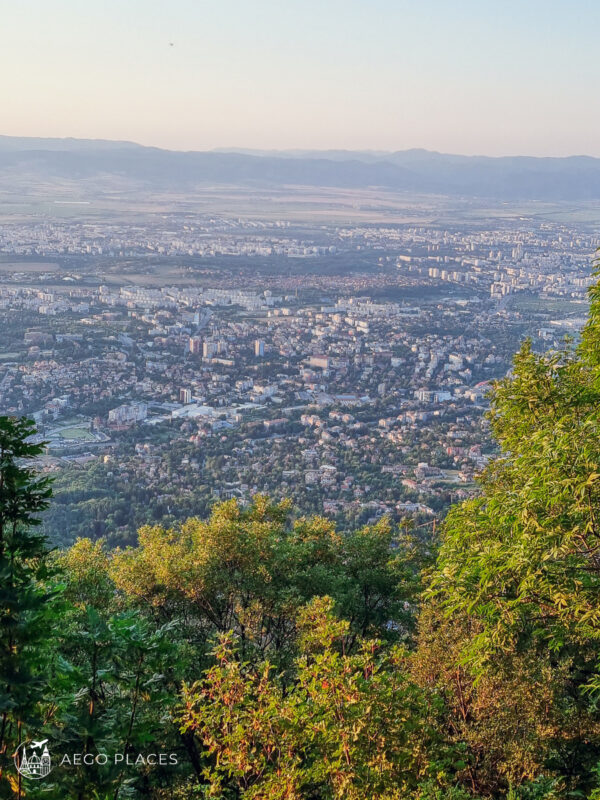
Rising immediately south of Sofia, Vitosha Mountain offers an easy escape from the city, with forest trails, open mountain scenery and panoramic views.
One of the most popular hikes starts at Aleko Hut and climbs to Cherni Vrah, the mountain’s highest point at 2,290 metres. Allow roughly 1.5-2 hours each way, depending on your pace and the conditions. For a gentler outing, explore the trails around Zlatnite Mostove, known for their impressive stone rivers of large boulders.
In winter, the Aleko area offers skiing and snowboarding, although the number of open slopes and lifts depends on snow and operating conditions.
Getting to Vitosha Mountain from Sofia
Getting onto the mountain can be less straightforward than the short distance from the city suggests. The Simeonovo gondola and Dragalevtsi chairlift are not operating, although the Vitoshko Lale lifts near Aleko may run seasonally at weekends in suitable weather. Always check current conditions before setting out.
Public transport options include:
- Bus 66 travels via Vitosha metro station and Dragalevtsi to Aleko Hut, the main starting point for hikes towards Cherni Vrah. It also serves the turn-off for Dragalevtsi Monastery.
- Bus 63 travels through Boyana to Zlatnite Mostove, another good starting point for walks.
Bus schedules can vary, so check the return times before beginning a longer hike. You can also take a taxi, but I recommend booking through Yellow or TaxiMe and checking the estimated fare in advance.
Dragalevtsi Monastery and Boyana Church
If you want to combine nature, culture and history, visit Boyana Church. This small medieval church is renowned for its remarkably preserved frescoes from 1259. Their expressive faces and lifelike details make them an exceptional example of medieval art, and the church has been on UNESCO’s World Heritage List since 1979.
You can reach Boyana Church by public transport, including buses 64 and 65, and combine your visit with a walk in the lower part of Vitosha.
Boyana Church – Google Maps Location
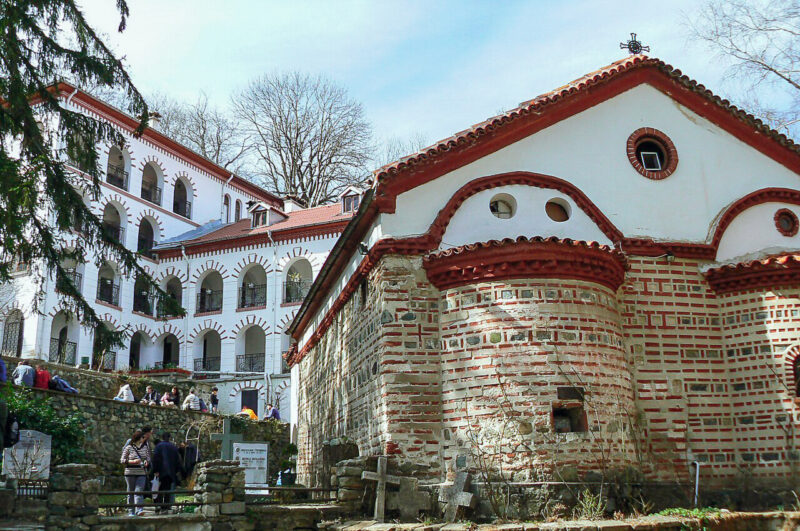
Another interesting place in the foothills of Vitosha is Dragalevtsi Monastery of the Assumption of the Virgin Mary. Founded in 1345 during the Second Bulgarian Empire, it became an important religious and literary centre.
Its old church preserves valuable 15th-century frescoes alongside paintings added in later periods. The monastery is also associated with Vasil Levski, the Bulgarian revolutionary who used it as a base while organising resistance against Ottoman rule.
Its wooded setting makes it a pleasant stop to combine with a walk on Vitosha. Bus 66 stops at the turn-off for the monastery, but the final approach requires a walk.
Dragalevtsi Monastery – Google Maps Location
Best restaurants and cafes in Sofia
Sofia’s food scene has changed significantly over the past 15 years, mostly for the better. Strangely enough, finding a good restaurant serving traditional Bulgarian food in the city centre is not always as straightforward as you might expect. Here are a few places I recommend from personal experience:
- Hadzhidraganov’s Cellars – A traditional restaurant in the heart of the city centre, offering a wide selection of local dishes and generous portions. Prices are on the higher side, and it can feel a little touristy, but don’t let that put you off – it’s a great introduction to Bulgarian cuisine. The same owners also run Hadzhidraganov’s Houses, near the Central Bus Station and Lions’ Bridge.
- Restaurant Kratunite – Another excellent choice for traditional Bulgarian food in central Sofia. It also has a lovely garden, which is particularly pleasant during the warmer months.
- Shtastlivetsa Restaurant – The menu includes international dishes as well as Bulgarian food. It’s generally one of the safest choices if you’re in the city centre and want somewhere reliable.
- Sofiyska Banitsa – One of the best-known local spots in central Sofia for trying traditional Bulgarian banitsa.
- Restaurant Bolyarite – An excellent option for Bulgarian food on a budget. It’s an unpretentious place with a varied menu, reasonable prices and a pleasant outdoor garden.
- Altruist – An excellent choice for coffee and a slice of cake or a pastry, with baked goods made on site.
- Yo Mian – My personal favourite for authentic Chinese food. This tiny place specialises in biang biang noodles and is simply outstanding if you enjoy Asian food.
- Franco’s Pizza and Franco Fanucci – Among the city’s most popular pizza spots and a reliable choice when you’re craving a good pizza. The location near Vitosha Boulevard is often very busy, so I recommend the one near Eagles’ Bridge.
- Beyond Brkfst – One of our favourite places for coffee and brunch. It’s quite small and can fill up quickly, so arriving around opening time is a good idea.
Best Day Trips from Sofia
Sofia’s location in western Bulgaria makes it a convenient starting point for visiting some of the country’s most interesting places. These are my top recommendations.
Rila Monastery
Rila Monastery is one of Bulgaria’s most important spiritual and cultural landmarks and a UNESCO World Heritage Site. Founded in the 10th century, it is known for its colourful frescoes, striking arcaded courtyard and richly decorated main church, although most of the buildings seen today date from the 19th century.
It lies around 120 km south of Sofia, and the drive usually takes about two hours via the A3 motorway and the road through Kocherinovo and Rila town.
Without a car, an organised day tour or a pre-booked tourist shuttle from central Sofia is the simplest option. The monastery’s own website states that there is currently no dependable direct public transport service to the complex, so do not rely on old bus timetables.
Here are the top rated trip from Sofia to Rila Monastery in GetYourGuide:
Plovdiv
Bulgaria’s second-largest city, Plovdiv, makes a rewarding day trip from Sofia. Its history stretches back thousands of years. It was an ancient Thracian settlement before Philip II of Macedon conquered it in 342 BC and renamed it Philippopolis, and it later flourished under Roman rule.
Byzantine, Bulgarian and Ottoman rule followed, while the Bulgarian National Revival of the 19th century brought the grand merchant houses that still characterise the Old Town.
Today, the city combines Roman landmarks with a charming historic centre, a lively arts scene and pleasant shopping streets. Plovdiv lies around 150 km southeast of Sofia, and the journey takes roughly two hours by car via the A1 Trakia motorway.
Without a car, you can take a direct bus from Sofia Central Bus Station, travel by train from Sofia Central Railway Station or join an organised day tour.
Here are the top rated trip from Sofia to Plovdiv in GetYourGuide:
Veliko Tarnovo
Veliko Tarnovo is one of Bulgaria’s most important historic cities. It served as the country’s capital during the Middle Ages, and its main sight, Tsarevets Fortress, was once home to Bulgarian rulers.
Beyond the fortress, you can walk through the Old Town, browse the craft shops along Samovodska Charshia and stop for lunch overlooking the Yantra River.
The city is around 230 km from Sofia. The journey takes about three hours by car or roughly 3-3.5 hours by direct bus from Sofia Central Bus Station. A day trip is possible, independently or with an organised tour, but it involves a lot of time on the road, so staying overnight is worth considering.
Here are the top rated trip from Sofia to Veliko Tarnovo in GetYourGuide:
Belogradchik Fortress
Belogradchik Fortress is built among towering red rock formations, using the cliffs themselves as part of its defences. First fortified by the Romans and later expanded by Bulgarian and Ottoman rulers, it is worth visiting for both its history and its views over the surrounding landscape.
Allow around three hours each way by car from Sofia, depending on the route. Alternatively, join an organised day tour that includes transport. Public transport is less convenient for a same-day return, so a car or organised tour is usually the more practical choice.
Here are the top rated trip from Sofia to Belogradchik Fortress in GetYourGuide:
Museums and galleries in Sofia
Here is the list of the best and most popular museums and galleries in Sofia:
- National Archaeological Museum – A good choice for ancient history, with prehistoric finds, Thracian treasures, Roman sculpture and medieval objects. It occupies a former Ottoman mosque opposite the Presidency, so the building itself is part of the attraction.
- Regional History Museum – Sofia – Housed in the former Central Mineral Baths, this museum follows the city’s development from ancient times to the modern era. It fits naturally into a visit to the nearby mosque, synagogue and Central Market Hall. Its official address is 1 Banski Square.
- National Museum of History – Located in Boyana at the foot of Vitosha, this museum covers Bulgaria’s past from prehistoric times to the modern era. Its collections include Thracian treasures, Roman artefacts, medieval religious art and traditional costumes. The museum occupies a former government residence, whose spacious halls and mountain setting are part of the appeal. Its location outside the centre makes it sensible to combine a visit with nearby Boyana Church.sofia
- National Museum of Natural History – A centrally located museum with animal specimens, fossils and minerals. It is a good option for families and anyone interested in wildlife or geology.
- National Museum of Military History – This specialised museum explores Bulgaria’s military past through weapons, uniforms, medals, vehicles and historical documents. It is best suited to visitors with a particular interest in military history. The official museum address is 92 Cherkovna Street.
- Sofia City Art Gallery – Beside the City Garden, this gallery focuses on Bulgarian art, with changing exhibitions of painting, sculpture, photography and contemporary work. Its central location and manageable size make it easy to include in a day of sightseeing.
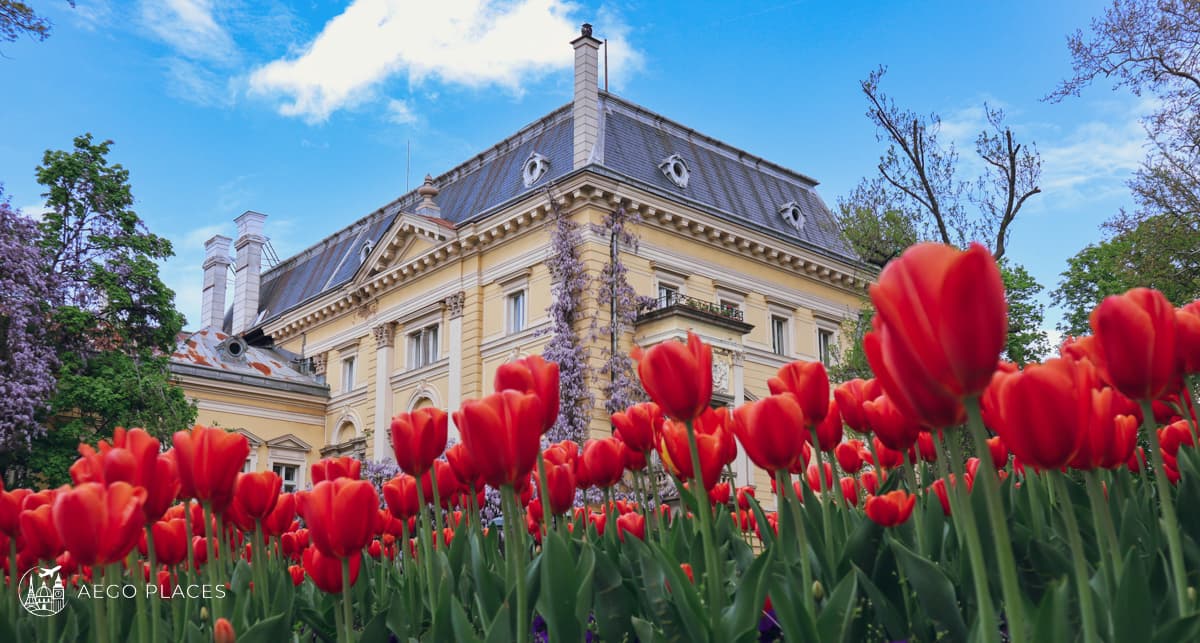
- The Palace – National Gallery – Housed in Sofia’s former royal palace, this branch of the National Gallery hosts temporary exhibitions of Bulgarian and international art. The historic interiors are part of the attraction, but check the exhibition programme before visiting.
- Kvadrat 500 – One of the best places for a broad introduction to Bulgarian and international art. Located behind Alexander Nevsky Cathedral, it displays around 1,700 works in 28 halls, including Bulgarian painting and sculpture alongside art from Europe, Asia, Africa and the Americas.
Support our blog
If you find this guide useful and would like to support our blog, you can buy us a coffee or use our affiliate link to Booking.com or GetYourGuide. You will get great booking and trips options, while your booking helps us continue sharing free travel guides and practical tips for hundreds of destinations around the world.

Related posts
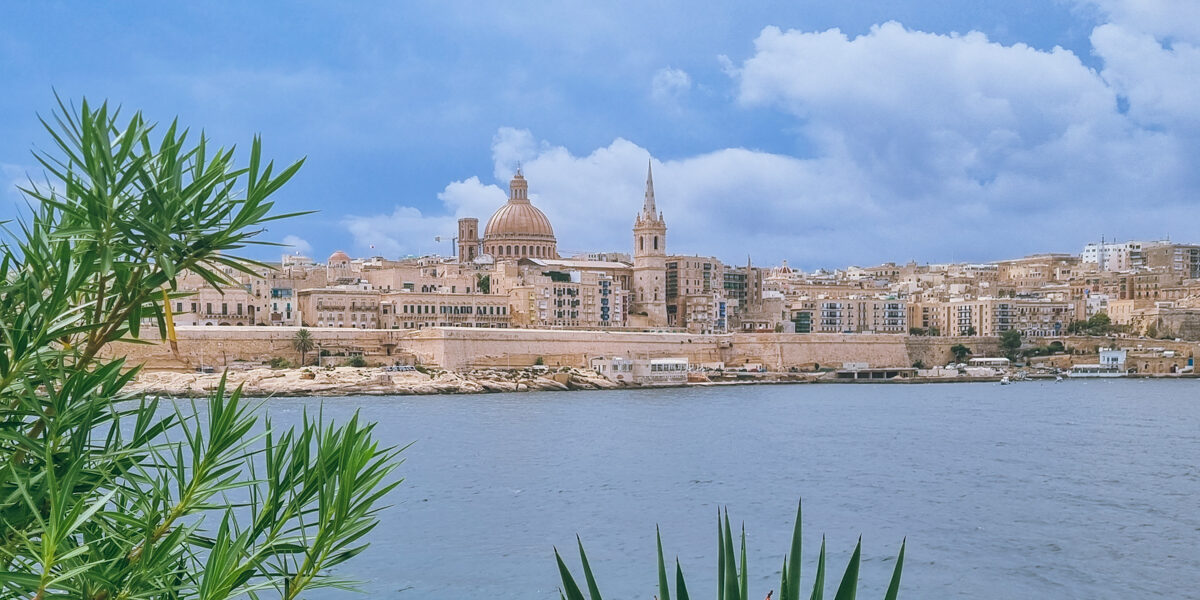
Malta holds a special place in our hearts because we had the opportunity to spend around six months there and get to know much of the island’s character and diversity. It is one of those places we cou…

Alsace is one of France’s most beautiful and underrated regions, combining French charm with Germanic architecture, excellent food and a long-standing wine-making tradition. The region is famous for i…
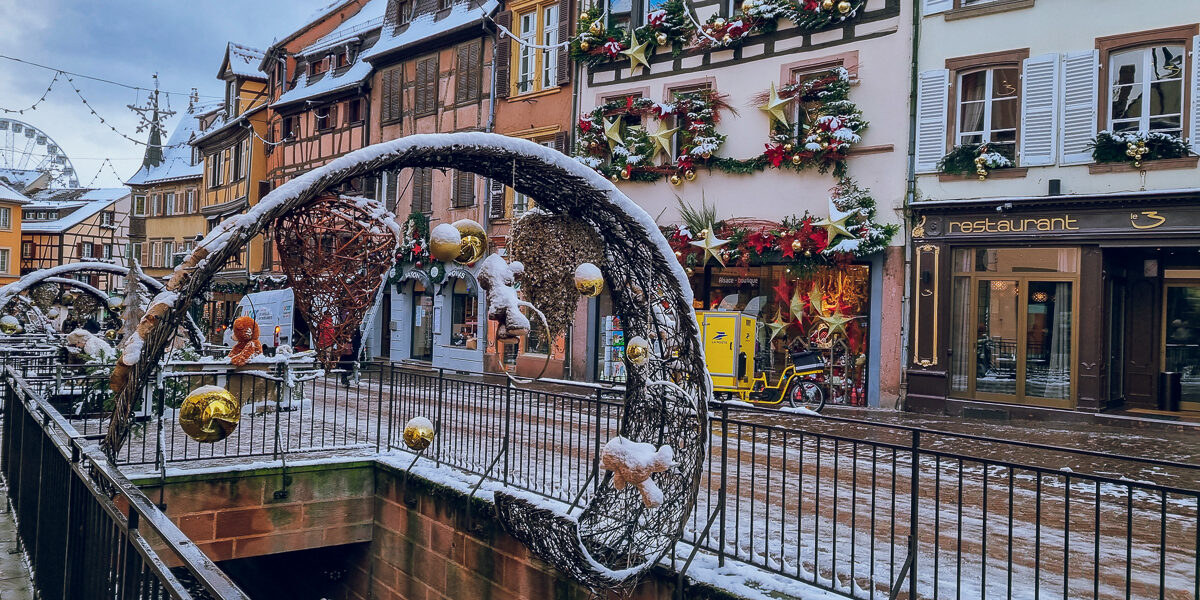
November is a month most of us associate with cold weather, short days and work. Trips are probably one of the last things people plan for November. Fortunately, this is also the time of year when som…
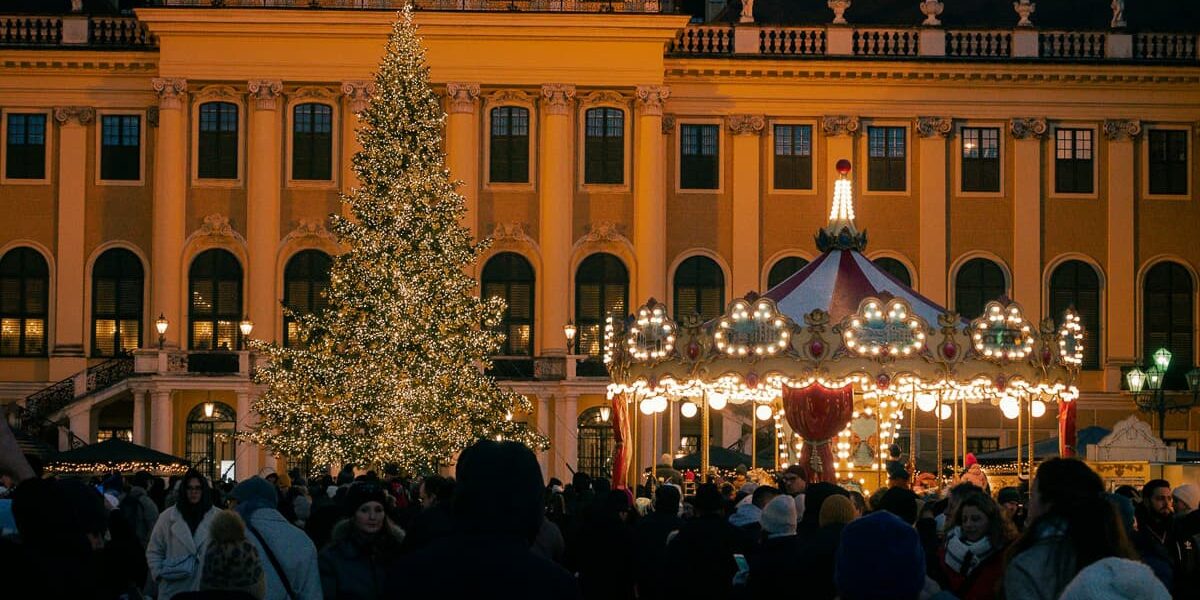
As we have mentioned many times on our blog, Vienna is one of our favorite European cities – clean, elegant, well organized and exceptionally easy to explore. There is one time of year when we love it…
Vienna, the capital of Austria, is one of the most emblematic European cities. Imperial history, classical music, culture and modern urban life coexist here in perfect harmony. The city is an excellen…
This complete Malta travel guide covers everything you need to plan an independent trip: the best time to visit Malta, how to get there, where to stay, how to use public transport, and the top places …
From sun-drenched Mediterranean villages to snow-capped Alpine peaks, hilltop castles, storied medieval towns, and spectacular fjords, Europe offers an unrivaled range of romantic destinations for cou…
Dalmatia is a coastal region in southern Croatia, home to many of the country’s best-known sights, most beautiful beaches, islands and seaside resorts. We visited Croatia as part of a wider Balkan roa…