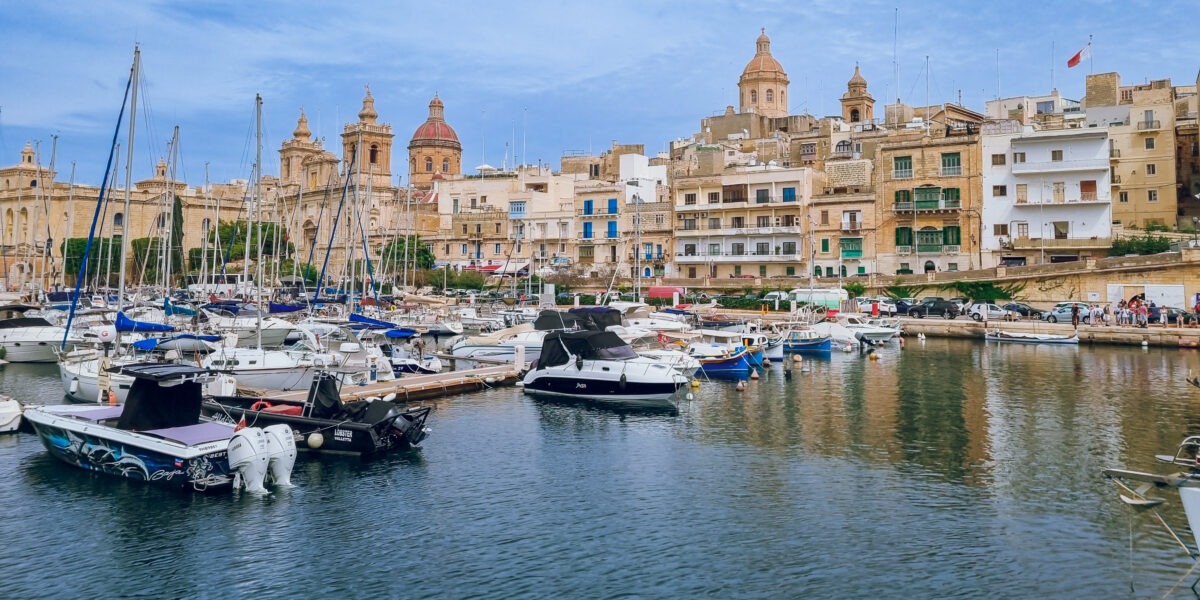
This complete Malta travel guide covers everything you need to plan an independent trip: the best time to visit Malta, how to get there, where to stay, how to use public transport, and the top places to see. You will find practical advice for visiting Valletta, the Three Cities, Mdina and Rabat, Marsaxlokk, Gozo, Comino and the Blue Lagoon, along with recommendations for Malta’s best beaches, museums and lesser-known attractions.
Malta holds a special place in our hearts, because we had the chance to spend about half a year there and really get to know much of the colour and richness the island offers. This is one of those places we could return to countless times and always have a great time.
Malta is especially rewarding for travellers who enjoy combining sightseeing with time by the sea. Its distinctive mix of UNESCO-listed heritage, Baroque architecture, fishing villages, prehistoric temples and turquoise-water coves makes it a destination that works well for couples, families, solo travellers and first-time visitors alike.
Basic information about Malta
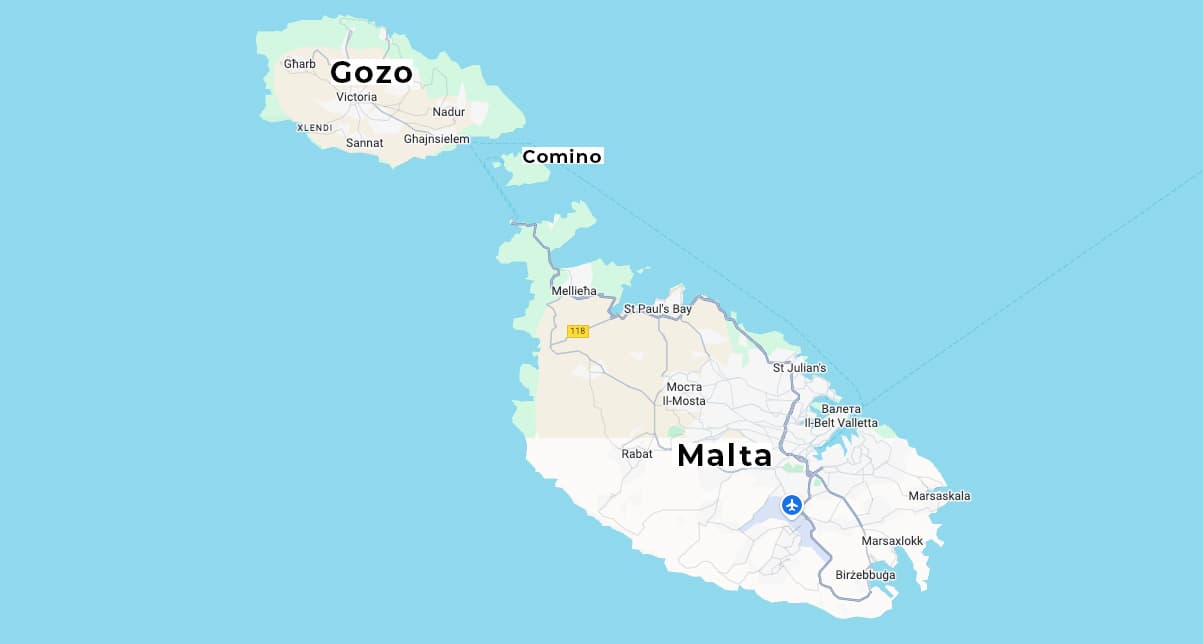
The country of Malta is a small archipelago of several islands, the largest of which is Malta, followed by Gozo. Between them lies the tiny Comino, famous for its Blue Lagoon. With a population of only about 500 thousand people and an area of 316 km2, Malta is one of the smallest and most densely populated countries in Europe. Located in the middle of the Mediterranean, over the centuries the islands have attracted many conquerors – they have been part of the Roman Empire and under Arab, French and British influence. This has shaped the rich and colourful culture of the Maltese. In Malta you can also notice many similarities with Sicily due to the geographical proximity. The official languages are two – Maltese (which sounds like a strange mix between Arabic, Italian and English) and English.
Malta is essentially a huge rock in the sea, so you will not see a single river, large green areas or lakes. The rocky landscape dominates, along with countless shrubs and cacti – the closeness to Africa is felt both in the relief and the climate. The Maltese are very kind and welcoming people, with a strong sense of community and togetherness. You can always count on a local to point you in the right direction or share tips about hidden spots unknown to most tourists.
Best time to visit Malta
Malta has something to offer at any time of year, but it is especially attractive in early spring and autumn, when temperatures are very pleasant. If you are looking for a different destination for the Christmas holidays, Malta is also a great choice – locals love to celebrate and the island is covered in lavish decorations, lights and festivities. We do not recommend summer, because the days are extremely hot, with temperatures above 40 degrees, and it becomes hard to enjoy all the sights. For beach time, the best period is between May and October
How to get to Malta
Getting to Malta is easy thanks to direct flights from many European cities, and the flight time from most of them is only a couple of hours. From the airport there is convenient public transport to all parts of Malta, and you can reach popular areas like Sliema and Valletta in about 30 minutes.
Where to stay in Malta
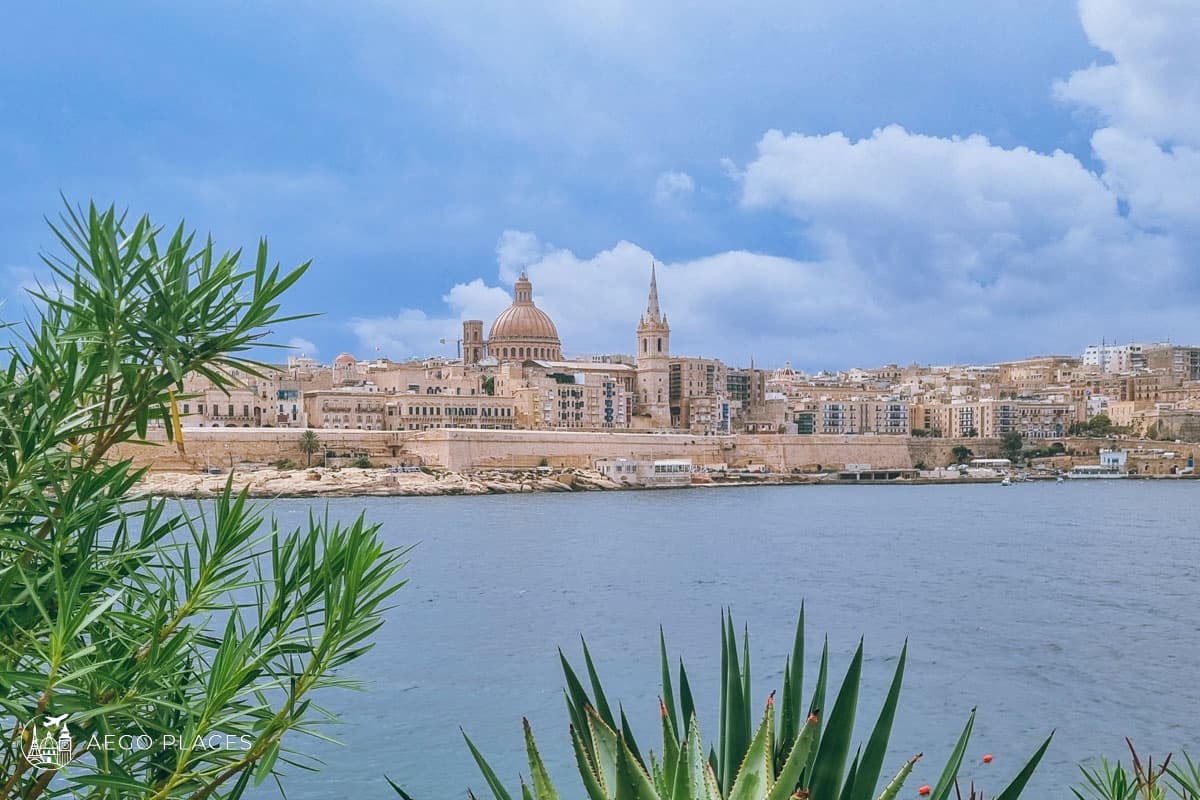
The capital Valletta is among the most popular places to stay, but in our opinion it is not the best base on the island – accommodation there is more limited and mainly in the higher price range. We think the largest choice of places to stay at reasonable prices is in Sliema, located opposite Valletta. The town is an ideal base if you are looking for a balance between modern amenities and easy access to the rest of the island. Sliema is also perfect for families and people seeking peace but also variety. The town is well connected by public transport – a ferry to Valletta leaves every 30 minutes from Sliema Ferries (the trip takes only 5-10 minutes and is much more pleasant than the bus), and bus routes cover the whole island.
Another popular place to stay is St. Julian’s, especially if you are looking for nightlife and bars. St. Julian’s is Malta’s liveliest entertainment hub, located along the coastline north of Sliema. It is a cosmopolitan town, known for its vibrant night scene, numerous restaurants, bars and casinos. The St. George’s Bay area offers a small sandy beach and modern hotels, and the seafront promenade connects everything with a beautiful walk by the sea.
If you decide to rent a car, you can check the prices of various companies on the DiscoverCars platform.
Getting around Malta
Due to its British heritage, traffic in Malta is on the left side of the road. The island is small enough that with a rental car you could see many sights in a short time, as long as you feel confident driving on the opposite side of the road in heavy traffic. For us that would have been too stressful, so we chose to use public transport. There are buses to all points of interest on the island; you can buy a ticket from the driver when you board (you always enter through the front door near the driver) or purchase a travel card online in advance. A single ticket costs €2.50 in summer and €2.00 during the rest of the year and is valid for 2 hours, including transfers to other lines. If you are staying more than 3-4 days, we recommend getting a weekly card that costs €25. To stop a bus you need to signal with your hand as it approaches; otherwise, it may not stop at your stop. Timetables are available in Google Maps, but buses are not always punctual, so it is good to be at the stop 5-10 minutes early. From the port in Sliema, many reasonably priced ferries also depart, taking you to more distant places. Ride-hailing services like Uber and Bolt also operate on the island, so you always have an option to get wherever you need
Top sights in Malta
Valletta – Malta’s Incredible Capital and a UNESCO Site
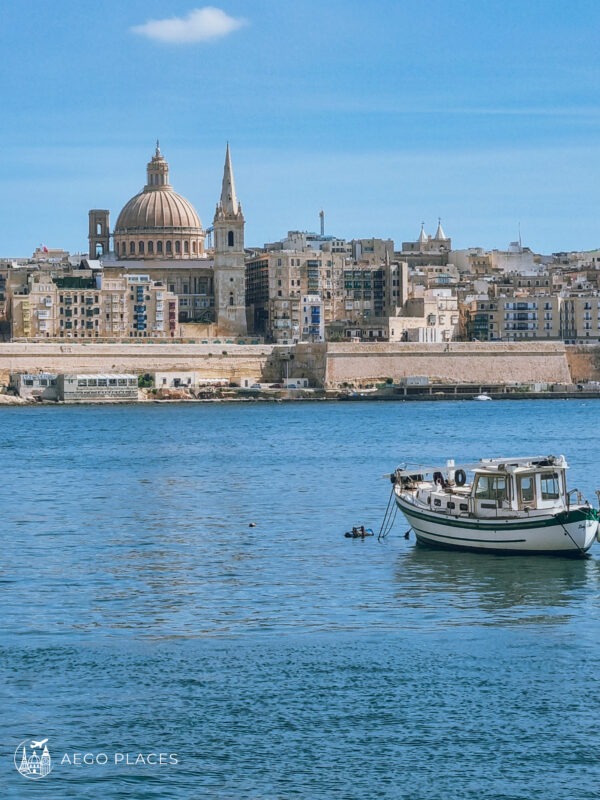
Valletta is a must-stop on your trip. From Sliema, you can reach it by bus or via a short ferry ride. From the moment you enter through the main gate, with the magnificent Triton fountain welcoming you like a portal to another era, you feel the magic of the city. The majestic knightly statues standing proudly at the entrance recall the glorious past of the Knights of Malta and make you feel like you are walking into a living open-air museum.
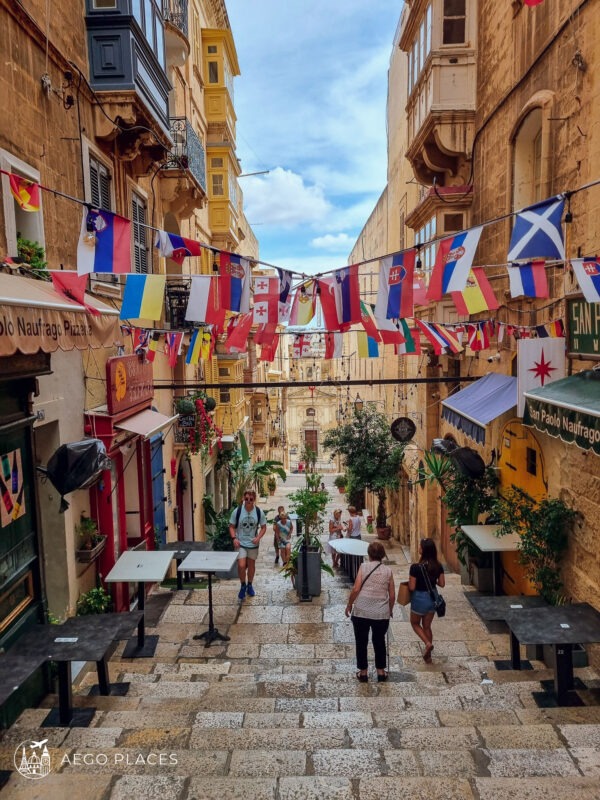
Once inside the city, the first thing you see is the modern Parliament building, designed by Renzo Piano, which blends surprisingly harmoniously into the historic setting and shows how the contemporary can coexist with the ancient. From here your walk can continue along Republic Street, lined with small shops, cafés and restaurants.
St John’s Co-Cathedral is stunning, with masterpieces by Caravaggio. Standard adult entry is €15, and it is recommended to buy tickets online in advance.
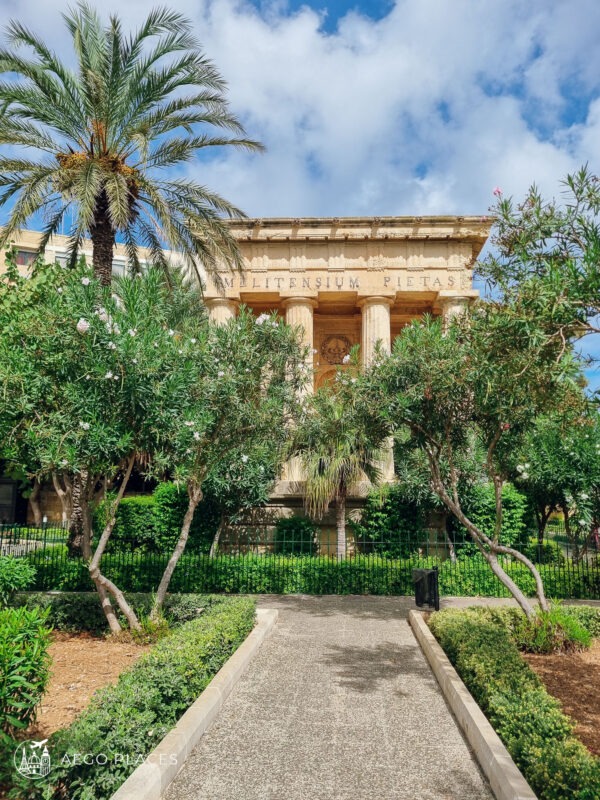
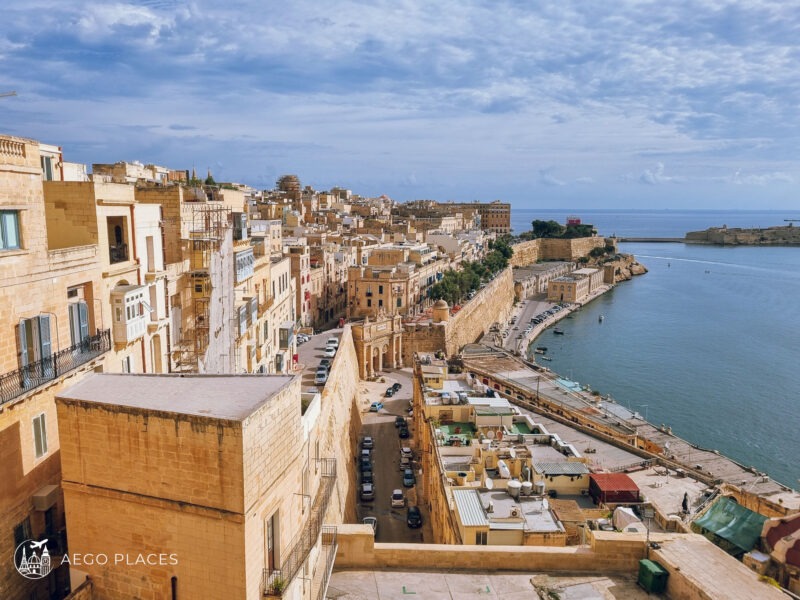
From Upper Barrakka Gardens you get one of Valletta’s most famous views – towards the Grand Harbour. The gardens are a lovely place to rest on a bench and admire the spectacular scenery. If you are there at noon, you can also enjoy the ceremonial firing of one of the cannons – a tradition dating back to the time of the knights that takes you back in history every time. Beneath the gardens, you will find a war-time museum with various interesting tours.
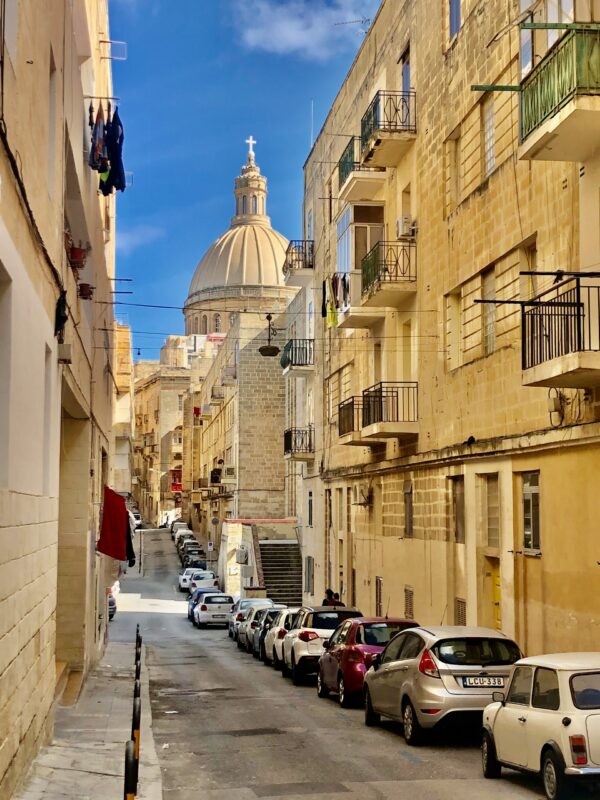
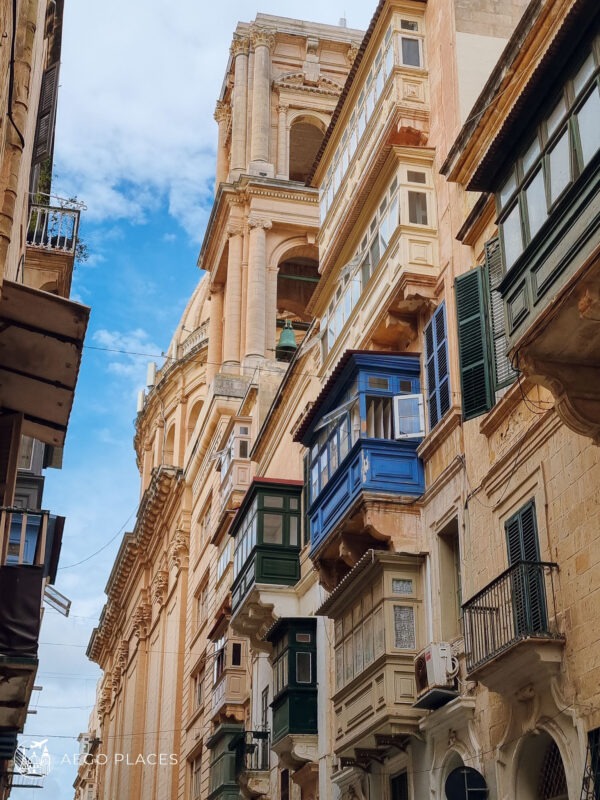
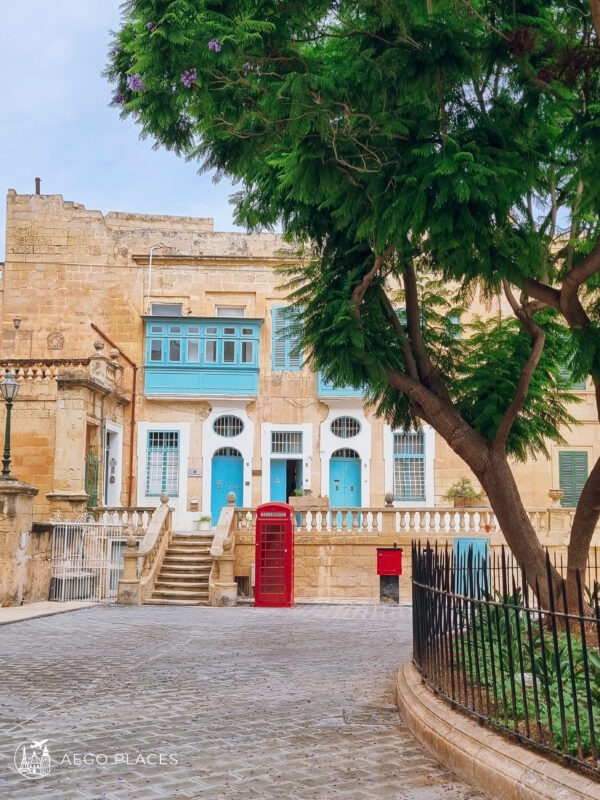
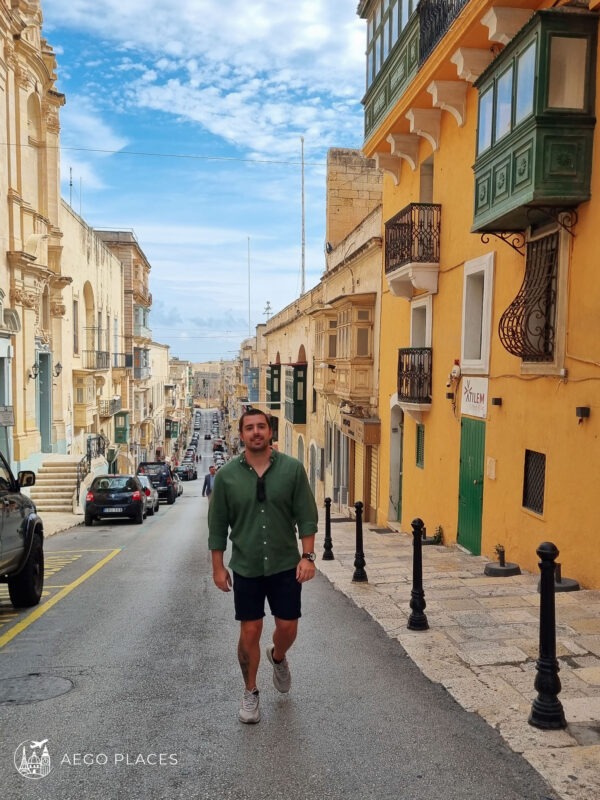
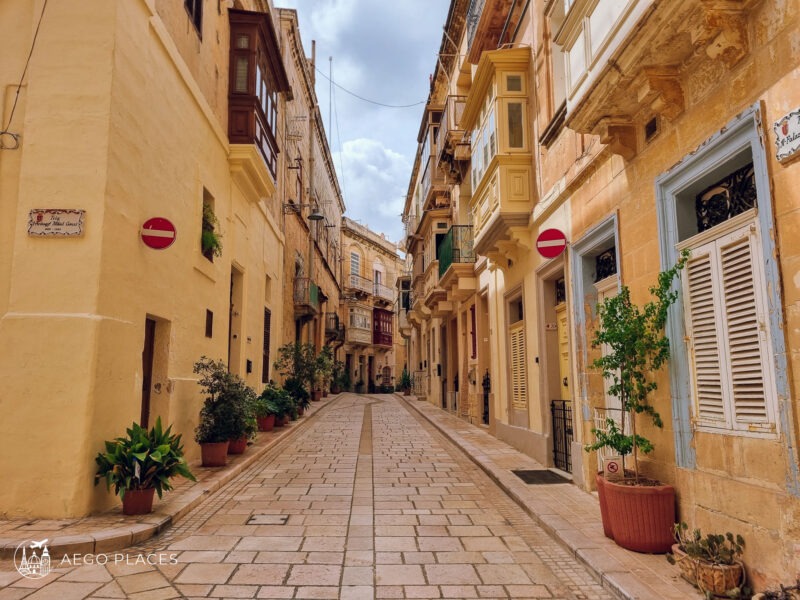
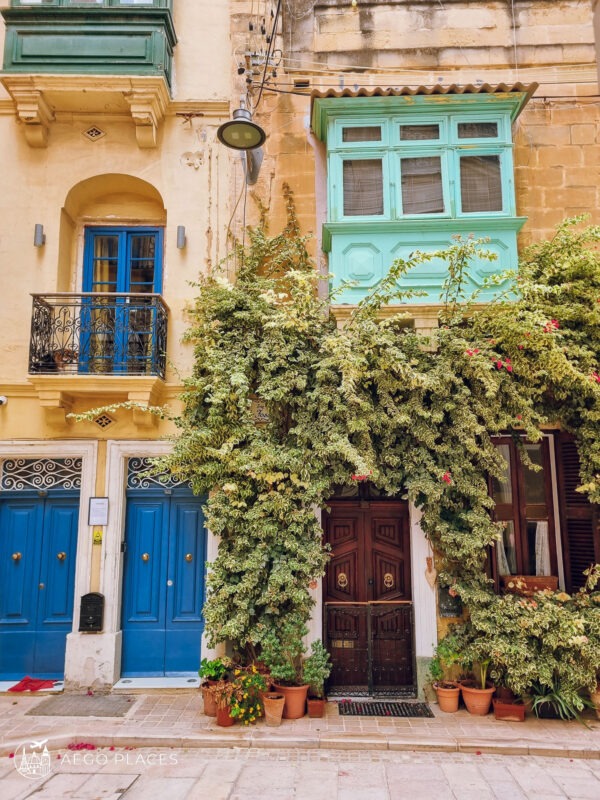
Of course, we cannot skip the residential buildings in Valletta, where you can see countless colourful balconies on yellowish limestonefaçades – Malta’s trademark. Walking around the city is fascinating whichever street you choose, and the orthogonal layout allows you to see the sea at the end of almost every street.
The Three Cities
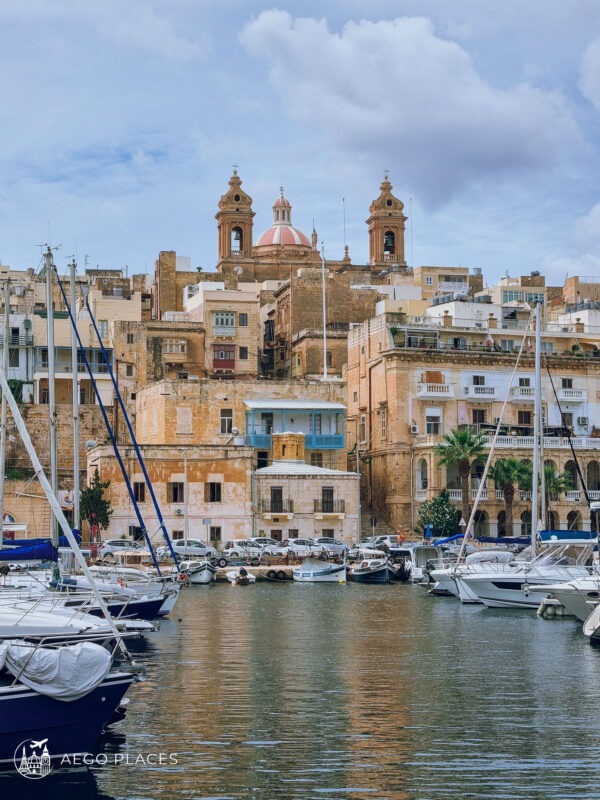
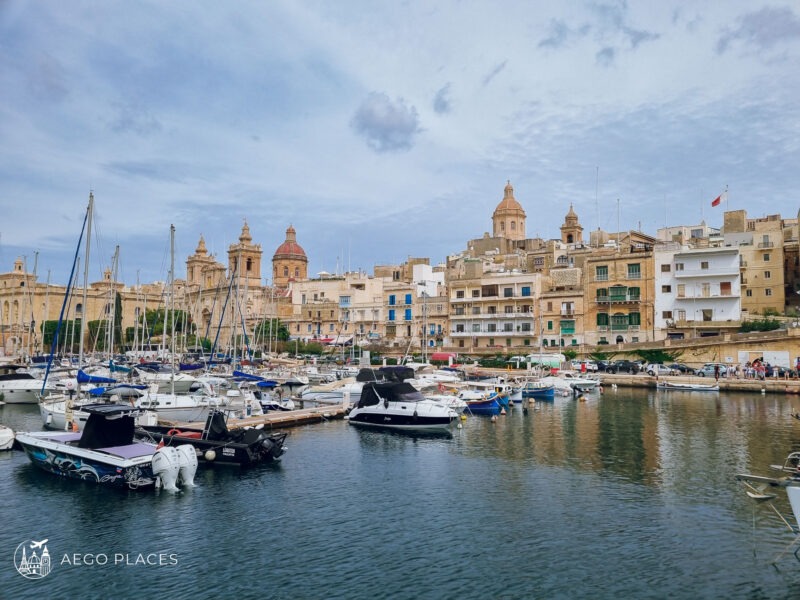
From the gardens in Valletta you can see the so-called Three Cities – Vittoriosa (Birgu), Senglea (Isla) and Cospicua (Bormla), which immerse you in a calmer atmosphere with quaint little streets leading to one of the most luxurious marinas, full of unique yachts from all over the world.
The easiest way to get there is to take the lift from Upper Barrakka Gardens down to the harbour, then catch a ferry or a traditional Maltese fishing boat to the opposite shore. Once there, interesting stops in the Three Cities include Fort St. Angelo and the Inquisitor’s Palace. If you have to choose just one of the three, we recommend Vittoriosa (Birgu).
Tip: It is best to combine Valletta and the Three Cities in a single day
Mdina and Rabat – A Journey into Medieval Malta
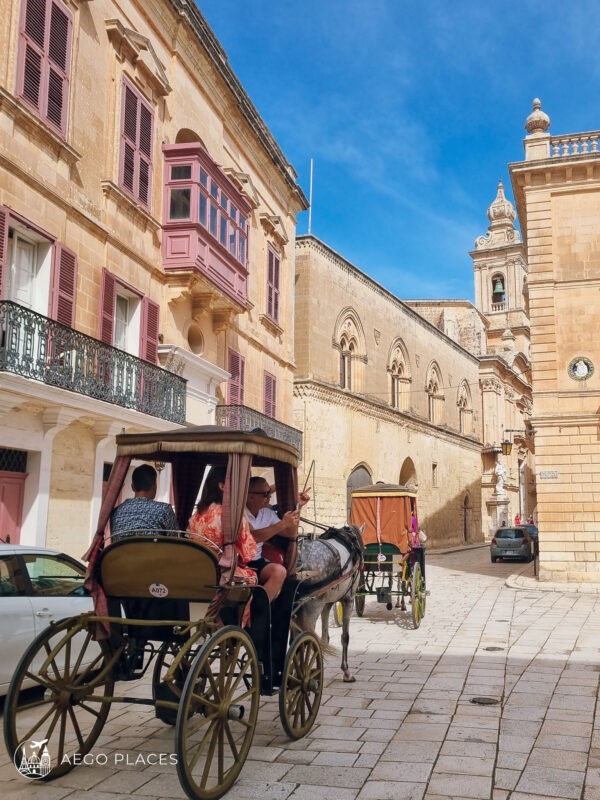
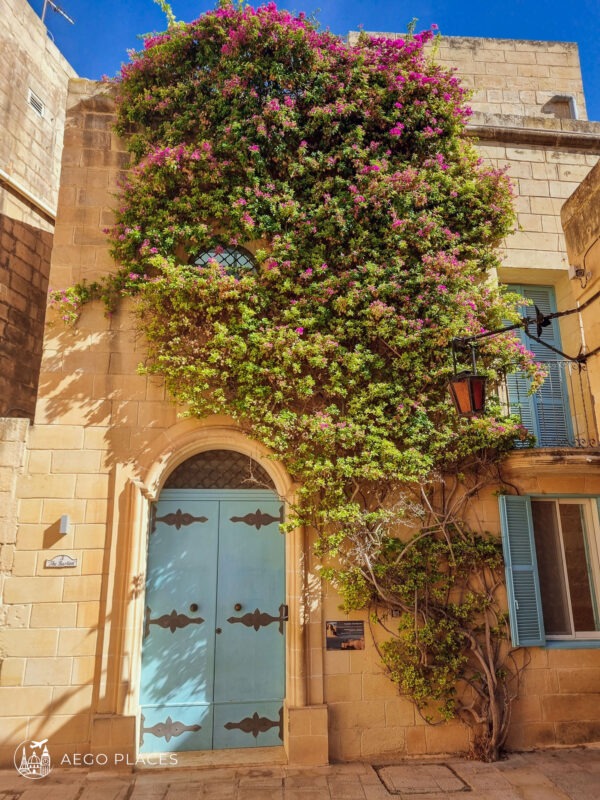
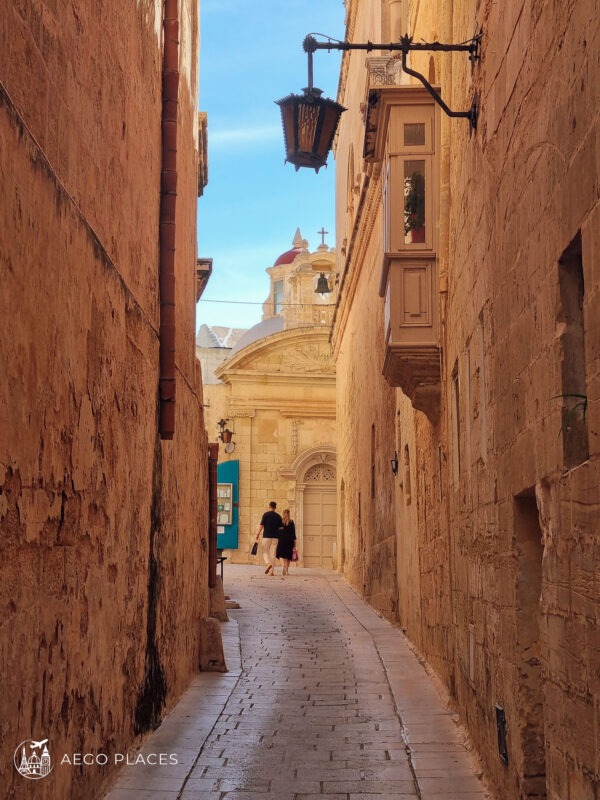
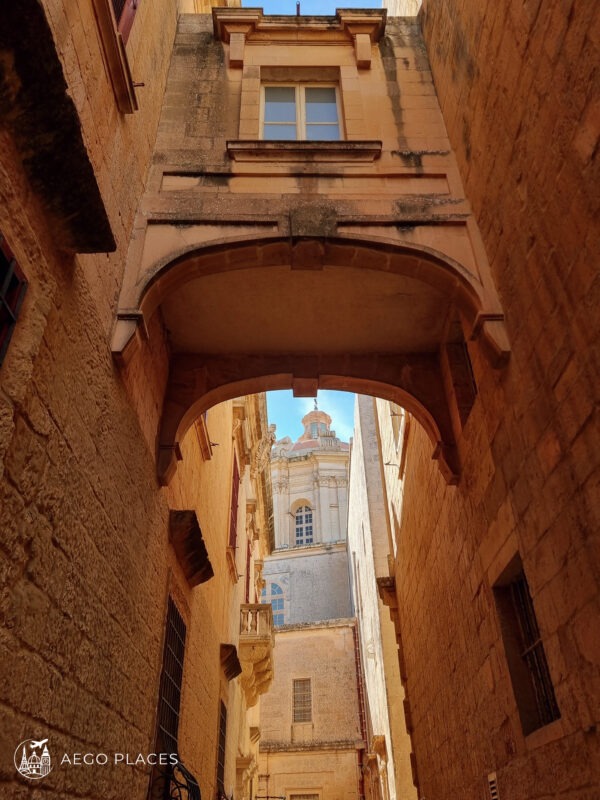
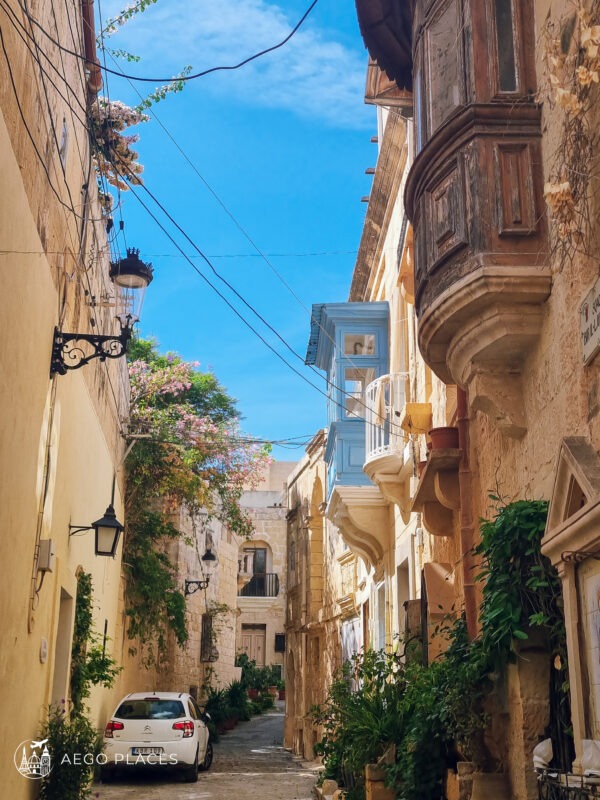
Mdina, also called the “Silent City”, is Malta’s old capital and one of the best-preserved medieval fortified towns in Europe. Perched on a hill in the centre of the island, this majestic walled city charms with narrow winding streets, baroque palaces and impressive architecture in sandy-yellow limestone.
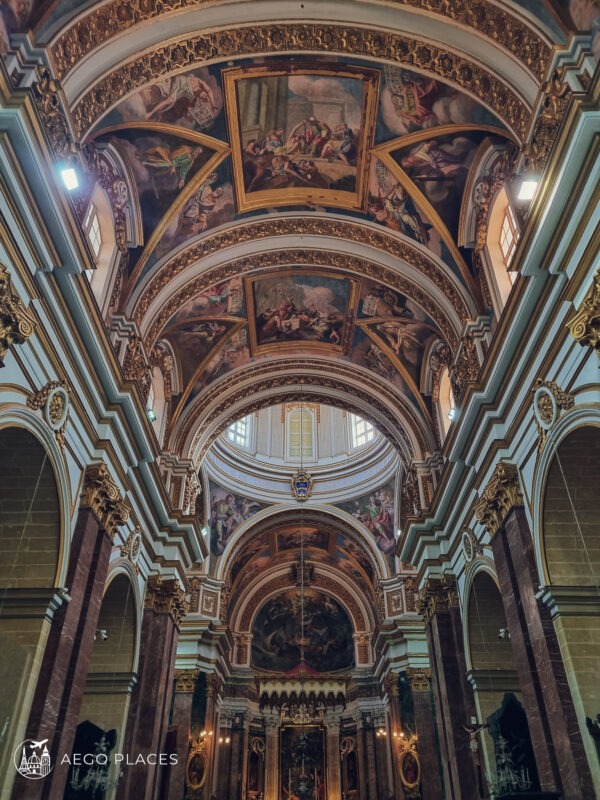
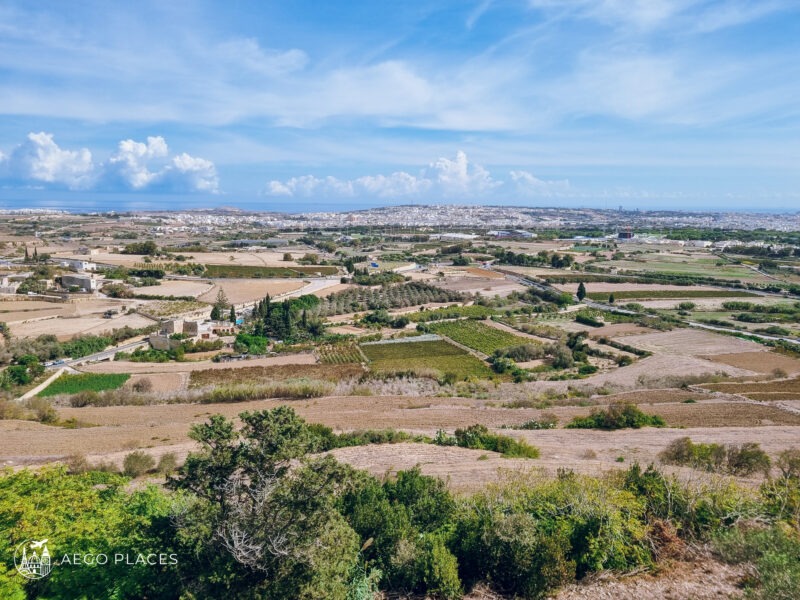
Must-sees include St Paul’s Cathedral and the city walls, which offer breathtaking views across the entire island. Do not miss Palazzo Falson – one of Mdina’s oldest buildings – and a stroll through Bastion Square. Near the entrance you can also visit a shop with traditional Maltese glassware. Visit Mdina early in the morning or in the evening, when tour groups are fewer and you can truly feel the mystical atmosphere of the quiet streets.
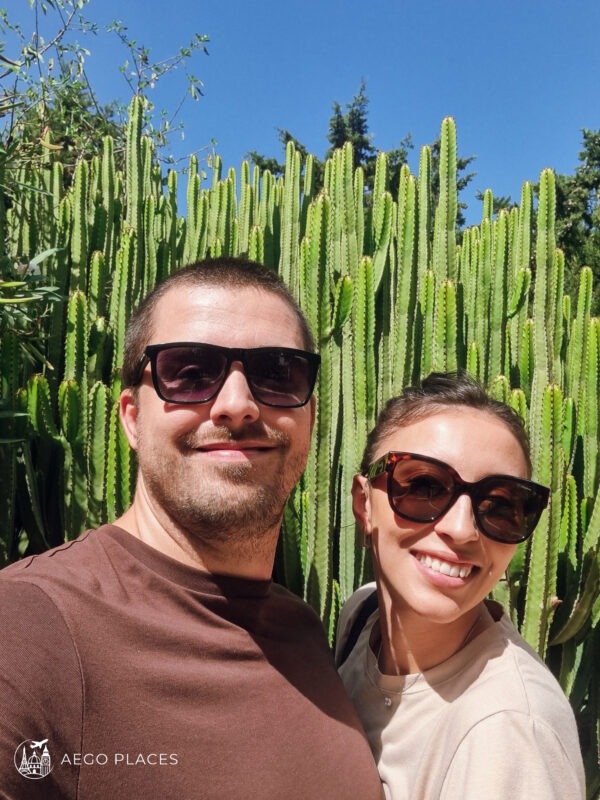
Right next to Mdina lies Rabat, technically a separate town but in practice a continuation where Mdina ends. Rabat deserves just as much attention – here you will find the impressive catacombs of St Paul and St Agatha, underground Roman tombs from the 3rd-4th century that offer a captivating glimpse into the island’s early Christianity. In Rabat you will also find more authentic restaurants with lower prices than the tourist spots in Mdina, and the local cafés on the main square are ideal for a break with traditional Maltese pastries or coffee. Crystal Palace Bar serves some of the most authentic pastizzi – crispy traditional Maltese snacks. Locals often pair them with the popular drink Kinnie – a bittersweet soda with a flavour of orange peel. Mdina and Rabat together can easily fill an entire day of exploring.
The Island of Gozo
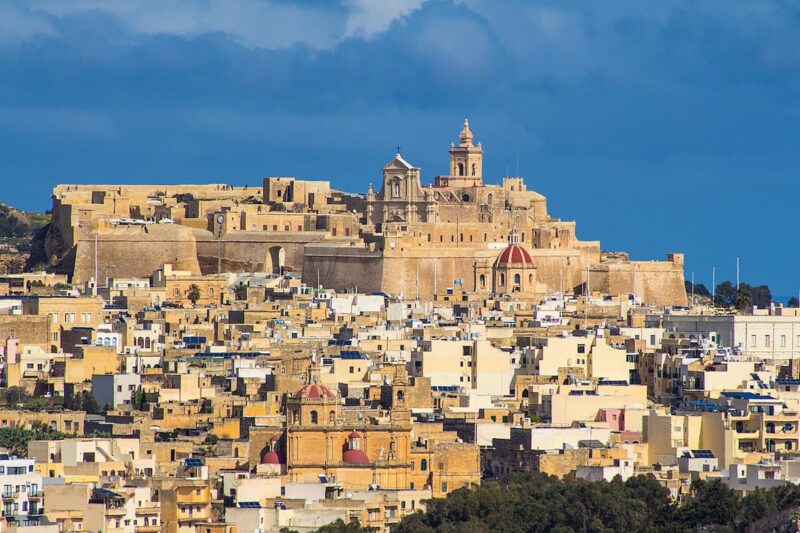
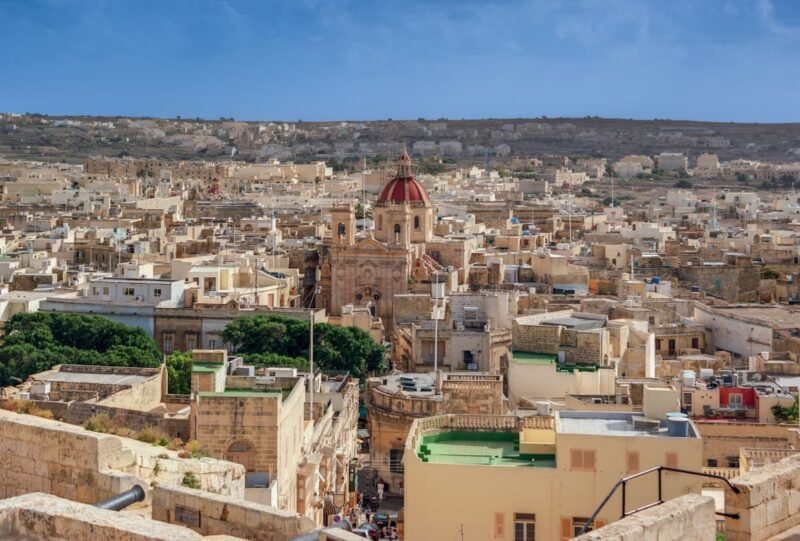
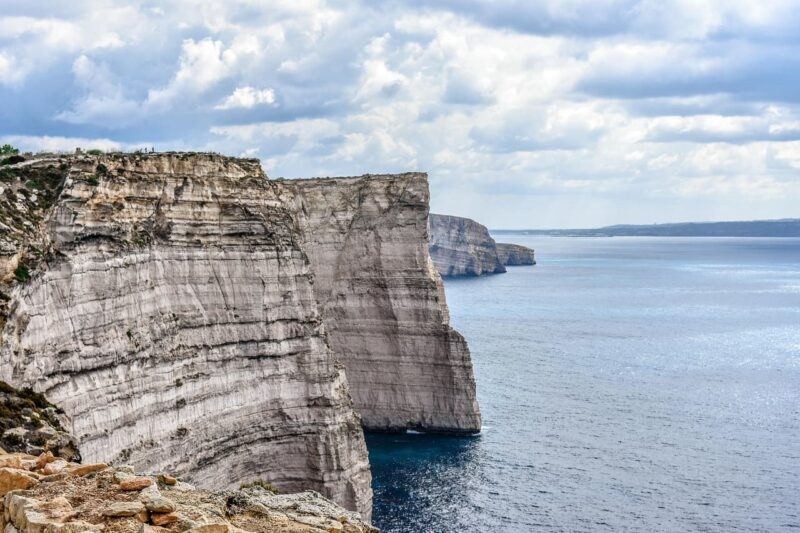
Gozo has a slower pace and a more rural feel than the main island of Malta. It is a favourite for many travellers because it combines scenic landscapes, stunning beaches, attractive viewpoints, historic sites, and a more relaxed rhythm.
A day trip to Gozo is one of the classic Malta experiences, but staying overnight can be even better for anyone who wants to enjoy the island after the day-trippers leave.
Among the better-known places are Victoria, the Citadel, coastal viewpoints, and several swimming spots.
Comino and the Blue Lagoon
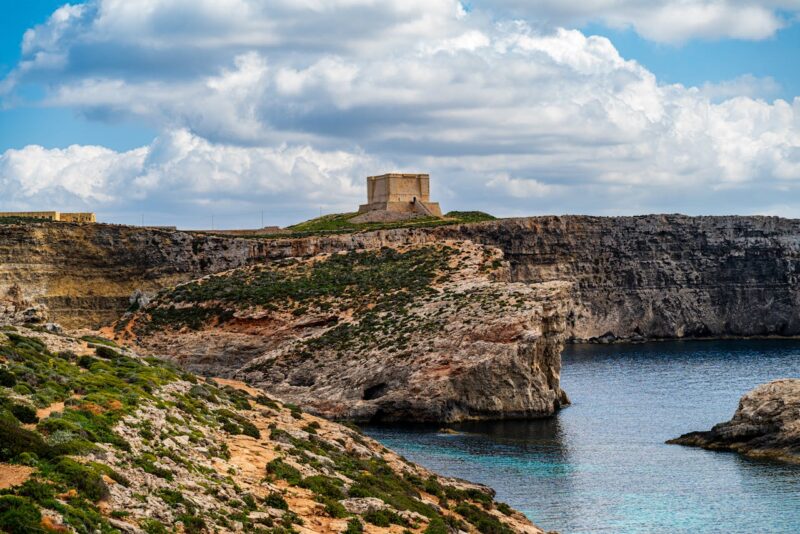
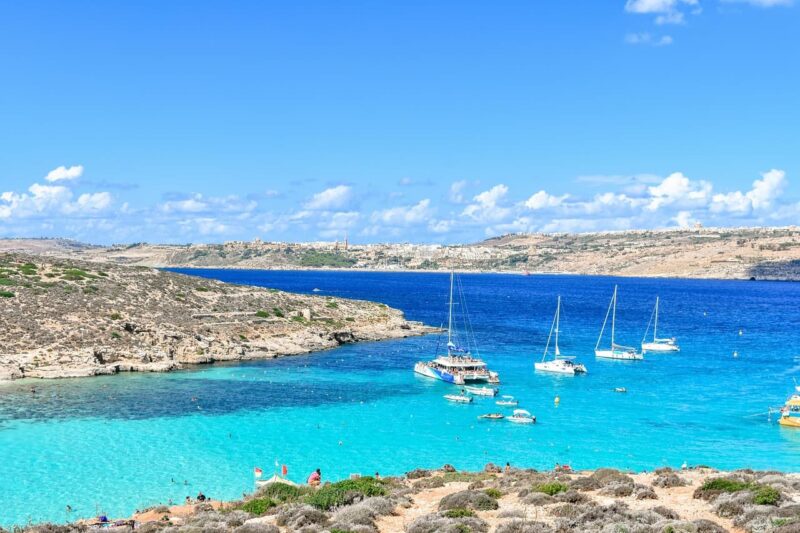
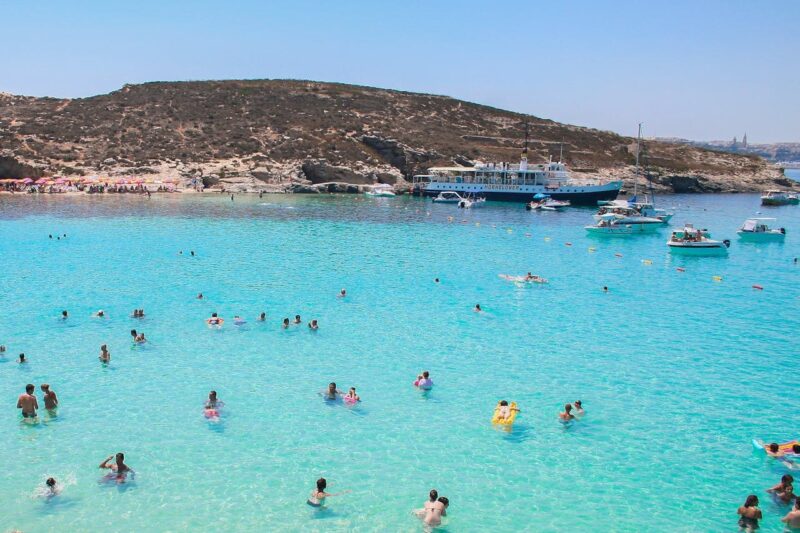
Comino is best known for the Blue Lagoon, one of the most famous swimming spots in Malta. The water here is strikingly clear and photogenic, which explains its popularity. That said, the area can become extremely crowded in peak season, especially during the middle of the day. An early visit or a trip outside the busiest months usually makes for a much better experience.
If you are looking for alternative to the Blue Lagoon, you can try Santa Marija Bay (Santa Maria Bay) . This is the most popular beach on Comino besides the Blue Lagoon, with shallow waters and a long stretch of white sand. You can reach it by a short 4×4 ride from the Blue Lagoon area for a few euros, or on foot.
You can also visit St. Niklaw Bay (St. Nicholas Bay) – just a short walk from the Blue Lagoon along a flat coastal trail, this spot has a small sandy beach with turquoise water, great for swimming or snorkeling, and it’s much quieter since most tour boats don’t stop there.
Marsaxlokk
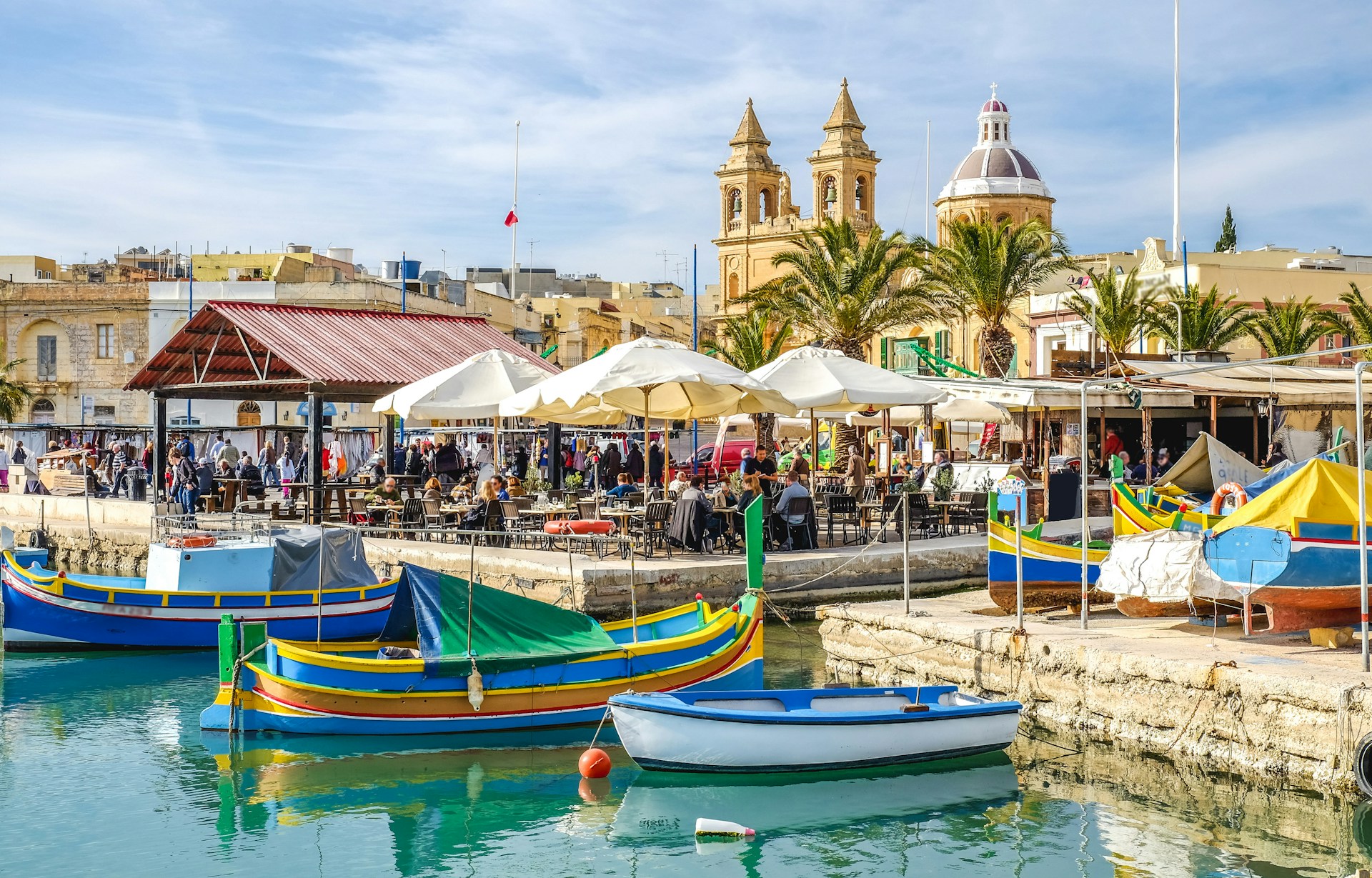
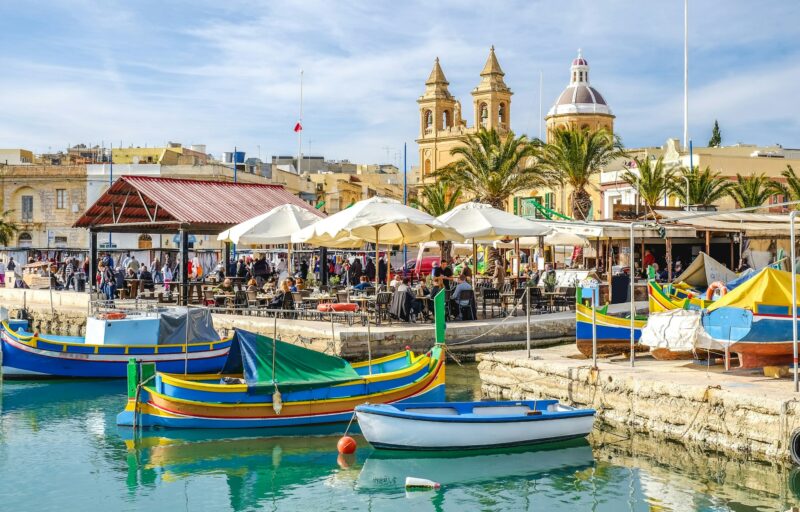
Marsaxlokk is a traditional fishing village known for its colourful boats and harbour atmosphere. It is one of the most recognisable places in Malta and works well as a more relaxed stop focused on the waterfront, seafood, and local character.
The village is especially popular on market days, although it can also feel more crowded then. Even so, it remains one of the easiest places to include in a Malta itinerary.
Other Places of Interest in Malta
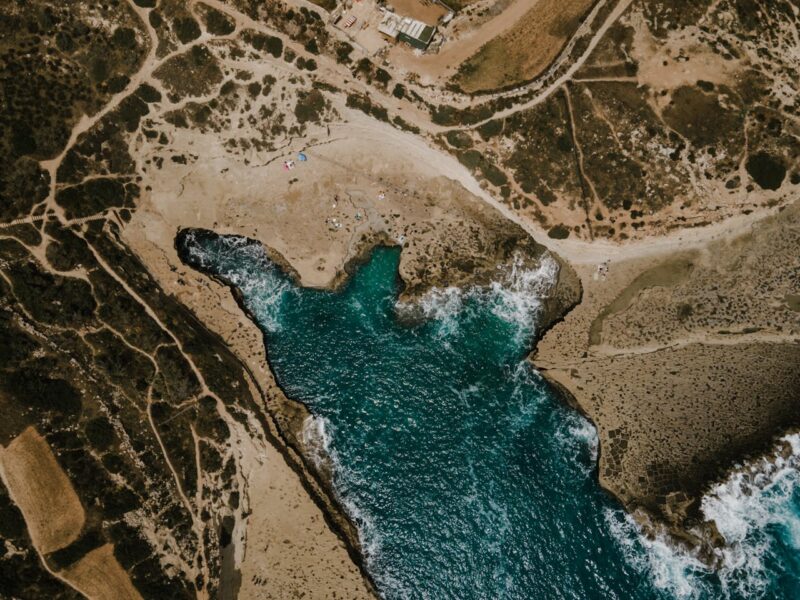
- St. Peter’s Pool – A rocky formation popular for cliffjumping. Insummer many people gather on the rocks, with music and ayouthful vibe while the brave leap into the water.
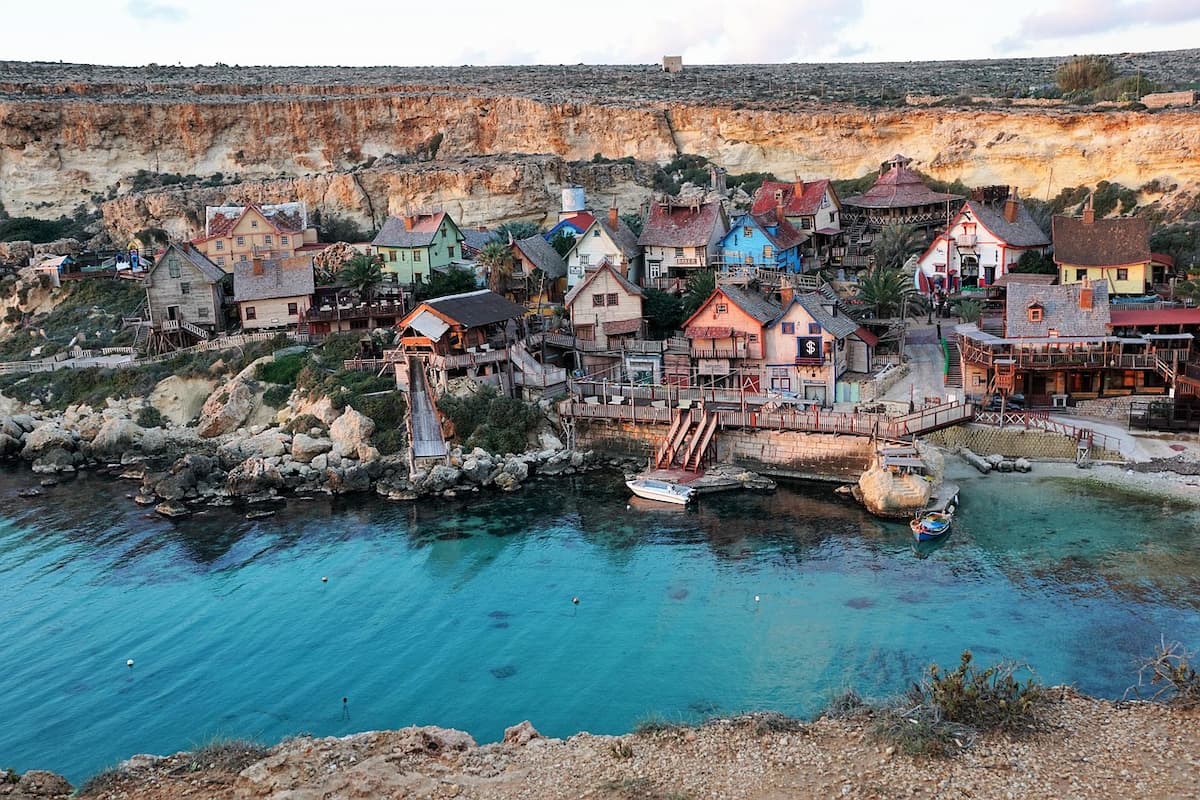
- Popeye Village – A unique tourist attraction in picturesqueAnchor Bay, near Mellieha. This is the original film set built in1980 for the musical “Popeye” starring Robin Williams. Afterfilming, the village was preserved and turned into a theme parkand open-air museum. It consists of 19 colourful wooden housesbuilt directly into the cliffs above crystal-clear water, creating afairy-tale atmosphere. For an entrance fee of about €18-20 foradults you can explore the original sets, watch short shows withcharacters from the film, wander through the houses and enjoystunning sea views.
- Ħaġar Qim – One of the most remarkable prehistoric templecomplexes in the world, a UNESCO site perched on a scenic rockyhill overlooking the sea in southern Malta, near the village ofQrendi. This megalithic temple, whose name means “StandingStones” in Maltese, dates from around 3600-3200 BC, making itolder than Stonehenge and the Egyptian pyramids.
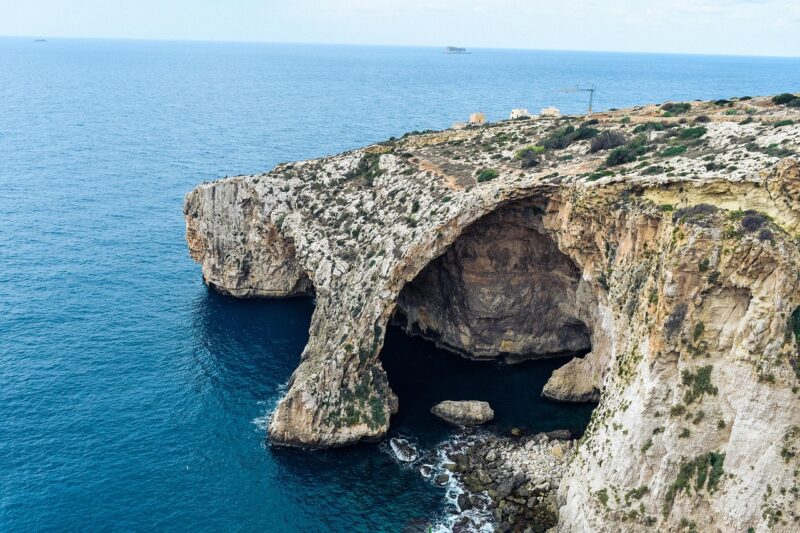
- Blue Grotto – One of Malta’s most impressive natural sights. It is actually a system of seven sea caves carved by the waves into limestone cliffs. The main attraction is the magical blue and turquoise colour of the water, created by sunlight reflecting off the white sandy seabed. From the small harbour, boats take you through the caves for around €10 (20-30 minutes), operating only in calm seas, typically April-November. The best time to visit is between 9 and 12 in the morning, when the sun lights the caves most beautifully. If the sea is rough, boats do not run, so check the forecast. Even without a boat, the view from the lookout above is spectacular.
- Mosta – A busy town in central Malta, best known for itsRotunda, the Church of the Assumption of Our Lady, which has the third-largest unsupported dome in the world (after the Pantheon in Rome and Santa Maria del Fiore in Florence). This 19th-century architectural masterpiece impresses with its 39-metre diameter dome. The interior is equally impressive, with exquisite frescoes, marble columns and beautiful stained glass windows.
- Ta’ Pinu Basilica – The most important shrine on Gozo and one of Malta’s most impressive religious buildings. Standing alone among fields near the village of Gharb, this magnificent neo-Romanesque church with its bell tower dominates the landscape. The interior impresses with marble columns, mosaics and stained glass. Entry is free, but dress respectfully. Climb the steps behind the church to the small hilltop chapel for panoramic views of the basilica and surroundings; sunset is especially magical. Ta’ Pinu lies on the way to Dwejra and can be easily combined with a visit there

Best Beaches in Malta and Gozo
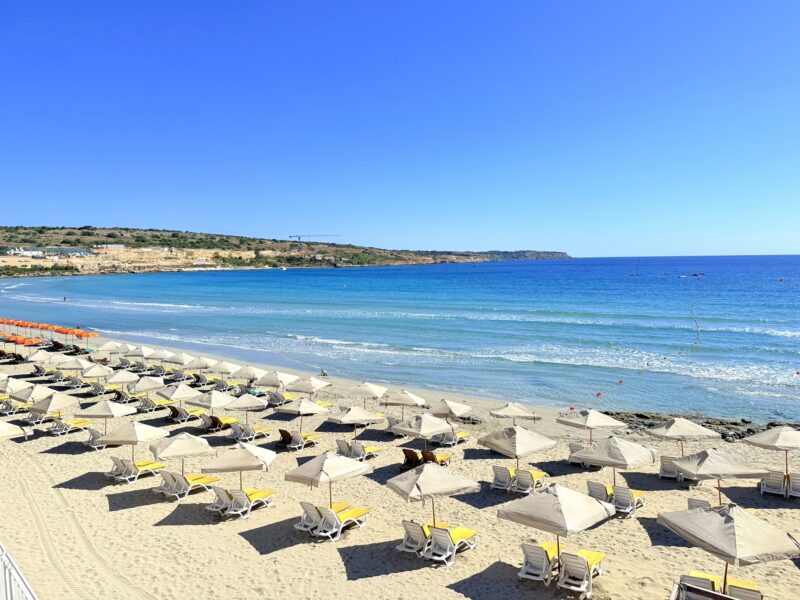
Although Malta is best known for its rocky coastline and stoneplatforms, the island also boasts several beautiful sandy beachesworth visiting.
The largest and most popular is Mellieha Bay (Ghadira Bay) in thenorth – wide, shallow and ideal for families with children, with finegolden sand and calm water. It is in the northern part of Malta, rightnext to the town of Mellieha.
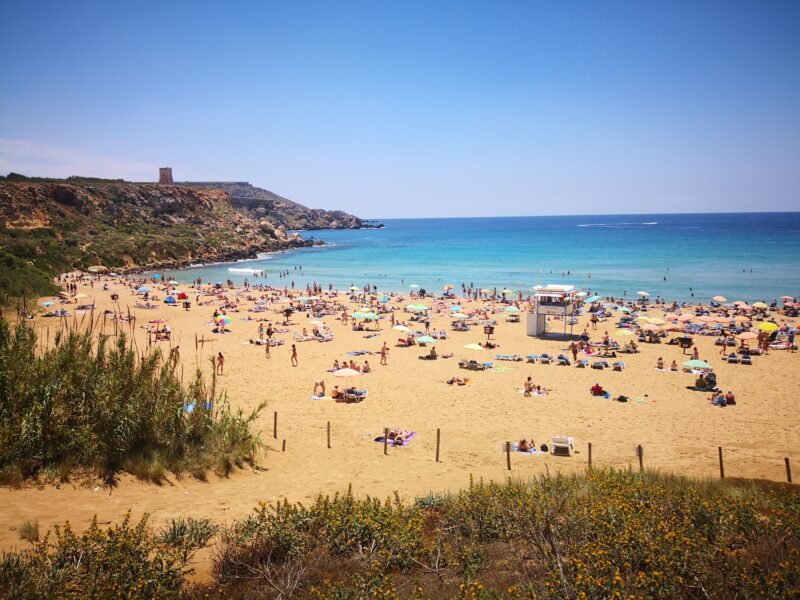
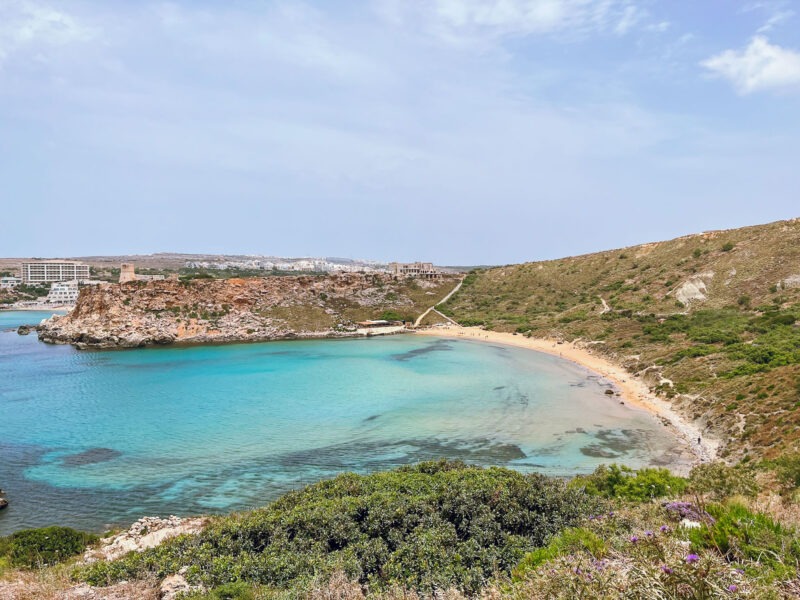
In the northwest of the island, you will find two of the most picturesque beaches – Golden Bay and Għajn Tuffieha (Riviera Beach), surrounded by reddish cliffs and offering spectacular sunsets. Golden Bay is more accessible and equipped, while Riviera Beach is quieter and more unspoiled but harder to reach, with many steps down.
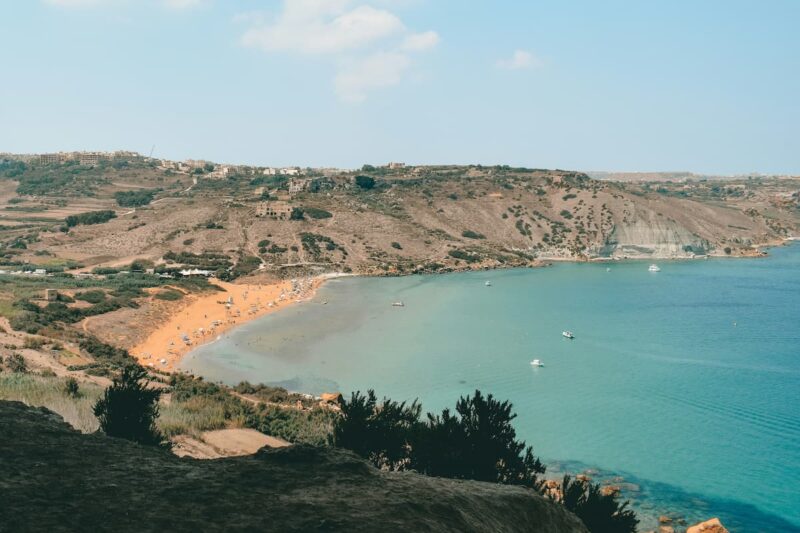
If you are planning to spend a beach day in Gozo, definitely visit Ramla Bay – Gozo’s Most Famous Beach. Ramla Bay is a wide bay with unique reddish-gold sand, framed by green hills. The name “Ramla” means “sand” in Arabic, and the unusual colour comes from the high iron content. The beach is relatively shallow and calm, ideal for families, with crystal-clear turquoise water. From the beach you can see Calypso Cave high in the cliffs – according to legend, the nymph Calypso kept Odysseus here forseven years.
Tip: During the busy summer season, it is better to go on weekdays,as beaches can quickly get overcrowded at the weekend. Also, if you choose rocky or pebbly spots, bring water shoes.
Best Museums in Malta
Despite its small size, Malta packs in an impressive concentration of history and culture. Here are the museums worth making time for:
- National Museum of Archaeology – Located on Republic Street in Valletta, this museum holds a unique collection of artefacts excavated across the islands, offering insight into Malta’s prehistory, including the famous “Sleeping Lady” figurine. A must for anyone curious about Malta’s ancient Neolithic temple-building civilization.
- Grandmaster’s Palace and Armoury – Located in Valletta, this museum houses one of the most extensive collections of arms and armor in Europe, showcasing weapons, suits of armor, and artifacts from the era of the Knights of St. John. The State Rooms, when open, add extra grandeur to the visit.
- MUŻA – Malta National Community Art Museum – One of Malta’s top-rated museums, celebrating both local and international art, and a must-visit for art enthusiasts. It’s located in Birgu, reachable by ferry or taxi.
- National War Museum (Fort St. Elmo) – Situated in Fort St Elmo, this museum is full of history, from the fortress’s pock-marked granaries to the small chapel where the Knights of Malta fought during the Great Siege. Exhibits span from the Bronze Age to modern history, including armour used by the Order of St John and the Ottoman Turks. Don’t skip the fort’s views over the Grand Harbour afterward.
- St. John’s Co-Cathedral – Built as the conventual church of the Knights, its stark exterior gives no hint of the stunning interior, adorned by celebrated European artists to reflect the order’s military and religious power. Its nine chapels, eight dedicated to the patron saints of the Knights’ languages, make it one of the finest examples of Baroque architecture in Europe.
Support our blog
If you find this guide useful and would like to support our blog, you can buy us a coffee or use our affiliate link to Booking.com. You will get great booking options, while your booking helps us continue sharing free travel guides and practical tips for hundreds of destinations around the world.

Related posts
Malta holds a special place in our hearts because we had the opportunity to spend around six months there and get to know much of the island’s character and diversity. It is one of those places we cou…
Sofia, Bulgaria’s capital and largest city, is one of Eastern Europe’s most interesting and underrated destinations. Its appeal lies in its mix of ancient ruins, impressive churches, lively streets an…

Alsace is one of France’s most beautiful and underrated regions, combining French charm with Germanic architecture, excellent food and a long-standing wine-making tradition. The region is famous for i…
November is a month most of us associate with cold weather, short days and work. Trips are probably one of the last things people plan for November. Fortunately, this is also the time of year when som…
As we have mentioned many times on our blog, Vienna is one of our favorite European cities – clean, elegant, well organized and exceptionally easy to explore. There is one time of year when we love it…
From sun-drenched Mediterranean villages to snow-capped Alpine peaks, hilltop castles, storied medieval towns, and spectacular fjords, Europe offers an unrivaled range of romantic destinations for cou…
Dalmatia is a coastal region in southern Croatia, home to many of the country’s best-known sights, most beautiful beaches, islands and seaside resorts. We visited Croatia as part of a wider Balkan roa…
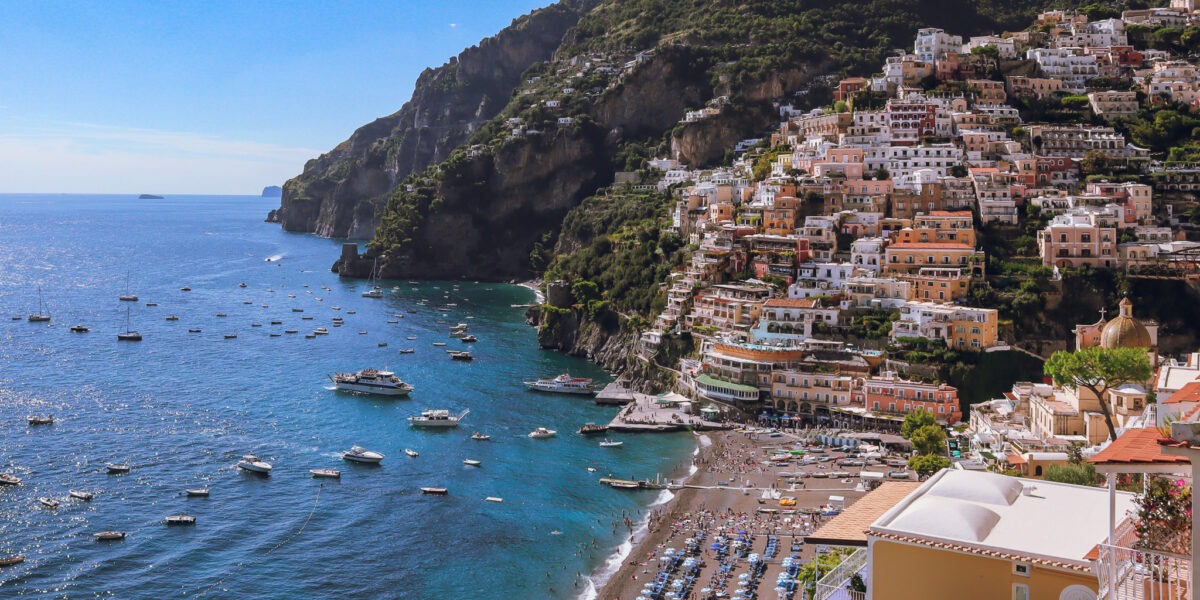
The Amalfi Coast, located along the southern shore of the Sorrento Peninsula in Italy, is one of the most picturesque and enchanting places in the Mediterranean. This 50-km stretch, a UNESCO World Her…