
In April, we visited one of the most beautiful cities in Central Asia – Samarkand, Uzbekistan. This visit was part of a larger tour of Uzbekistan, where we also explored Bukhara, Khiva, Shakhrisabz, and Tashkent. In this post, we’ll share our experiences and tips on what to see and what to look out for.
A Brief History of Samarkand
Samarkand is the third-largest city in Uzbekistan, after the capital, Tashkent. It is one of the oldest cities in Central Asia, alongside the neighboring city of Bukhara, and existed even during the conquests of Alexander the Great. In the 7th century, the city was captured by the Umayyad Caliphate and became an important cultural center for the development of Islam, as well as a key stop on the Silk Road, from which it drew its wealth.
During the Mongol invasions of Genghis Khan, the city was completely devastated; the ruins of the old city, then called Afrasiab, can still be seen today. Later, the ruler Timur revived the city, making it one of the centers of the newly formed Timurid Empire. Subsequently, Samarkand became one of the most beautiful and wealthy cities in the world. At the end of a 19th century, the city was captured by the Russian Empire, and a century later it became part of the Uzbek Soviet Socialist Republic. Today, it is part of the independent state of Uzbekistan.
When and How to Visit Samarkand
The best times to visit the region are spring and autumn. Winter can be unpredictable and cold, and the summer heat is unbearable. If you are traveling from Europe, the easiest way to reach Samarkand is by a direct flight from Istanbul. Besides Turkish Airlines, the company Air Samarkand also operates daily flights.
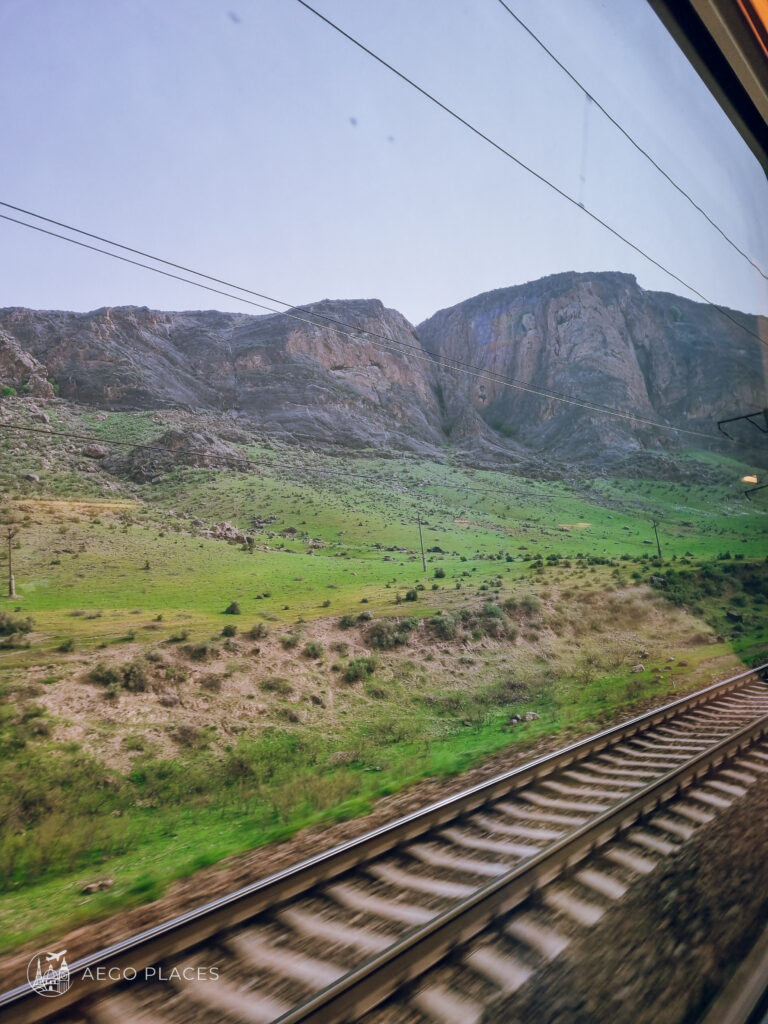
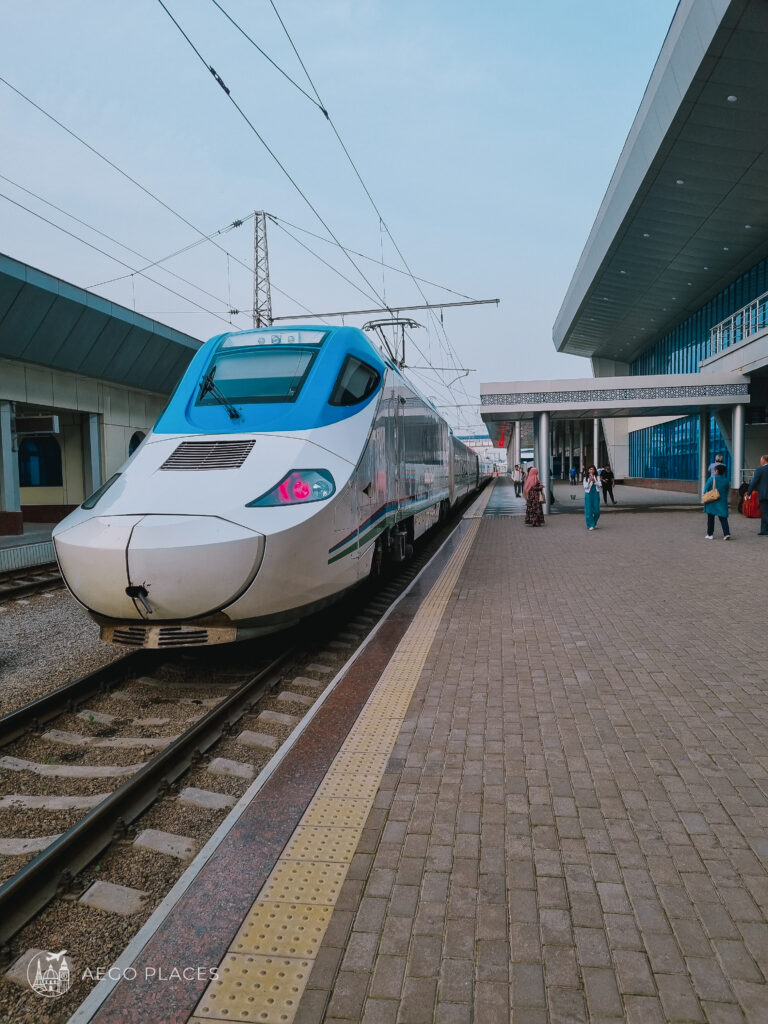
In our case, since there were no affordable direct flights to Samarkand, we flew from Istanbul to Tashkent, the capital of Uzbekistan. From there, a fast and modern train takes you to Samarkand in about two hours at a very good price.
If you want to train tickets online, we highly recommend 12asia.go – it is the most reliable way to purchase tickets and check schedules when traveling in Asia.
What to Know Before Visiting Samarkand
These rules apply not only to Samarkand but to Uzbekistan in general.
Bring Cash
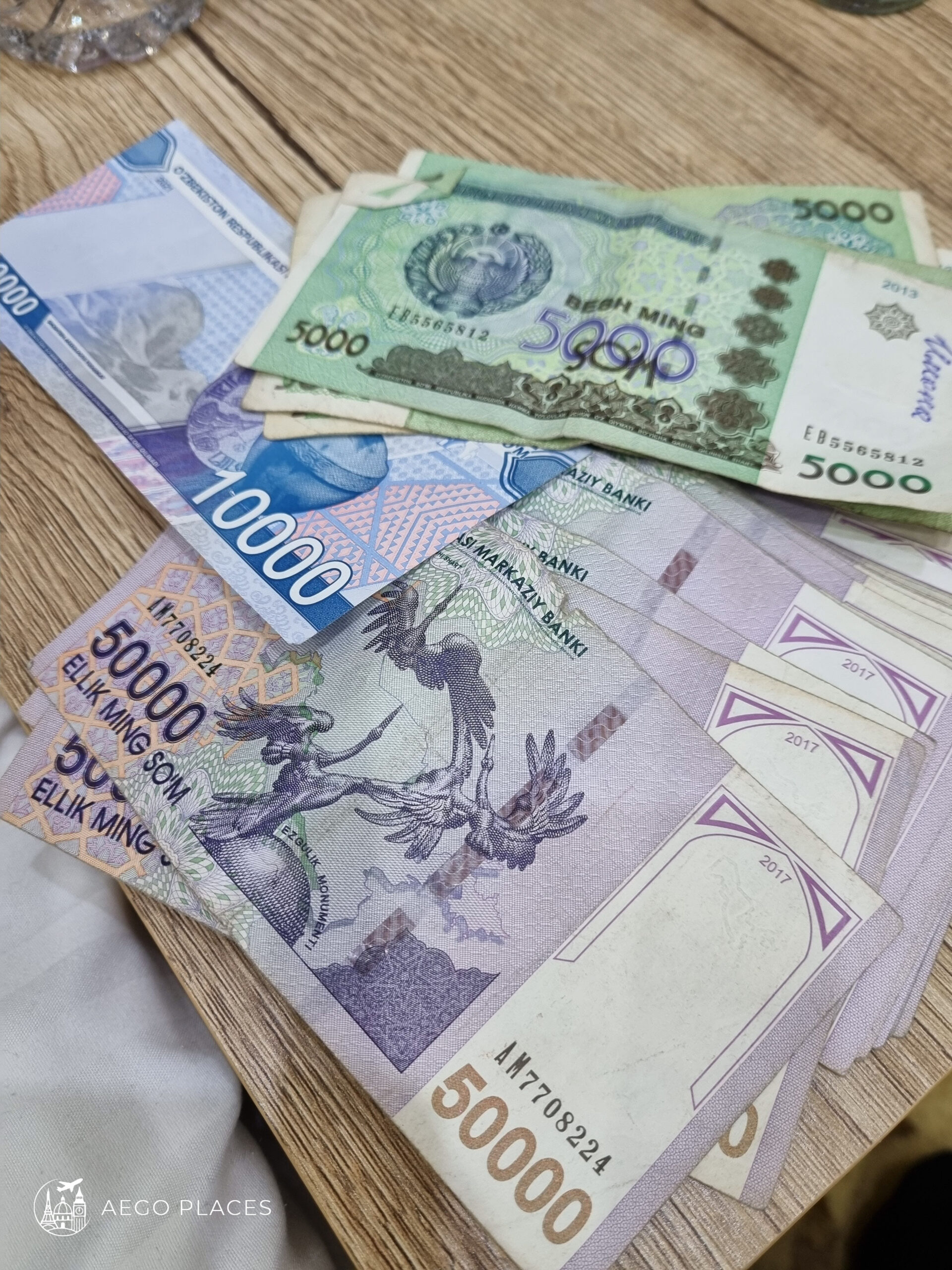
It’s best to have cash on hand. Although some places accept cards, cash is widely preferred. Since the local currency (som) is difficult to obtain abroad, we advise you to bring US dollars, as they are the most sought-after and offer a better exchange rate than the euro. It’s best to exchange money at a bank, but keep in mind that no banks are open on weekends, and there are often long queues. Make sure your wallet is big enough, because due to the weakness of the currency, you’ll need to carry quite a few banknotes with you. Also, be very careful with prices — it’s easy to forget or miss a zero.
Accommodation
When booking a hotel in Samarkand, make sure it has good and authentic reviews. The city offers many accommodation options, but some can be a bit dubious. I stayed in a hotel very close to Registan Square and strongly advise looking for a central location.
Getting Around the City
As with other places in Uzbekistan, we recommend using the Yandex Taxi app. Most cars are old and mediocre, but considering the price, it’s perfectly fine. We found a taxi driver with whom we toured most places for a fixed amount.
Communication
In Central Asia, very few people speak English, mainly the younger generation in large cities. Besides the local Uzbek language, the most widely spoken language is Russian. I studied Russian in school and understand it well, which was extremely helpful when communicating with the locals.
Conservative Dress
To avoid strange looks, we recommend avoiding extravagant clothes, short skirts and dresses for women, or shorts for men. Uzbekistan is a Muslim and relatively conservative country, and exposed thighs and shoulders are not looked upon favorably.
What to See In and Around Samarkand
Most of the attractions are located close to each other. For example, the first four sights, from Registan Square to the Hazrat Khizr Mosque, can be visited on foot in just a few hours.
Registan Square
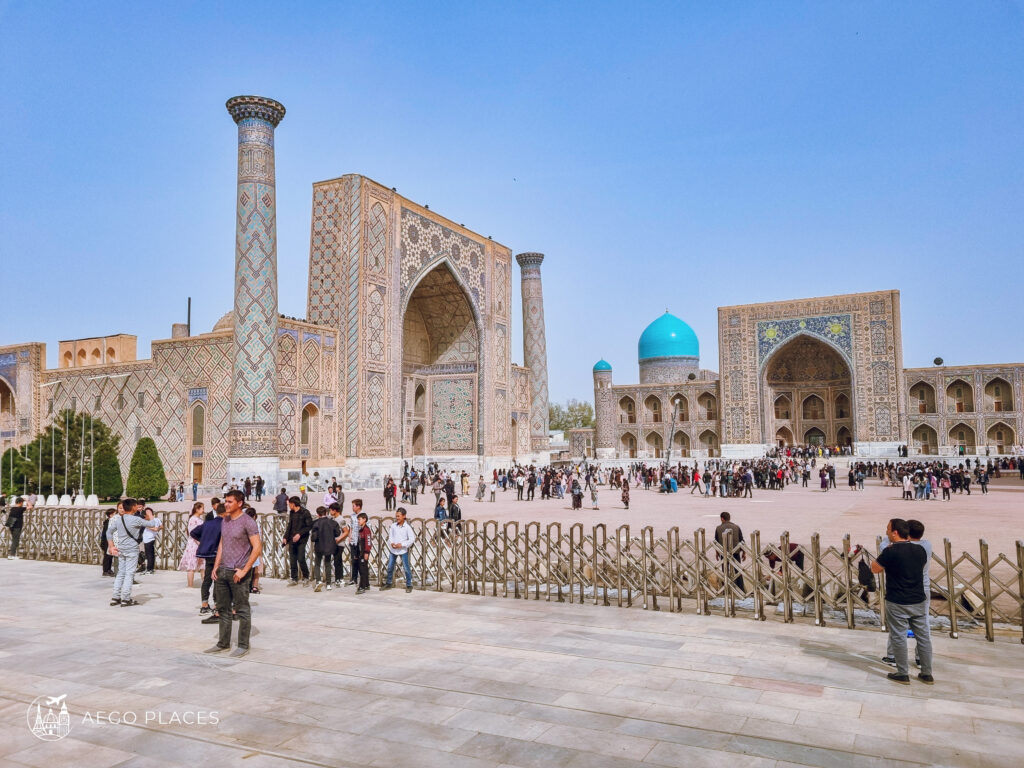
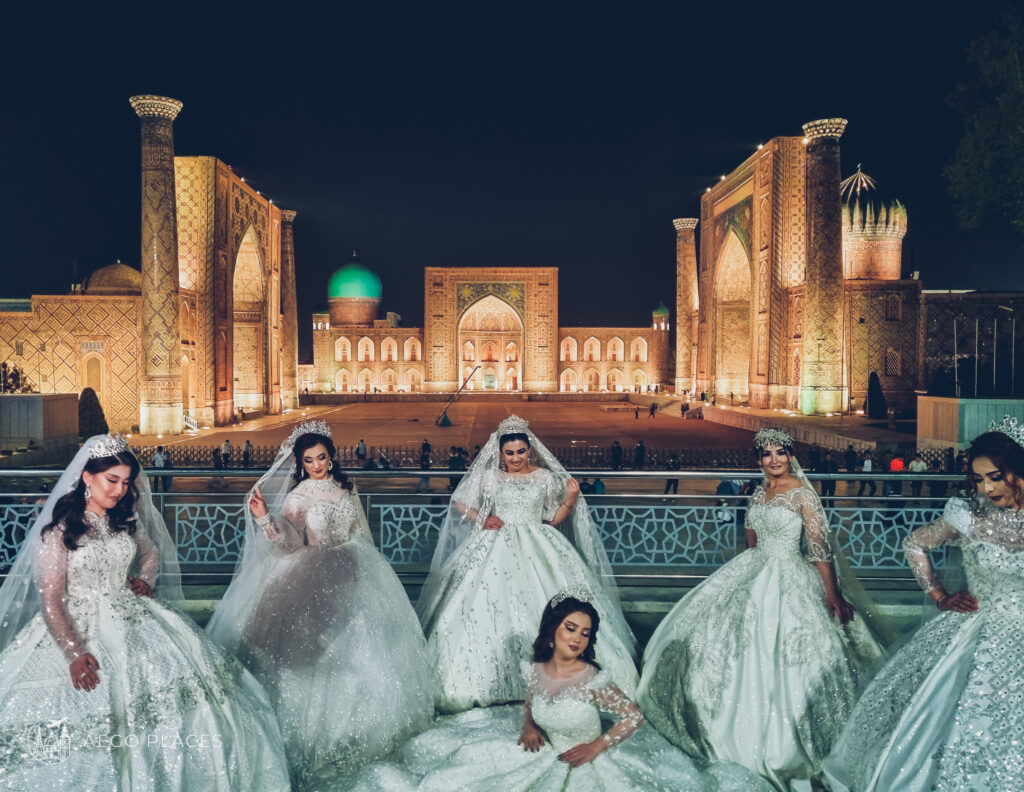
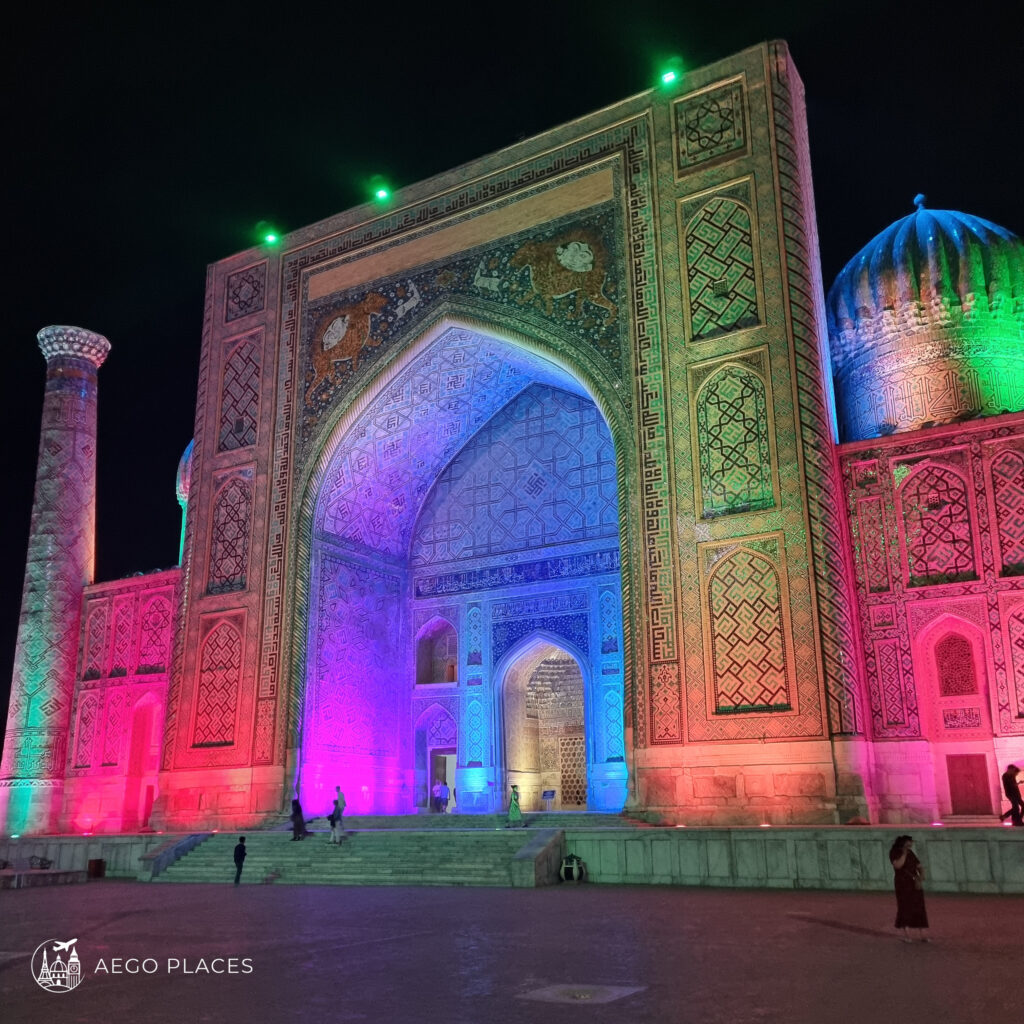
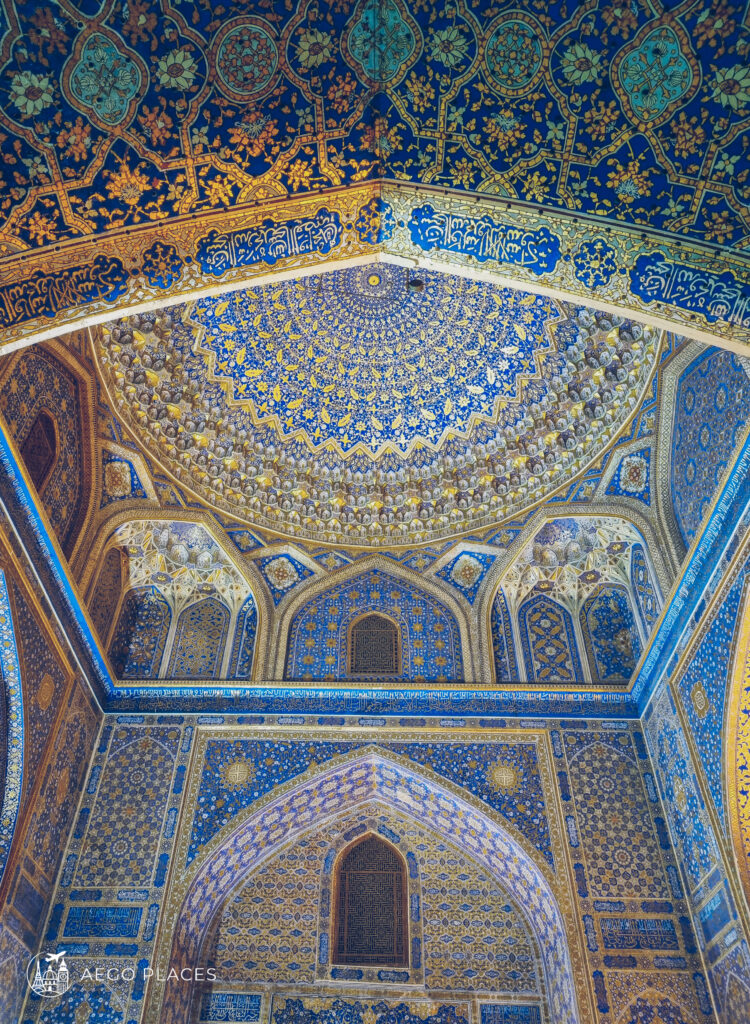
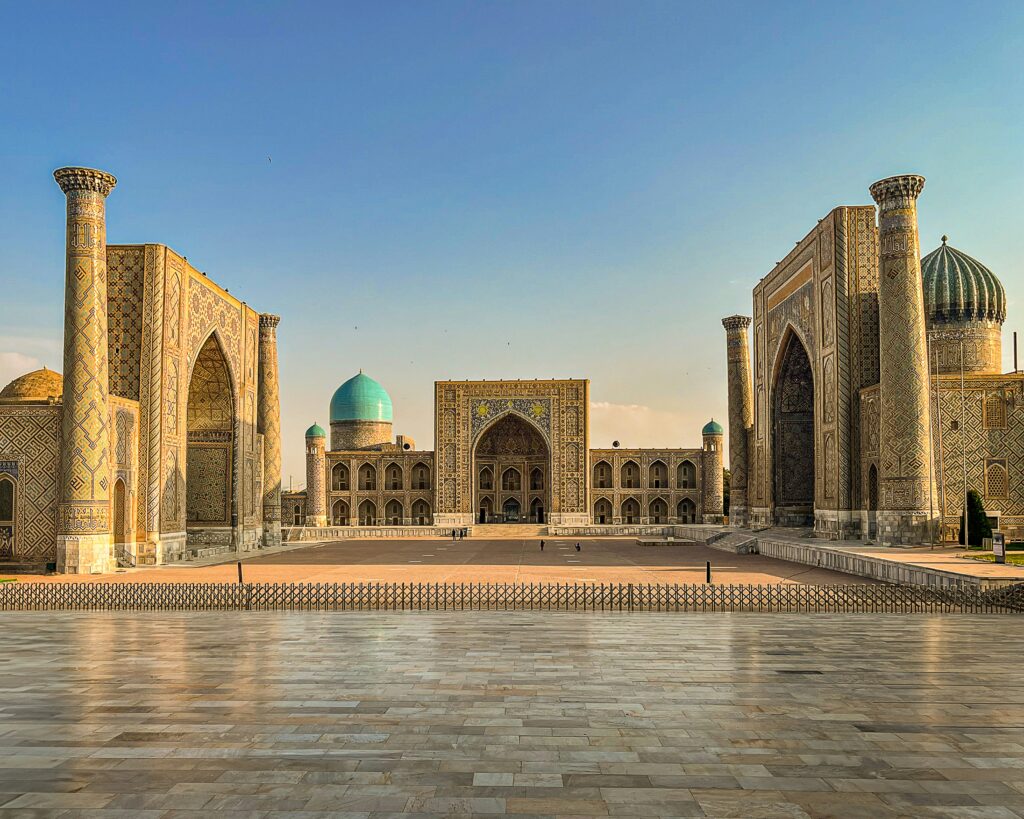
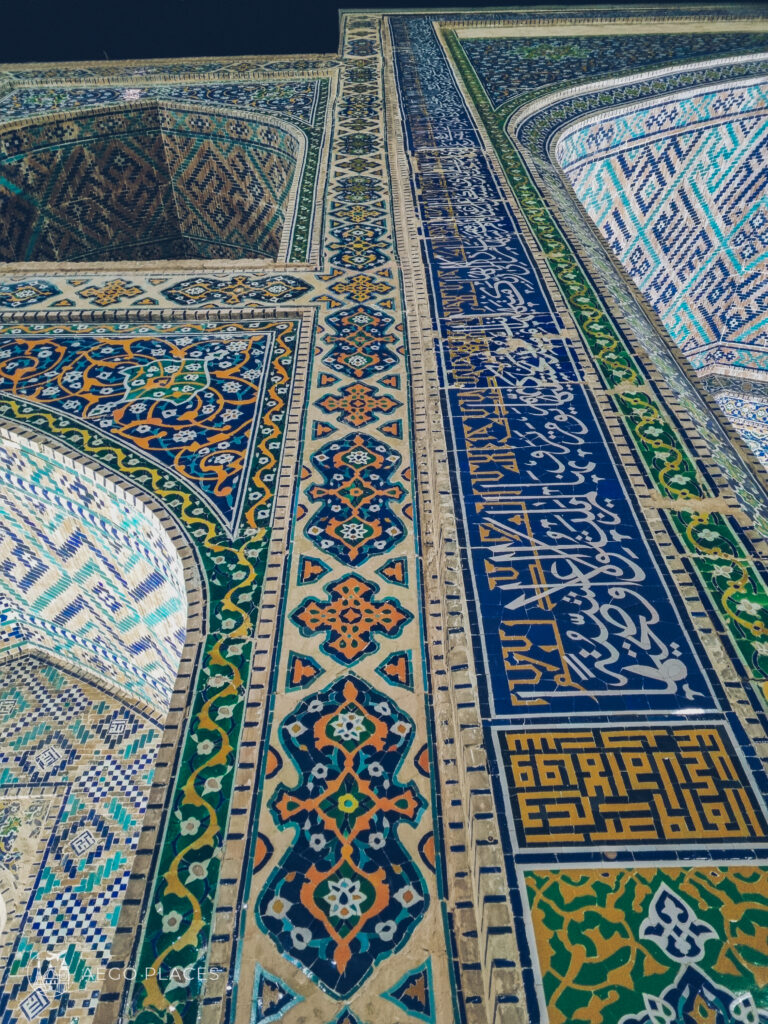
You have to start with the biggest attraction and the symbol of Samarkand—Registan Square, in the heart of the city. The square features three madrasahs (Islamic schools) decorated in Persian style, which give the vast space a unique look. All three are open to tourists, and we were so impressed that we visited them twice. The entrance fee for foreigners is about €6–€7. We definitely recommend visiting in the evening as well, when the facades of the madrasahs are illuminated, making the place even more magical.


Bibi-Khanym Mosque
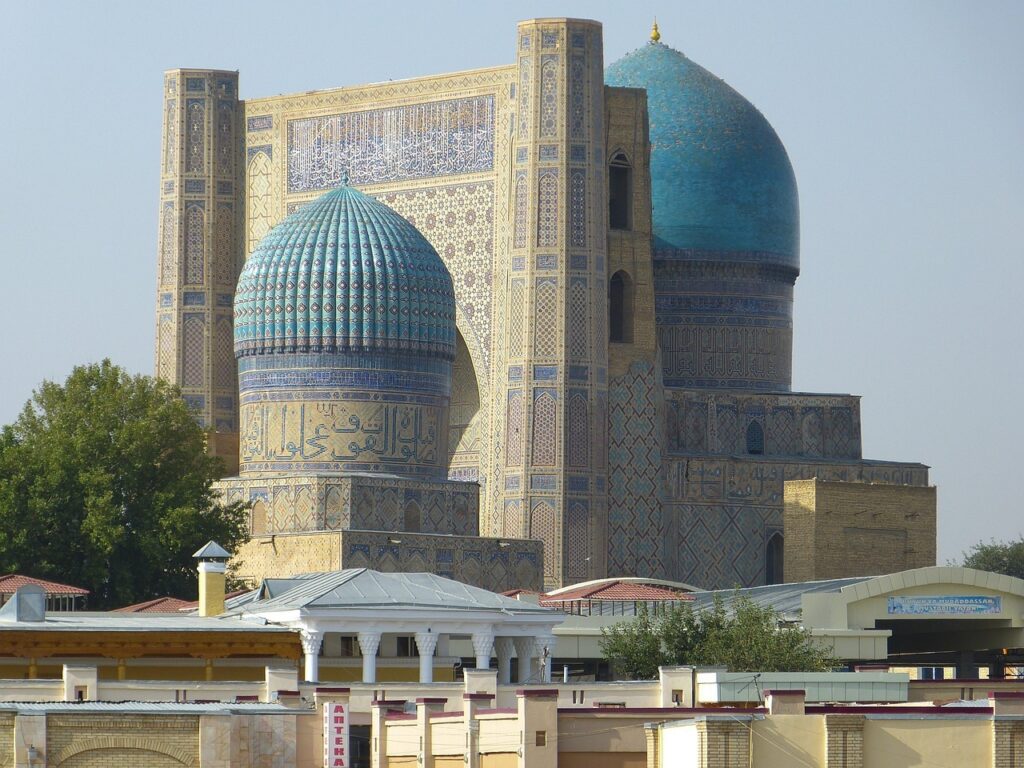
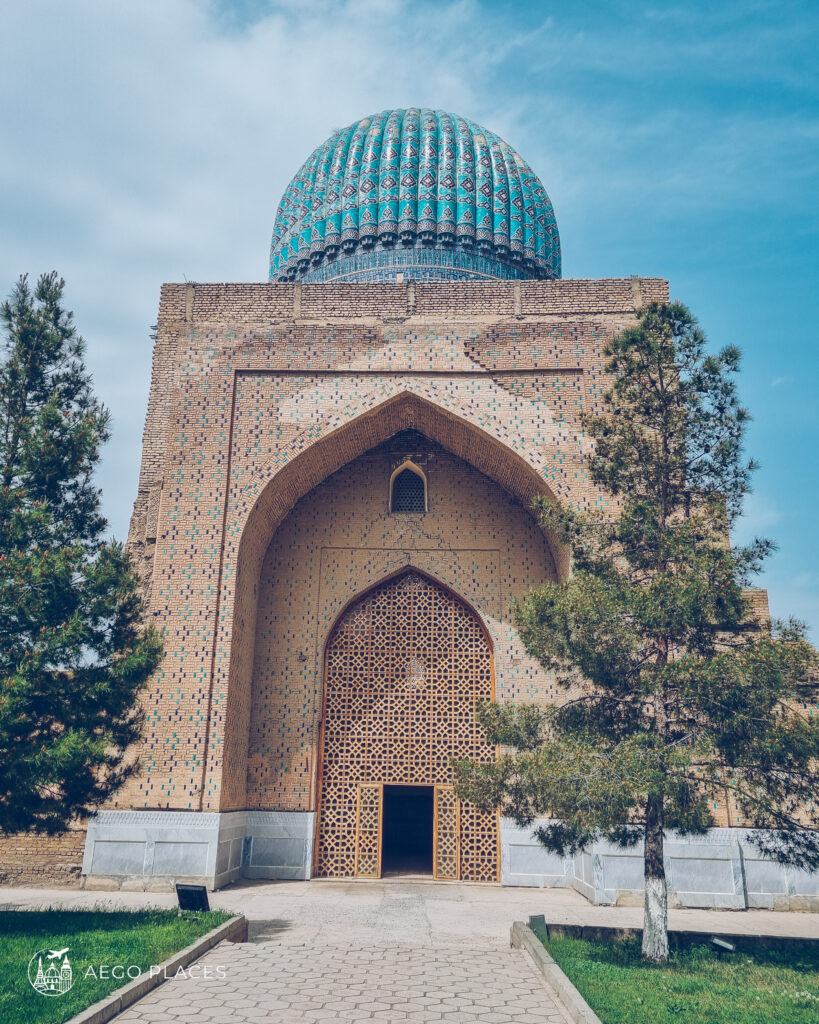
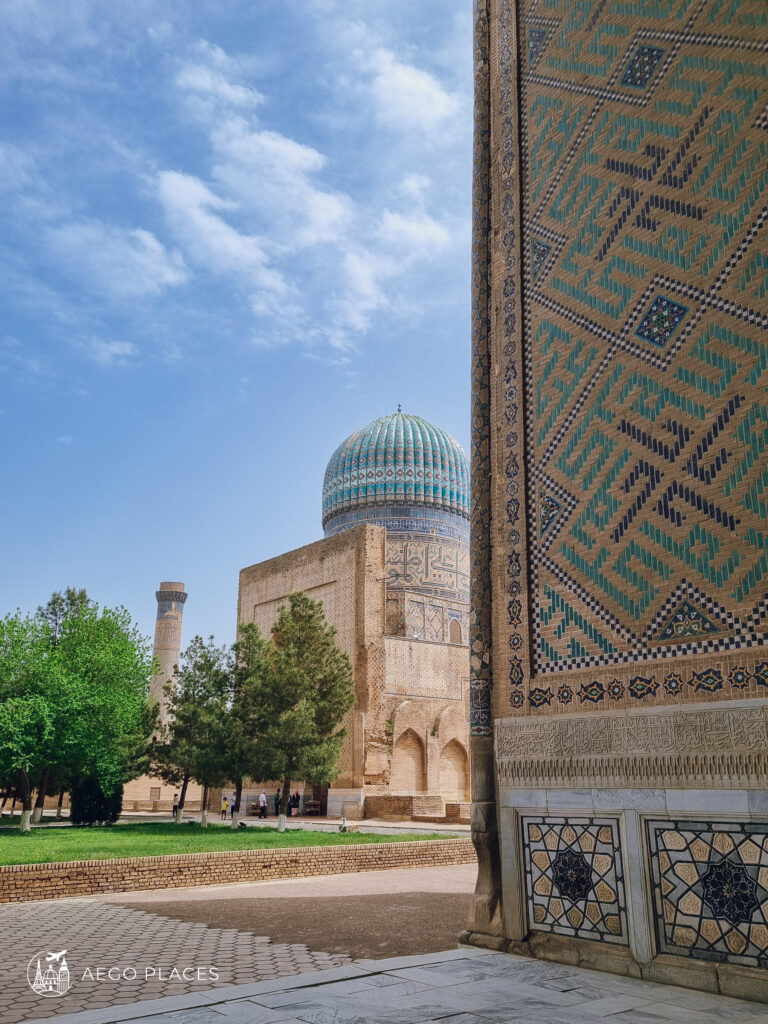
Just a 10–15 minute walk from Registan Square is the Bibi-Khanym Mosque, which is not just a mosque but an entire historical complex, also in the Persian style. An interesting fact is that the materials used to build the mosque were brought from India by elephants during Timur’s conquests. Restoration efforts on the complex began in the 1970s.
Siab Bazaar
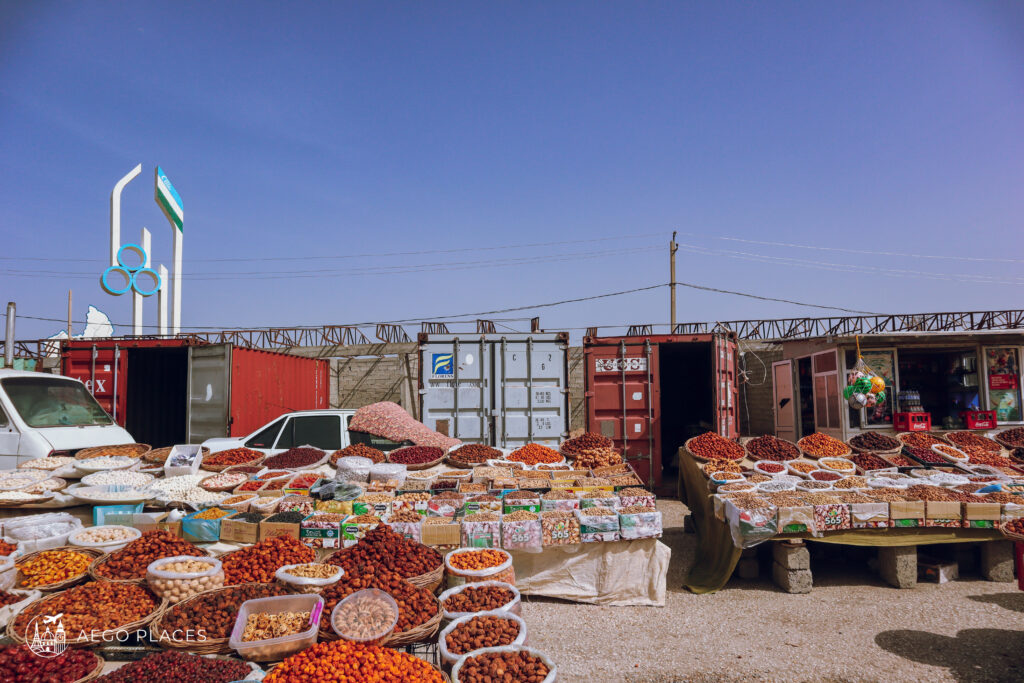
Literally meters from the Bibi-Khanym Mosque is one of the most popular markets in Samarkand—the Siab Bazaar. In recent years, with the growth of tourism, the bazaar has become more tourist-oriented, but that’s not a bad thing. We advise you to try some of the local fruits, nuts, and bread, and to buy souvenirs or spices. Keep in mind that the market is closed on Mondays.
Hazrat Khizr Mosque
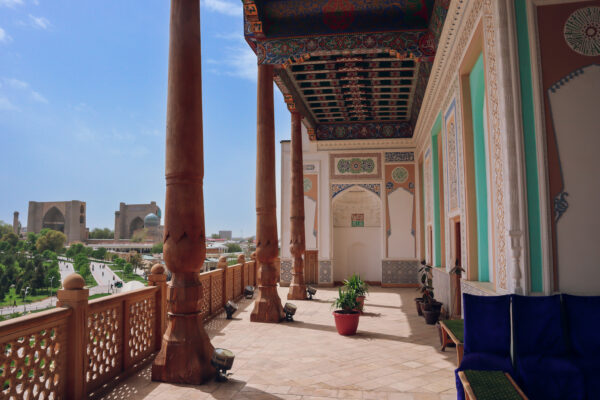
A few minutes’ walk from the Siab Bazaar is another important cultural, historical, and religious site in Samarkand—the Hazrat Khizr Mosque. In terms of style, it differs from the nearby Bibi-Khanym. It is located on higher ground and, in addition to its incredible decorations and interior, offers a beautiful view of Samarkand.
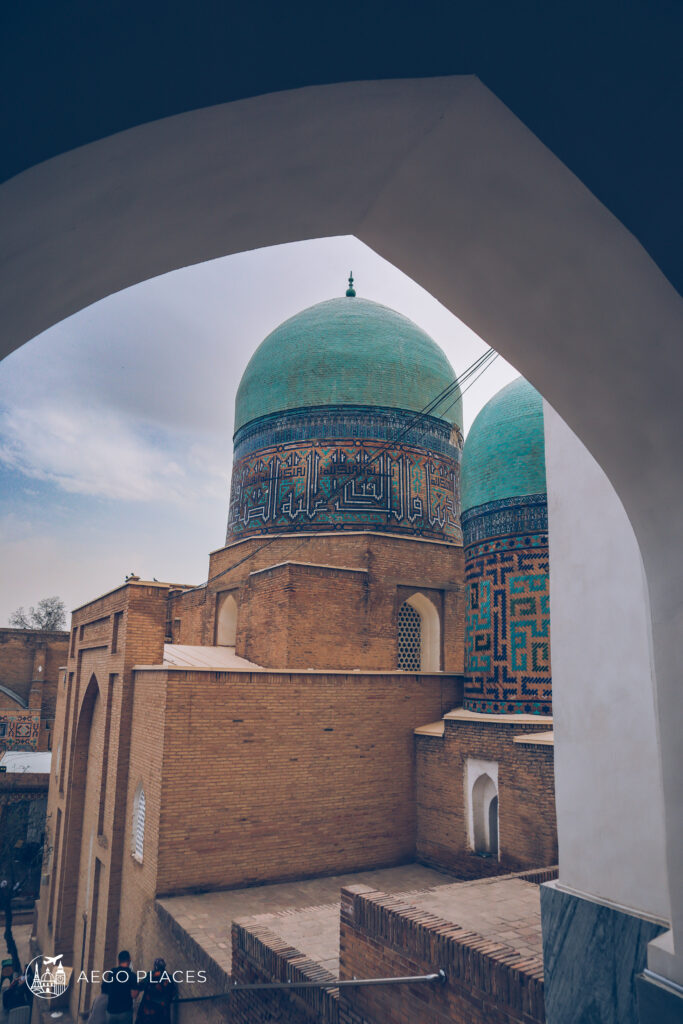
Shah-i-Zinda
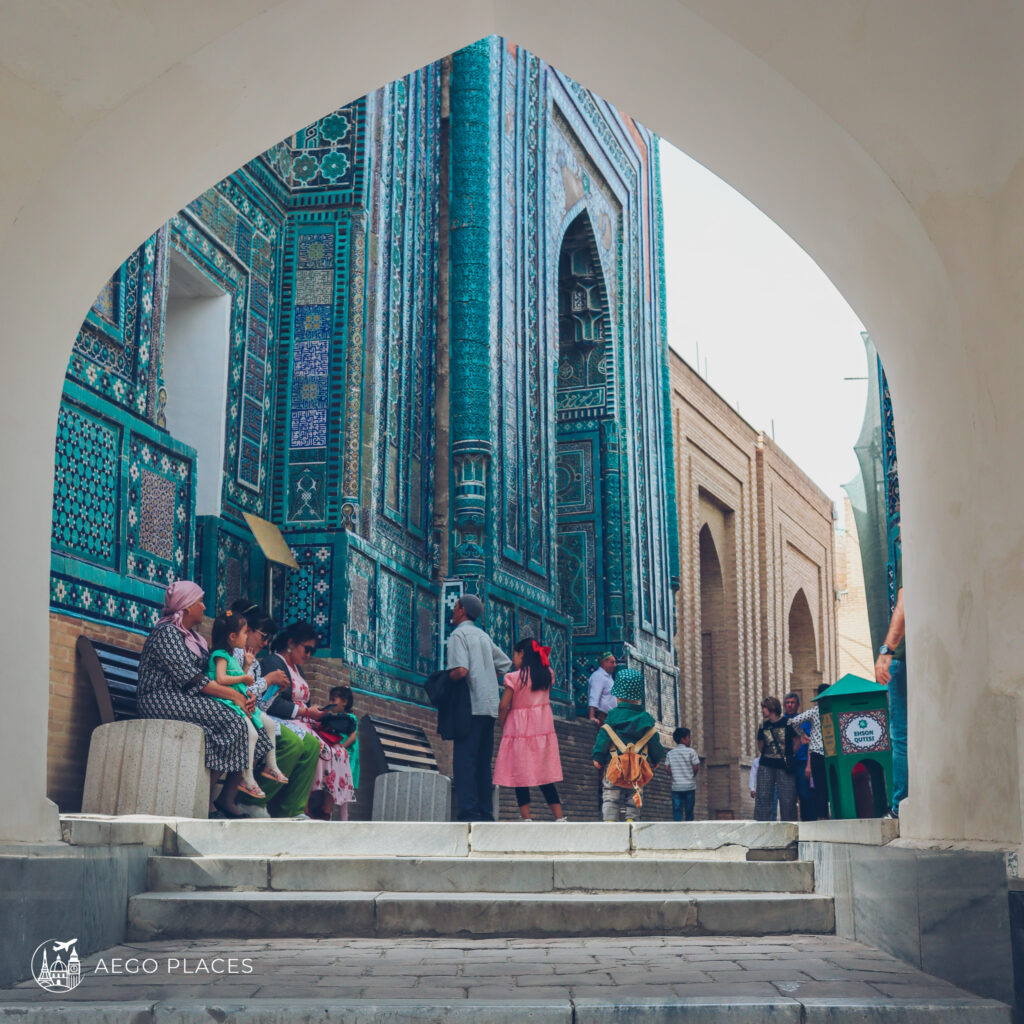
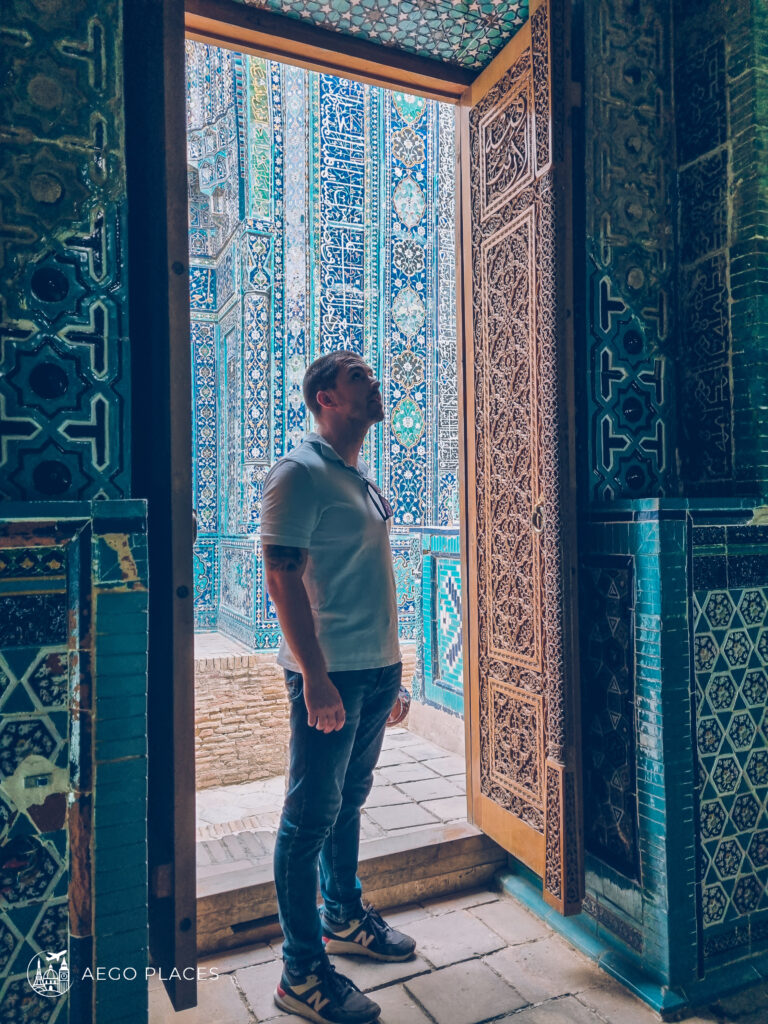
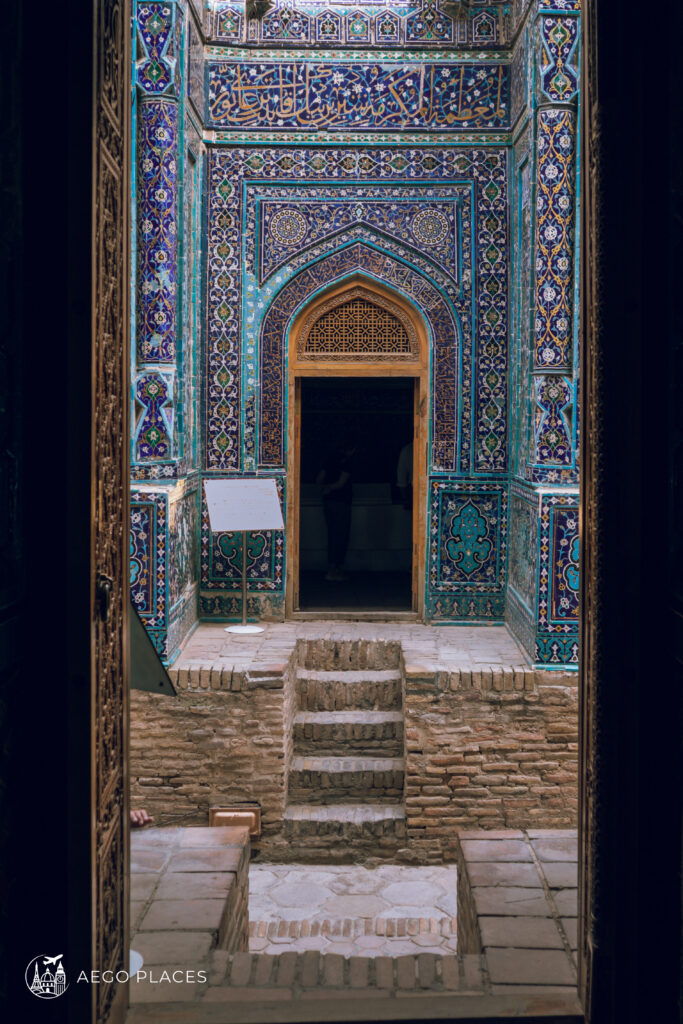
This was one of the most beautiful places we visited. This complex includes numerous mausoleums, some resembling palaces, where prominent residents and rulers of Samarkand have been buried since the 14th century. The most impressive features are the details and precise craftsmanship of the colored tiles, the harmony of colors, and the incredibly rich patterns on the tombs. Some of the tombs have been restored in recent decades without compromising the overall style and vision. The easiest way to get there is by taxi, with the journey from Registan Square taking about 10–15 minutes.
Gur-e-Amir Mausoleum
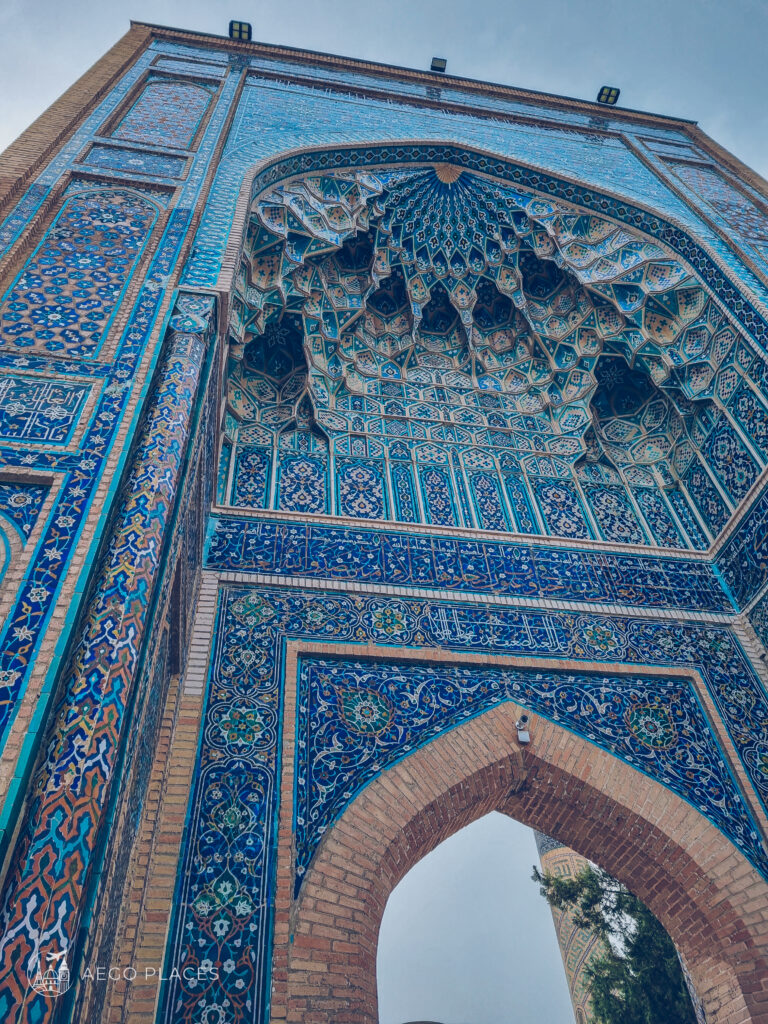
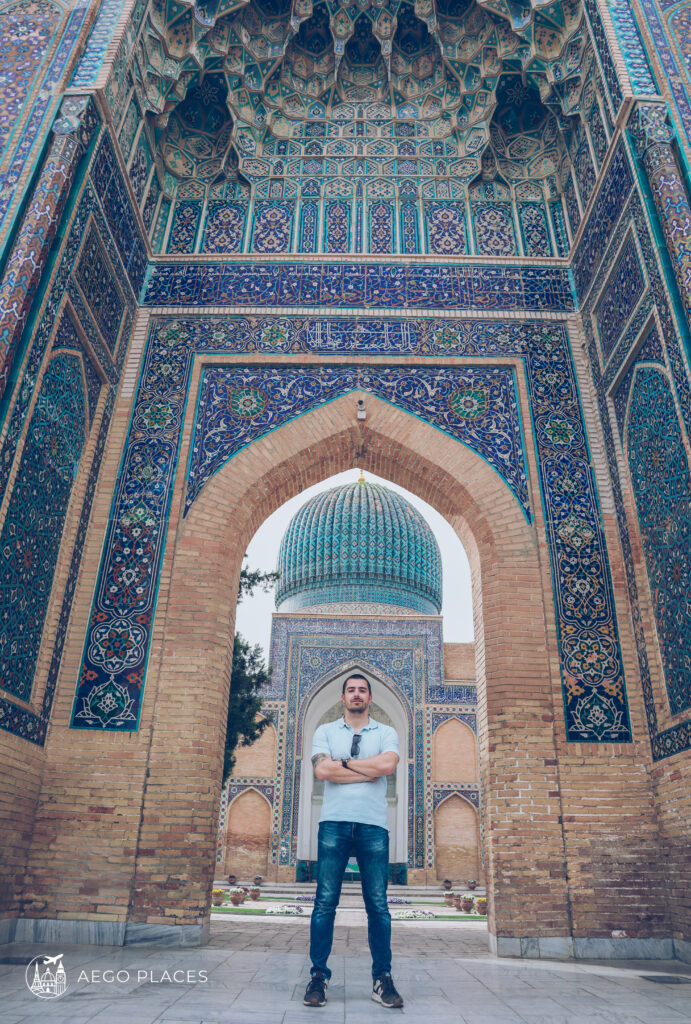
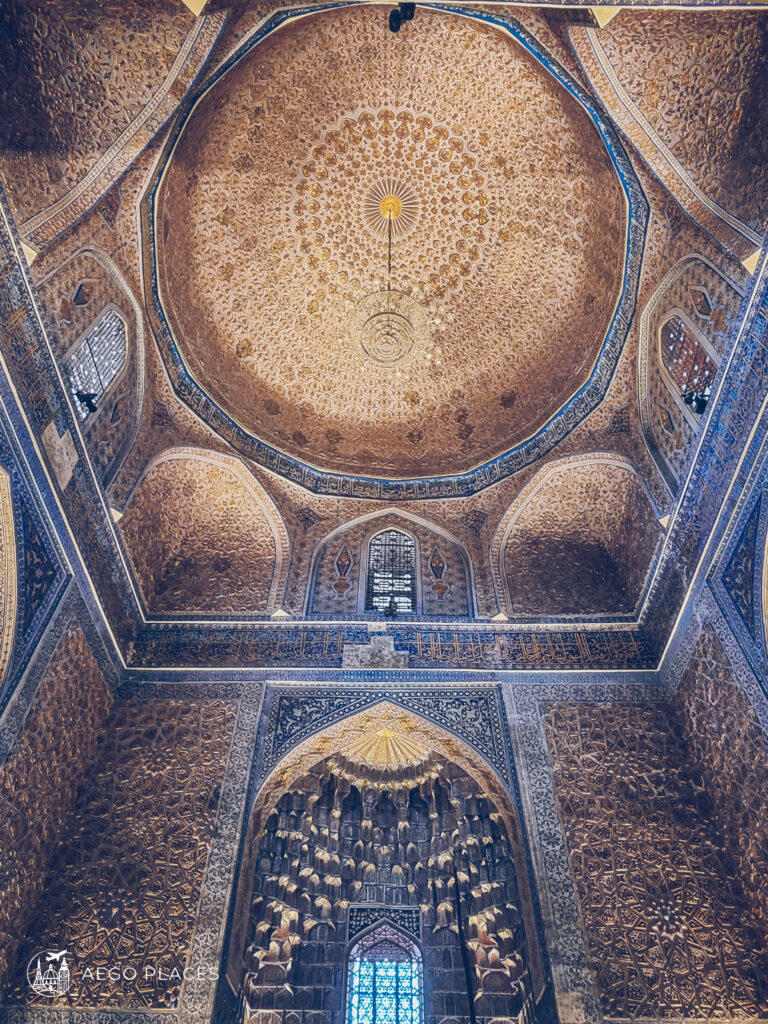
Another attraction not to be missed is the Gur-e-Amir complex. The magnificent complex includes the mausoleum of Timur, as well as the beautiful madrasah built by his grandson. Like other complexes in Samarkand, here you can enjoy the beautiful Islamic art and Persian architecture in all its glory.

Ruins of Afrasiab and the Museum of Samarkand History
About a 20-minute walk from the Hazrat Khizr Mosque are the ruins of Afrasiab, the ancient name of Samarkand before it was destroyed by the armies of Genghis Khan. Right next to the ruins is the Museum of Samarkand History, as well as the mausoleum of the prophet Daniel, revered by all three Abrahamic religions—Judaism, Christianity, and Islam.
Ulugh Beg Observatory
This observatory dates back to 1420 and was built by the astronomer Ulugh Beg. It is unique for its kind in this region. For centuries, this observatory was buried underground and was only discovered by archaeologists at the beginning of the last century.
Day Trip from Samarkand to Shakhrisabz
About 90 km from Samarkand lies another significant historical city on the Silk Road—Shakhrisabz. The city is also known as the birthplace of the ruler Timur, under whose rule the region became the center of his empire. There are buses and organized tours, but you can also just bargain with a taxi driver, as we did. The journey takes about an hour each way. The road from Samarkand is mountainous with many beautiful views, so if you’re in a taxi, you can stop and enjoy the high mountains.
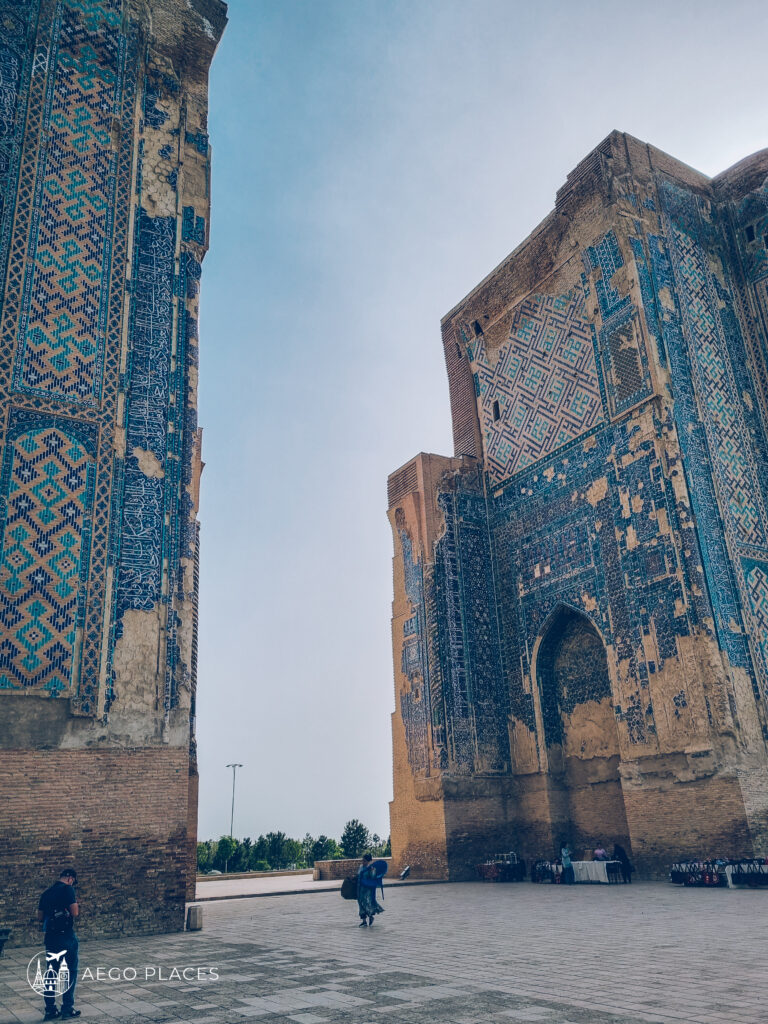
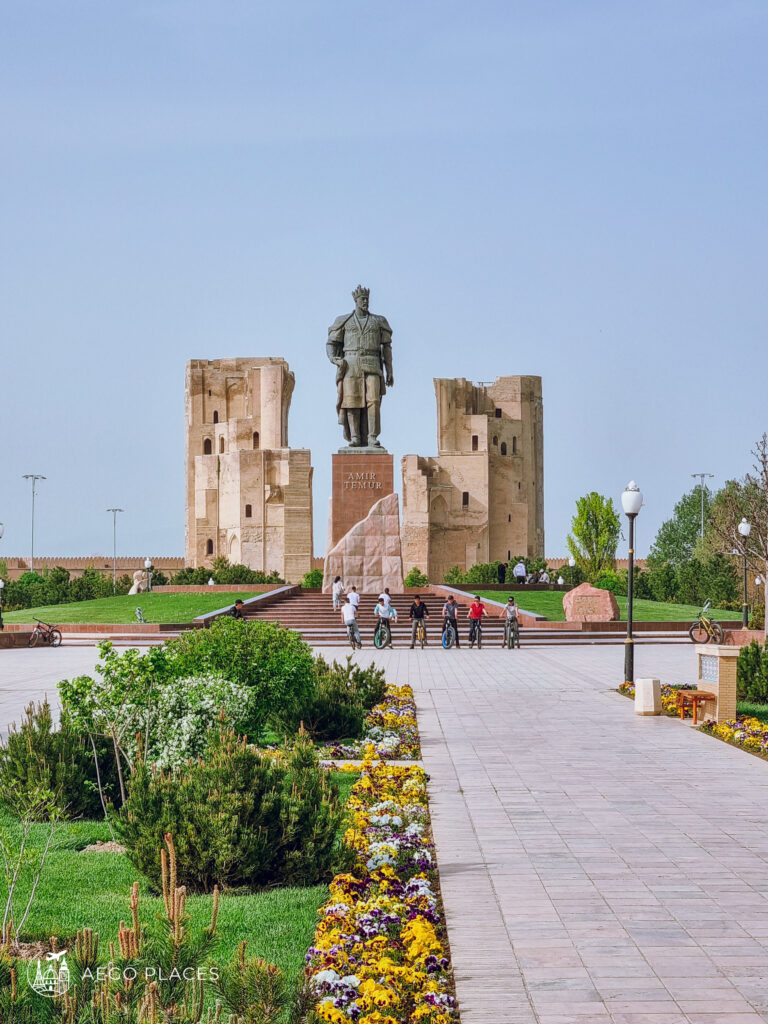
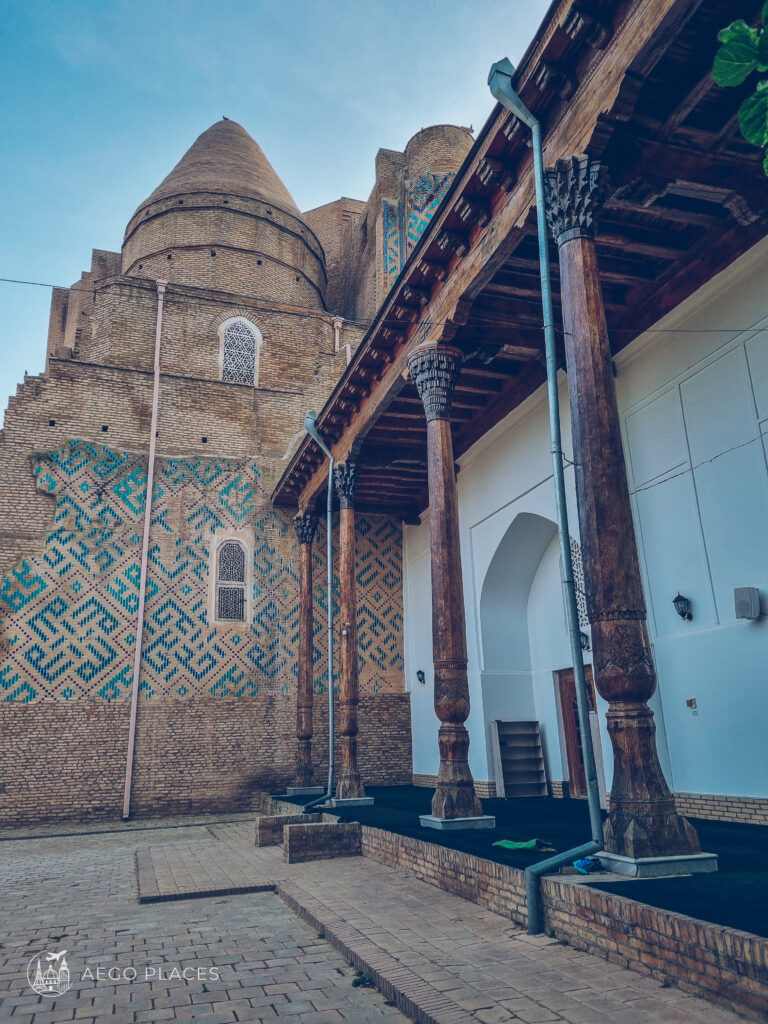
The most popular attraction in Shakhrisabz is the remains of the Ak-Saray Palace. A large statue of Timur stands meters from the palace. Other sights in Shakhrisabz include the Kok Gumbaz Mosque, which resembles Bibi-Khanym in Samarkand, and the Dorut Tilavat mausoleum.

Konigil-Meros Museum Village
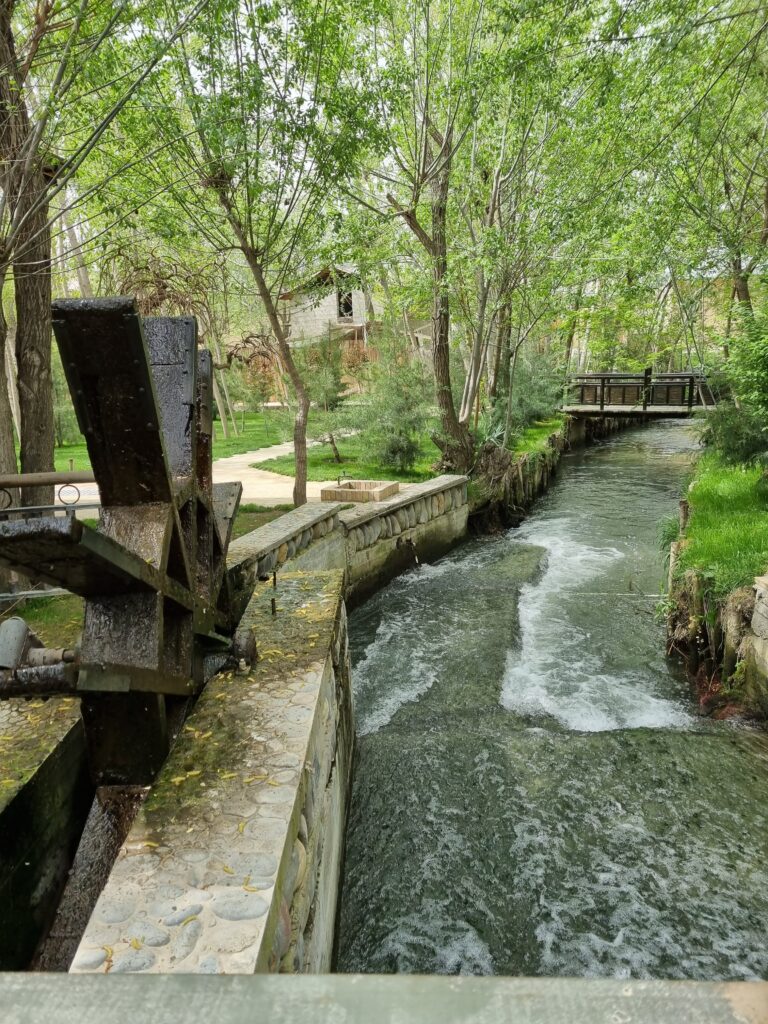
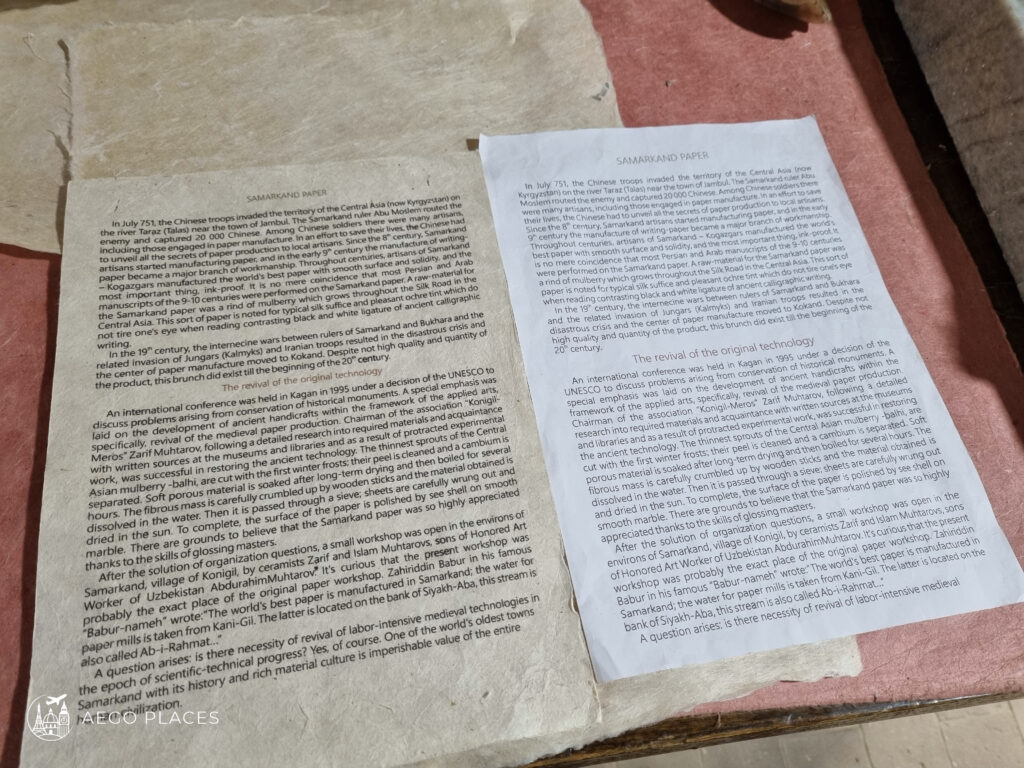
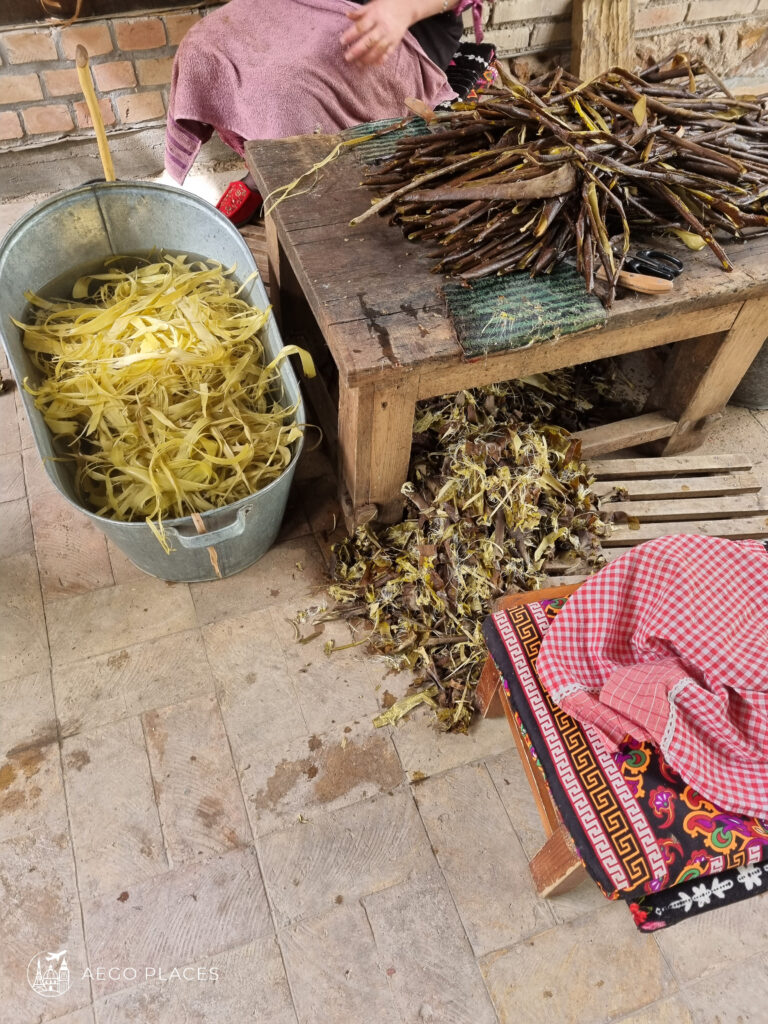
This place was recommended to us by our taxi driver, and we went without knowing anything about it beforehand. It’s located in the outskirts of Samarkand. It turned out to be a pleasant surprise—it’s an artificial museum village where you can learn about some of the traditional crafts of the region, dating back more than a millennium, such as papermaking (which was very interesting for us), pottery, milling, and others. The place is made for tourists, with neat paths between old houses, mills, and souvenir shops, but it is definitely interesting and transports you to a completely different era.
Recommended Restaurants in Samarkand
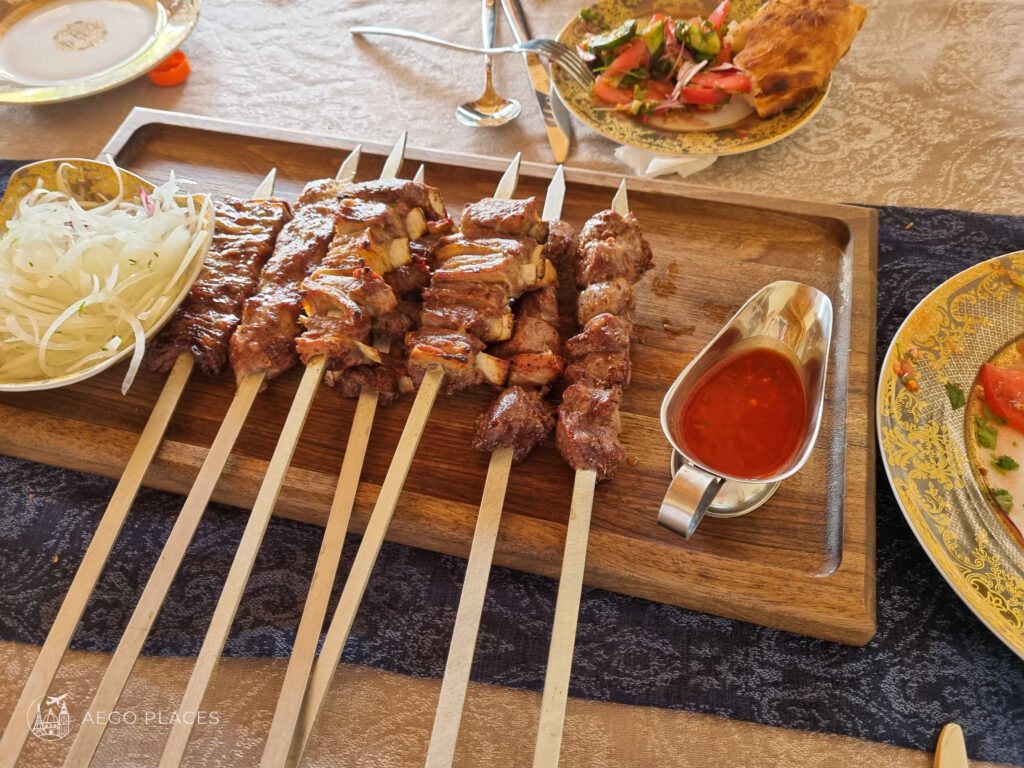
Undoubtedly, the food in Uzbekistan, and in Samarkand in particular, is delicious, interesting, and inexpensive. The national dish of Uzbekistan is plov (the locals call it osh). In the historical center of Samarkand, there are many restaurants focused on tourists, and therefore the prices are slightly higher, but this does not make the food any less good. Below are two restaurants that we tried and can confirm that the food was delicious.
Oshqand Restaurant: This restaurant was recommended to us by locals, and indeed the food was very tasty. The plov was the best we tried in Uzbekistan, and everything was top-notch. I advise you not to arrive later than 1 p.m., as they might have run out of plov. We reached the restaurant by taxi, and the fare from the center was negligible.
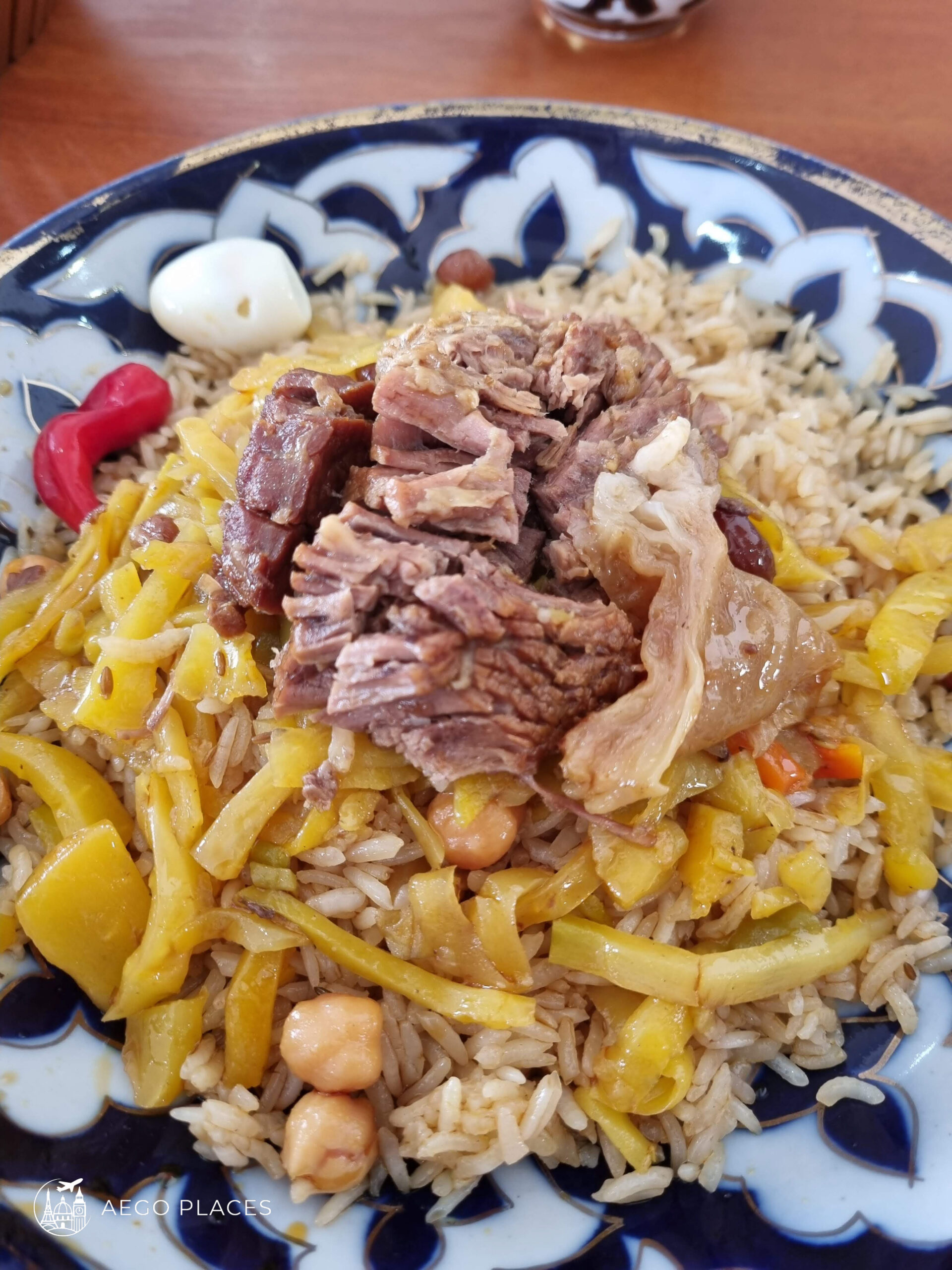
Afrosiyob Restaurant: This restaurant is located in the center, very close to the Hazrat Khizr Mosque and the Siab Bazaar. Although the rating on Google is not particularly high, we were satisfied. The restaurant has a large display with different meats, and you can choose directly from it. Everything was great, only the wait was a bit long.

Related posts
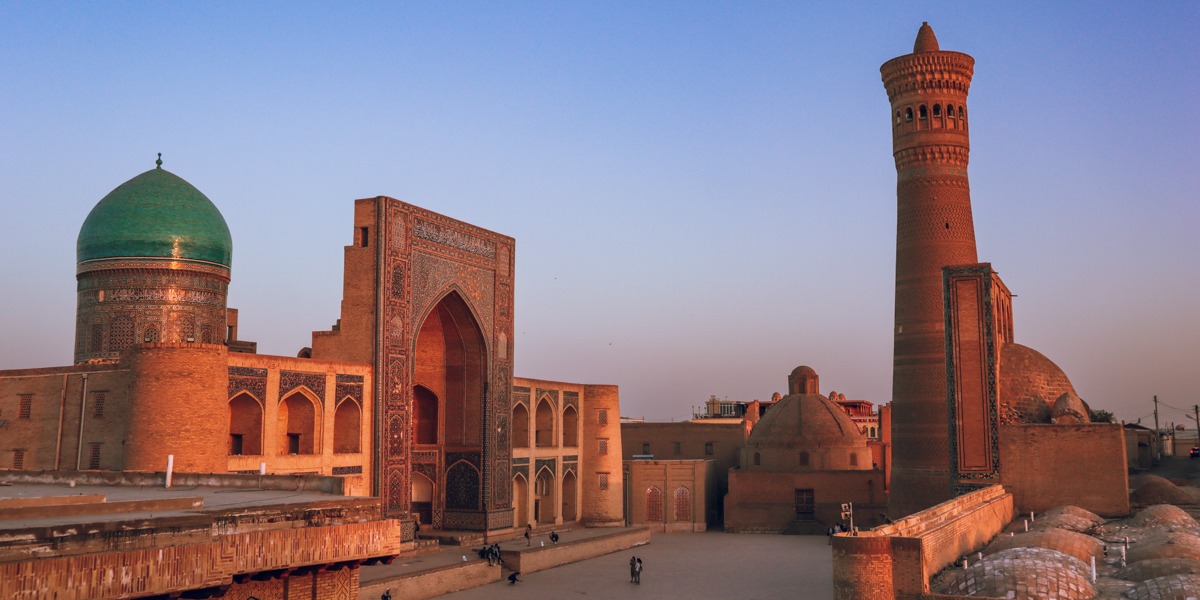
Bukhara was our favourite city in Uzbekistan. We visited it as part of a wider journey through the country, alongside Tashkent, Samarkand, Khiva and Shakhrisabz, and while each destination has its own…
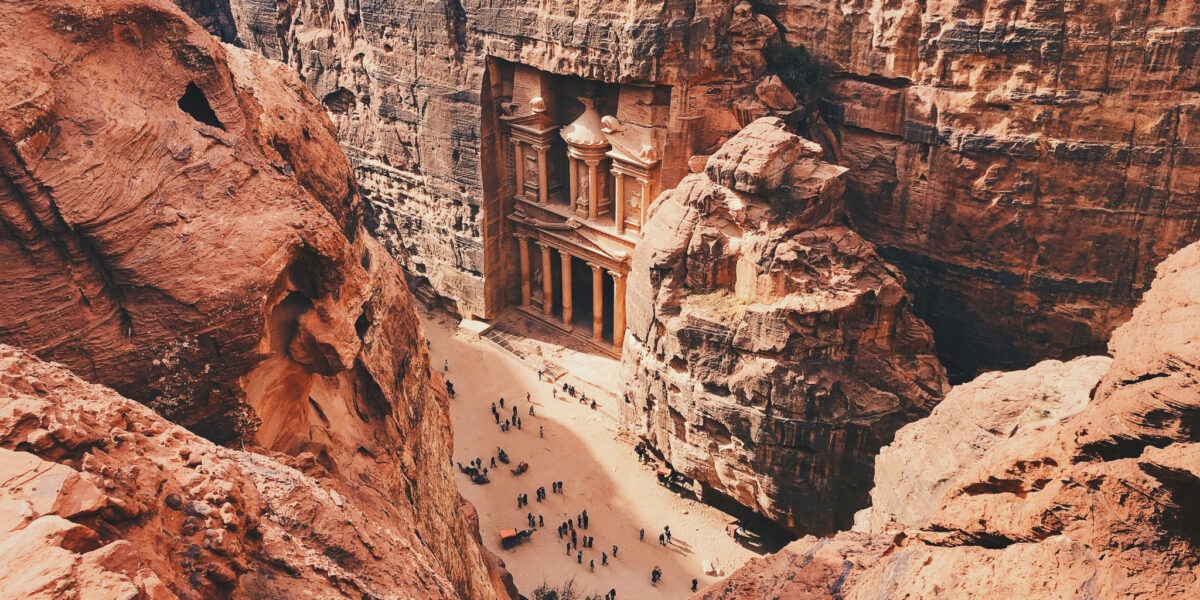
Jordan is one of the most incredible places we have ever visited. Despite being a relatively small country, it’s packed with fascinating historical sites – from the ancient Nabataean city of Petra, t…

Over the years, we’ve often searched for information about whether a particular month is suitable for visiting a specific destination. Friends and readers regularly ask us where it’s best to go for a …