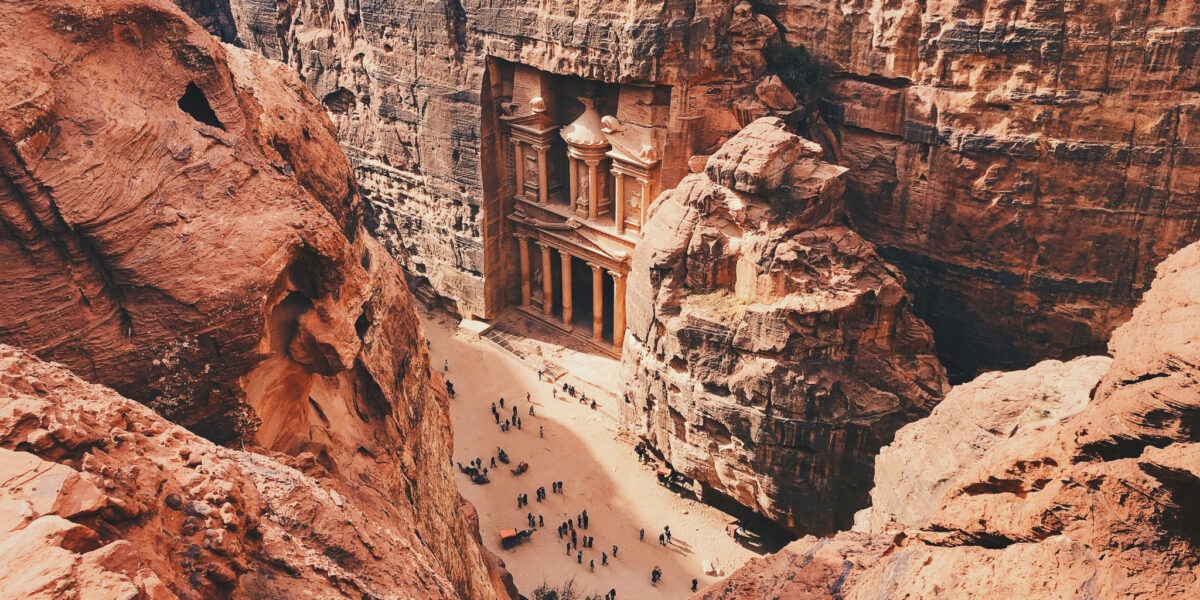
Jordan is one of the most incredible places we have ever visited. Despite being a relatively small country, it’s packed with fascinating historical sites – from the ancient Nabataean city of Petra, to the Roman amphitheater in the capital Amman, to Mount Nebo, where Moses is said to have first seen the Promised Land.
And beyond the history, Jordan also has stunning nature – the Wadi Rum desert, the Dead Sea, and the exotic beaches around Aqaba.
We visited Jordan for just 5 days at the end of December (around New Year’s), and still managed to see some of the country’s most impressive places.
In this article, we’ll share our tips for traveling in Jordan – what to see, things to do in Jordan and how to plan your trip, including a 5-day itinerary. The guide is based both on our own experience and on tips shared by other travelers who have explored Jordan, so we’ve tried to make it as thorough and up to date as possible.
What to Know Before You Go
- You’ll need a passport that is valid for at least 6 months after your arrival date.
- Jordan requires a visa on arrival at the airport. – if you land in Amman, the visa costs 40 JOD (around 48 euros). If you land in Aqaba, the visa is free because Aqaba is a special economic zone.
- If you’re staying more than 3 days, it’s worth getting the Jordan Pass – it includes entry to 40+ attractions in the country, including Petra. Prices start from around 83 euros, and it’s usually great value.
- Jordan is a Muslim country – avoid traveling during Ramadan if possible and dress more conservatively.
- The currency is the Jordanian dinar (JOD). Cards work in many places, but it’s still a good idea to always carry some cash. The best exchange rates are usually found in Jordan if you bring euros or US dollars.
Getting Around Jordan
If you’re planning a self-organized trip in Jordan, renting a car is usually the easiest and most budget-friendly way to see a lot in a short time – especially if you want the freedom to stop whenever you like and follow your own pace.
It also makes it much simpler to combine major sights (like Petra, Wadi Rum, the Dead Sea, Jerash, and Madaba) without being tied to fixed schedules.
When choosing a rental company, stick to reputable providers – or at the very least, make sure the company has consistently good reviews online and clear rental terms.
It’s also smart to double-check what’s included in the price (insurance coverage, mileage policy, deposit rules, and any extra fees) so there are no surprises when you pick up the car.
Driving itself is generally straightforward outside the biggest cities, but in places like Amman traffic can be heavy and stressful, so it helps to plan extra time and avoid rushing.
The Most Popular Attractions in Jordan
Petra
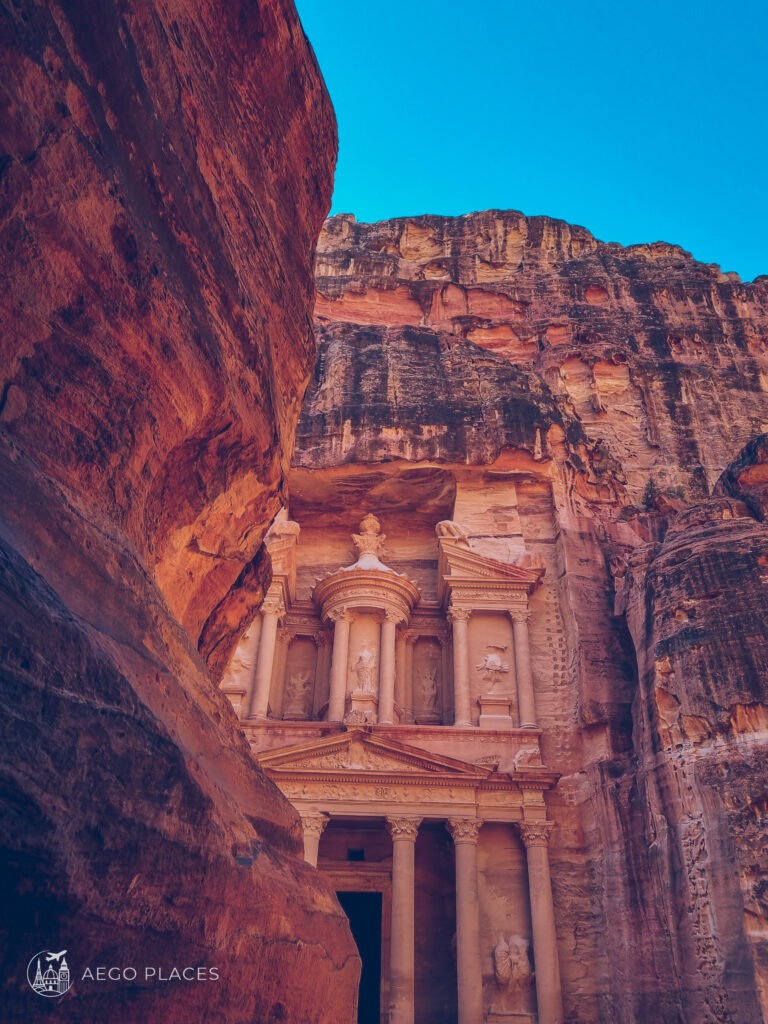
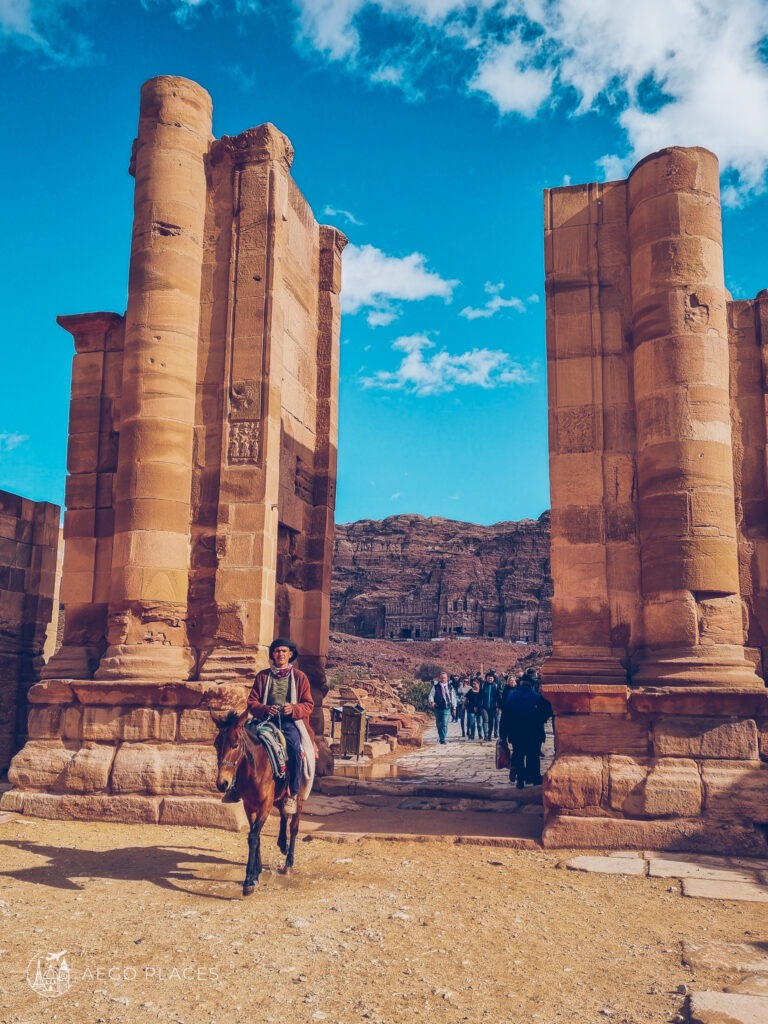
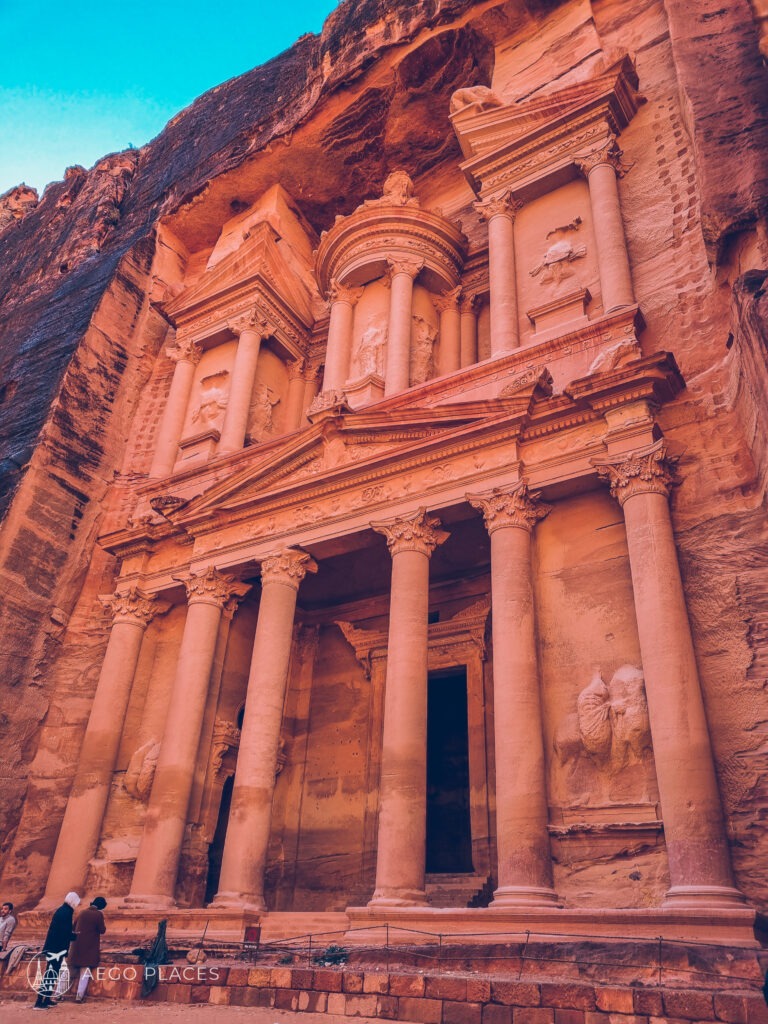
Petra is easily the most famous attraction in Jordan and one of the New Seven Wonders of the World. It’s just as breathtaking in real life as it is in photos. A single-entry ticket costs around 65 euros, but if you have the Jordan Pass, entry is included.
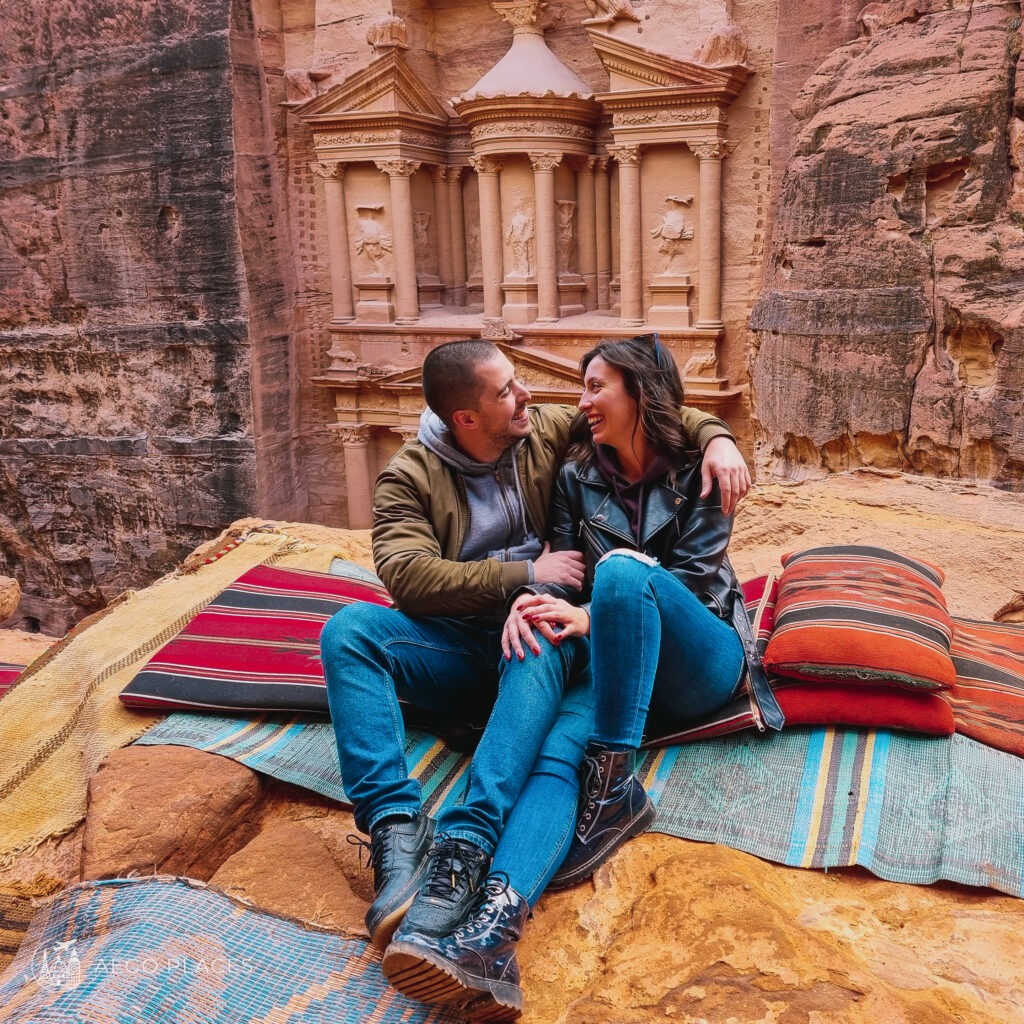
It’s strongly recommended not to rush Petra – set aside at least one full day. The site is massive, and beyond the iconic Al-Khazneh (The Treasury), there are plenty of other impressive, well-preserved tombs and structures. If you want a more complete visit, don’t miss El Deir (the Monastery), the second most famous rock-cut building in Petra – getting there is a challenge (around 800 steps), but it’s worth it.
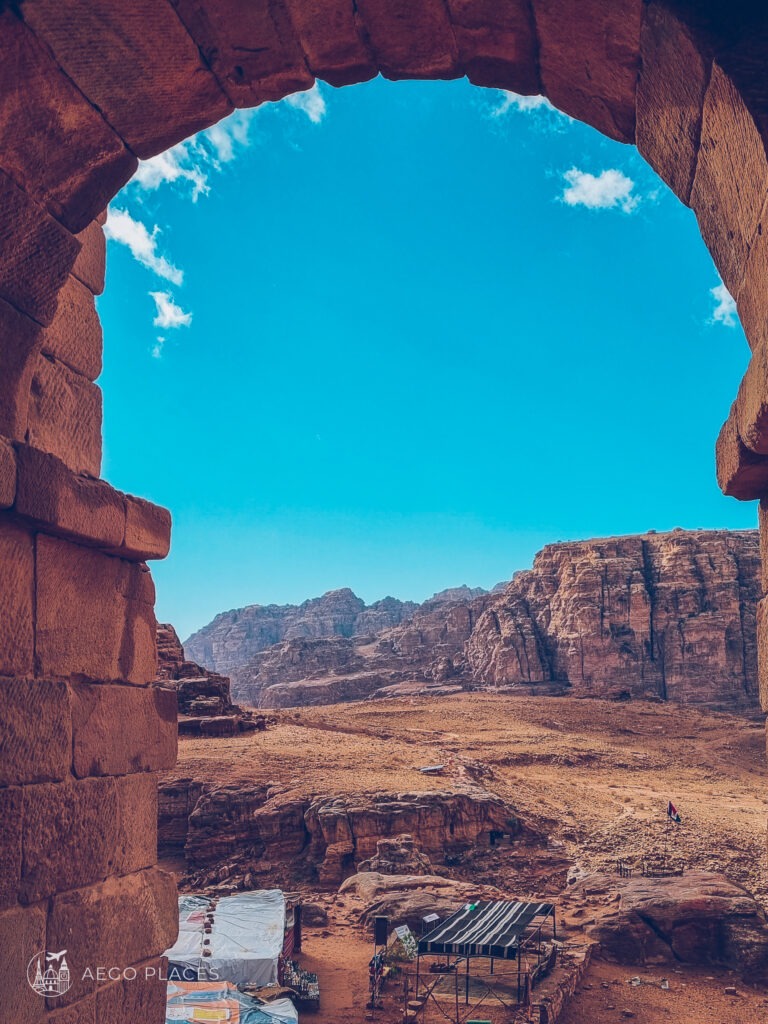
For the best photos of Petra, some local “helpers” will offer to guide you up to viewpoints on the rocks where the views are best.
Negotiate hard – they may start with ridiculous prices just to show you the way, so don’t pay more than a dollar.
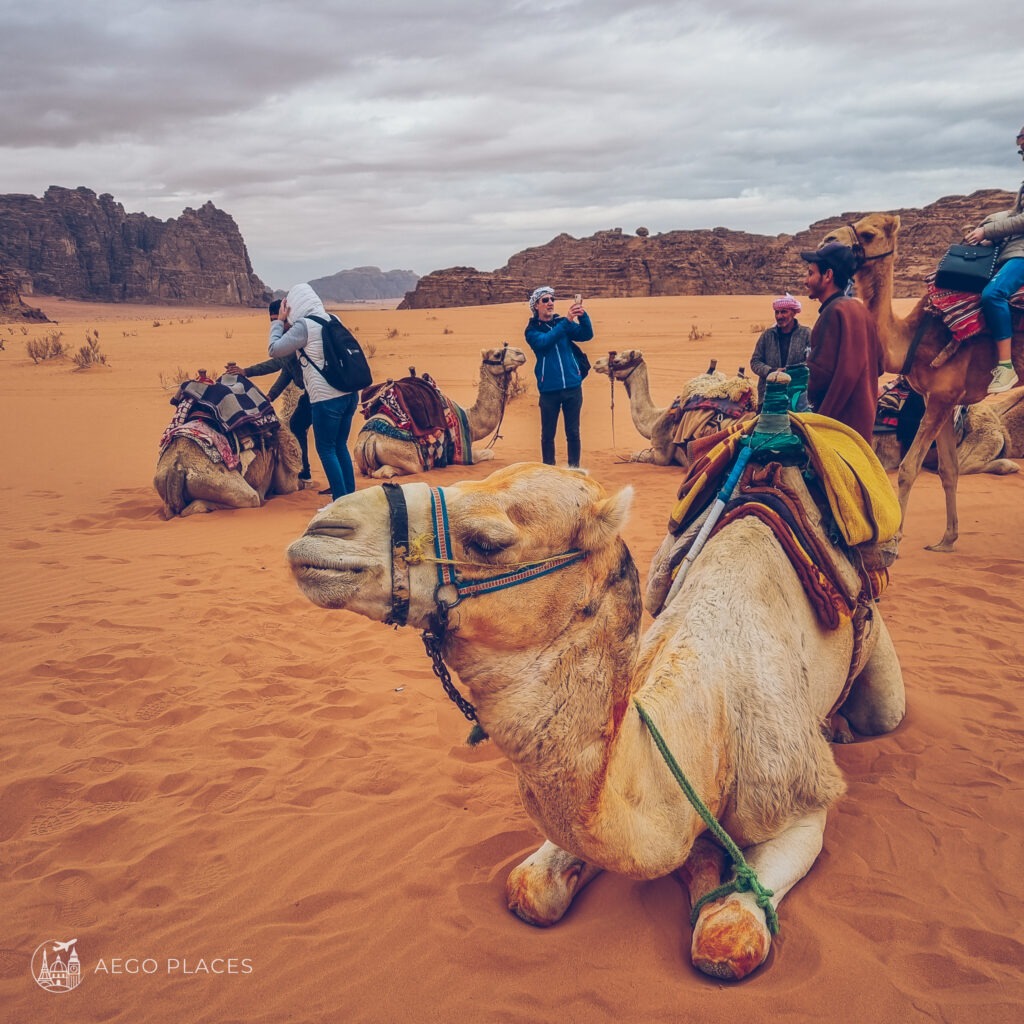
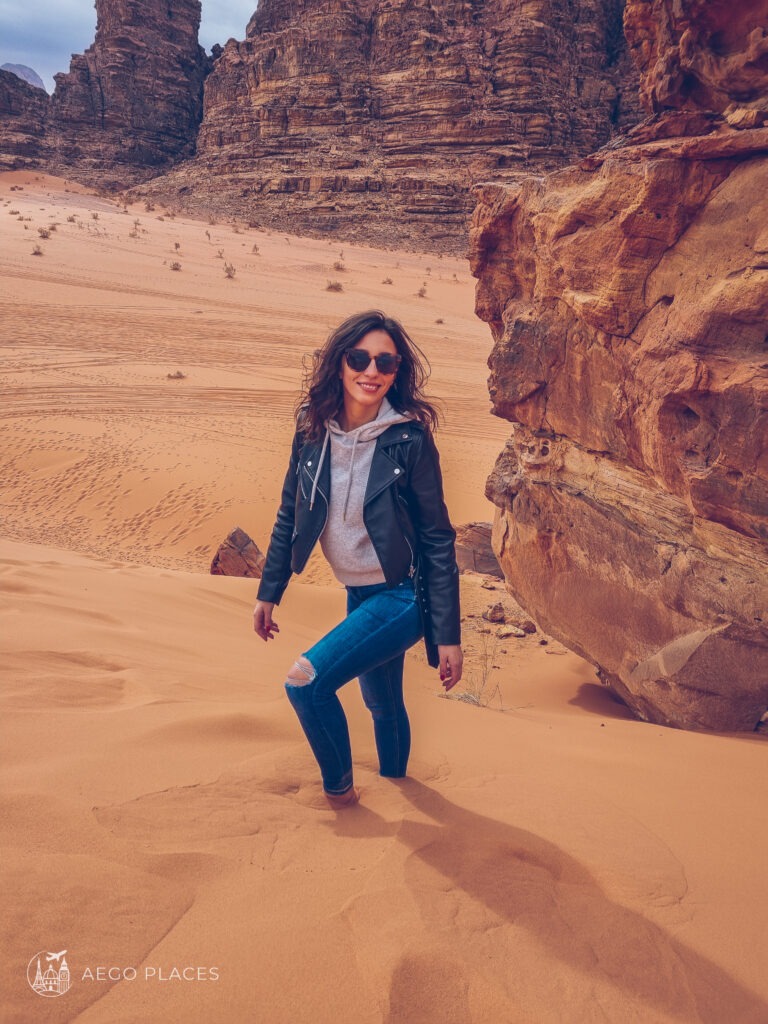
Wadi Rum Desert
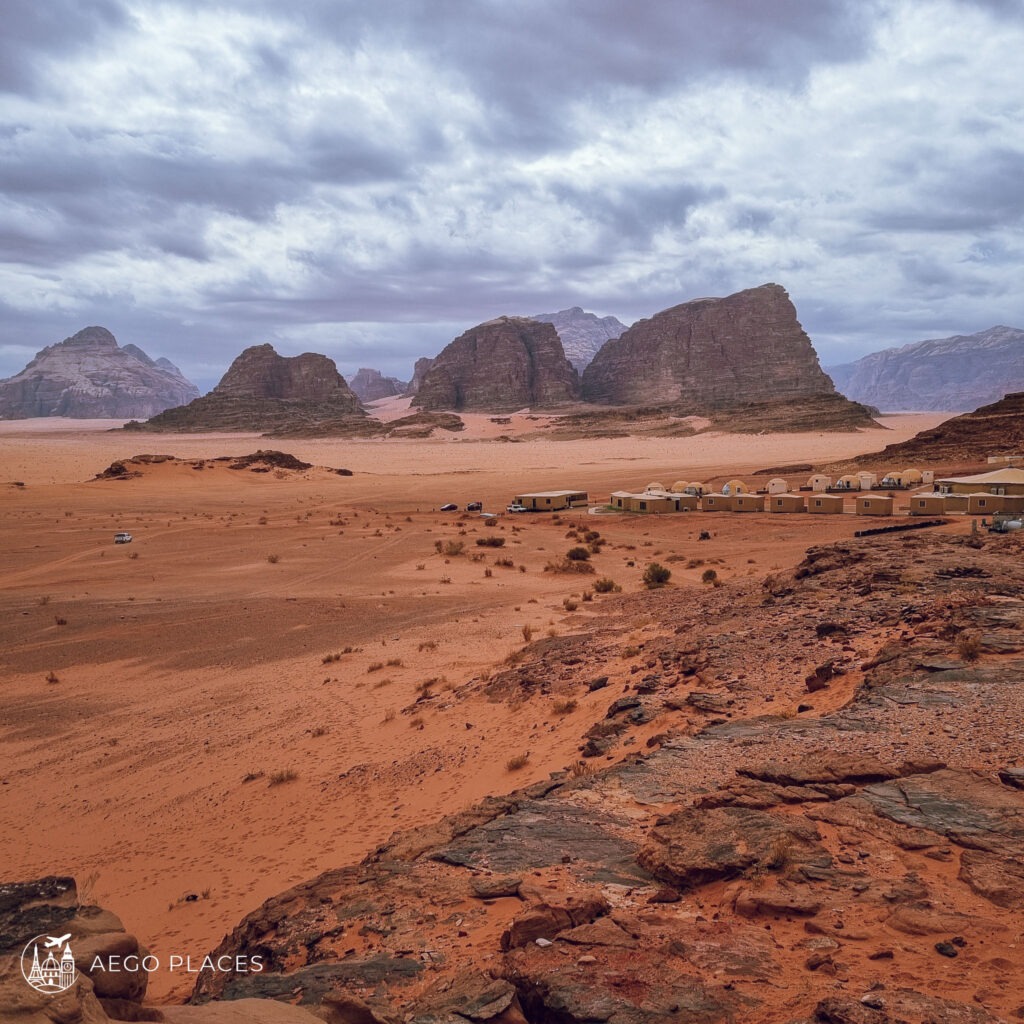
This was the second most memorable part of our trip to Jordan.
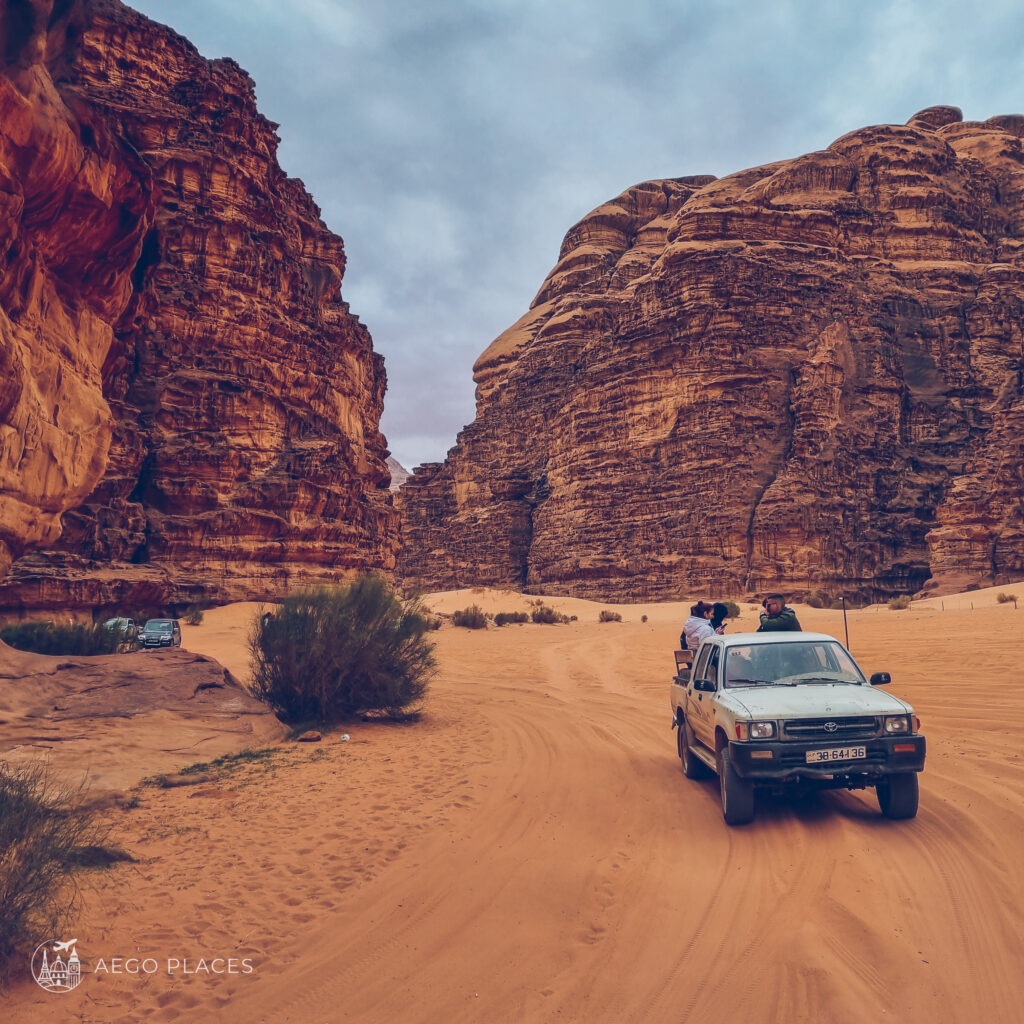
If you’re visiting by car, you’ll first need to pass through the Wadi Rum Visitor Centre to pay the entrance fee (around 8 euros) or show your Jordan Pass.
After that, you can park in Wadi Rum village, where you’ll find jeep drivers and guides offering tours – and again, don’t forget to negotiate.
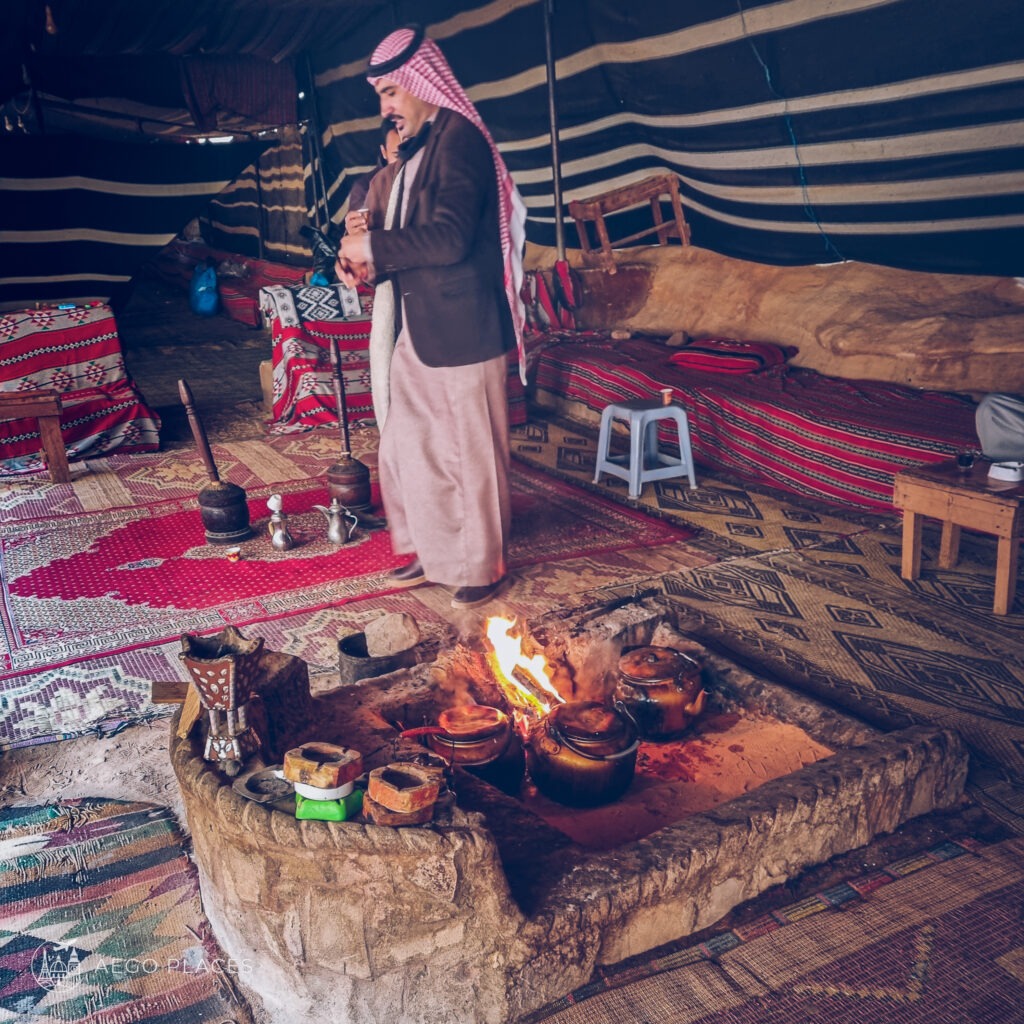
Because our stay in Jordan was short, we didn’t have time to spend a night in the desert, but next time we definitely will.
Many people who have stayed overnight recommend Sand Rose Camp and Seven Wonders Luxury Camp – it’s best to check online for prices and availability.
The Dead Sea
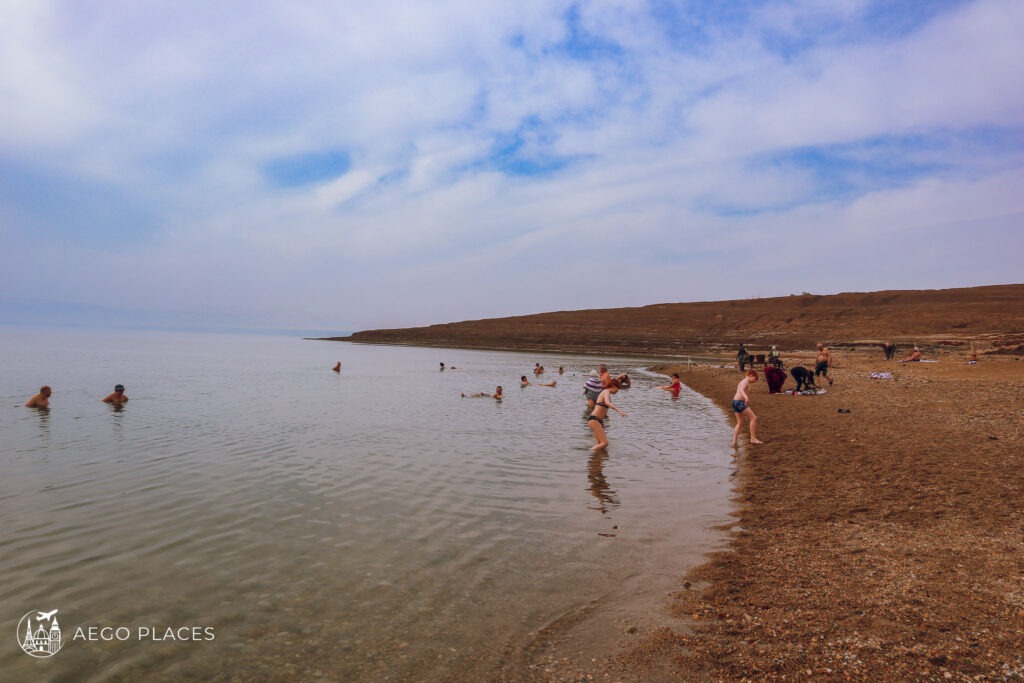
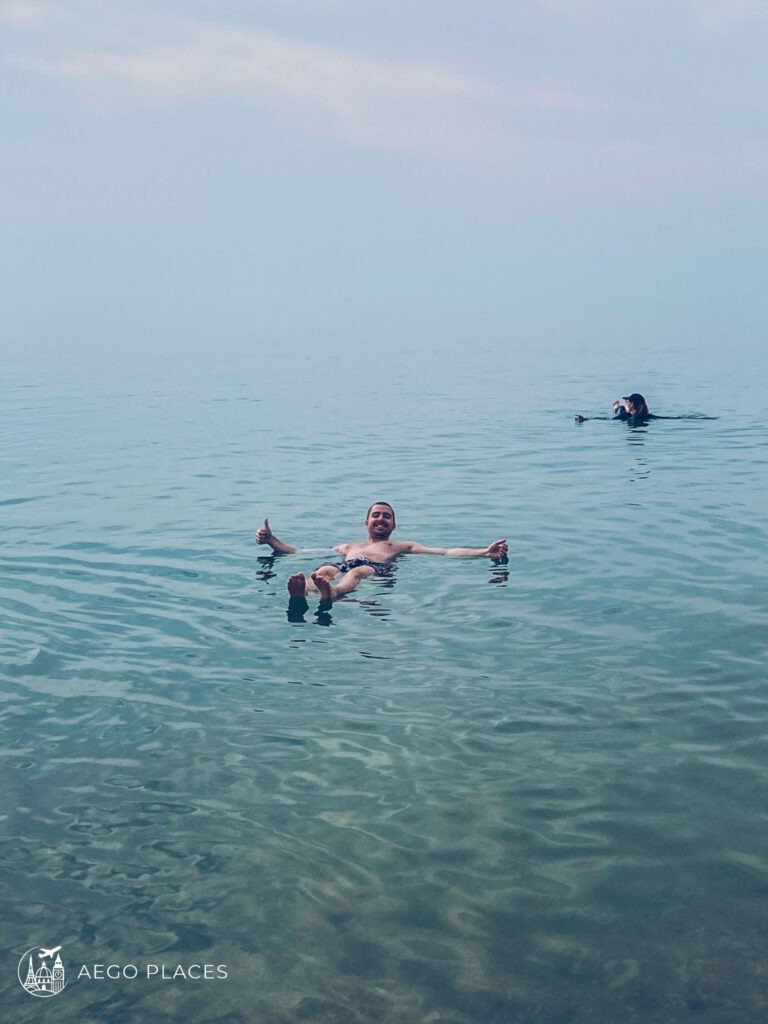
The Dead Sea is not only the saltiest lake in the world – it’s also the lowest point on Earth’s land surface, at around 400 meters below sea level.
Surprisingly, when we visited on January 30, the weather was perfect for the beach and we were able to swim.
Along with floating in the water (a unique experience – but be careful not to get water in your eyes), we also did a mud “spa” on the shore.
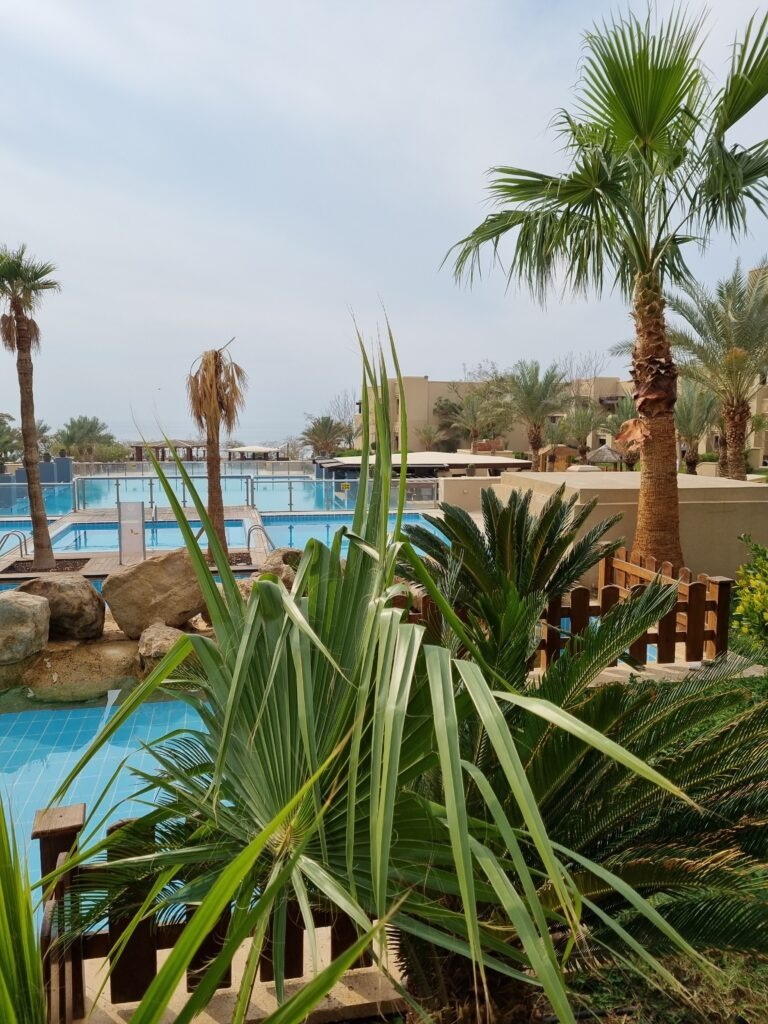
Tip: Even though there are public access areas, it’s worth paying for a day pass at a hotel or resort, which usually includes sun loungers, pools, towels, and other facilities.
We chose the Hilton and were very happy with it – the price was around 70 euros for the day, but it felt worth it.
There are cheaper options too, but you’ll need to search online.
Mount Nebo and Madaba
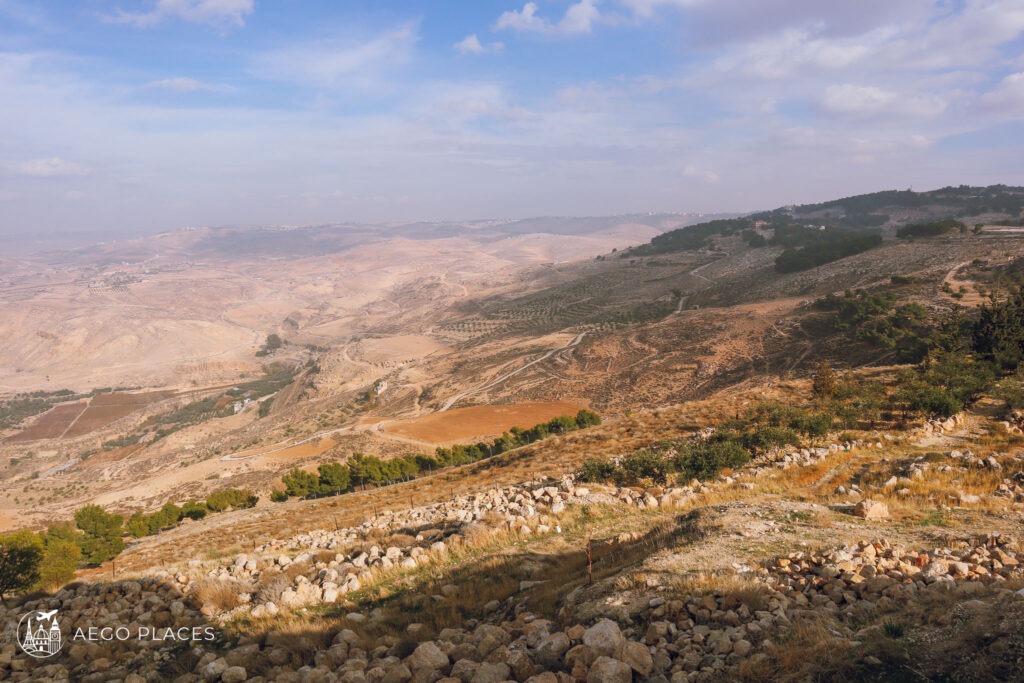
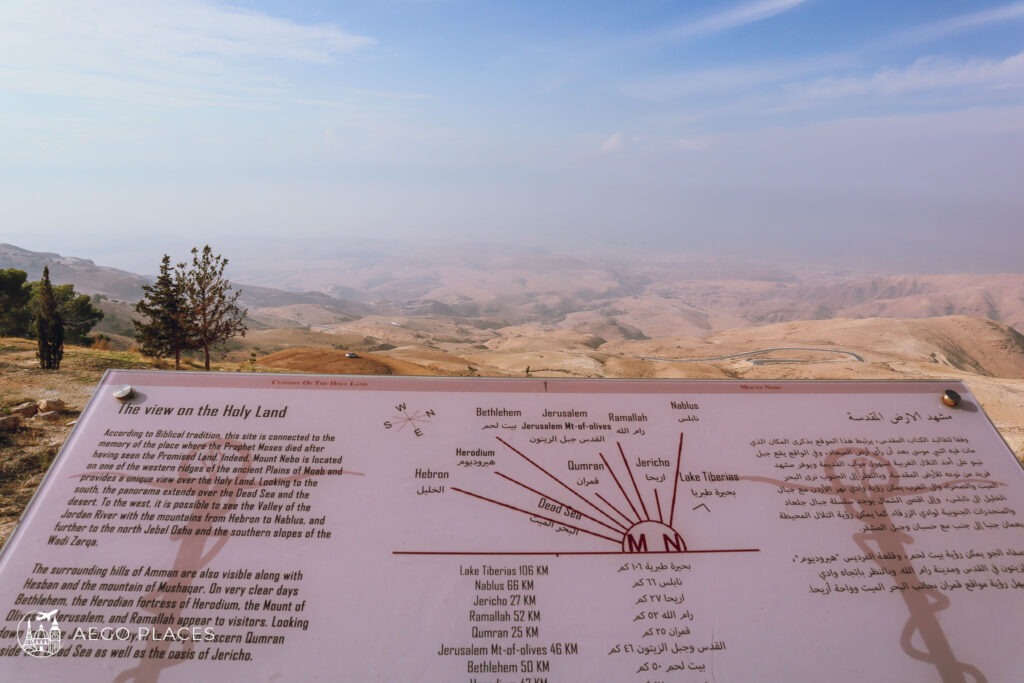
Mount Nebo is located between the Dead Sea and the capital, Amman. It’s known as the place where Moses is believed to have seen the Promised Land for the first time.
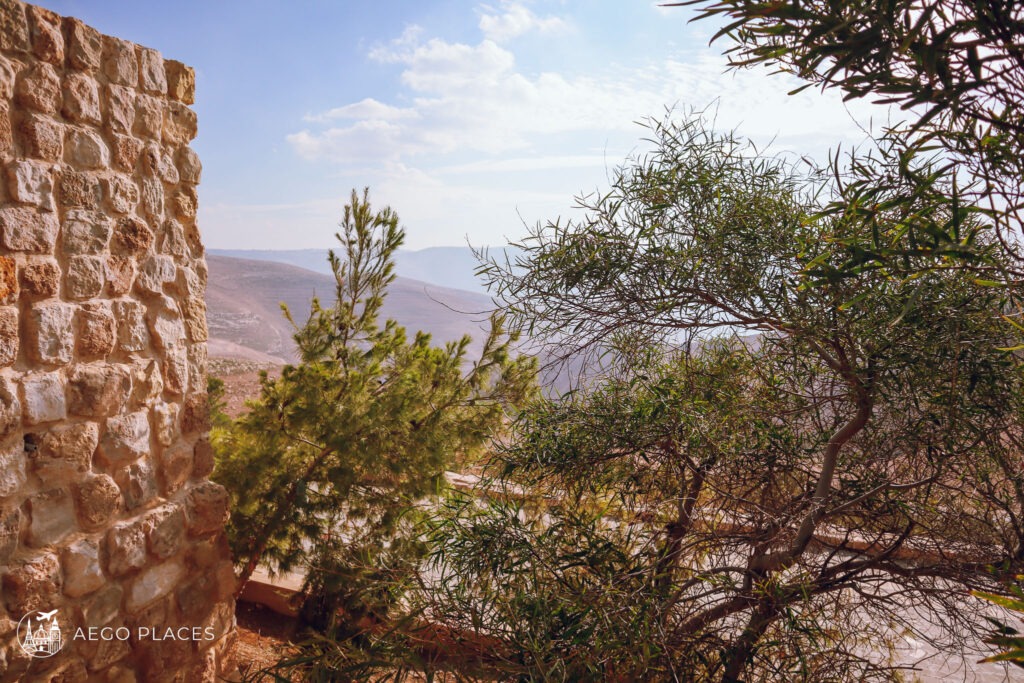
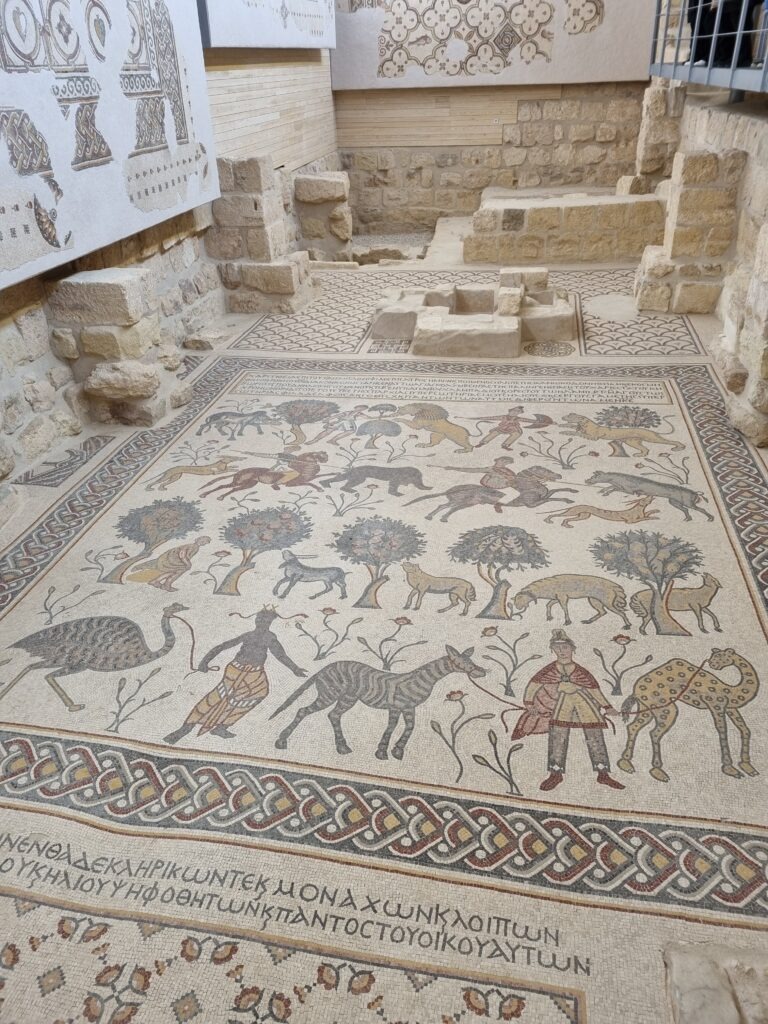
Besides its significance for the Abrahamic religions (Christianity, Judaism, and Islam), the panoramic view is beautiful – and people say that on a clear day you can even see Jerusalem. There’s an old church on the site dedicated to Moses, with beautiful mosaics inside.
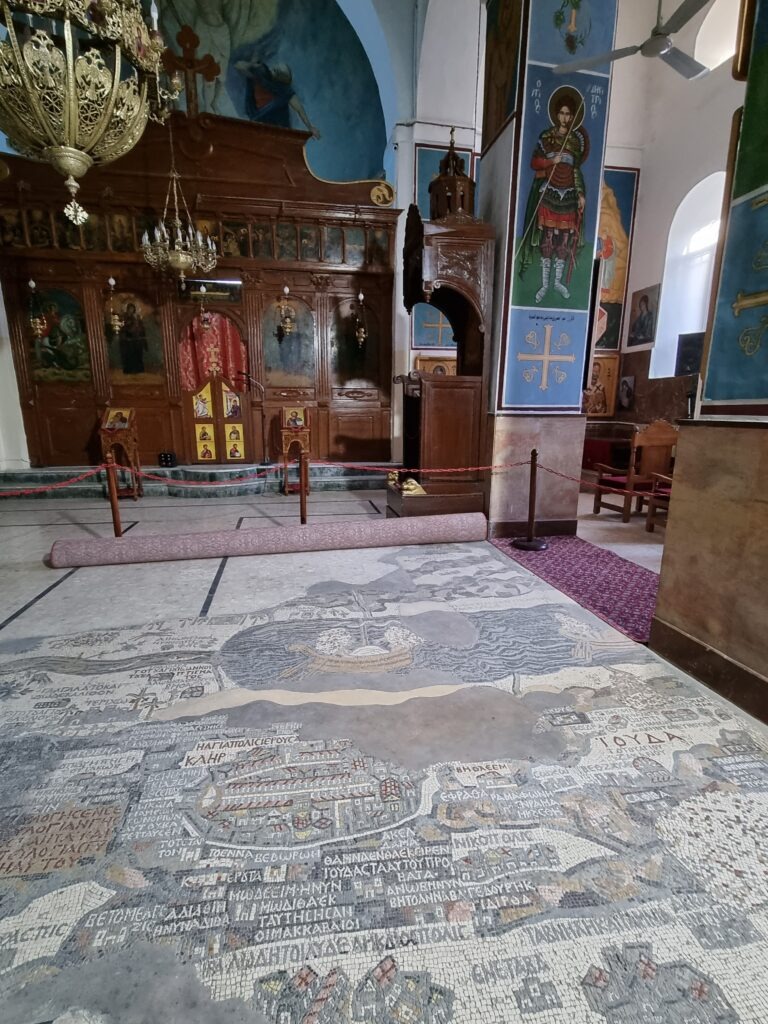
If you’re already going to Mount Nebo, it’s easy to combine it with a visit to Madaba – especially the Orthodox Church of St. George, home to one of the oldest and best-preserved mosaic maps of the Middle East and the Holy Land.
Jerusalem is at the center of the map, and you can also see the Nile River delta to the side.
The Ancient City of Jerash
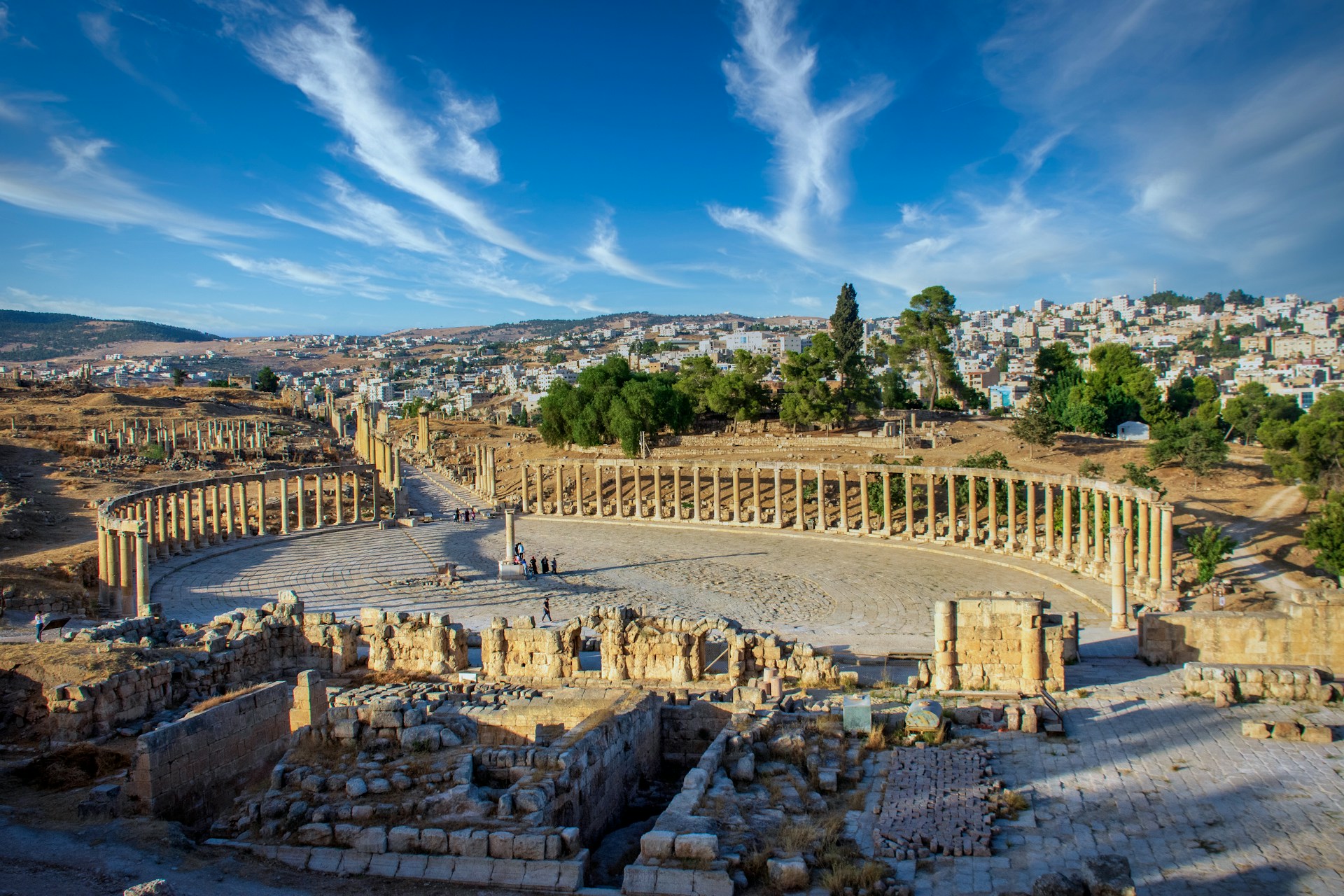
North of Amman is one of the best-preserved Roman cities in the Middle East. It was founded during the time of Alexander the Great and later became part of the Roman Empire. The ruins include an oval forum, a stadium, a fountain, a triumphal arch, Roman baths, and numerous temples – with the Temple of Artemis (Jerash’s patron goddess) being the most magnificent monument.
Amman (The Capital)
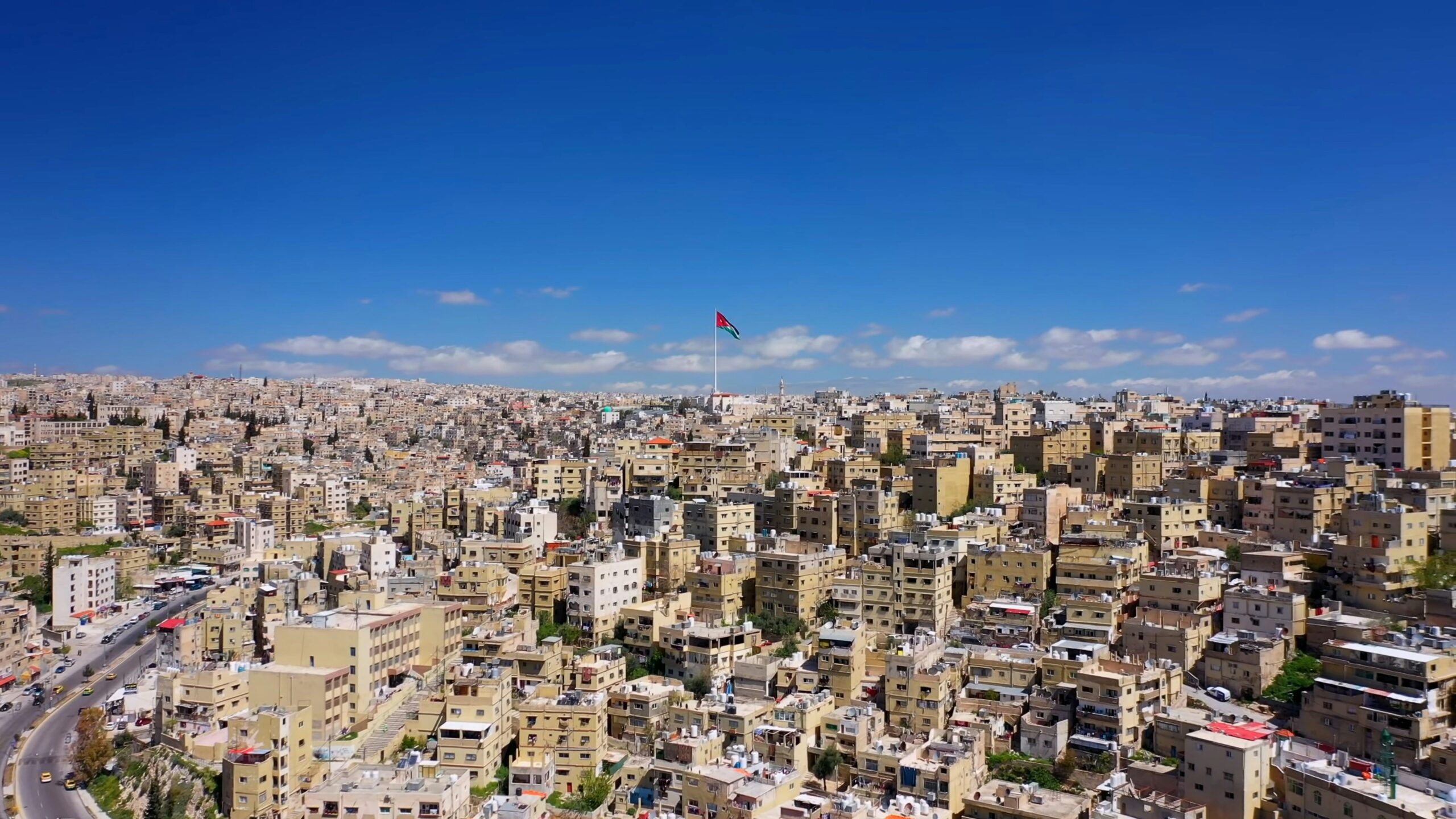
Amman is a very hilly city, built across 19 hills, and from a distance it’s striking how many buildings are in light colors, giving the city a special charm.
It feels fairly modern, with many international chains, shops, and restaurants, but it has still kept its Middle Eastern character.
Amman also has plenty of historical sights, including a Roman theater, an archaeological museum, the Temple of Artemis, and more – and if you’re driving in, be prepared for heavy traffic and slow movement.
Beaches Around Aqaba
Even though Jordan has only a short coastline, it still offers good options for anyone looking for beaches and relaxation.
Aqaba has a public city beach, but it’s not the most impressive.
For a nicer atmosphere with better snorkeling and diving options, it’s better to head to private beaches south of Aqaba.
Below are a few options recommended by travelers (we didn’t have time to visit them due to our short stay).
These places usually offer more than just beach access – they often include pools, restaurants, bars, and showers as well.
- Berenice Beach Club – entrance around 15 euros.
- Royal Diving Beach Club – entrance around 30 euros; better suited for diving and snorkeling fans, while still offering all the usual beach facilities.
Sample Itinerary (5 Full Days)
- Day 1: Arrive in Amman and spend the night there.
- Day 2: Explore around Amman – Jerash, Mount Nebo, and Madaba.
- Day 3: Travel to Aqaba – stop at the Dead Sea, then visit Wadi Rum in the afternoon; overnight in Aqaba.
- Day 4: Full day in Petra; overnight in Aqaba.
- Day 5: Morning beach time near Aqaba, then travel back to Amman; final night in Amman.
- Day 6: Depart from Amman.
If you found this article useful, please follow us on Facebook or Instagram, where we share travel tips, guides, and updates – including destination ideas and cheap flight finds.
Related posts
Dalmatia is a coastal region in southern Croatia, home to many of the country’s best-known sights, most beautiful beaches, islands and seaside resorts. We visited Croatia as part of a wider Balkan roa…

Milan is one of the most popular European destinations for travelers – the destination is easily accessible, there are often cheap flights and the region is very rich in interesting places – from the …
In the spring we organized a week-long tour of Andalusia, Spain and it remains one of our most unforgettable trips. This southernmost region of Spain is exceptionally rich in things to do and see — st…

In recent years, Bari has become a popular destination among travelers, thanks in part to convenient direct flights operated by European low-cost airlines such as Ryanair. As the capital of Puglia, ho…
Aqaba, Jordan’s only coastal city, offers a unique blend of Red Sea beaches, ancient history, and desert adventures. Nestled at the northern tip of the Red Sea, this port city serves as the perfect ba…

Last autumn, we stumbled upon cheap flights to Basel for November and decided to take advantage of them for a 4-day trip to the Alsace region of France. Although I had visited the area before, this tr…
Planning a 5-day Pisa itinerary or looking for the best Tuscany and Liguria day trips? Pisa, Italy is an ideal base for exploring Northern Italy’s must-see destinations, not just for its iconic Leanin…
Bukhara was our favourite city in Uzbekistan. We visited it as part of a wider journey through the country, alongside Tashkent, Samarkand, Khiva and Shakhrisabz, and while each destination has its own…