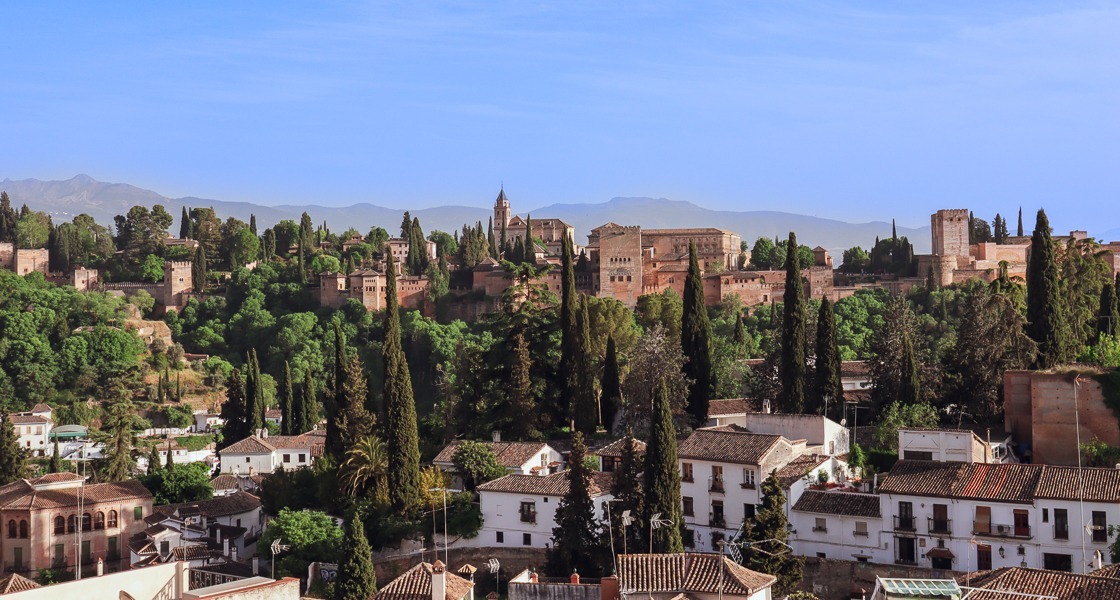
In the spring we organized a week-long tour of Andalusia, Spain and it remains one of our most unforgettable trips. This southernmost region of Spain is exceptionally rich in things to do and see — stunning cities like Seville, Granada and Córdoba, endless beaches along the Costa del Sol, the peaks of the Sierra Nevada, charming white villages (pueblos blancos), and countless historical and cultural sights including Moorish palaces, cathedrals and flamenco tablaos.
In this Andalusia travel guide we share everything you need to plan the perfect independent trip to the region — when to visit Andalusia, how to get around, the best places to visit in Andalusia, and a complete 7-day Andalusia itinerary. Beyond the famous highlights, we’ll also point you toward hidden gems, off-the-beaten-path villages and interesting stops that many tourists miss. Whether you’re planning a road trip through Andalusia or traveling by public transport, we hope this guide helps you make the most of your trip.
Brief Information about Andalusia
Andalusia is the southernmost region of Spain and one of the most popular tourist destinations in Europe. The region stretches from the mountains of Sierra Nevada to the shores of the Mediterranean Sea and the Atlantic Ocean, offering incredible diversity of landscapes – from golden beaches to whitewashed mountain villages and snow-capped mountain peaks.
This is a region with unique cultural heritage, marked by eight centuries of Moorish presence, which is reflected in the architecture, traditions and way of life. Magnificent monuments such as the Alhambra in Granada, the Mezquita in Cordoba and the Alcazar in Seville are included in the UNESCO list and attract millions of visitors annually. The name Andalusia derives from the Arabic “Al-Andalus” – the name by which Muslim rulers designated the territories of the Iberian Peninsula under their control during the Middle Ages.
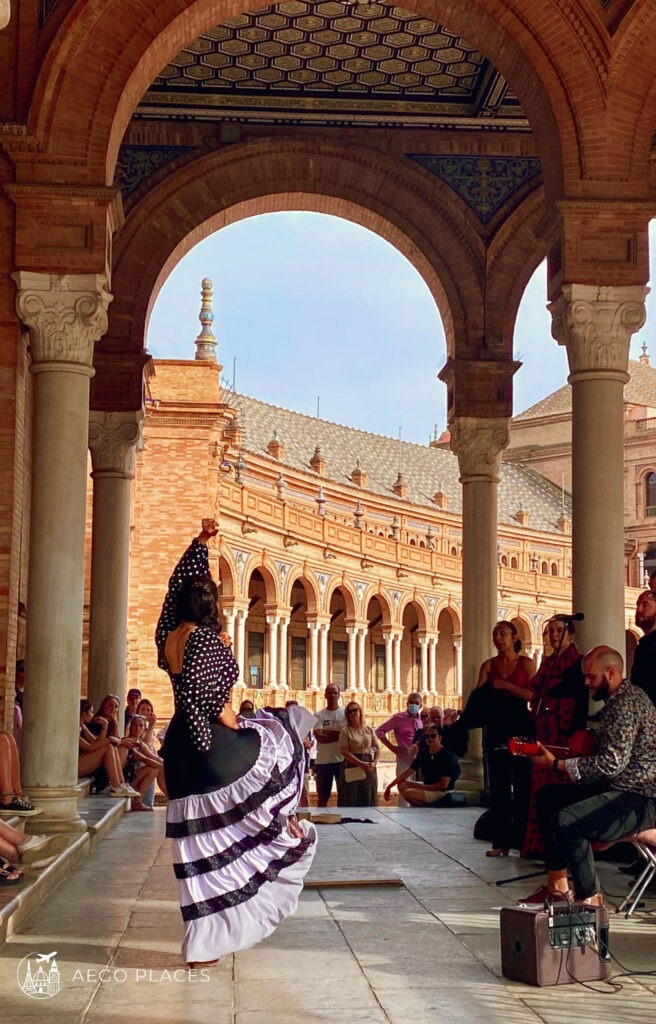
Andalusia is the birthplace of flamenco – the passionate dance and music that are an integral part of Spanish identity. With its sunny climate, rich gastronomy and the warm hospitality of the local people, Andalusia remains one of the most beloved destinations for travelers from all over the world.
When to Visit Andalusia
If you are wondering when is the best time to visit Andalusia, the key question is whether you are looking for a beach holiday on the Costa del Sol (the coastal strip in the southern part of the region) or a tour of cities and sights.
- For the beach, then the answer is clear – the period between June and September. Outside this period the air temperature may be suitable, but the sea water is cold. We were there in May and although the air temperatures were high, the sea was still cold.
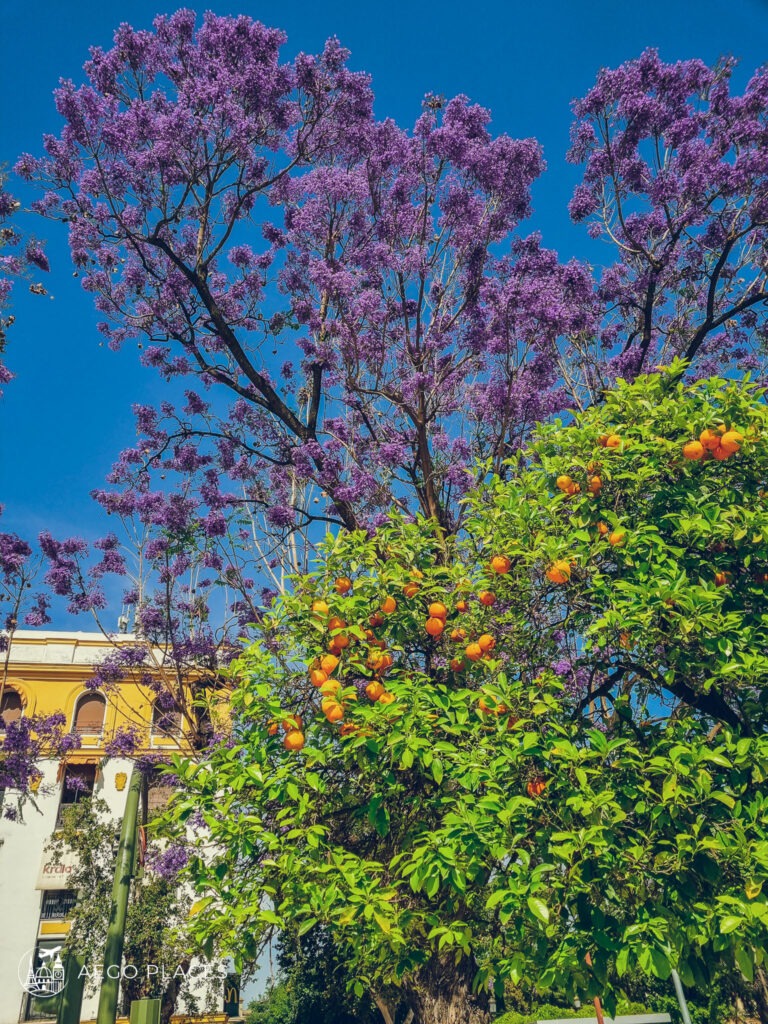
- If your goal is sightseeing, then we would rather advise you to visit Andalusia in spring – the temperatures are ideal for walking, everything turns green, the orange trees blossom and everywhere smells incredible. In summer the heat is unbearable – this is one of the hottest spots in Europe and the trip will not be complete if you are constantly looking for ways to escape from the sun.
If you do not have the opportunity in spring or there are no good deals on flights, autumn is also very suitable for a trip to Andalusia, especially October and November. Winters in Andalusia are mild, accommodation prices are lower and crowds significantly smaller, but on the other hand, some of the charm is missing then.
Where to Stay in Andalusia
Since the region is large it is very difficult to determine, but if your goal is to visit the most interesting places in the region, we advise you not to sleep in only one place. This way you will spend a lot of time traveling. Larger cities like Seville, Malaga and Granada deserve at least 2 nights. Below we write more information about these cities and why it is worth spending more than one day there.
Hotel recommendations for Malaga
Based on our research, here are the best rated hotels and apartments in Malaga in Booking.com:
Top rated hotels in Malaga:
- ME by Meliá Málaga (9.3/10)
- Mariposa Hotel Malaga (9.1/10)
- Hotel Doho (9.1/10)
- Petit Palace La Equitativa (9.0/10)
- Hotel Larios Málaga (8.9/10)
- Mi Andalusia Hotel Experience (8.9/10)
- Hotel Don Curro (8.6/10)
- Eurostars Astoria (8.6/10)
- Soho Boutique Urban (8.5/10)
Top rated rental apartments in Malaga:
- Wanderlust Malaga Apartamentos 3 (9.4/10)
- Graffiti Suites Málaga (9.3/10)
- Graffiti Suites El Museo (9.3/10)
- Wanderlust Malaga Apartamentos – Ático (9.3/10)
- Wanderlust Malaga Apartamentos 2 (9.3/10)
- Wanderlust Malaga Apartamentos 1 (9.0/10)
- Capuchinos 31 (8.9/10)
- Apartamentos Málaga Premium – Calle Granada (8.7/10)
- Málaga City Breaks (8.7/10)
- Armengual Centro Apartments (8.7/10)
- BHost – Colón (8.6/10)
- MÁ Homes Postigos (8.5/10)
- Oliva Apartments Molinillo (8.5/10)
Getting Around Andalusia – Public Transport or Car Rental
Car Rental
You cannot go wrong if you rent a car. It allows maximum flexibility and gives you the opportunity to visit the most places in a short time, including small villages and interesting stops along the way. Moreover, if you have a car, you can stay overnight in a house away from the tourist crowds in the big cities. The big disadvantage of a rental car is the price (it seemed quite expensive to us) and parking. In cities like Seville and Granada, the daily parking price can reach up to 25 euros, which is a considerable expense.
If you decide to rent a car, you can compare prices and offers from dozens of car rental companies on the DiscoverCars website.
Public Transport
Since we had organized our holiday only a month earlier, renting a car seemed quite expensive to us and we decided to travel by buses and everything went easily and smoothly – we can highly recommend public transport in Andalusia. Ticket prices did not exceed 10-15 euros, which suited us perfectly. Of course, it is not pleasant to conform to schedules, but fortunately there are at least several buses per day to each point, so with good planning this will not be an inconvenience for you. We checked schedules on sites like Omio and bought tickets online directly from the carrier’s website – this way you can save a few euros on commissions.
Besides buses, you can also travel by train to some points, but you need to research the routes well. Buses are definitely a more flexible option. Below we describe the most interesting places in Andalusia.
Most Interesting Sights and Cities in Andalusia
Malaga
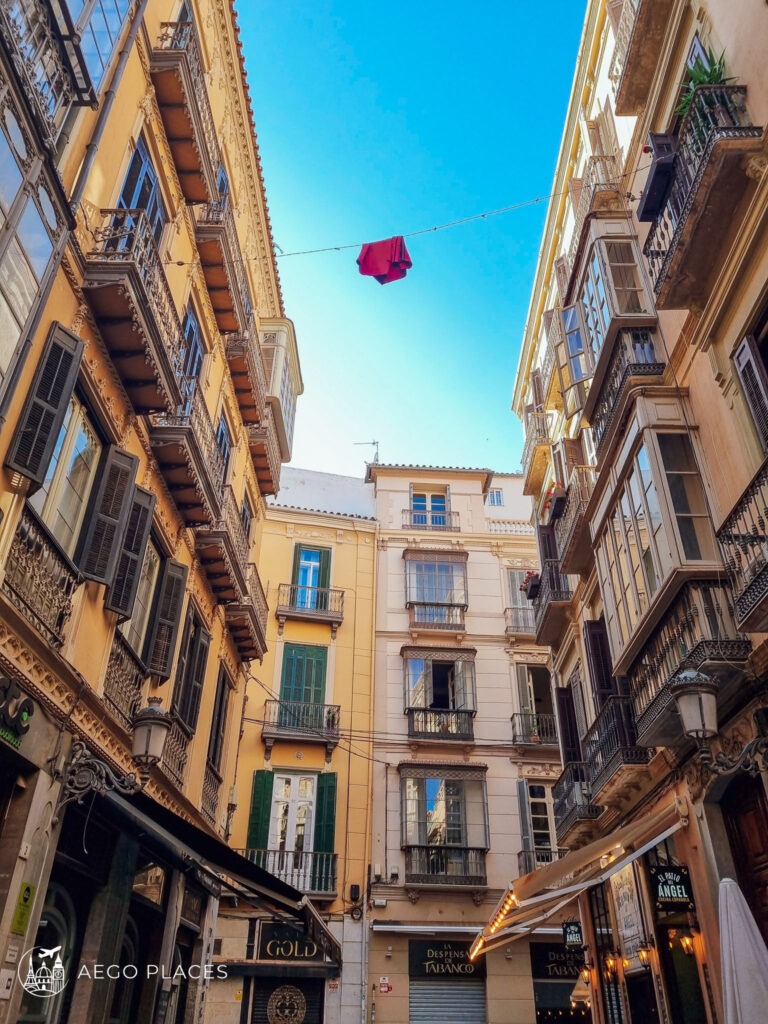
This is most likely your starting destination. We recommend at least one night there, for us 2 nights are optimal – the interesting places in the city are relatively concentrated, and the centre is very pleasant for walking and offers incredible restaurants. We are big fans of Mexican cuisine and in Malaga we found the best Mexican restaurant we have visited in Europe – Tulum Restaurant. These are the main sights in Malaga:
- Gibralfaro Castle – the castle rises on a high hill in the central part of the city and offers the most beautiful panoramic view over Malaga.
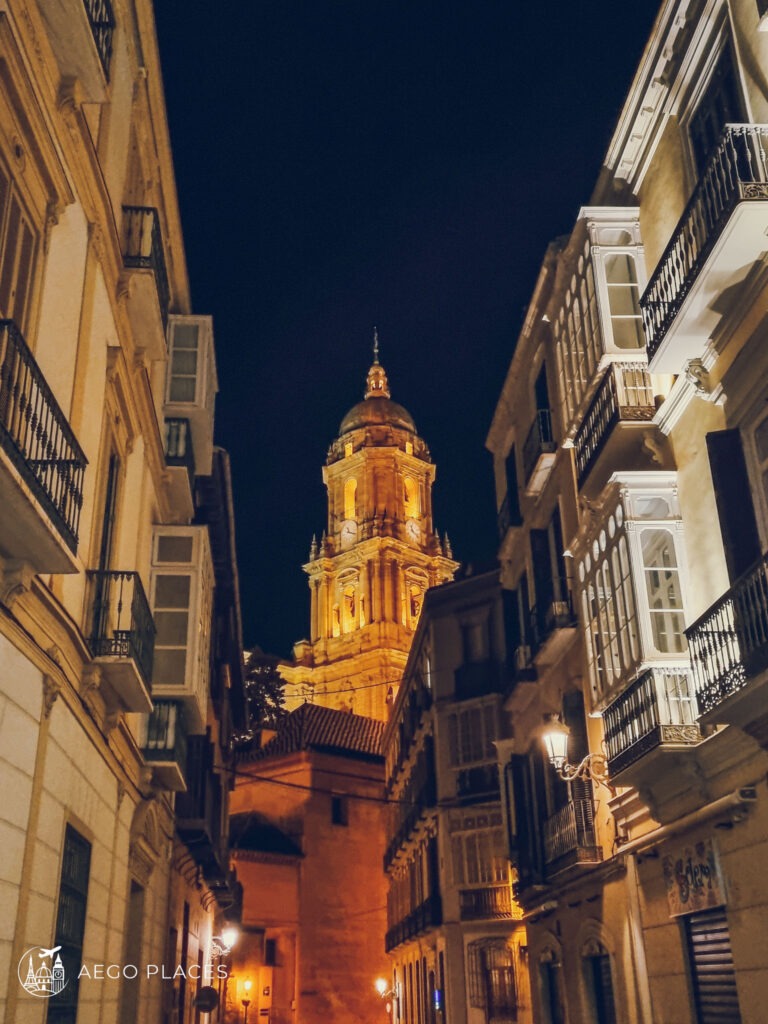
- Malaga Cathedral – one of the symbols of Malaga. Besides being beautiful on the outside, the cathedral has an interesting interior and tourists have the opportunity to climb to the roof, where a beautiful view of the city opens up. Unfortunately, entry is charged.
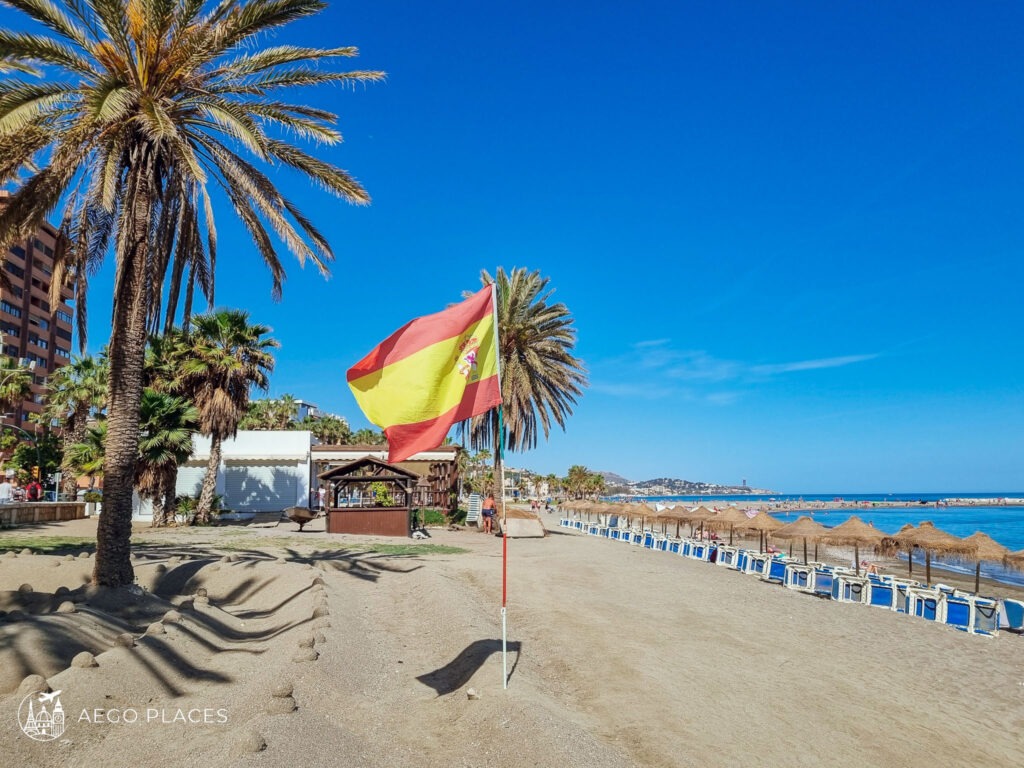
- The city beach Malagueta (La Malagueta). The beach strip is relatively wide, the beach is sandy and has numerous bars and restaurants nearby.
- If you are fans of modern and street art, you can also visit the Soho neighbourhood close to the historic centre.


Seville
Seville is the capital of Andalusia, our favourite city in Spain and is in the top 3 of our favourites in Europe. Unlike Barcelona, Seville seemed to us a much cleaner, safer and more organized city. If you want to learn more, in the blog we have a complete guide with detailed information about travel and sights in Seville.
Located on the Guadalquivir River, Seville has been an important commercial and cultural centre since ancient times, but after the discovery of America in 1492, the city became one of the richest cities in Europe. During the 16th and 17th centuries, gold and silver from the American colonies passed through its port, bringing enormous wealth and turning the city into an important economic and cultural centre. This wealth left a lasting mark on the architecture – it was then that many of the impressive buildings and monuments we see today were built.
We recommend at least 2 nights in Seville, as one day will be insufficient to visit the most interesting places it offers.
Among the main sights of Seville are:
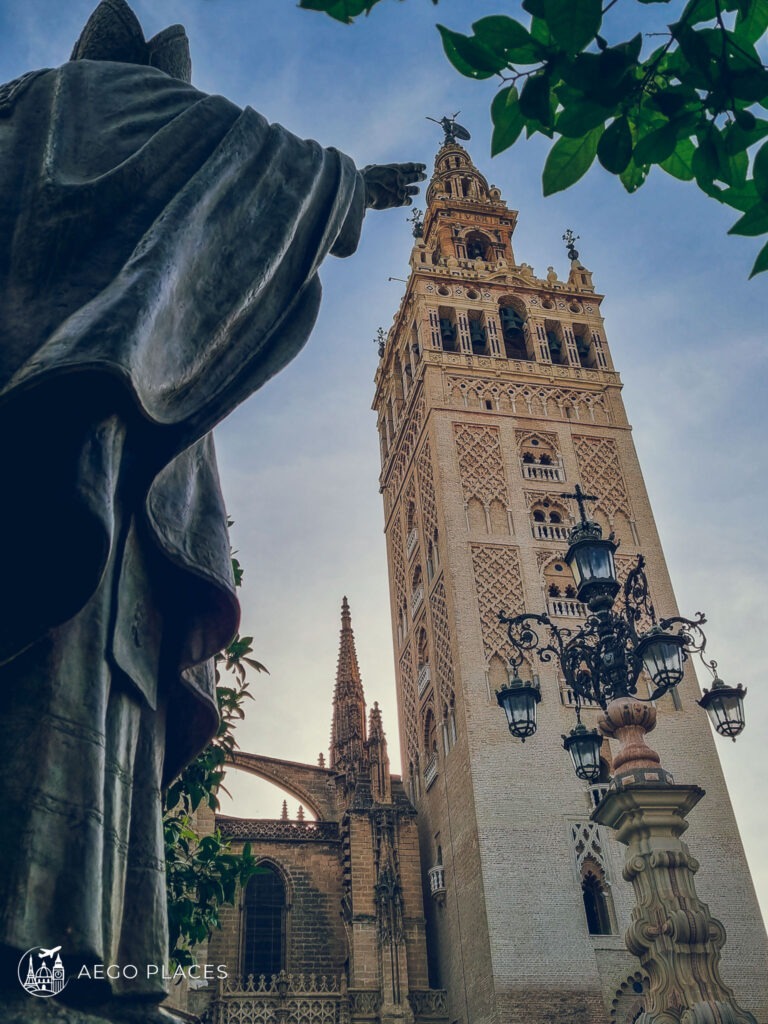
- Seville Cathedral (the fourth largest in the world) with the Giralda tower
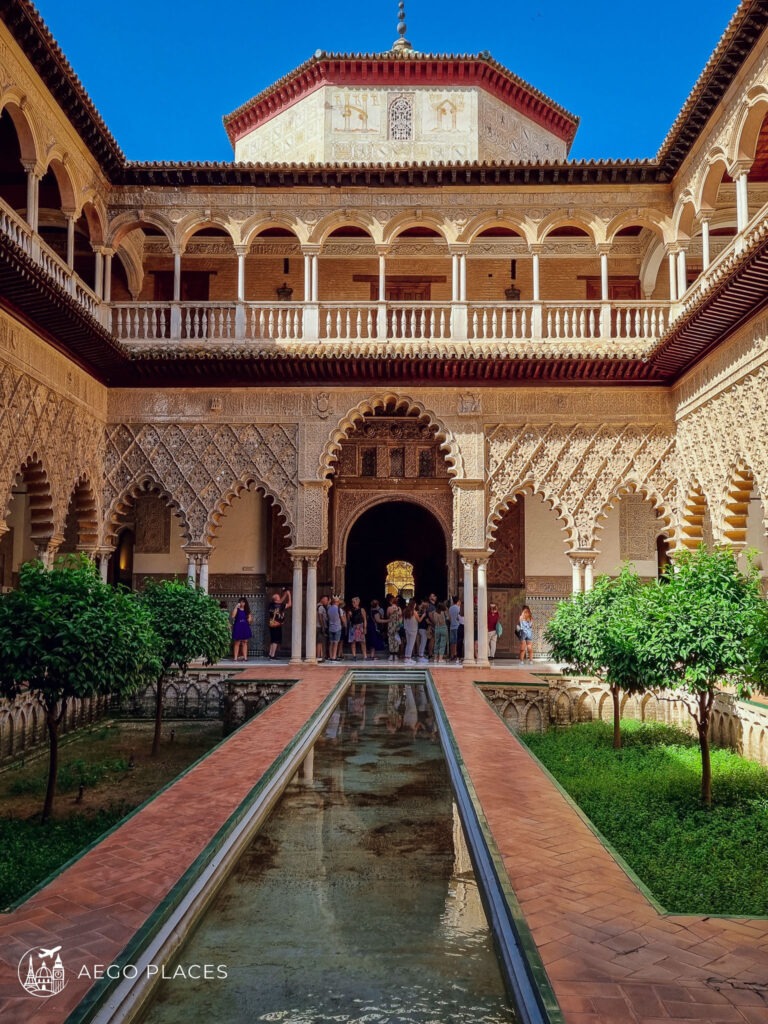
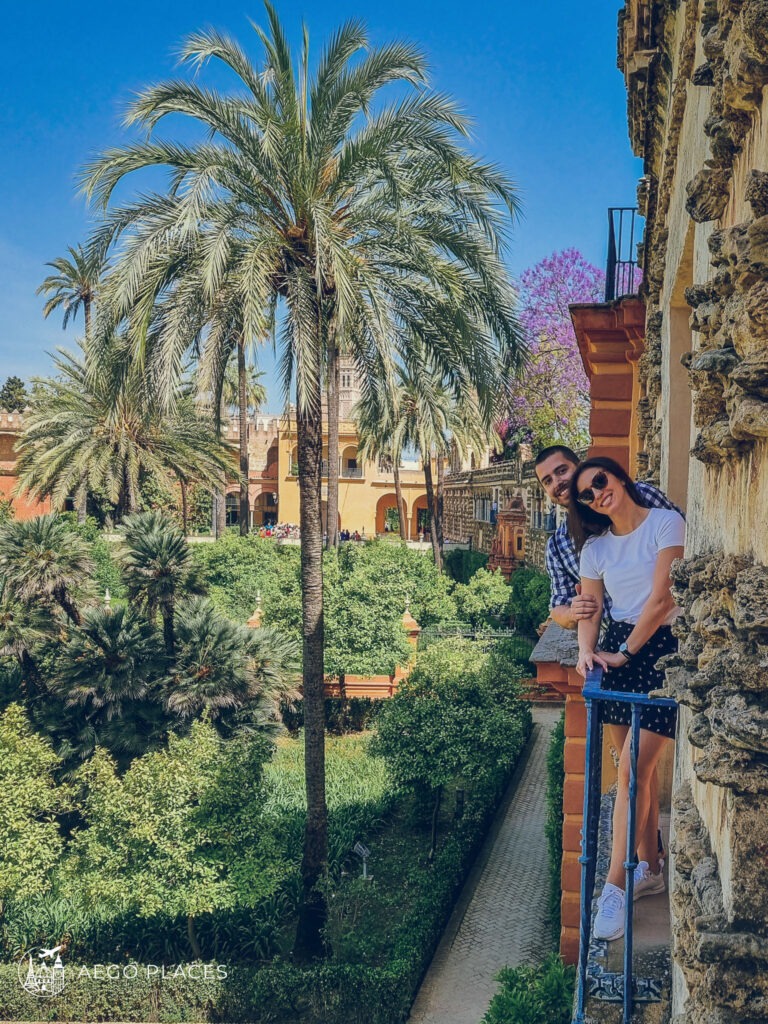
- The Royal Alcazar (Real Alcázar de Sevilla) – this is a magnificent royal palace in the heart of Seville, which was originally built as a Moorish fortress, and later expanded and renovated by the Christian kings of Spain. The palace is a unique combination of Moorish (Arabic), Gothic and Renaissance elements, and is known for its elegant decorations, magnificent halls and fairytale gardens with fountains, palms and diverse vegetation. The gardens are among the most beautiful we have seen.
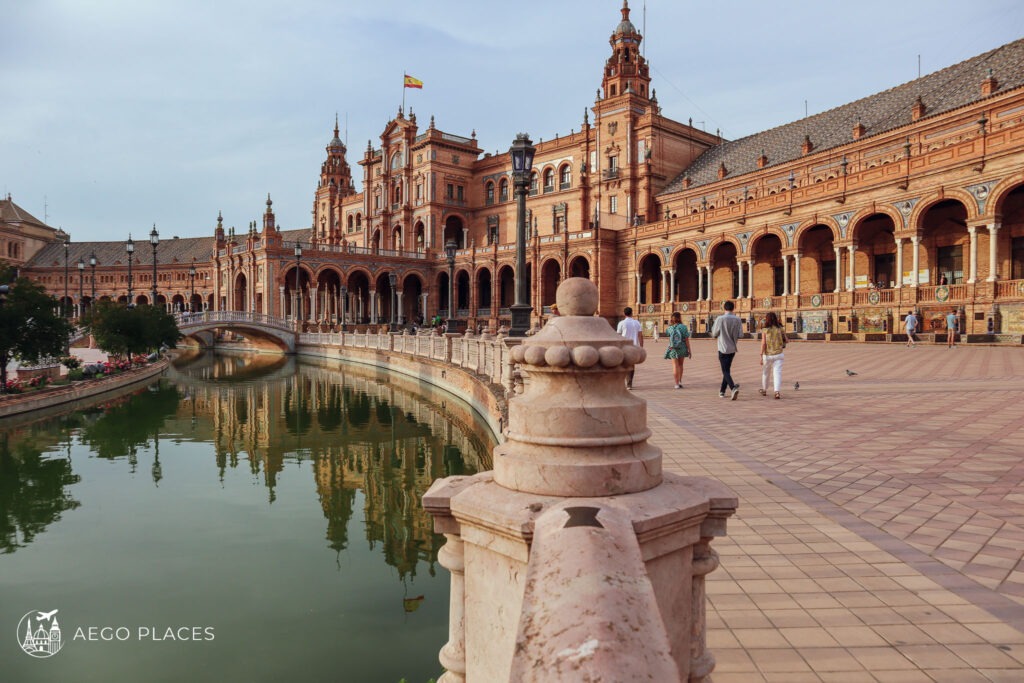
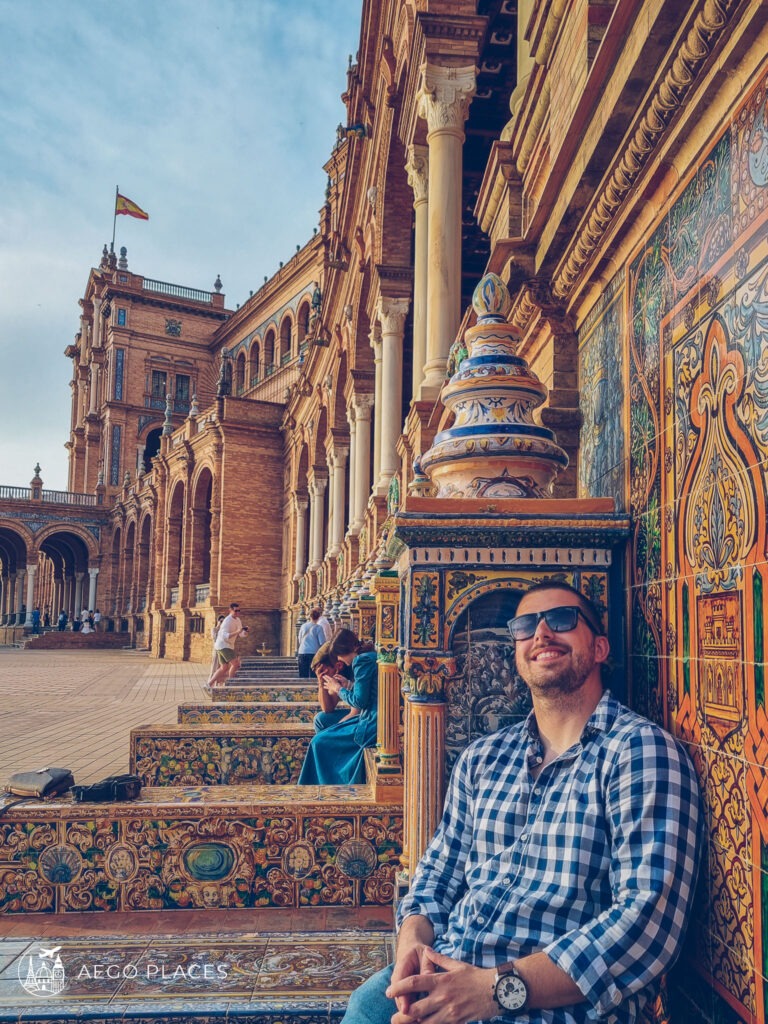
- Plaza de España – one of the most impressive squares in Spain, built in 1928 for the Ibero-American Exhibition. The grandiose complex combines Renaissance and Oriental elements, decorated with colourful ceramic tiles representing all Spanish provinces, and the central canal with bridges makes the place extremely romantic.
- The historic centre of Seville and neighbourhoods such as Santa Cruz with narrow cobbled streets and beautiful architecture
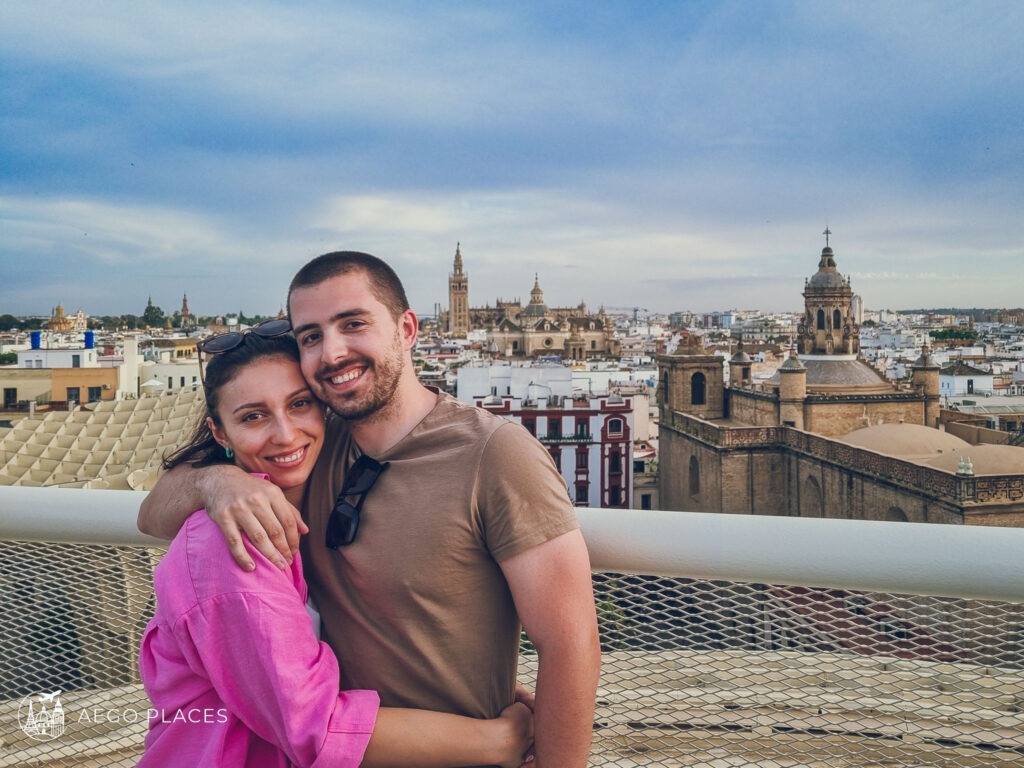
- Metropol Parasol – the largest wooden structure in the world and a true modern masterpiece in the heart of the city. We recommend watching the sunset over the city from there, it is incredible!
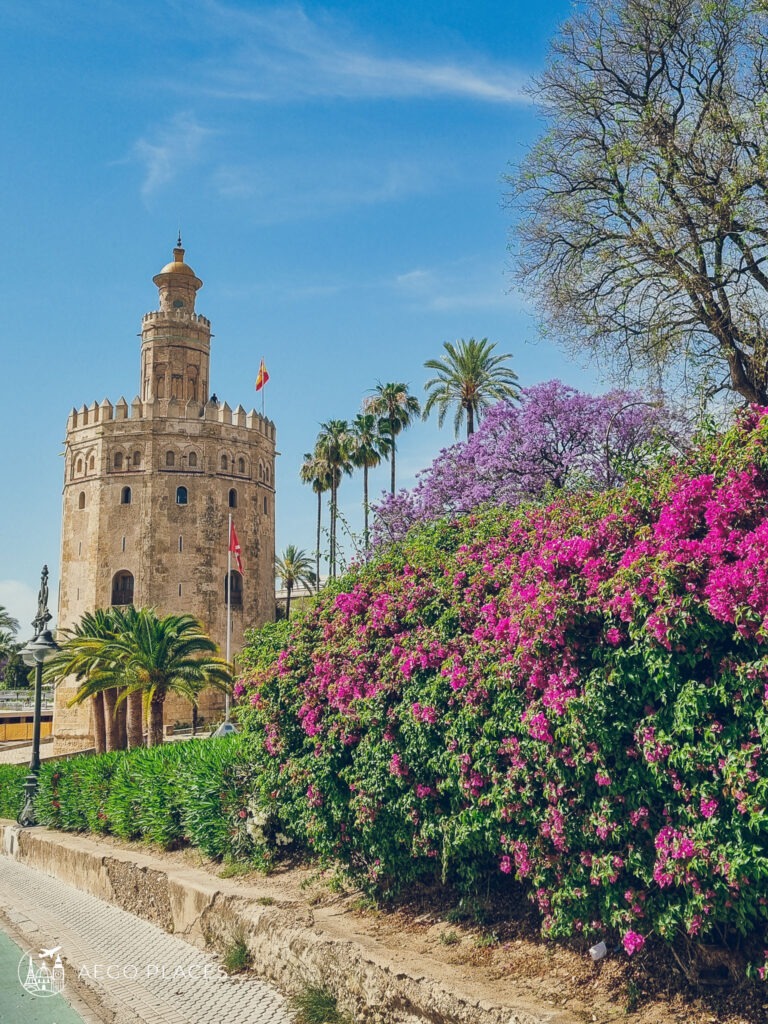
- Torre del Oro Tower – it was built by the Arab rulers as a watchtower and defensive barrier on the river. This is one of the symbols of the city.
Besides the listed sights, the city also has numerous museums and interesting places to visit. Be sure to visit a tapas bar – Seville is considered the capital of tapas culture and has numerous bars and restaurants offering interesting tapas – from traditional to modern.
Keep in mind that it gets extremely hot in the city during summer. We visited it in May and the sun was very strong. If possible, visit it outside the summer heat.

Granada
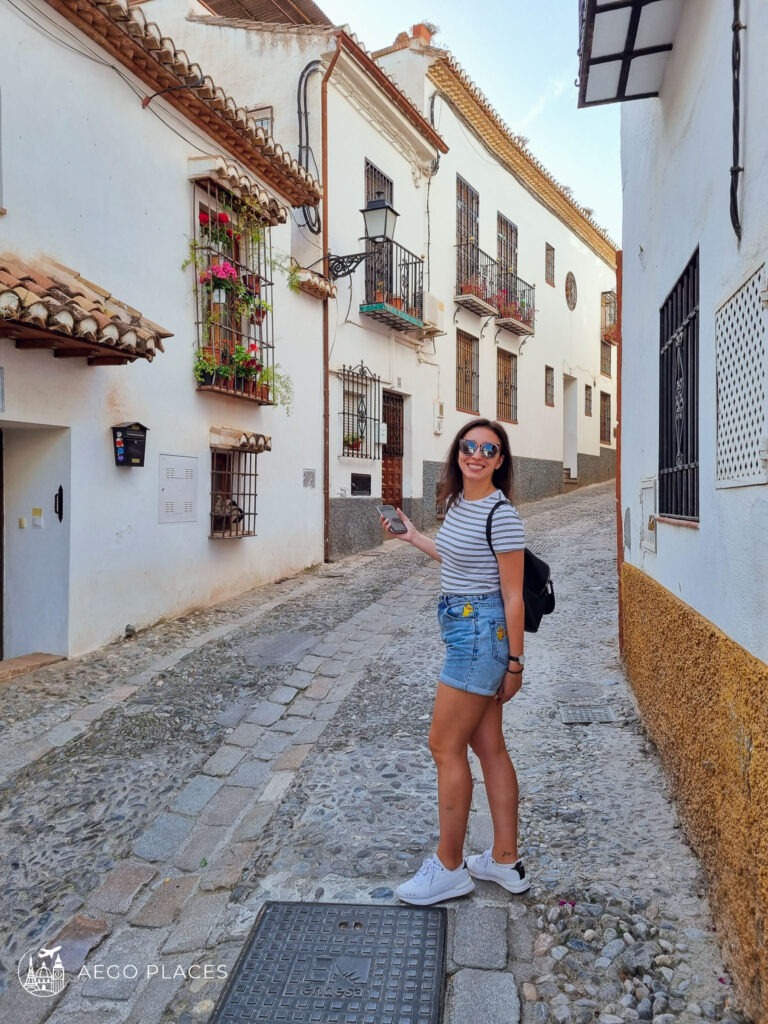
Granada is one of the most beautiful cities in Spain and a must-stop for anyone visiting Andalusia. Located at the foot of the Sierra Nevada mountain, the city offers a unique combination of mountain landscapes, Mediterranean charm and remarkable architecture. Granada is the last stronghold of Muslim Spain – in 1492, it fell under the rule of the Catholic monarchs Ferdinand and Isabella. Of the cities we visited, Granada has best preserved its oriental heritage and the historic neighbourhoods such as Albaicin are a real pleasure to walk through, especially in the morning or at sunset. Just like Seville, we recommend at least 2 nights in Granada, so you can see the city in its entirety and visit the Alhambra.
Among the main sights of Granada are:
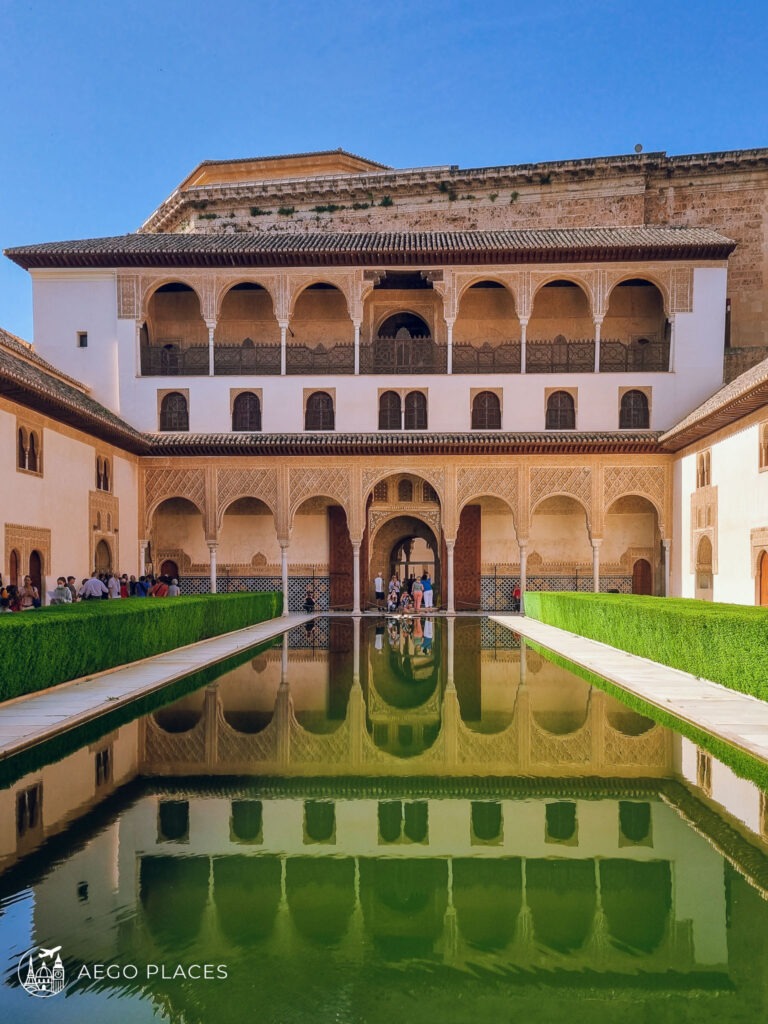
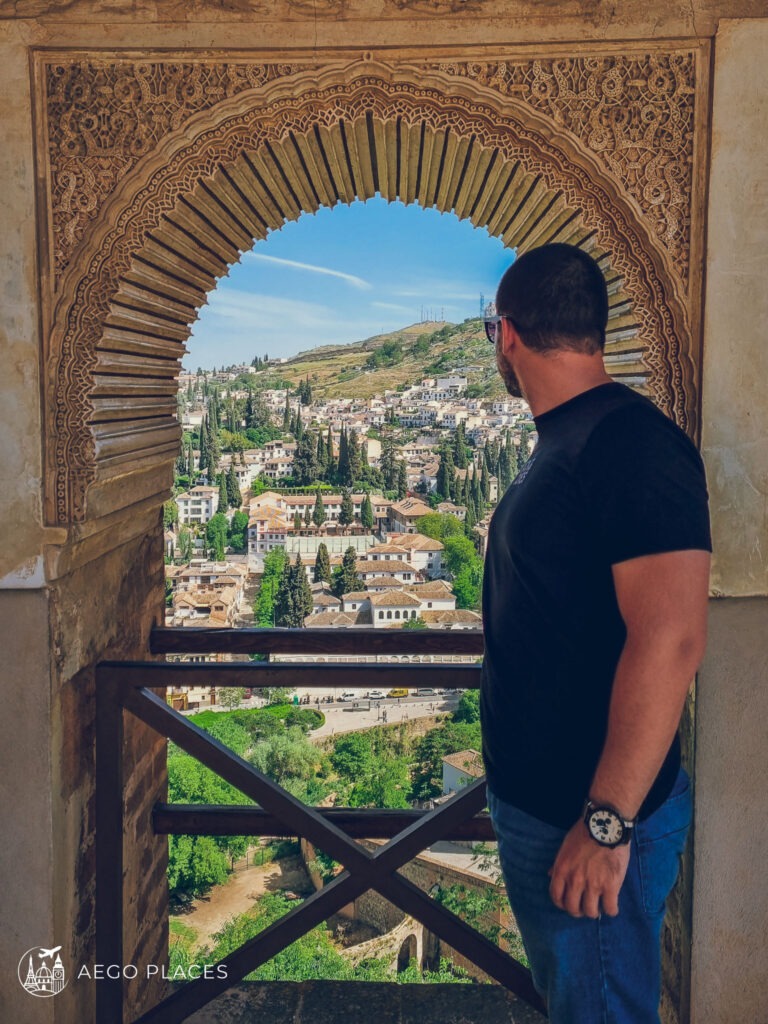
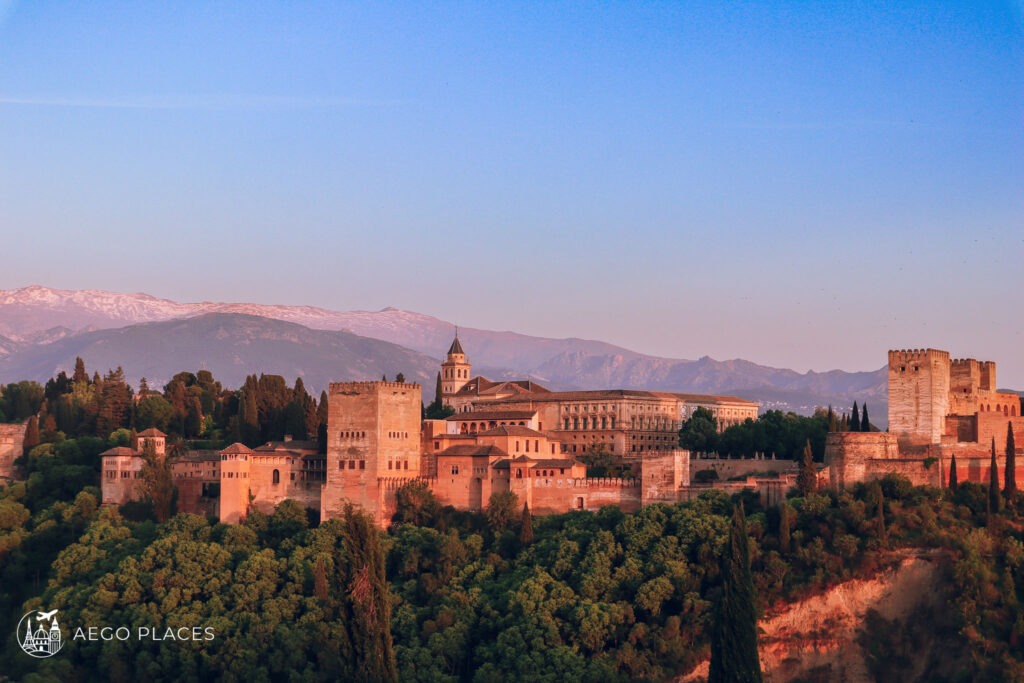
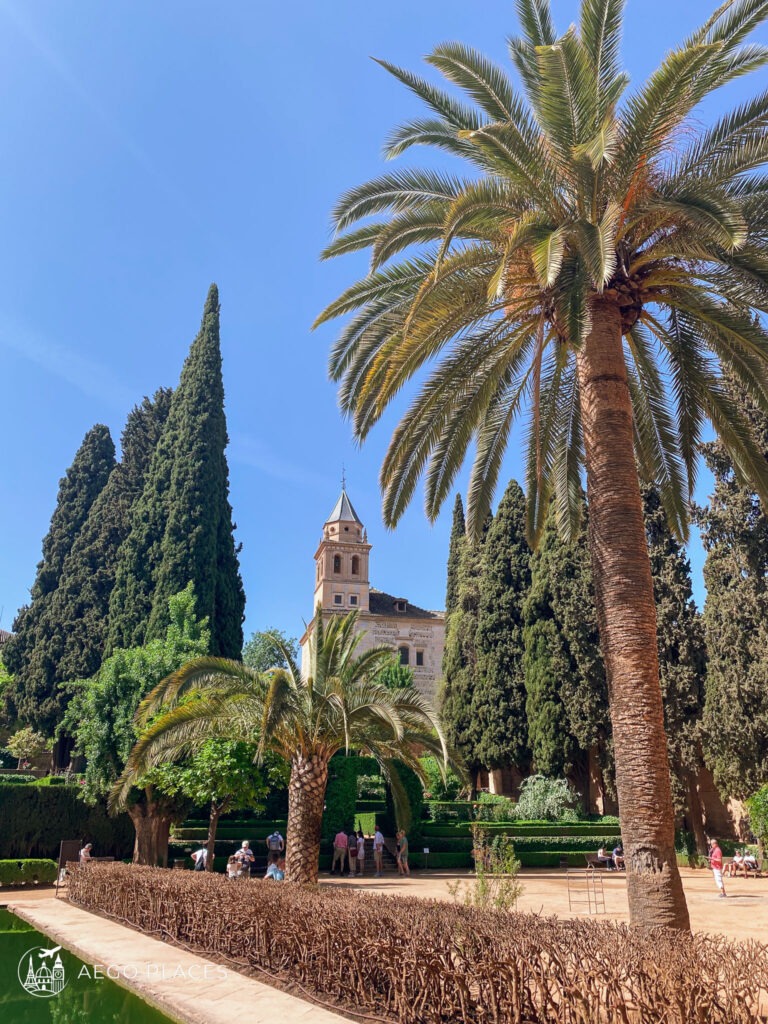
- The Alhambra Palace – the magnificent palace complex and fortress of the Nasrid sultans, built in the 13th-14th century. Considered the pinnacle of Moorish architecture in Europe, it is included in the UNESCO list and is the most visited monument in Spain. This is one of the most beautiful tourist sites we have visited. Be sure to buy tickets online at least a month in advance, as the number of visitors is limited and there are many who want to go!
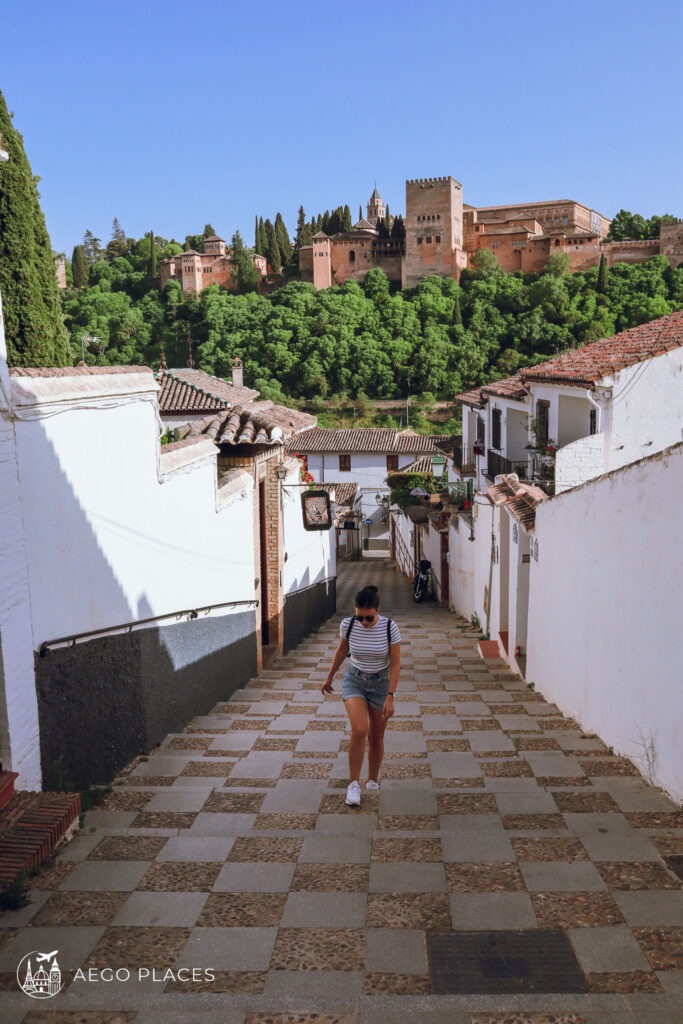
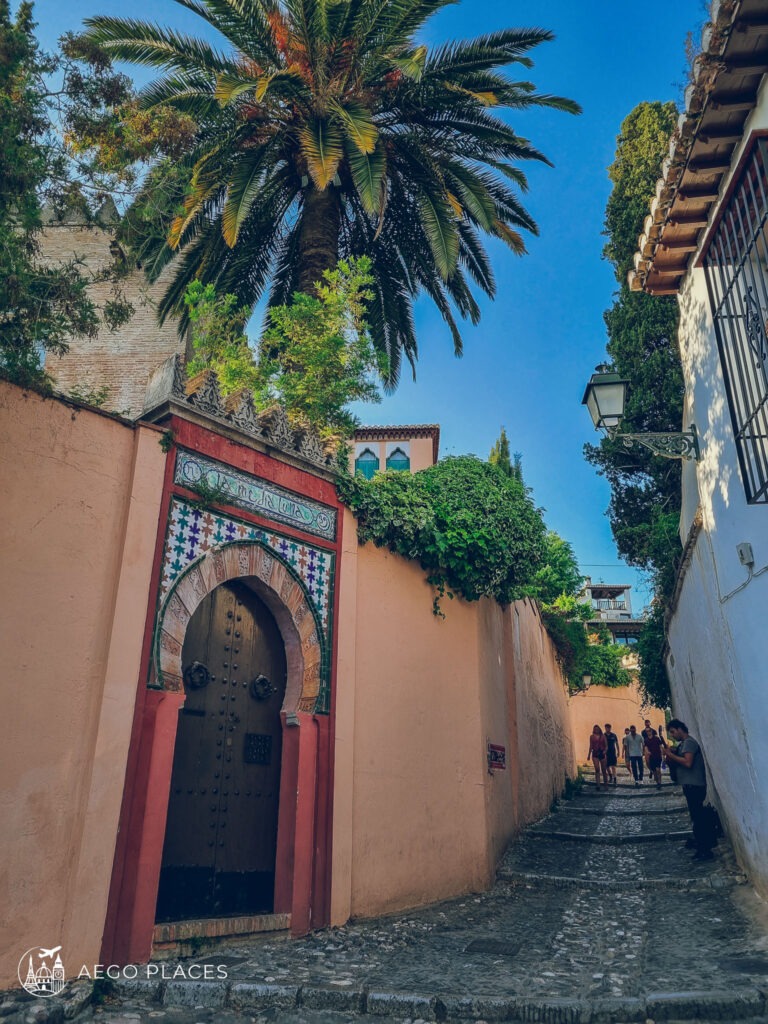
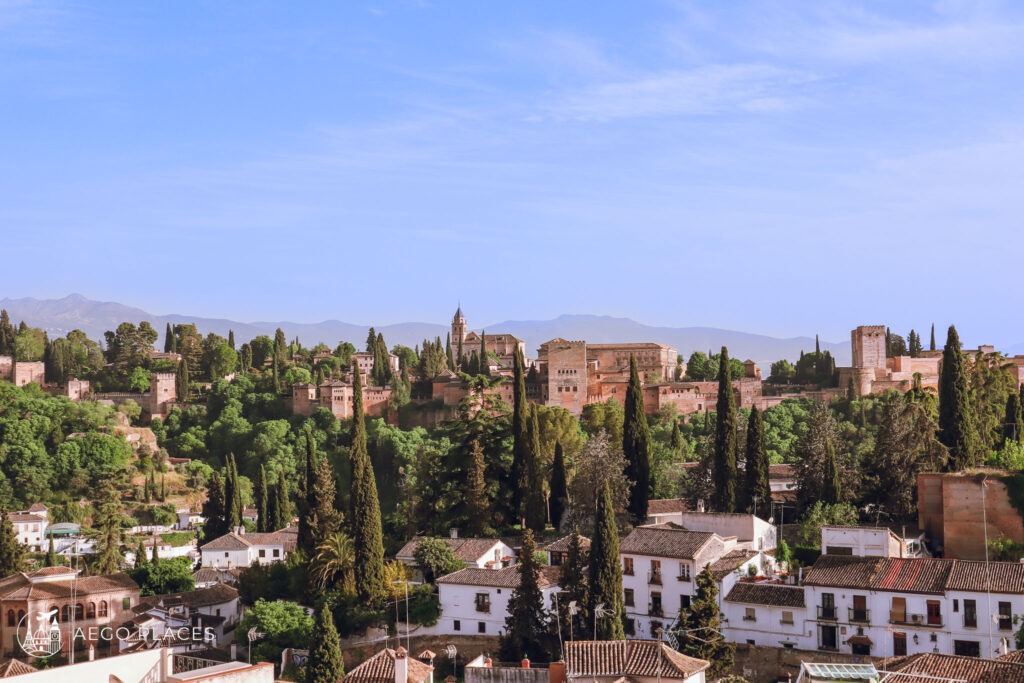
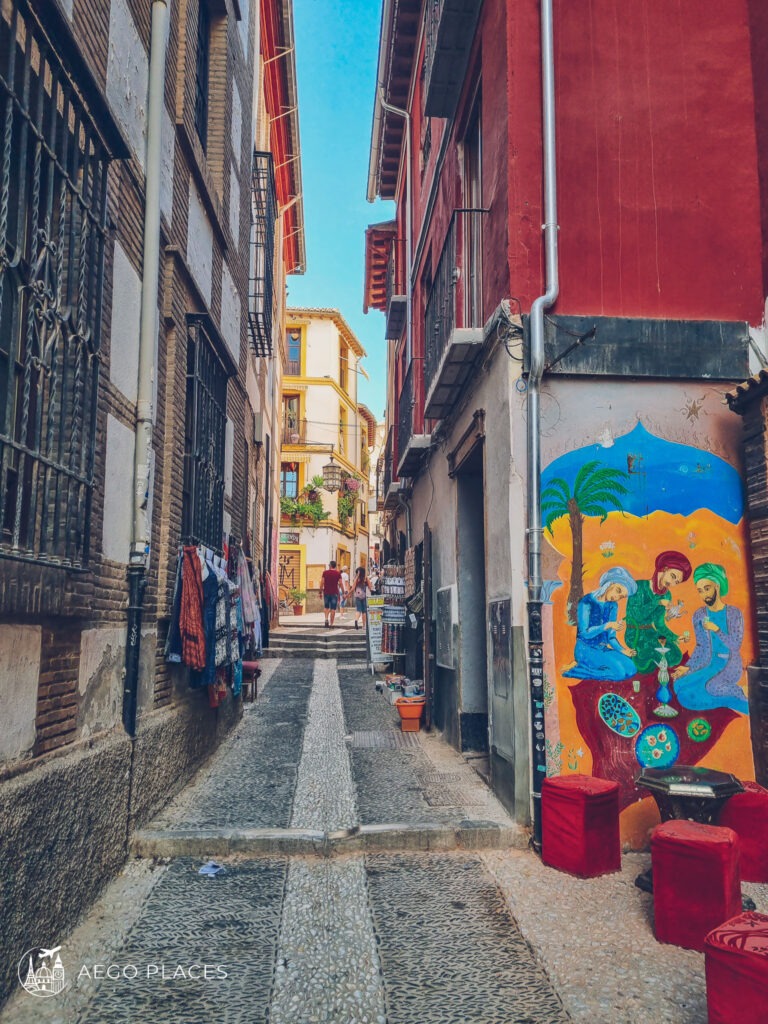
- Albaicin Quarter – the old Moorish quarter with narrow cobbled streets, whitewashed houses and traditional Moorish gardens. From the Mirador de San Nicolas viewpoint the most famous view of the Alhambra opens up.
- Sunset over the Alhambra from the Mirador de San Nicolas viewpoint in the historic Albaicin quarter
- Granada Cathedral – a Renaissance cathedral built on a former mosque after the conquest of the city. Next to it is the Royal Chapel, where the Catholic monarchs Ferdinand and Isabella are buried.
Just like Seville and Malaga, Granada offers an incredible selection of restaurants with local and international cuisine. The historic Albaicin quarter abounds with Moroccan restaurants.



Cordoba
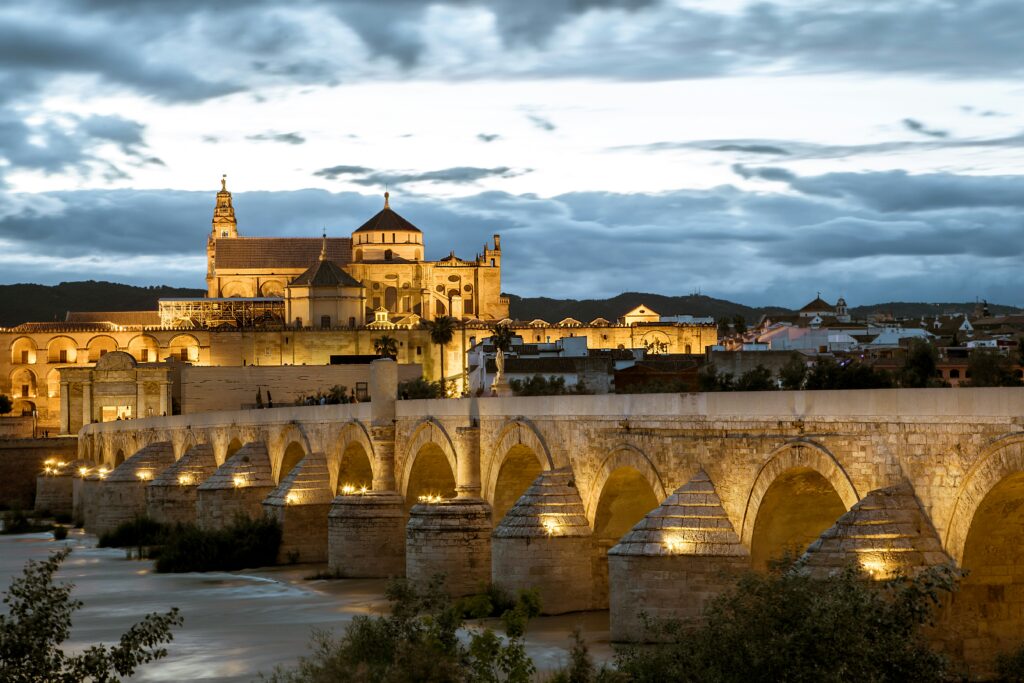
Cordoba is another emblematic historic city in Andalusia, located in the northern part of the region, on the banks of the Guadalquivir River. Although it is smaller than Seville and Granada, Cordoba is among the symbols of the region and we advise you not to miss it. About 1000 years ago, Cordoba was the capital of the Caliphate of Cordoba and one of the largest cities in Western Europe, which was among the most important intellectual and cultural centres of the continent.
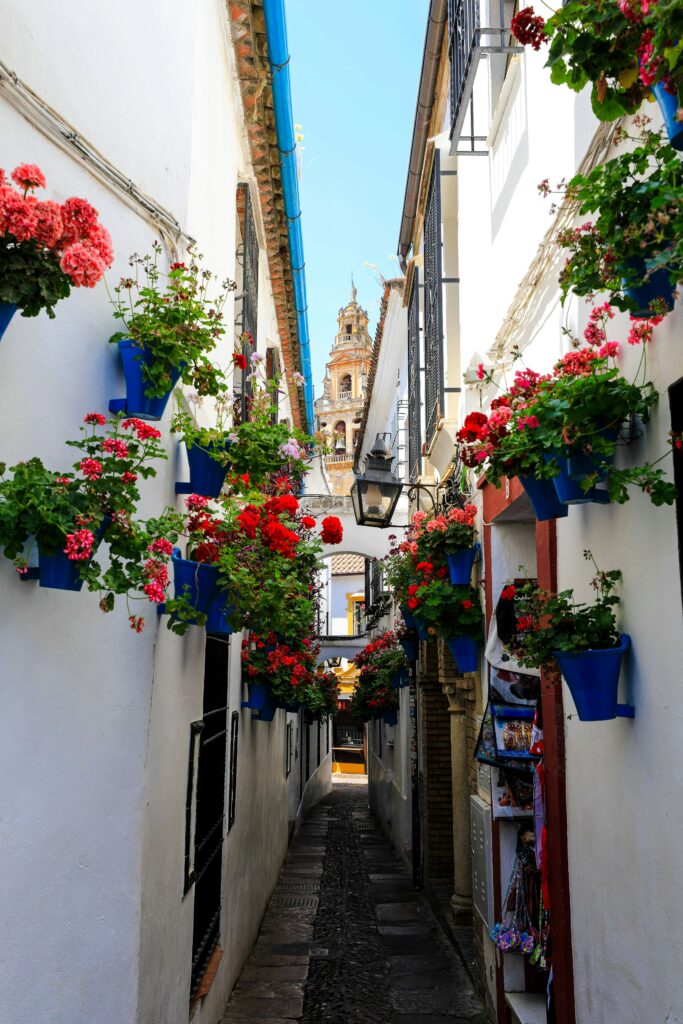
Cordoba is a very pleasant city for walking – the centre abounds with beautiful cobbled streets, white houses and interesting views from every corner. We recommend at least one night in the city, if you have a whole day you can visit the most interesting sights and enjoy the charming places for walking and views in the city.
The main sights of Cordoba are:
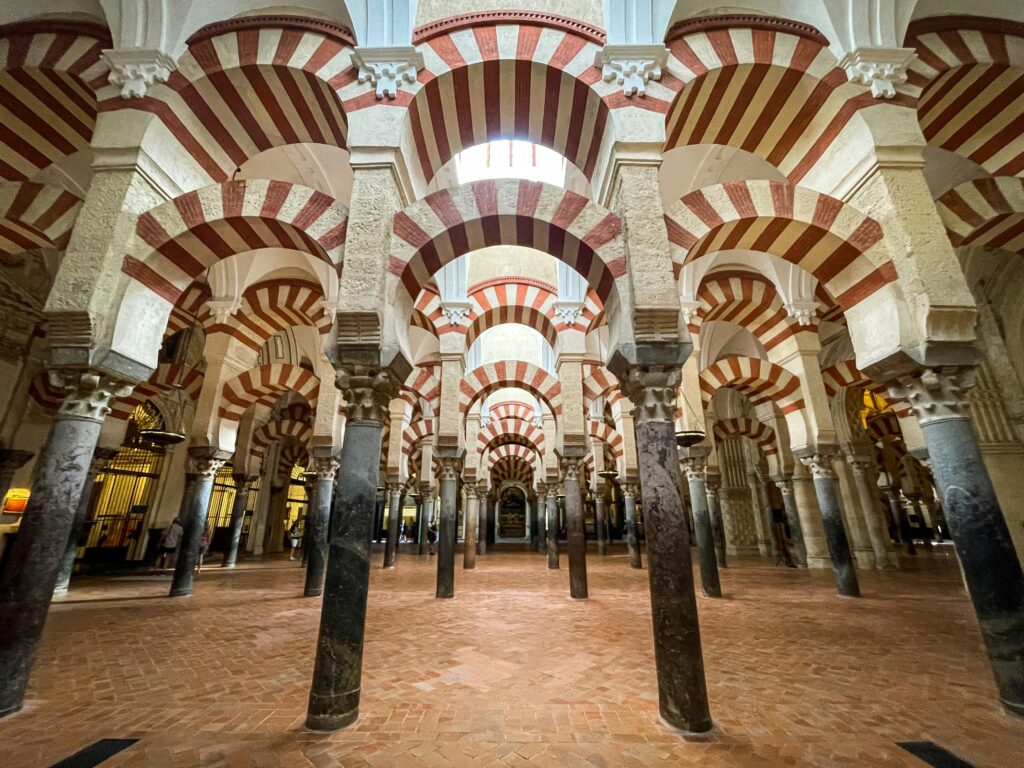
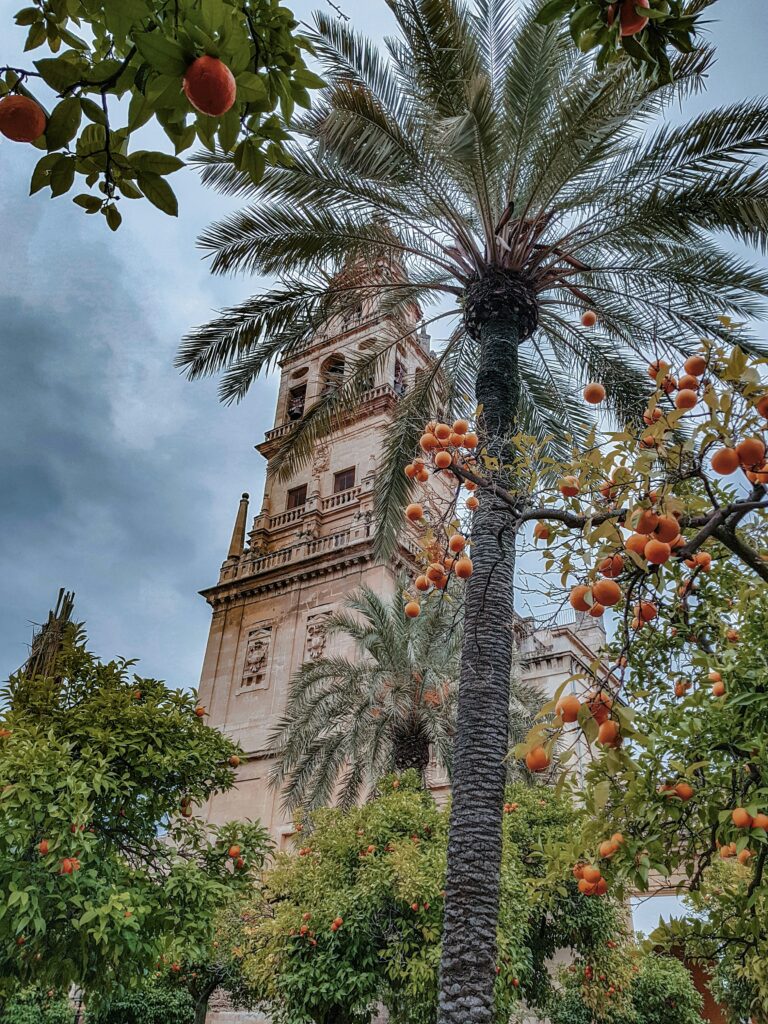
- The Mezquita (La Mezquita) – the grandiose cathedral, former mosque, is the symbol of Cordoba and one of the most remarkable monuments of Islamic architecture in the world. Built in the 8th century, it impresses with over 850 columns and characteristic red-and-white arches. After the conquest of the city by Christians, a Renaissance cathedral was built in the centre of the mosque, creating a unique combination of two religions under one roof.
- The Alcazar Castle (Alcazar de los Reyes Cristianos) – the royal palace, built in the 14th century. It is known for its beautiful terraces and gardens with fountains, which offer an oasis of tranquility in the centre of the city. It is not as impressive as the one in Seville, but worth visiting
- The inner courtyards in Cordoba (patios) – this is among the most characteristic features of the city. Most of the courtyards can only be visited with private tours, but you can peek into some freely.
Ronda
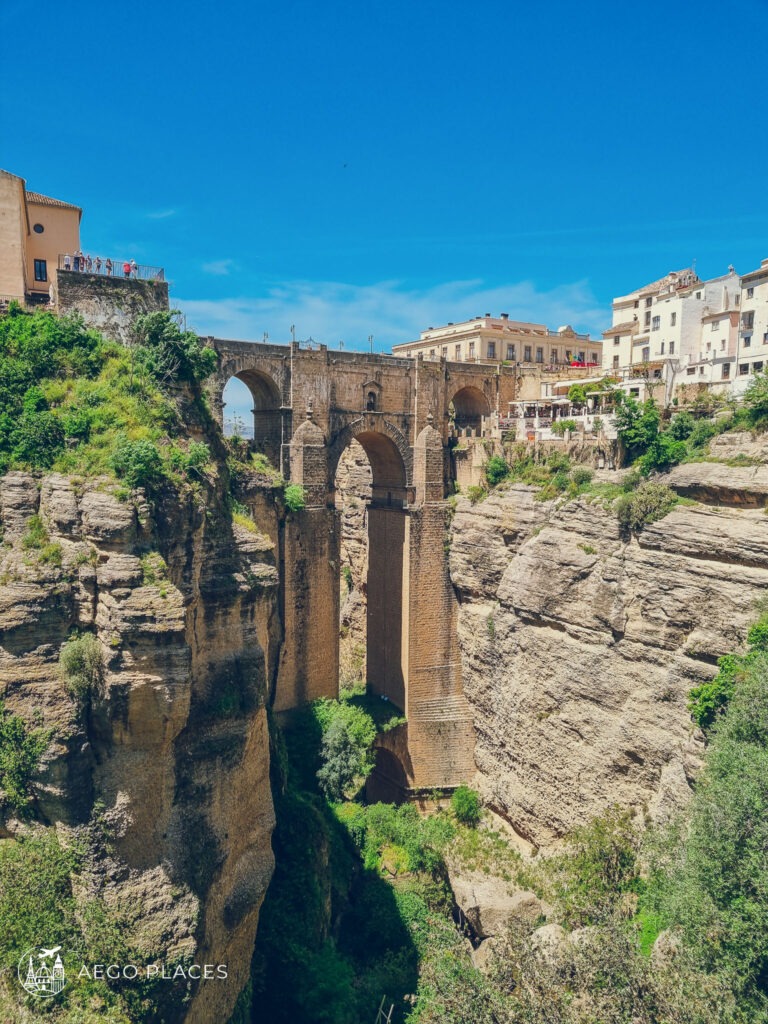
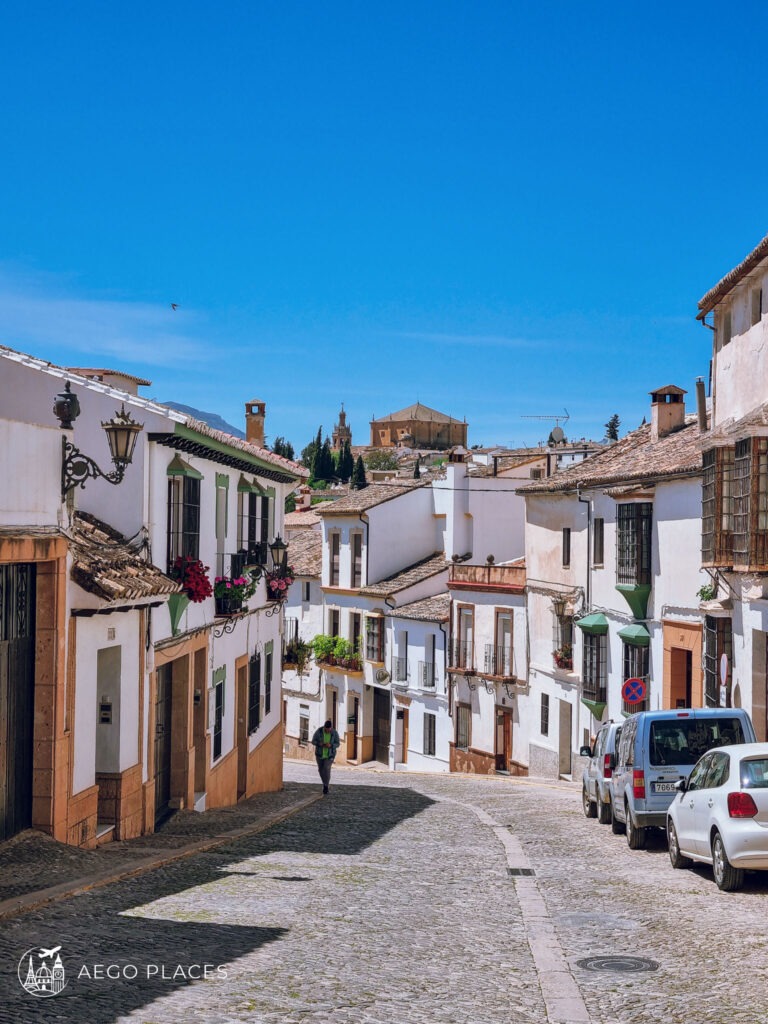
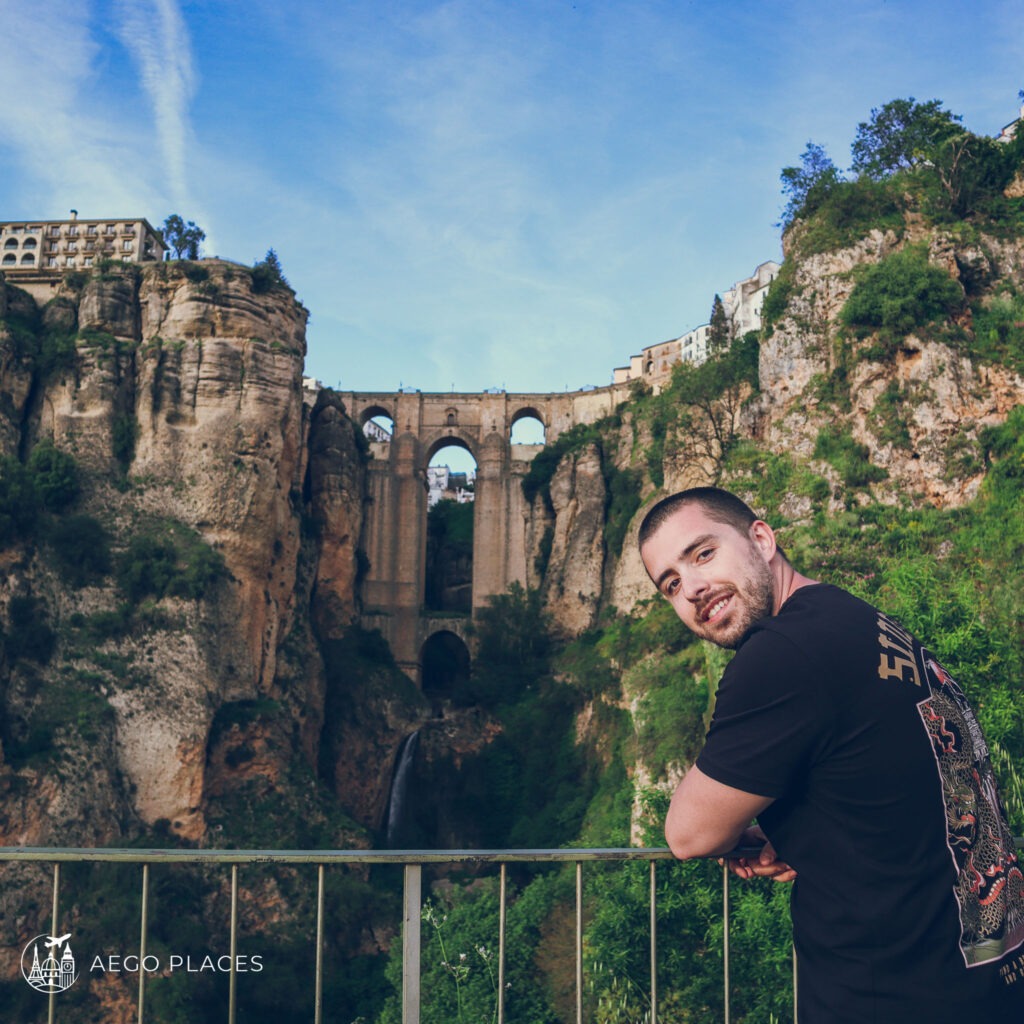
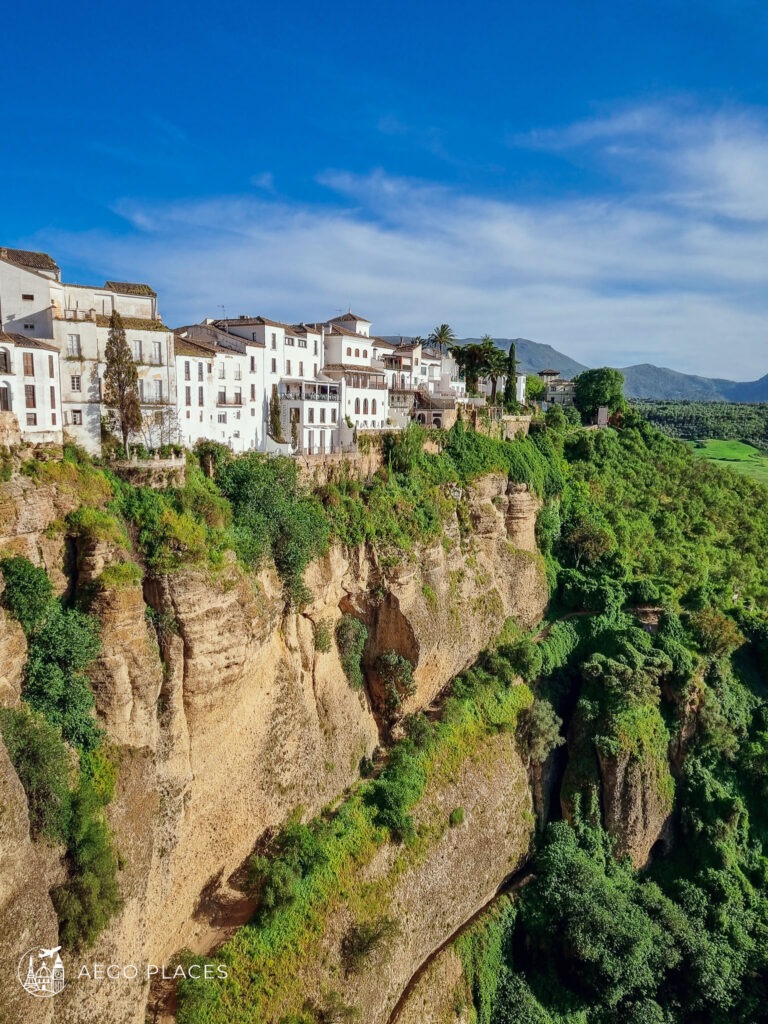
Ronda is a small town located about 100km from Malaga and is a perfect stop on the way between Malaga and Seville. Ronda is famous for the iconic Puente Nuevo bridge (New Bridge), which divides the city in two. The bridge is about 130m high and in person is even more impressive than in photos. For us personally, Ronda was the big surprise during our journey, because besides the famous bridge, we were also very pleasantly surprised by the beautiful architecture, incredible views and extremely charming streets that Ronda has.
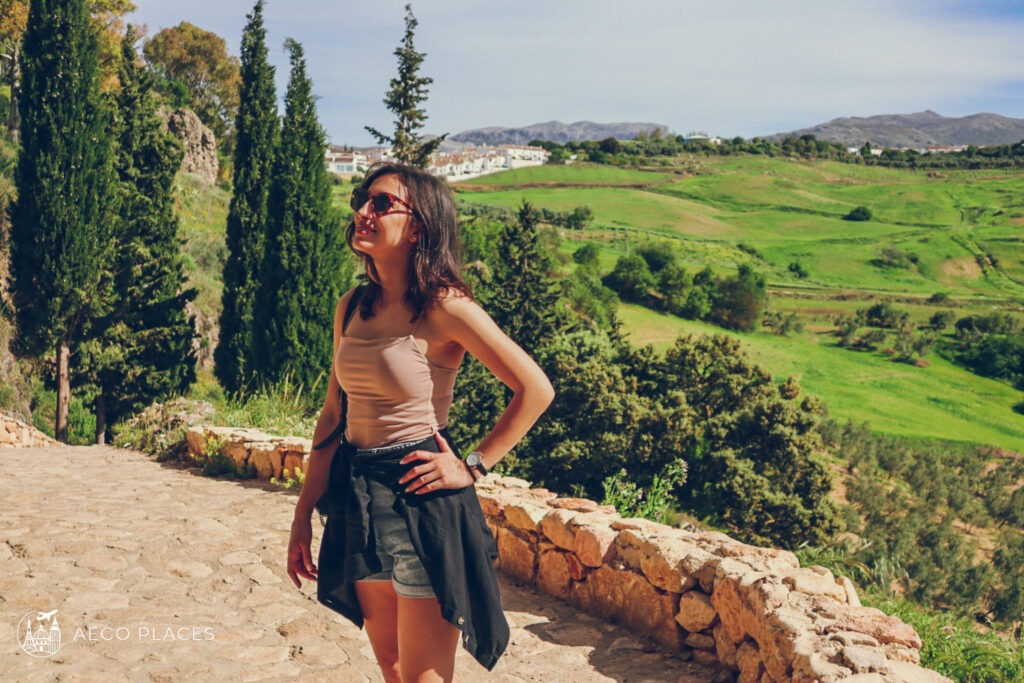
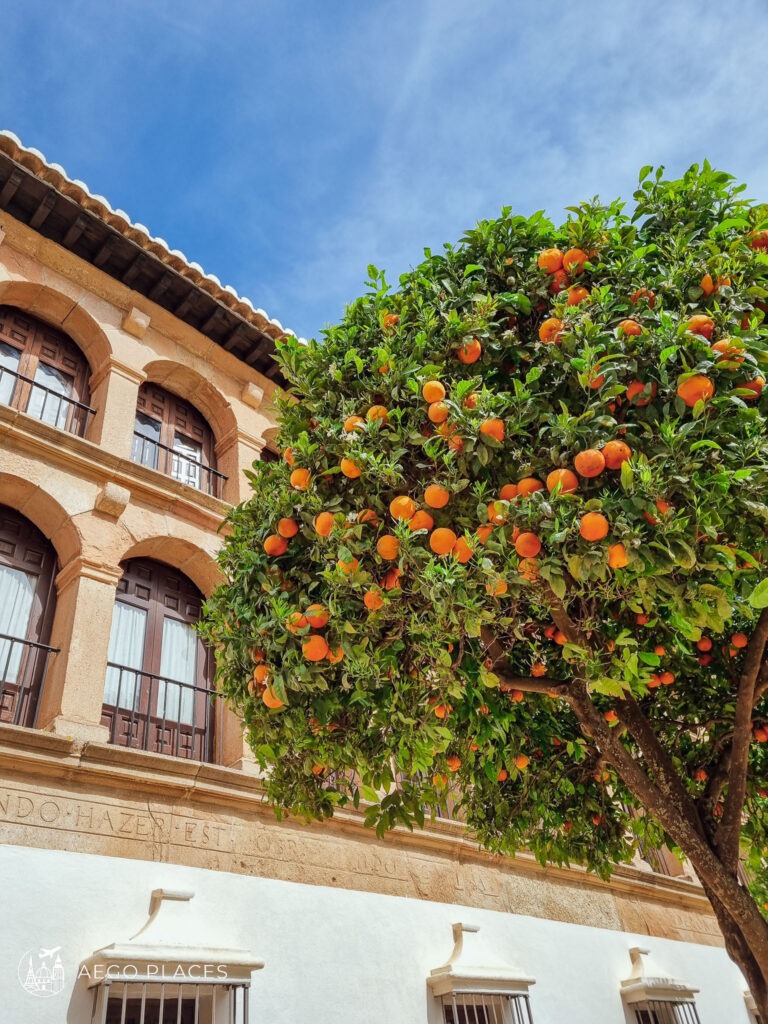
Most people visit the town only for a day trip, but we stayed overnight there and do not regret it – in the afternoon the town emptied of tourist groups and it felt as if we were walking alone through its beautiful streets. Moreover, in the centre of Ronda there are many orange trees and their blossoming coincided with our stay – it is hard to describe how pleasant it smelled everywhere, real magic! Towards evening we decided to go down a small path into the gorge, from where the most beautiful view of the bridge opens up. This was one of our most unforgettable sunsets.
Gibraltar
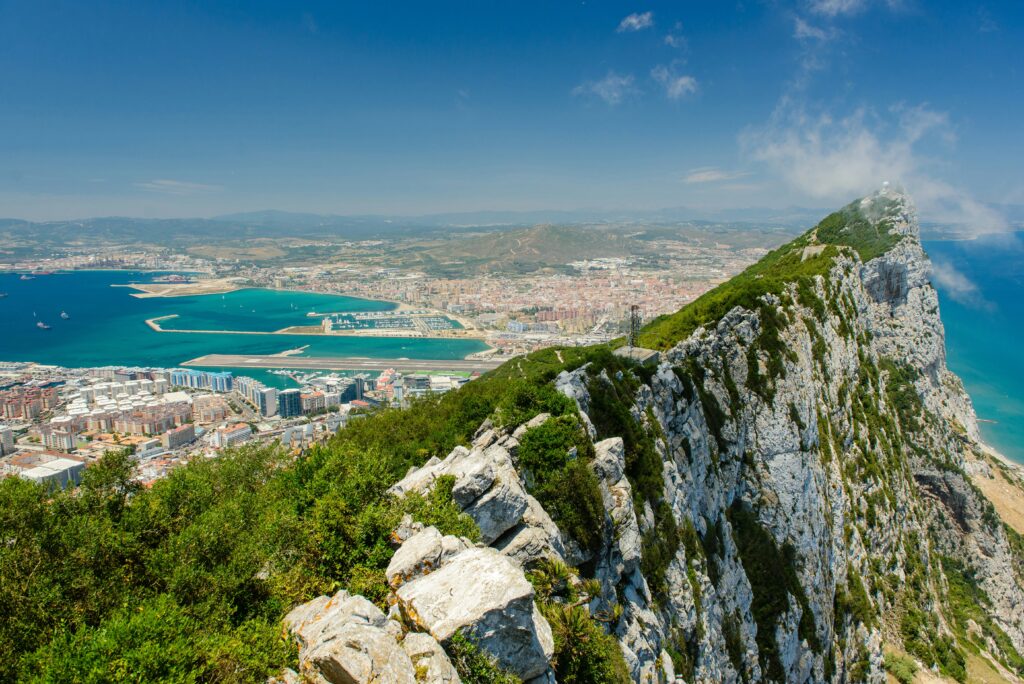
Gibraltar is a unique British overseas territory at the southernmost edge of the Iberian Peninsula – a small territory of only 6.8 square kilometres, dominated by the massive limestone rock that rises almost 500 metres above the sea. Gibraltar is like a small Mediterranean version of Great Britain – the main language is English, you will see red telephone boxes and British postboxes. From the top of the rock, on clear days, you can simultaneously see three countries – Gibraltar, Spain and Morocco, across the Strait of Gibraltar, which is only 14 kilometres wide.
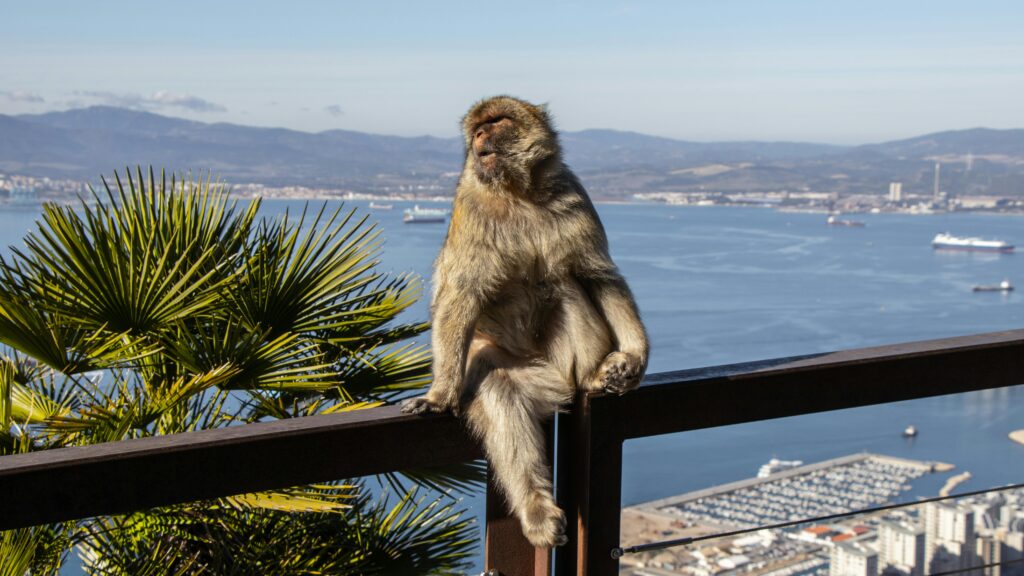
The biggest sight in Gibraltar is the Rock, and besides interesting nature and incredible views, there you will meet the only monkeys that inhabit Europe – Barbary macaques. Keep your personal belongings safe, because the monkeys can snatch something from your hands. In our opinion, Gibraltar is interesting for a day trip, but not worth an overnight stay there.
Cadiz
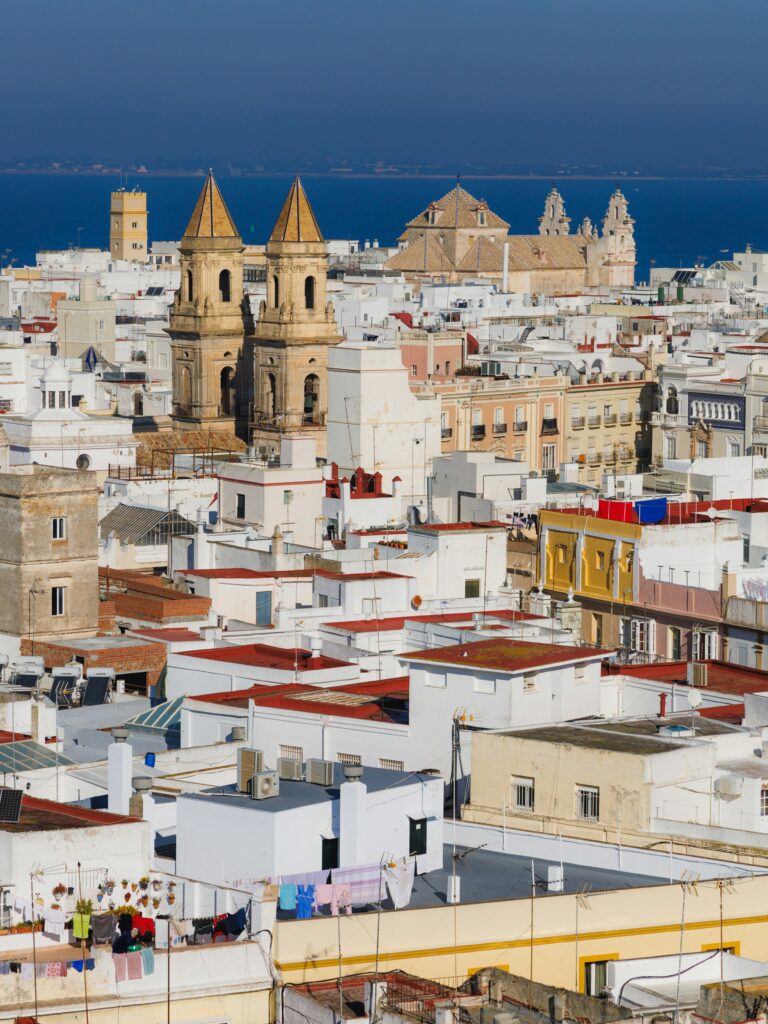
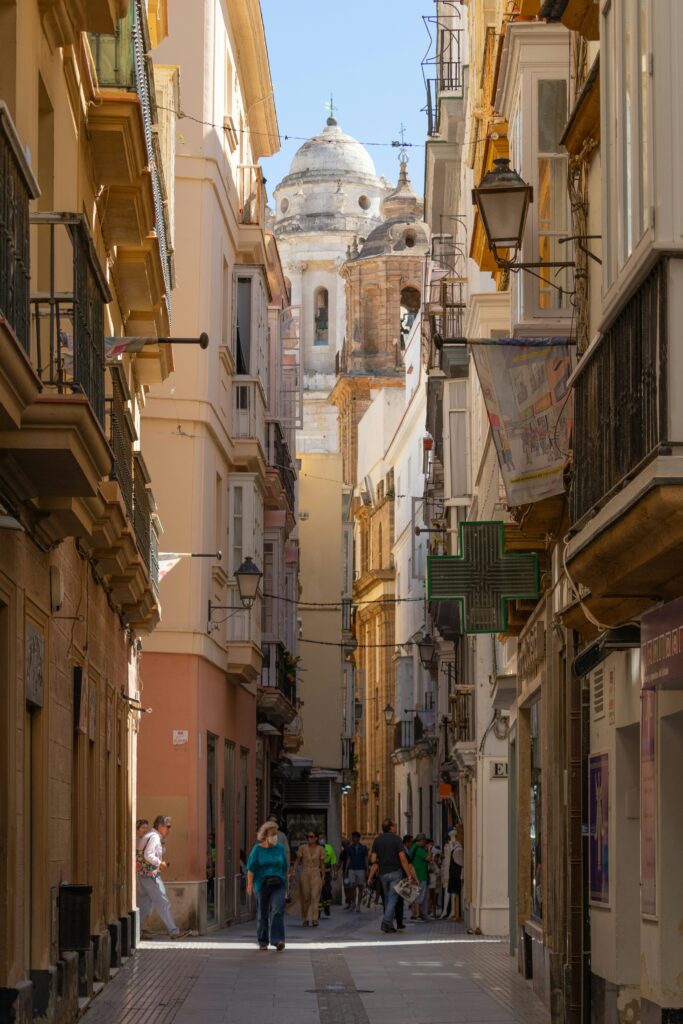
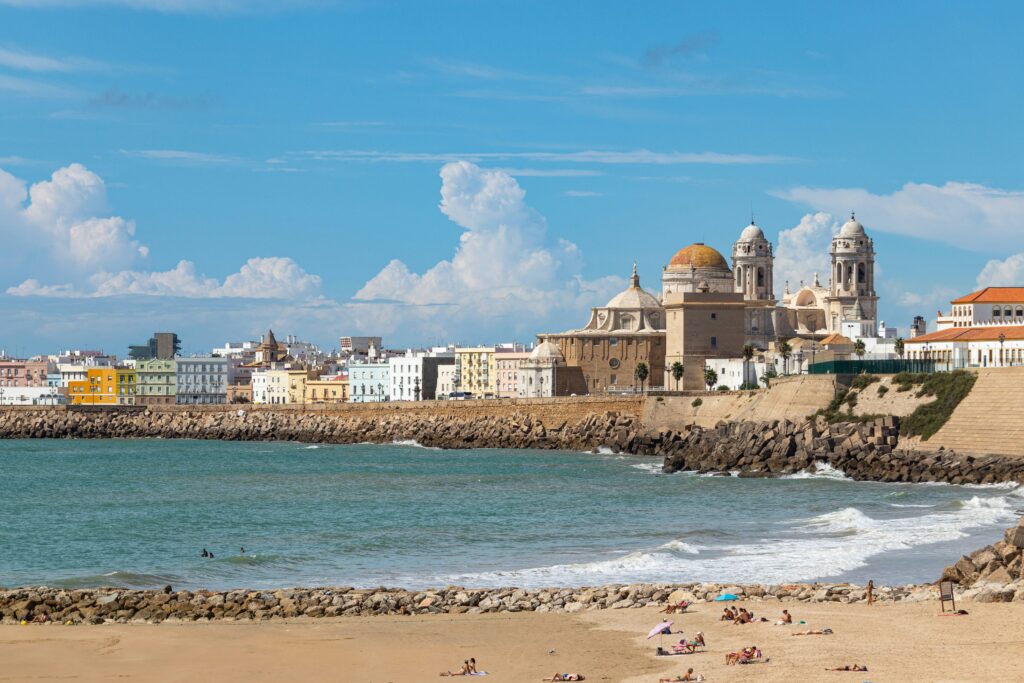
Cadiz is among the most impressive and beautiful cities in Andalusia, but despite this many tourists skip it. The city is located on a peninsula and is almost entirely surrounded by water. Cadiz combines Mediterranean atmosphere, ancient history and beautiful architecture. We recommend you spend at least one full day there, with an overnight stay.
Among the most famous sights of Cadiz are:
- Torre Tavira – this is the highest watchtower in Cadiz and from there the most beautiful panoramic view of the city opens up
- Cadiz Cathedral – known as the “Cathedral of the Americas”, this is an extremely interesting cathedral with a golden dome and has become a symbol of the city
- El Pópulo Quarter – the oldest neighbourhood in Cadiz, abounding with cobbled streets, narrow alleys and impressive palaces and buildings.
Marbella
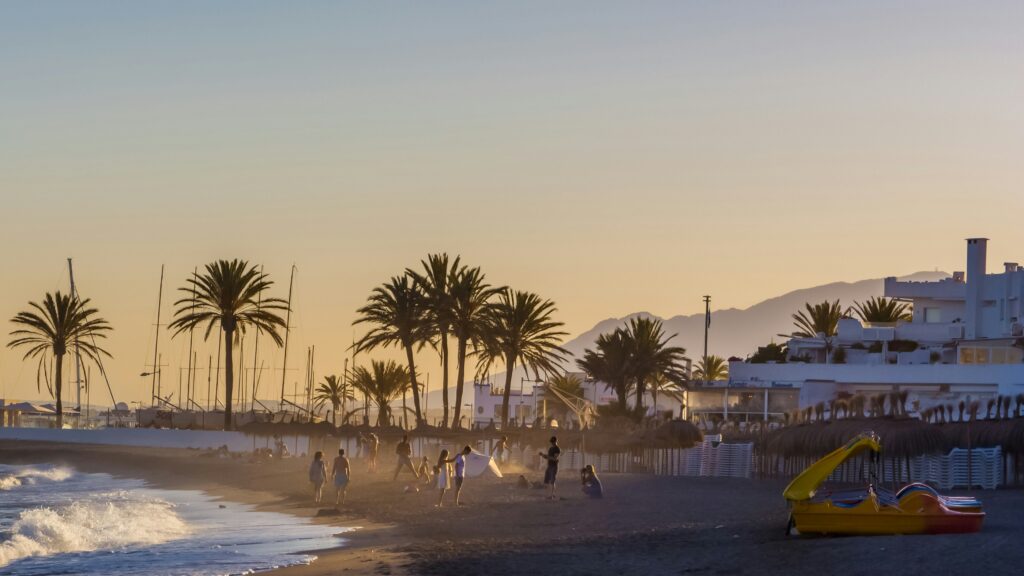
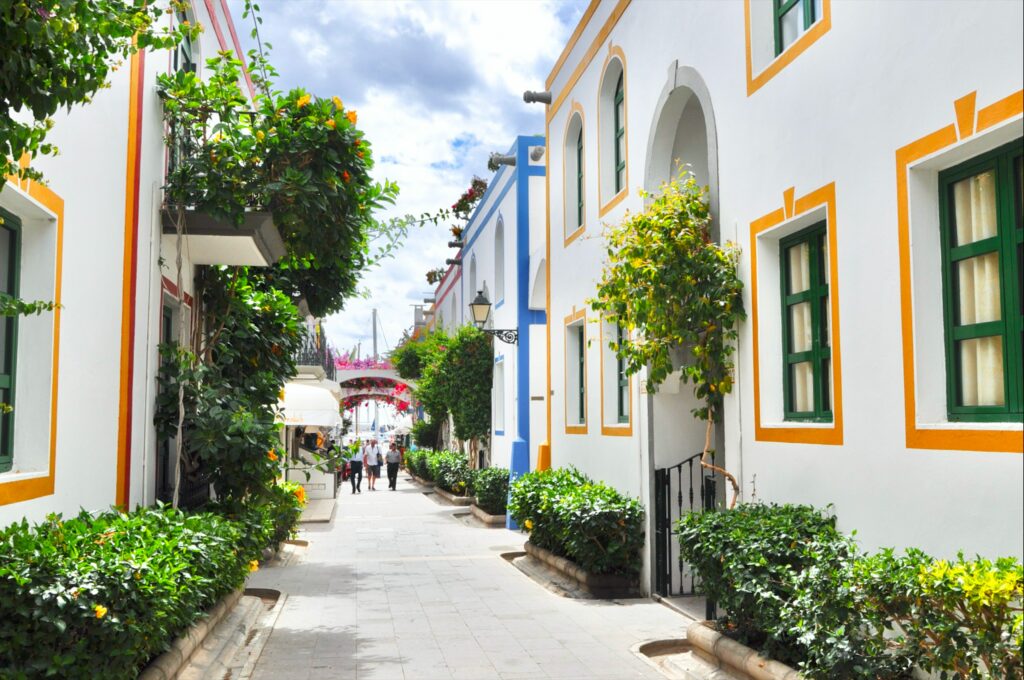
Marbella is among the most famous resorts in Andalusia. The city is known for its long sandy beaches, well-maintained coastal promenade and the yacht marina Puerto Banus. The city offers a combination of historic old town, modern hotels, restaurants and good tourist infrastructure, which makes it so popular. In our opinion, Marbella is worth visiting only in summer, because its main advantage is its beautiful beaches. Of course, outside the summer season it is also beautiful, but the city pales in comparison to the other riches that Andalusia has to offer.
Almeria
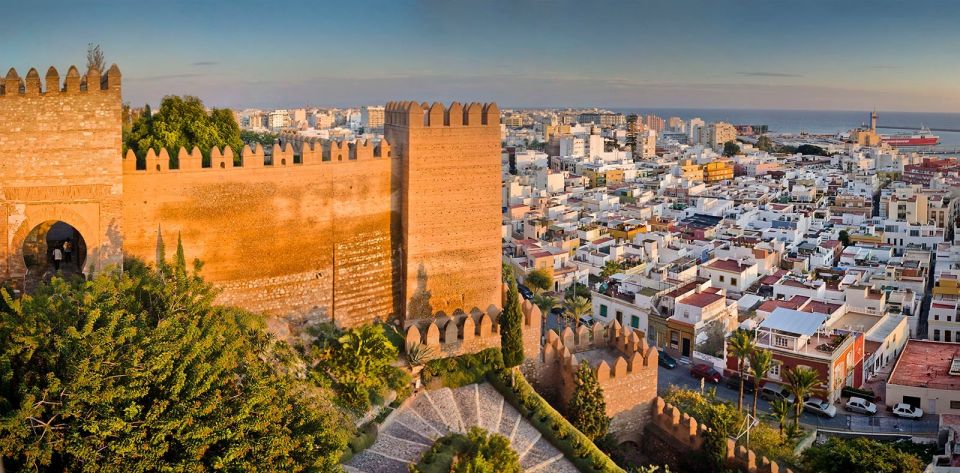
Almeria is a historic city in southeastern Andalusia, located on the Mediterranean Sea and known for its warm, dry climate. The main sight is the Alcazaba of Almeria – one of the largest Moorish fortresses in Spain. The area is popular for natural beaches and the Cabo de Gata-Níjar natural park, which offers some of the most beautiful sea views in Andalusia. The city is relatively far from the other sights in Andalusia, but if you have more time, we highly recommend a visit.
Frigiliana
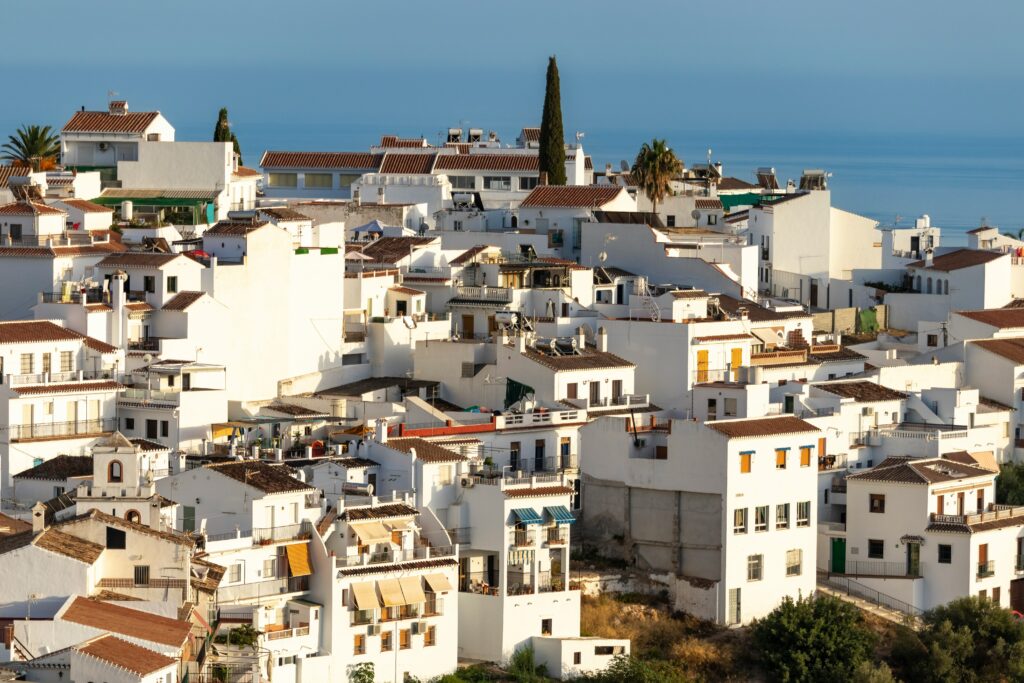
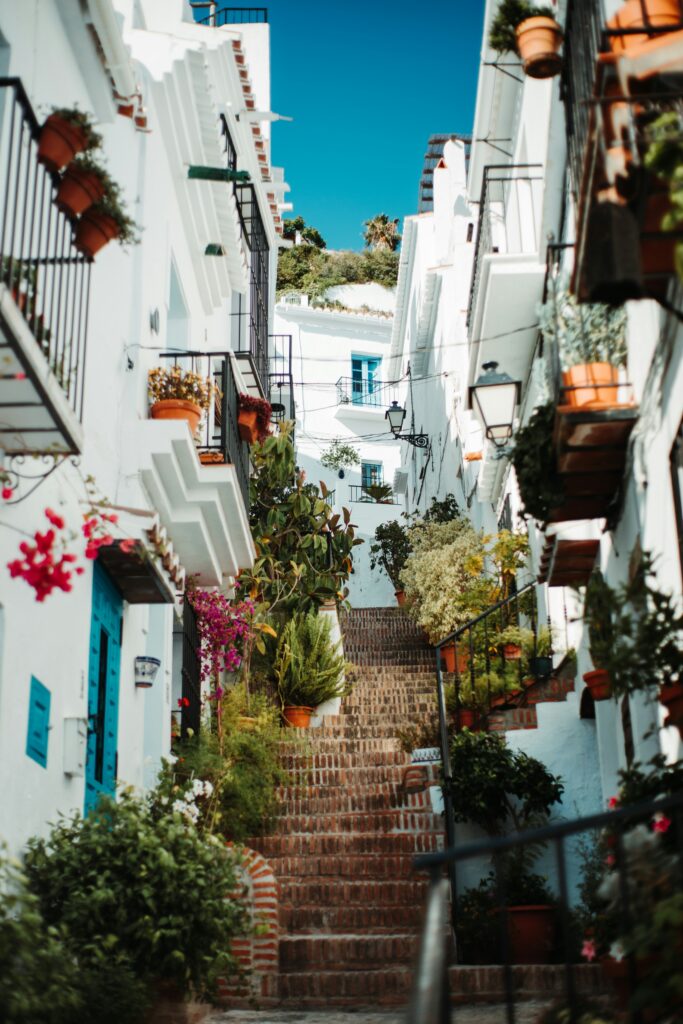
Frigiliana is a small white village in the province of Malaga, located about 6 km from the coastal town of Nerja. The village is known for its excellently preserved old quarter with distinctive Moorish character, steep cobbled streets and white houses decorated with flowers. Frigiliana is often distinguished as one of the most beautiful villages in Spain and offers a peaceful atmosphere, good views of the sea and surrounding mountains, as well as top restaurants with traditional Andalusian cuisine.
Colomares Castle
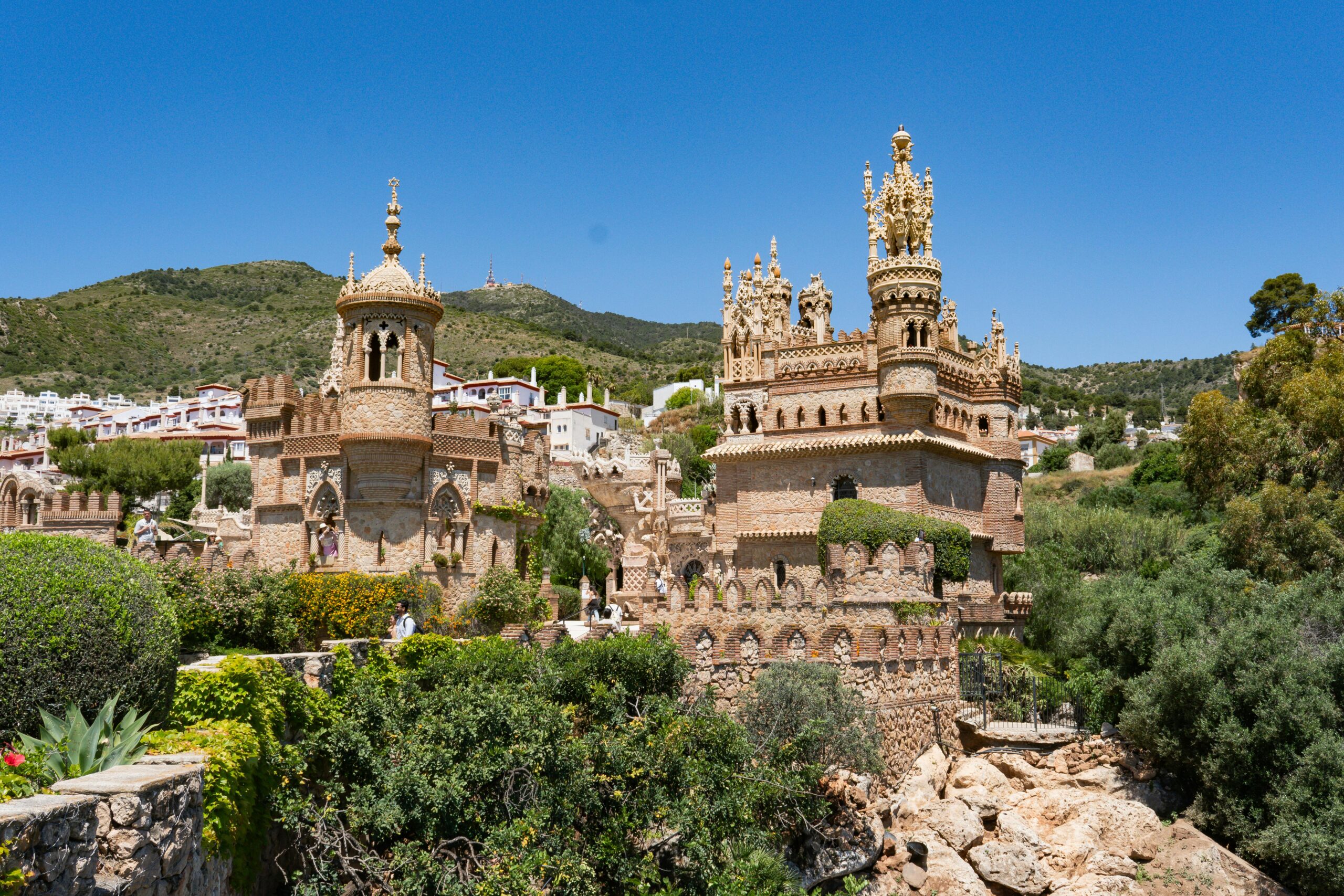
Colomares Castle (Castillo de Colomares) is located in Benalmadena, near Malaga, and was built between 1987 and 1994. The monument is dedicated to Christopher Columbus and the discovery of America and combines different architectural styles – Gothic, Romanesque and Moorish. Although called a castle, it is more of an architectural complex and is a popular tourist attraction because of its views and symbolism. The castle is extremely suitable for beautiful photos!
Nerja
Nerja is a coastal town in the eastern part of the Costa del Sol, in the province of Malaga. It is known for the panoramic viewpoint Balcón de Europa, well-maintained old town and diverse beaches. Nearby are the famous Cueva de Nerja caves, one of the most visited natural sights in Andalusia.
Sample 7-Day Itinerary in Andalusia
Based on our experience, here we will give you a sample week-long itinerary in Andalusia, assuming that Malaga is the starting and ending point:
- Day 1: Arrival and overnight in Malaga
- Day 2: Morning travel to Seville (about 2h). If you have a car, we advise you to pass through Ronda – you will lengthen your journey, but you will be able to enjoy this incredible town, as well as many beautiful roadside villages and views. Walk and overnight in Seville.
- Day 3: Visit to the Royal Palace in Seville and full day in the city + overnight
- Day 4: Morning travel from Seville to Cordoba (about 2h). Visit to the Mezquita and overnight in Cordoba.
- Day 5: Morning travel from Cordoba to Granada (about 3h), overnight there.
- Day 6: Visit to the Alhambra and walks around Granada, overnight there
- Day 7: Return to Malaga (about 2h), visit to Gibralfaro Castle and walk in the city
- Day 8: Departure from Malaga
Support our blog
If you find this guide useful and would like to support our blog, you can buy us a coffee or use our affiliate link to Booking.com. You will get great booking options, while your booking helps us continue sharing free travel guides and practical tips for hundreds of destinations around the world.

Related posts
Dalmatia is a coastal region in southern Croatia, home to many of the country’s best-known sights, most beautiful beaches, islands and seaside resorts. We visited Croatia as part of a wider Balkan roa…

Milan is one of the most popular European destinations for travelers – the destination is easily accessible, there are often cheap flights and the region is very rich in interesting places – from the …

There are few cities that have impressed us as much as the capital of Andalusia — Seville, Spain. We visited as part of a road trip through southern Spain and Andalusia and were absolutely charmed. Co…

In recent years, Bari has become a popular destination among travelers, thanks in part to convenient direct flights operated by European low-cost airlines such as Ryanair. As the capital of Puglia, ho…
Jordan is one of the most incredible places we have ever visited. Despite being a relatively small country, it’s packed with fascinating historical sites – from the ancient Nabataean city of Petra, t…

Last autumn, we stumbled upon cheap flights to Basel for November and decided to take advantage of them for a 4-day trip to the Alsace region of France. Although I had visited the area before, this tr…
Planning a 5-day Pisa itinerary or looking for the best Tuscany and Liguria day trips? Pisa, Italy is an ideal base for exploring Northern Italy’s must-see destinations, not just for its iconic Leanin…
Sofia, Bulgaria’s capital and largest city, is one of Eastern Europe’s most interesting and underrated destinations. Its appeal lies in its mix of ancient ruins, impressive churches, lively streets an…