
There are few cities that have impressed us as much as the capital of Andalusia — Seville, Spain. We visited as part of a road trip through southern Spain and Andalusia and were absolutely charmed. Compared to Barcelona, Seville felt much more organised, clean and relaxed, despite the many tourists — a city that somehow balances being a top travel destination with retaining its authentic Spanish soul.
Our stay lasted 2 full days, during which we explored a remarkable number of Seville’s top attractions and landmarks — from the magnificent Real Alcázar and the iconic Plaza de España to the lively tapas bars and breathtaking flamenco shows. We can say that Seville quickly became our favourite city in Spain and sits firmly in our top 3 in Europe.
In this Seville travel guide we share everything you need to know to plan your visit — the best things to do in Seville, the most important sights, tips on when to visit, how many days you need, and practical advice on getting around. Whether this is your first time visiting or you’re looking to go beyond the usual tourist trail, we hope this guide helps you make the most of one of Europe’s most captivating cities.
At the link below you can read our complete guide to Andalusia and southern Spain:
Andalusia Travel Guide: 7-Day Itinerary with the Best Places to Visit

Information about Seville
Located on the Guadalquivir river, Seville has been an important trade and cultural centre since ancient times, but after the discovery of America in 1492, the city turns into one of the richest in Europe. In the 16th and 17th centuries, gold and silver from the American colonies passed through its port, bringing enormous wealth and making the city an important economic and cultural hub and one of the richest cities in Europe. This left a lasting mark on Seville’s architecture – many of the magnificent buildings and monuments we see today were built exactly in that period.
How to get to Seville
The most popular ways to reach Seville are flying directly into Seville Airport (SVQ), which has connections from many European cities, or taking the high-speed AVE train from Madrid, which takes just over 2.5 hours and is widely considered the most convenient option for travelers already in Spain. From other Andalusian cities like Málaga or Granada, a rental car or bus are the most practical choices.
When to visit Seville and how many days are enough
Andalusia, and Seville in particular, is one of the hottest places in Europe in summer. We recommend visiting the city (and the region) in spring or autumn, when the weather is milder and much more pleasant for walking around.
As for the length of stay, we recommend at least 2 nights in Seville, because one day will not be enough to see the most interesting places the city offers.
Where to stay in Seville
We generally avoid giving a direct answer to this question for any destination – everyone has a different budget and different requirements. We never rely on specific hotel or accommodation recommendations and instead choose based on location, budget and online ratings. Even though it is a big city, Seville is relatively compact and the sights are fairly close to each other – the entire central area is suitable for staying. If you want to be in the historic heart of Seville, then look for places in the Centro, El Arenal or Santa Cruz neighbourhoods. Prices there are higher and it can be noisier. If you prefer peace and more reasonable prices, check the Triana neighbourhood, which is also quite central. If you are travelling by car, avoid the historic centre – many streets are inaccessible for vehicles and parking can be very expensive.
Sights and Attractions in Seville
Here we will talk about the most interesting places in Seville – what you should visit, the main landmarks, the most atmospheric neighbourhoods, as well as some additional useful tips.
Alcázar of Seville (Real Alcázar de Sevilla)
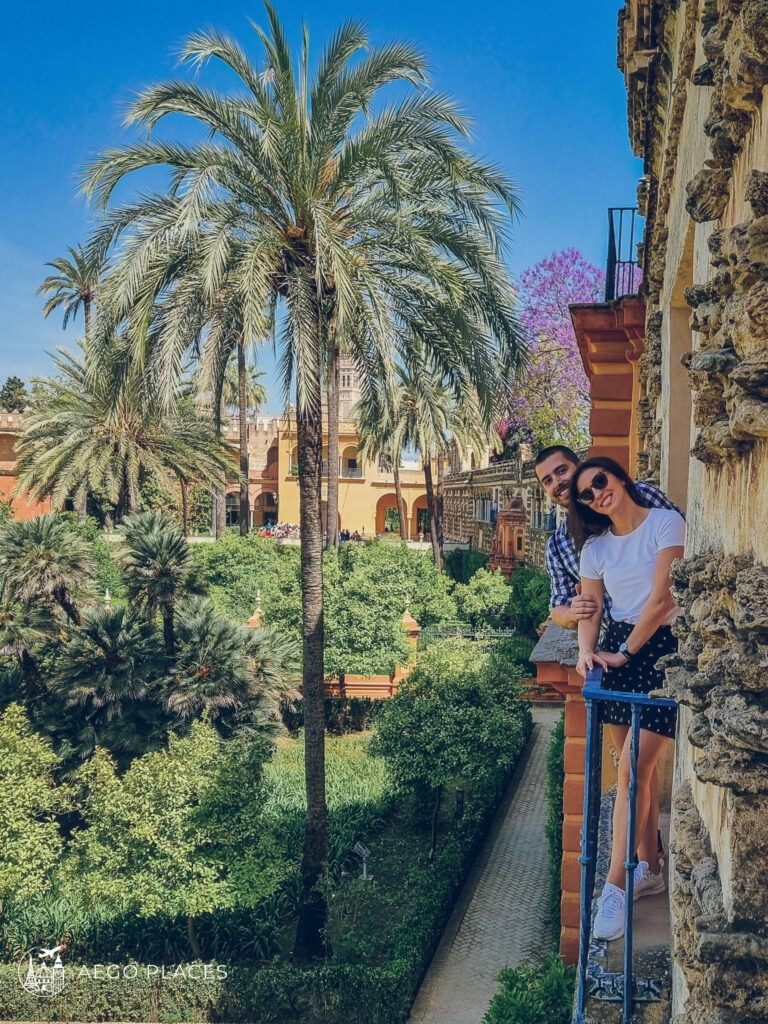
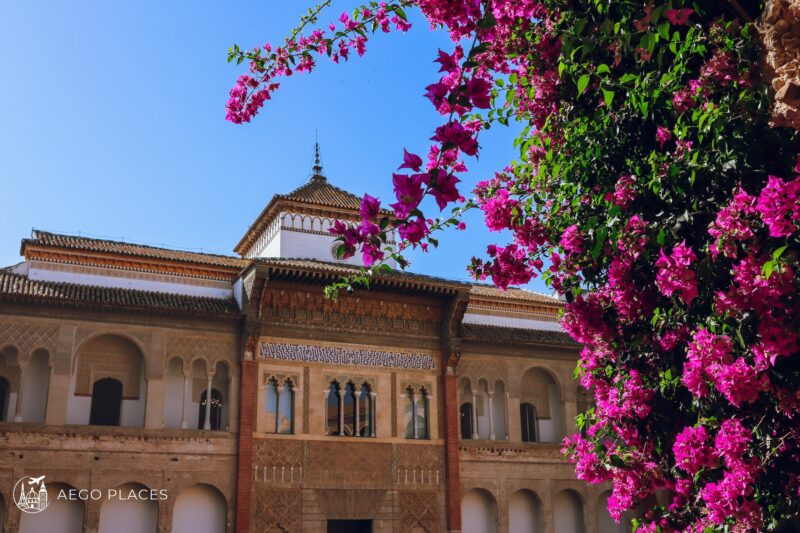
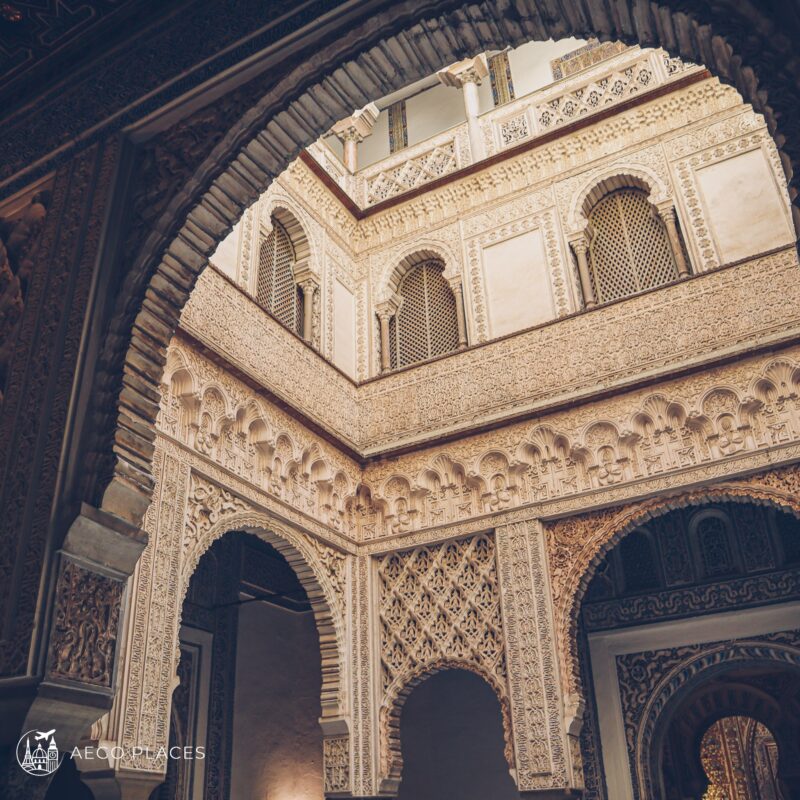
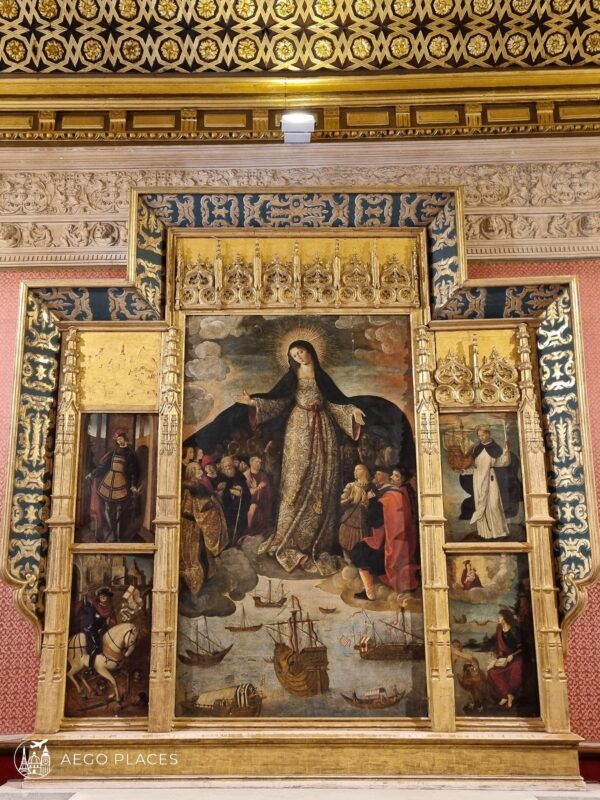
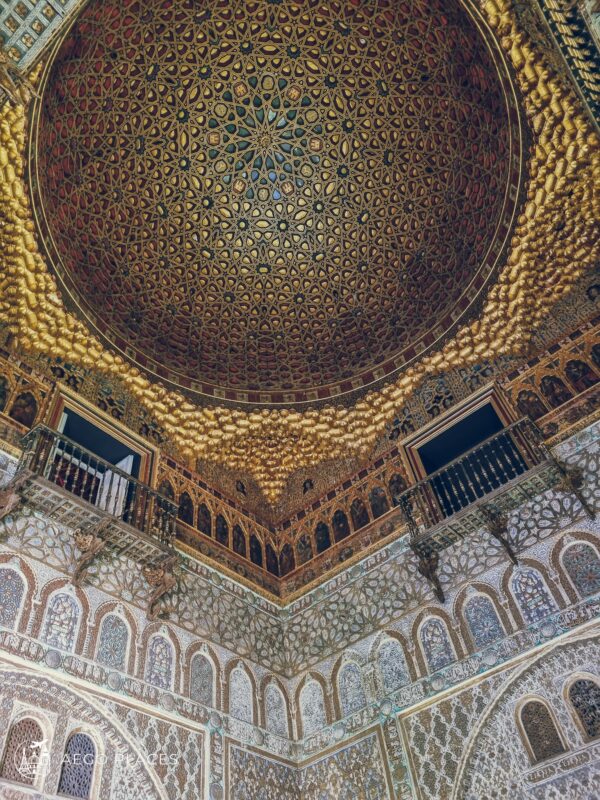
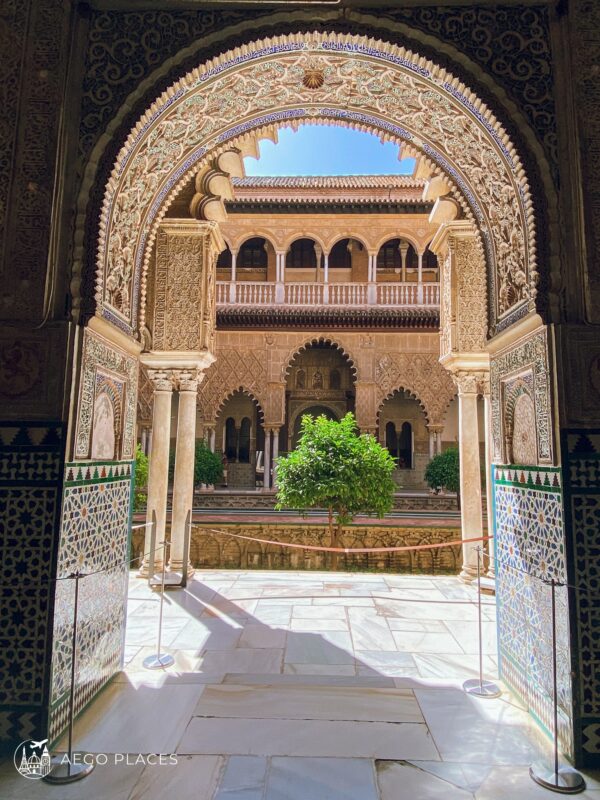
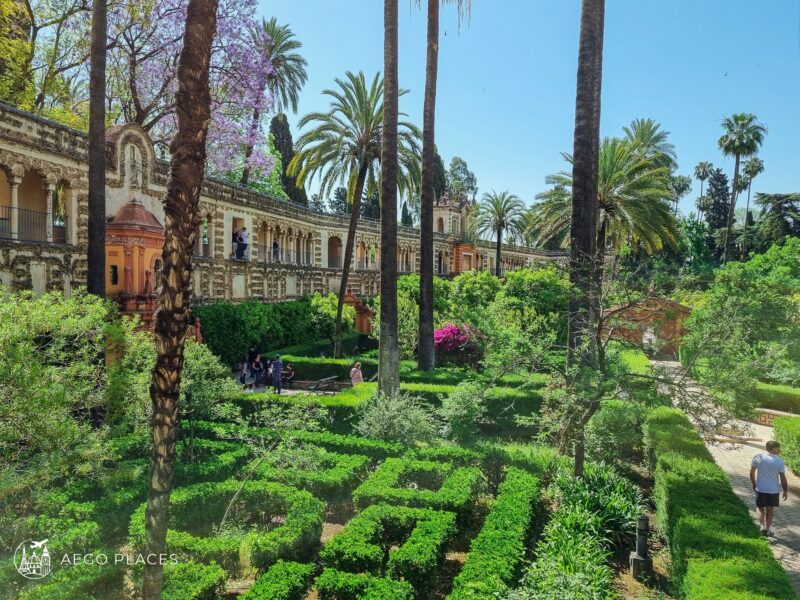
The Alcázar of Seville is the oldest functioning royal palace in Europe and a UNESCO World Heritage Site. First built in 913 by a Moorish ruler as a fortress, the palace has served monarchs for centuries and to this day is an official residence of the Spanish royal family. The complex is quite large and is a unique mix of styles – Moorish, Mudéjar (a blend of Islamic and Christian art), Gothic, Renaissance and Baroque. We strongly recommend exploring all accessible areas, especially the Patio de las Doncellas, the Salon de Embajadores (Hall of Ambassadors), the Cuarto Real Alto (royal apartments) and the incredible gardens.
Fun fact for film lovers – scenes from “Game of Thrones” were filmed in this palace.
Important: The number of visitors is limited to 750, so make sure to buy tickets in advance online. It’s best to buy them from the official website of the site, because there are many places online that sell them at a markup. The price for the entire complex (including Cuarto Real Alto) is around 15 euros.
Plaza de España
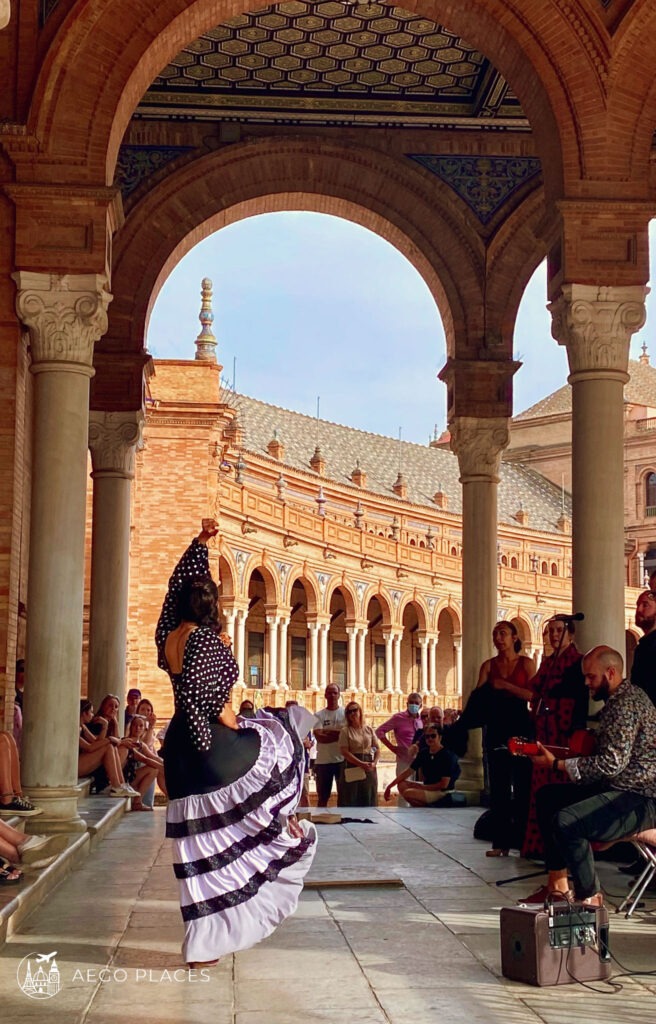
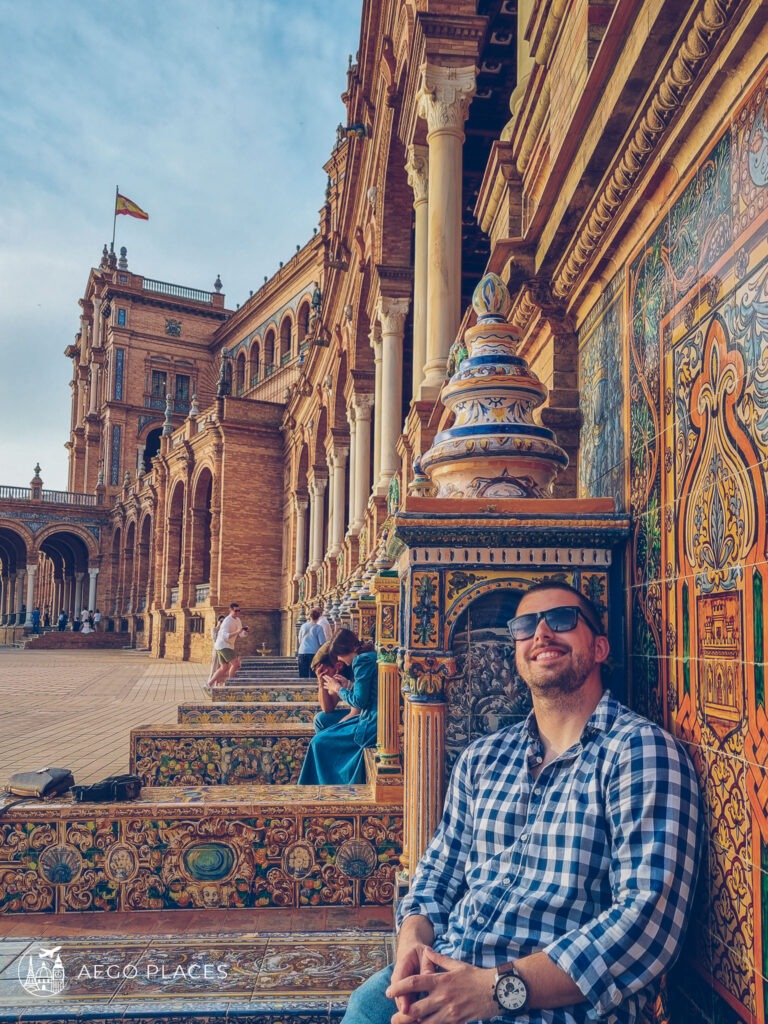
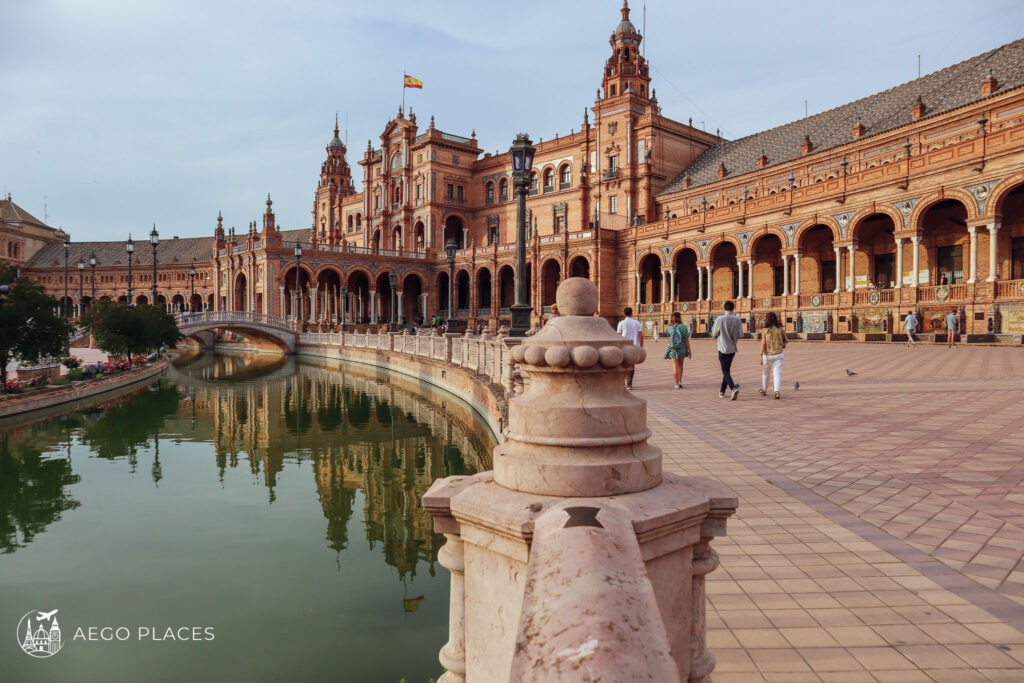
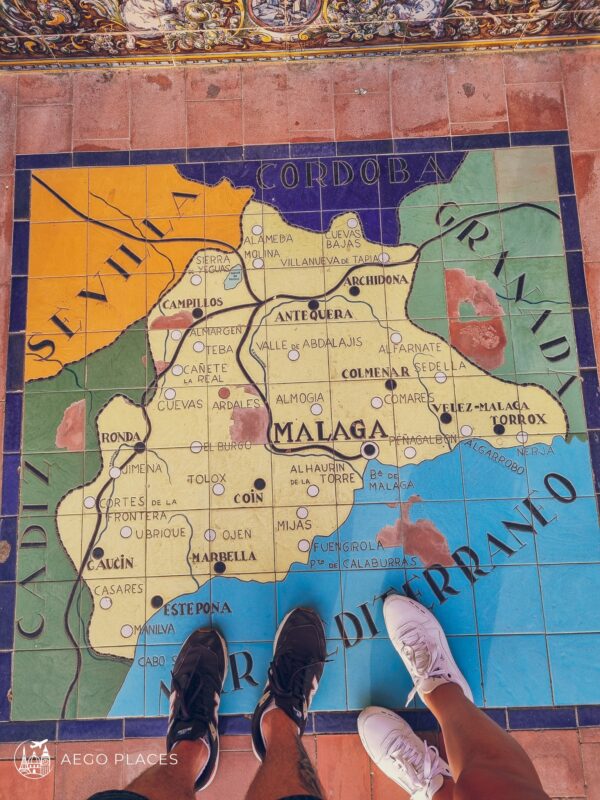
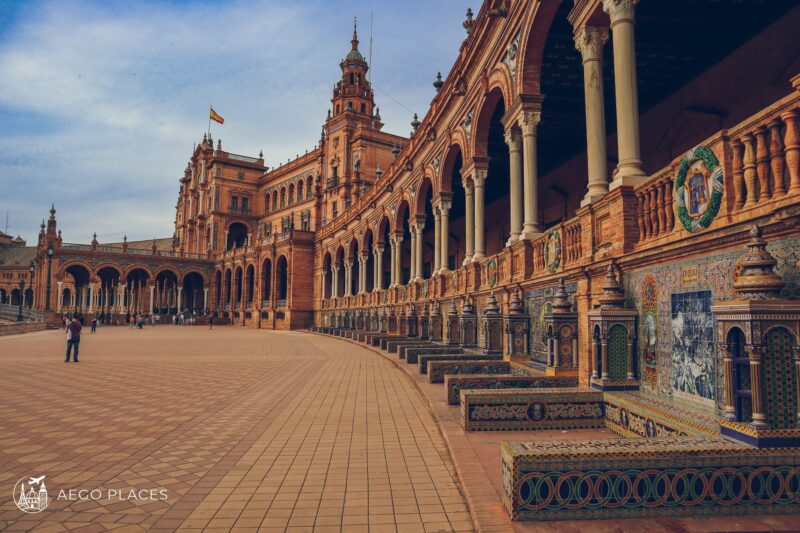
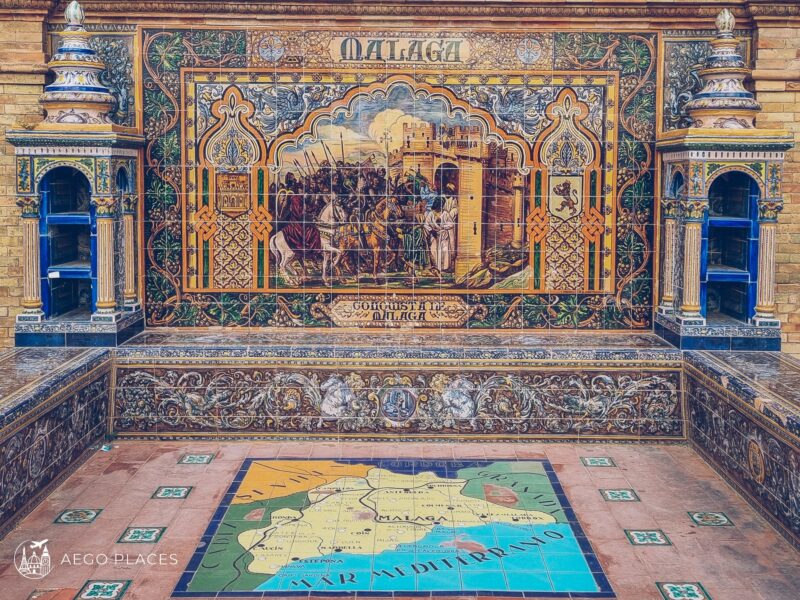
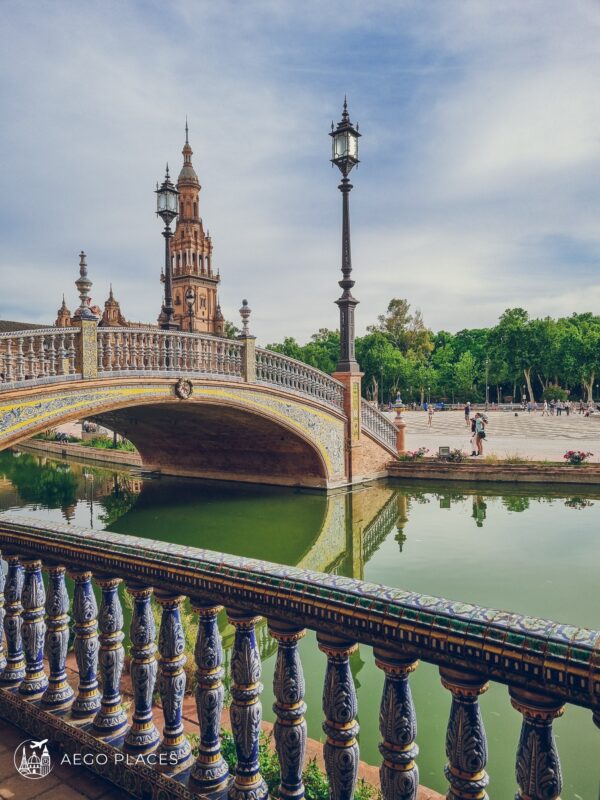
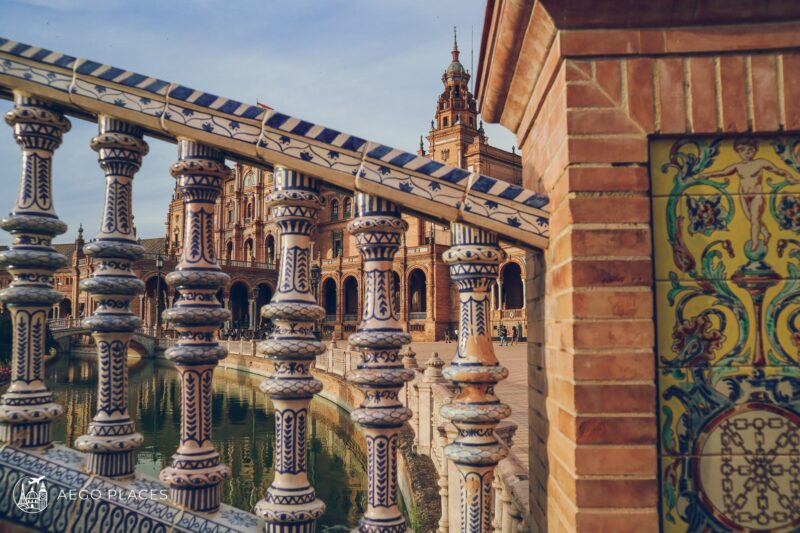
Surprisingly, this complex is relatively modern and was built less than 100 years ago. The complex was constructed in 1928-1929 for the Ibero-American Exhibition and is a unique combination of Renaissance, Moorish and Baroque styles, which fits perfectly with the character of Seville and the Andalusia region. Besides the beautiful semicircular building, the complex includes a fountain, 4 bridges and 52 ceramic alcoves, each representing a specific region of Spain with historical scenes. In our opinion, this is the most photogenic place in Seville. We visited it at sunset and it was very beautiful and romantic. In summer, avoid the midday hours, because the site is very exposed. In the evening, there’s a good chance you’ll come across Flamenco dancers.
Important: From February 2026, an entrance fee of 4 euros is being introduced for the complex.
Fun fact: Scenes from “Star Wars”, “Lawrence of Arabia” and “The Dictator” were filmed at Plaza de España.
The Historic Centre of Seville
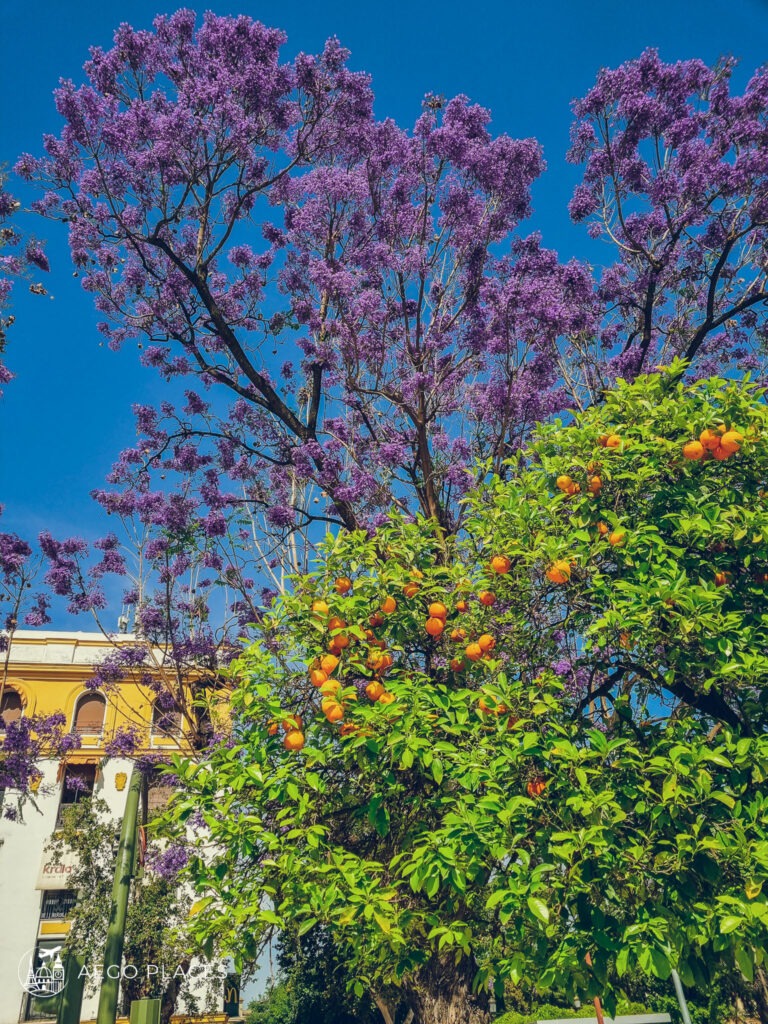
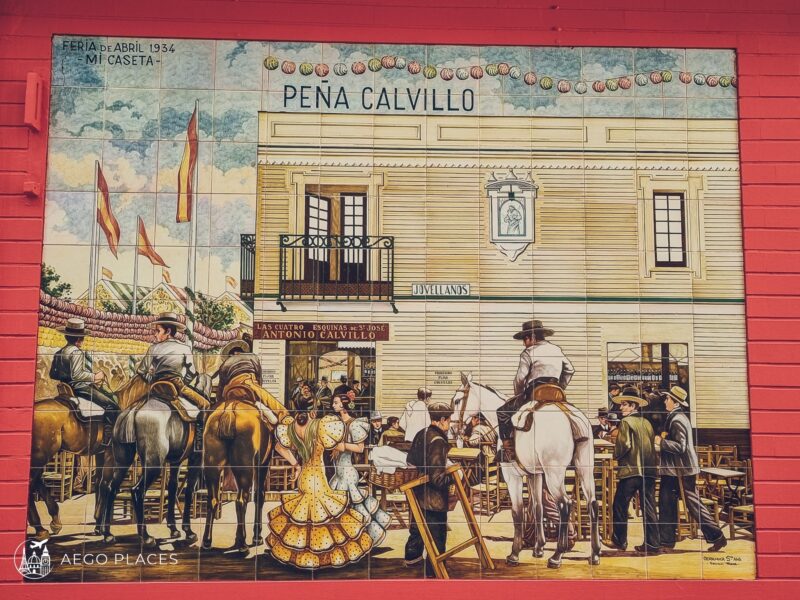
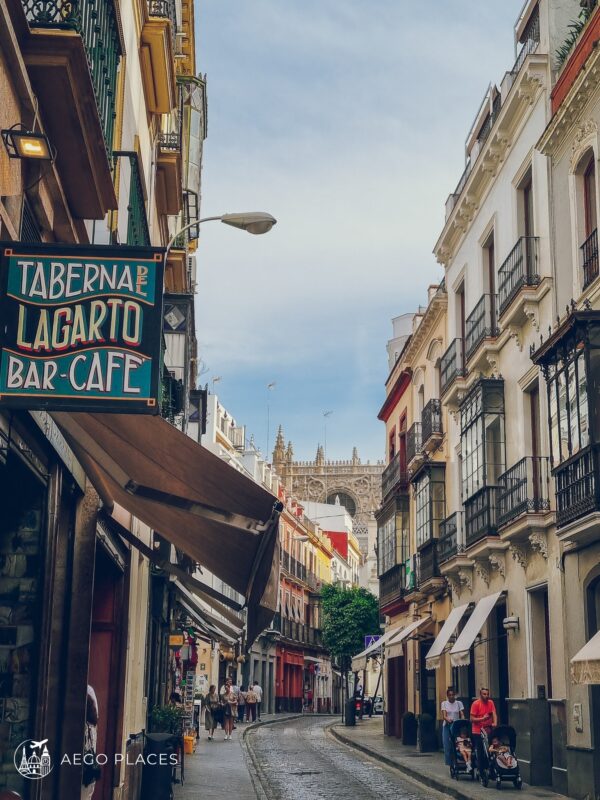
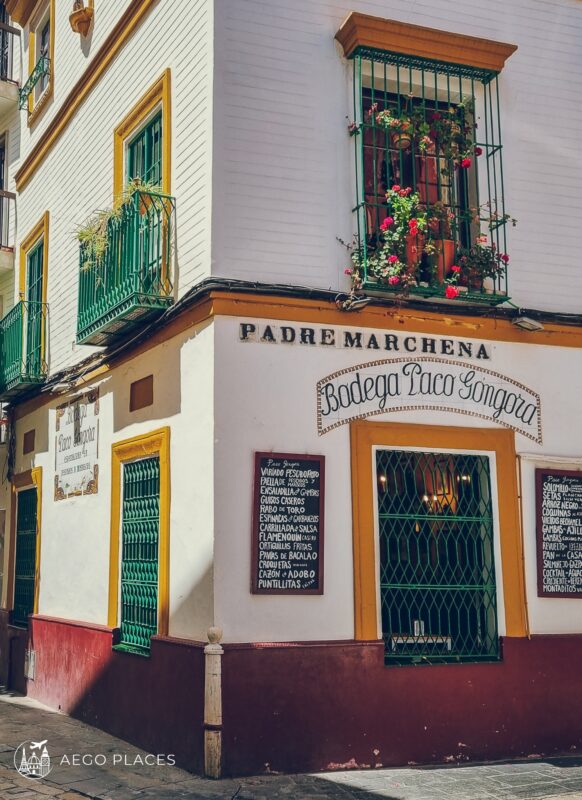
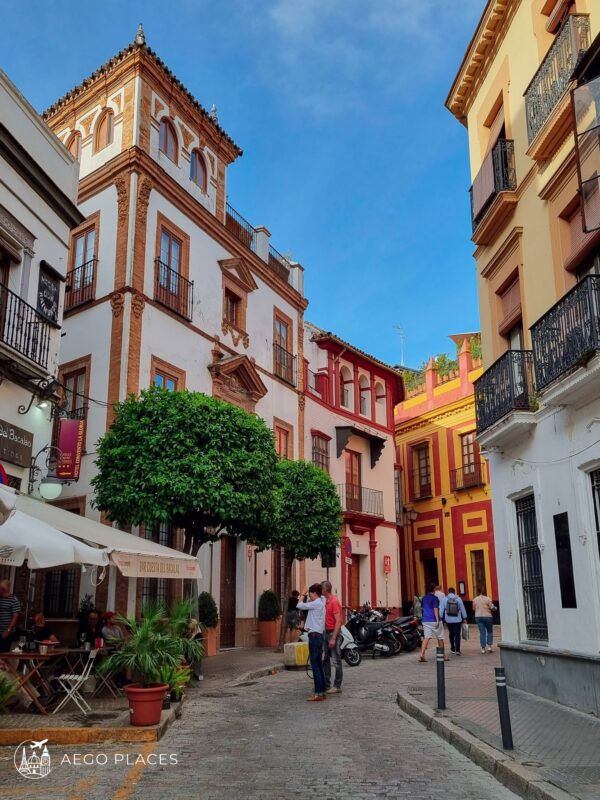
Narrow streets, beautiful facades, flowers, orange trees and mosaics – this is just part of the charm of Seville’s central streets. Just go with the flow and enjoy the beautiful alleyways and prepare for random discoveries and amazing views. Besides the Mediterranean and oriental aesthetics of Seville, the city offers a huge number of great restaurants, tapas bars and cafes – enjoy them to the max!

Seville Cathedral and the Giralda Tower
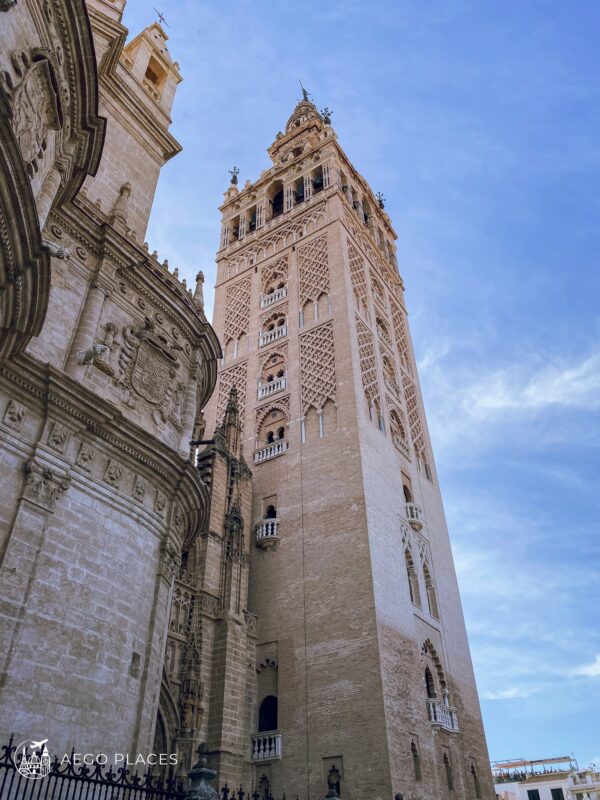
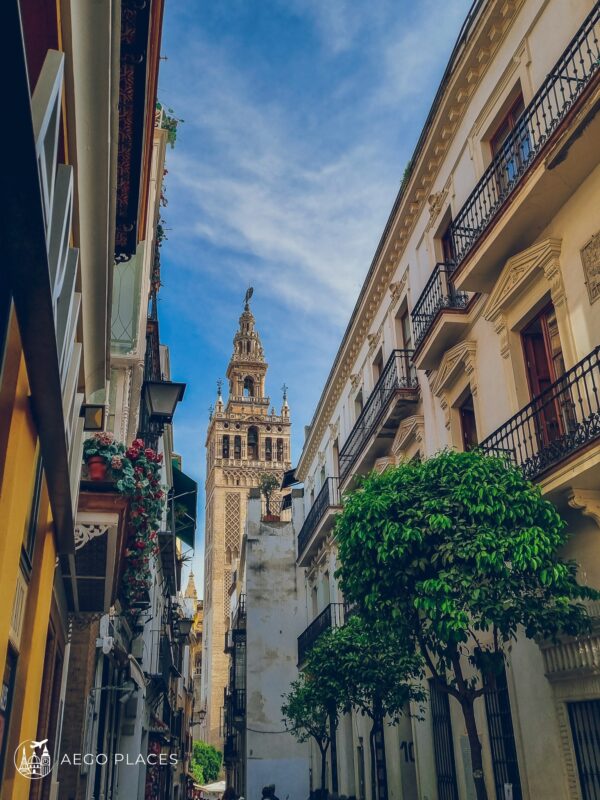
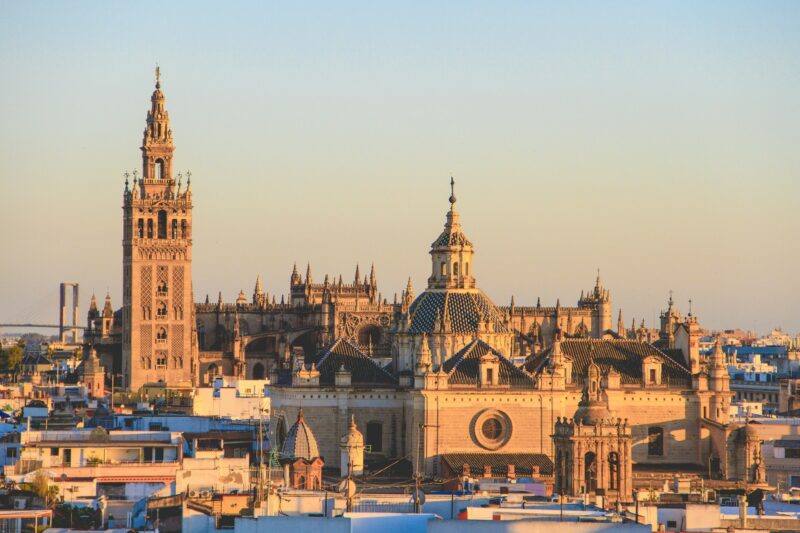
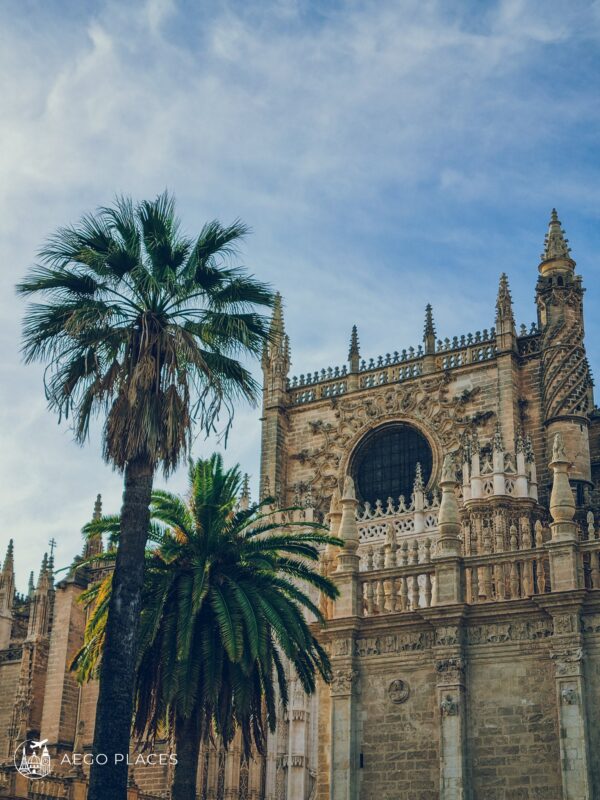
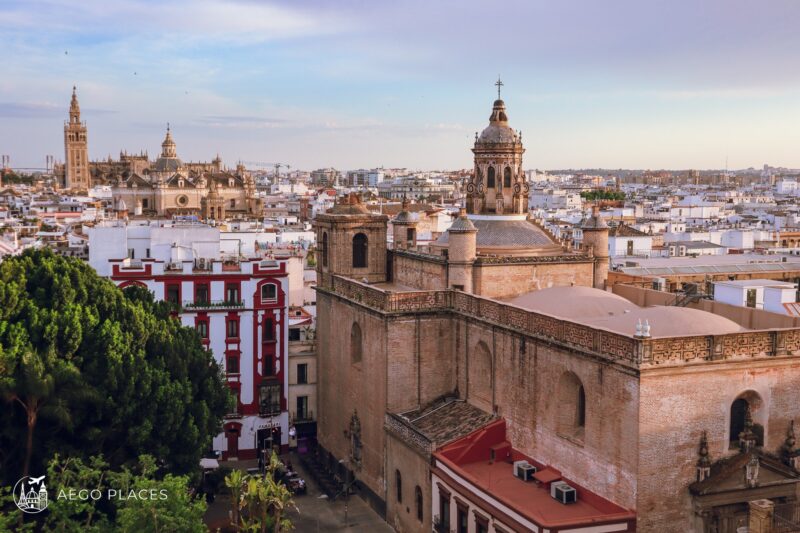
The Cathedral of “Santa María de la Sede” is the largest Gothic cathedral in the world and the third largest Christian church after St. Peter’s in the Vatican and St. Paul’s in London. It’s a UNESCO World Heritage Site. Built on the site of the great Almohad mosque, the cathedral was constructed between 1401 and 1528 – more than a century of building! After Christians conquered Seville in 1248, the mosque was used as a church, but later they decided to build one of the most magnificent cathedrals ever created. The cathedral houses the remains of Christopher Columbus.
A key part of the cathedral is the tall Giralda tower, which is open to visitors and offers an incredible panoramic view of Seville. Be prepared to wait, because there are many people wanting to climb up.
The combined ticket for the cathedral and the Giralda tower costs around 13 euros and we recommend purchasing it in advance online from the official website.
Tapas Culture
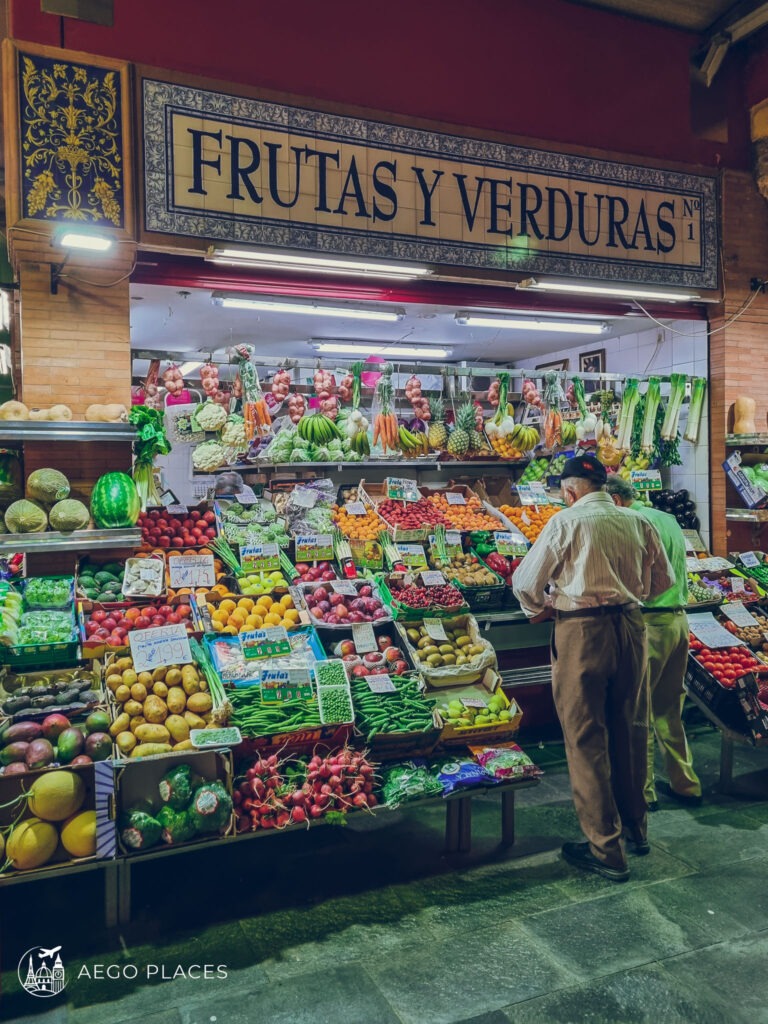
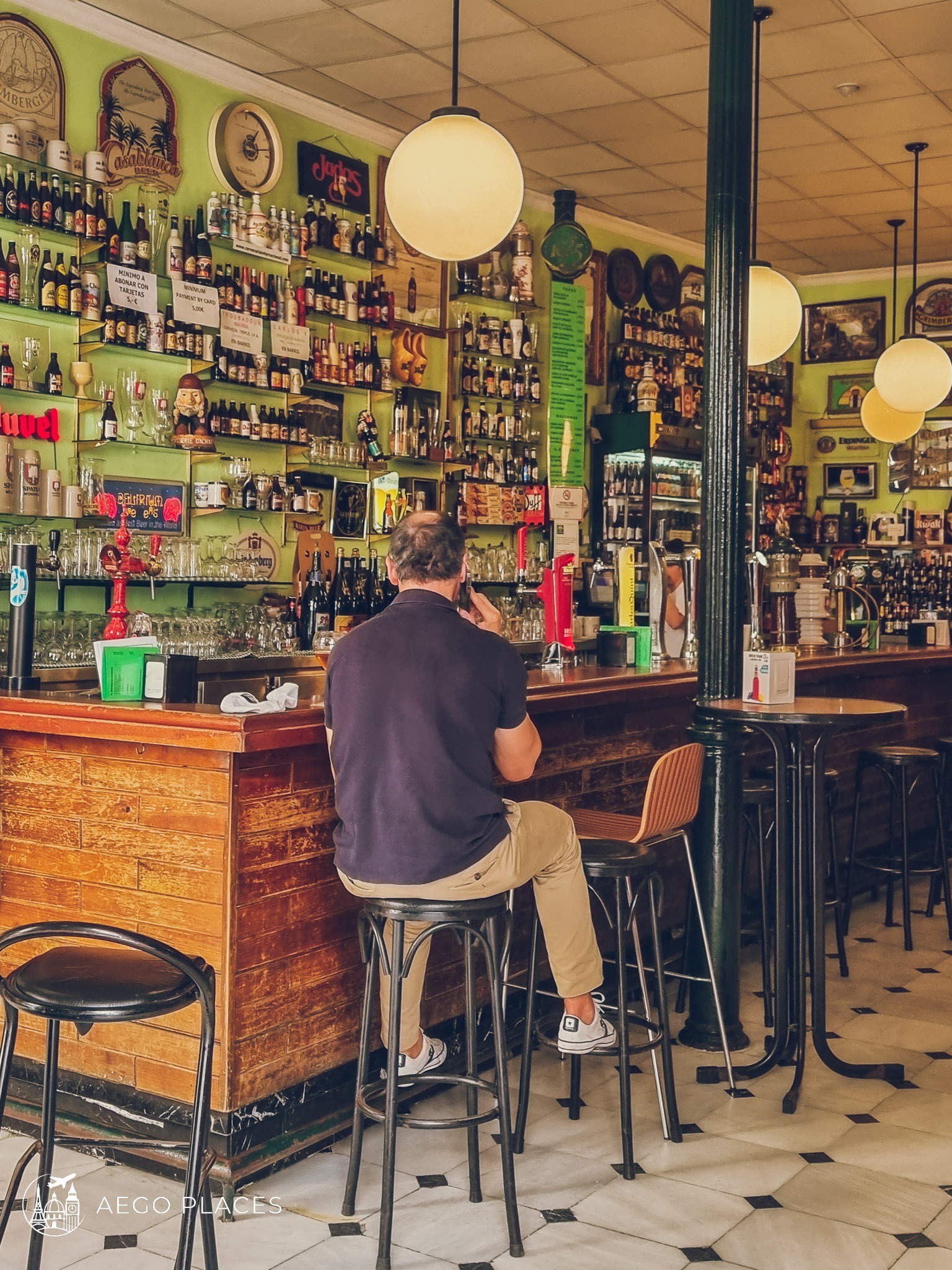
Seville is the capital of Tapas culture in Spain. Tapas is much more than food – it’s a social ritual and local tradition. “Ir de tapas” (going for tapas) means wandering from bar to bar, trying small portions of different dishes, drinking good beer or wine and – most importantly – spending time with friends, which the Spanish do very well. Seville is full of tapas bars, choose one, go in, order something along with a glass of beer or wine, then head to the next one. Tapas is also a great way to get familiar with the local cuisine. Some of the oldest tapas bars in Seville are El Rinconcillo, Casa Morales and La Bodega Santa Cruz. The centre is also full of more modern tapas bars.
Flamenco
The Flamenco dance is one of the symbols of Andalusia and Seville in particular. The dance combines singing, dancing and clapping. Seville has theatres and venues entirely dedicated to Flamenco. The most famous venues with Flamenco performances are Tablao Flamenco Los Gallos, Tablao Flamenco El Arenal and Tablao Flamenco Las Setas, located in the Metropol Parasol complex, which we write about below. Roughly speaking, a performance costs around 40 euros, with some including a drink or tapas.

Metropol Parasol – The Most Beautiful Sunsets in Seville
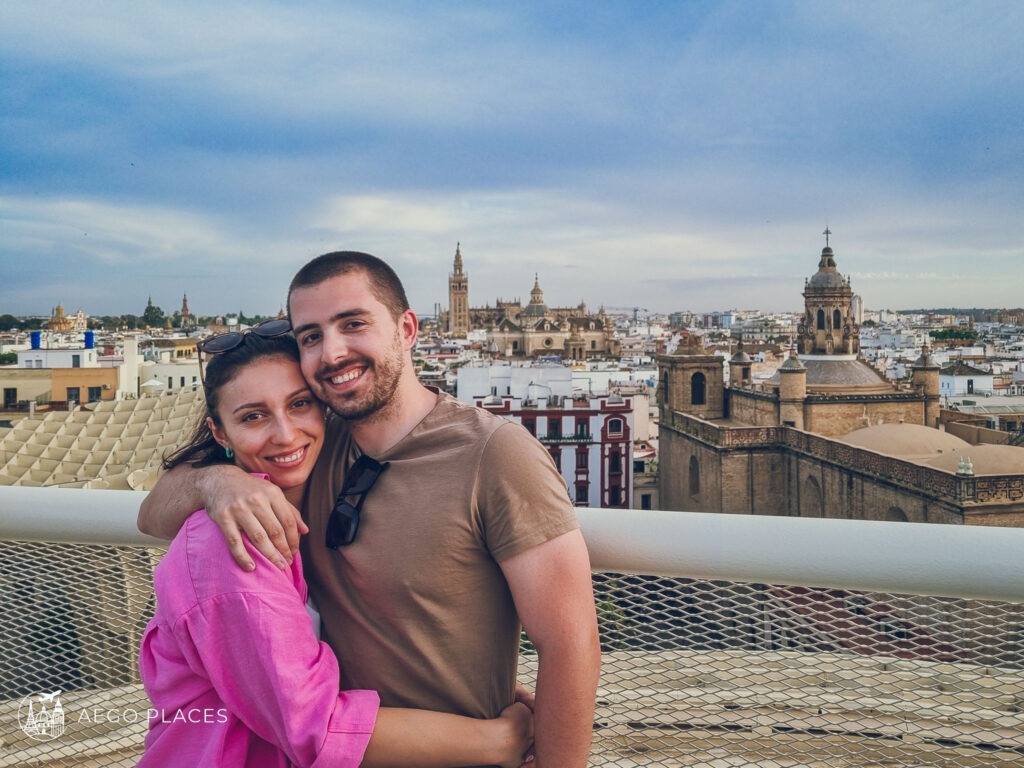
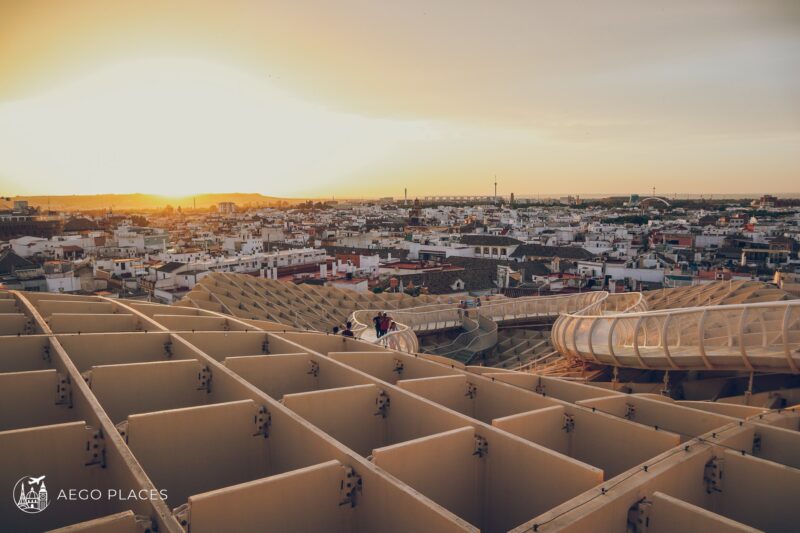
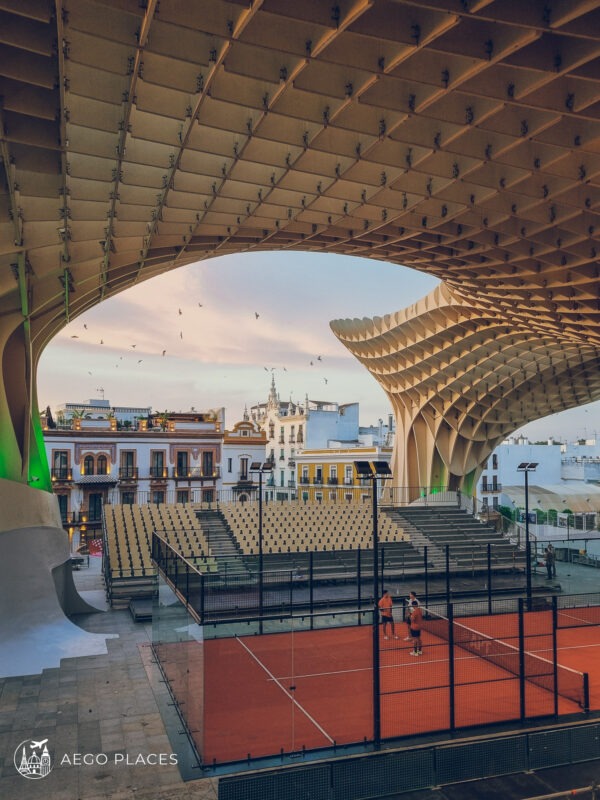
Metropol Parasol is a modern building in the centre of Seville, about 26 metres tall and considered to be the largest wooden structure in the world. Known locally as “Las Setas” (The Mushrooms). The complex has several levels, with an archaeological museum in the basement, and the highest (3rd) level offers a very beautiful panoramic view of the historic centre of Seville. The current ticket price is around 16 euros, which seems quite expensive to us and higher than what we paid, but if you decide to go up, we recommend a visit at sunset.
Seville Aquarium
Seville has one of the aquariums with the greatest biodiversity in Europe. At Acuario de Sevilla you can see around 7,000 specimens from about 400 aquatic species. The aquarium is designed to depict Magellan’s around-the-world voyage, with different climate zones and ecosystems. If you’re with children, we highly recommend visiting it.
The price for adults is 18 euros, for children aged 4 to 14: 13 euros, and for children under 4 it’s free.
Casa de Pilatos (Pilate’s House)
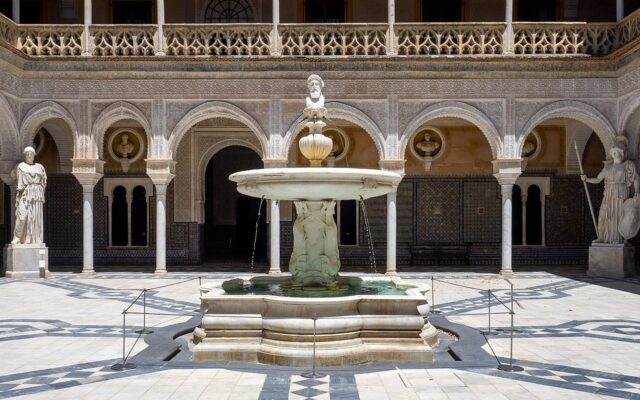
The Palacio de los Adelantados Mayores de Andalucía, better known as Casa de Pilatos, was built mainly between the 15th and 16th centuries and is declared a national monument. If the Real Alcázar de Sevilla impressed you and you’re looking for more, this palace is a great addition. Although partially open to tourists, the palace continues to be the official residence of the Duke of Medinaceli and his family in Seville. Just like the Alcázar, Pilate’s House is an interesting mix of styles, both oriental as well as Renaissance and Baroque. The interior is incredibly beautiful, and the gardens are a real feast for the eyes. Entrance costs around 12 euros.
Torre del Oro (Tower of Gold)
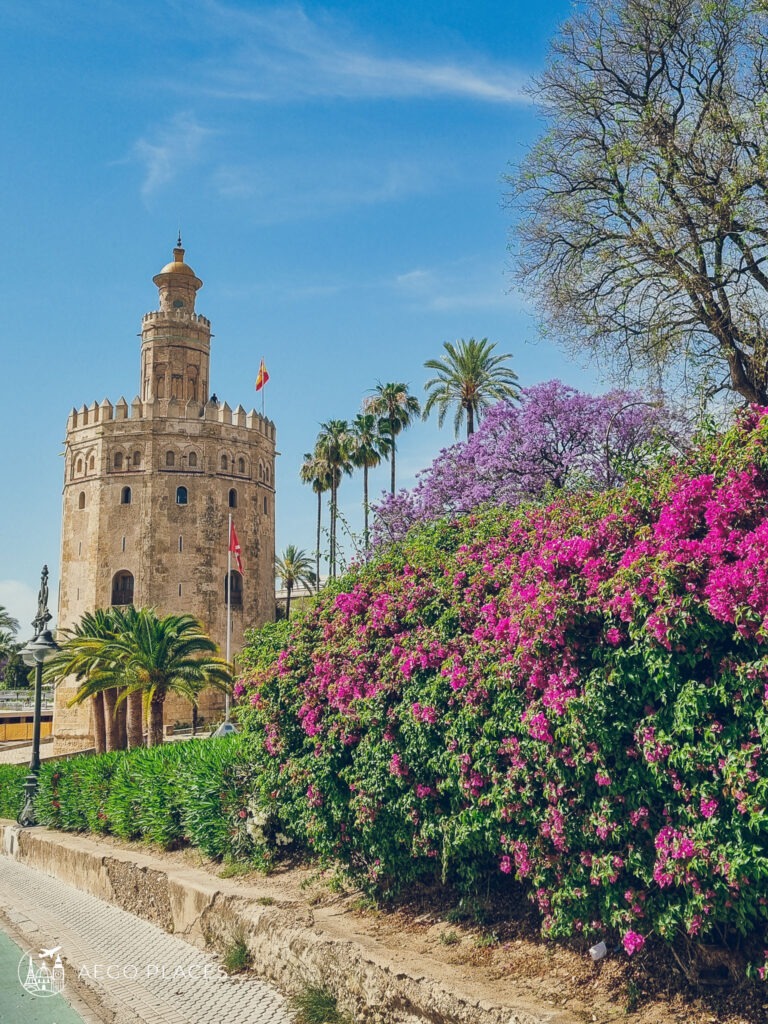
Torre del Oro is one of the symbols of Seville. It was built by Arab rulers in the 13th century as a military watchtower, and later, during the Middle Ages, the tower served as a prison. Nowadays, the tower houses a naval museum with interesting artefacts for lovers of history and seafaring. At the top there’s a panoramic terrace with a beautiful view of the river. The ticket price is 3 euros.

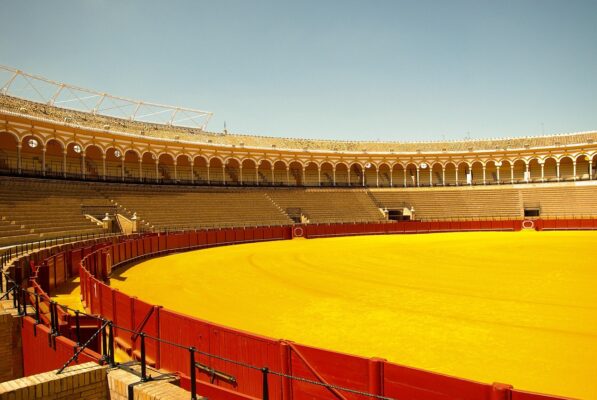
Bullfighting in Seville – Plaza de Toros de la Real Maestranza
Plaza de Toros de la Real Maestranza de Caballería de Sevilla is the oldest bullfighting arena in Spain. Bullfighting doesn’t take place daily, but on specific periods and days of the year, so if you really want to attend this traditional spectacle, it’s best to carefully research the dates and events on the official website. Even if you don’t have the opportunity to watch bullfighting live, you can visit the huge arena, with entrance costing around 10 euros.
Other Notable Museums and Attractions
Seville is so rich in attractions that it’s difficult to list all the interesting museums and sights. Here are some of them:
- Museum of Fine Arts (Museo de Bellas Artes) – The second most important art museum in Spain after the Prado
- Flamenco Museum (Museo del Baile Flamenco) – evening Flamenco performances
- Archaeological Museum (Museo Arqueológico) – Located in a beautiful Renaissance pavilion in María Luisa Park
- Archive of the Indies (Archivo de Indias) – a beautiful 16th-century building that preserves documents about the Spanish colonies in America. It’s a UNESCO World Heritage Site.
Related posts
In the spring we organized a week-long tour of Andalusia, Spain and it remains one of our most unforgettable trips. This southernmost region of Spain is exceptionally rich in things to do and see — st…
Sofia, Bulgaria’s capital and largest city, is one of Eastern Europe’s most interesting and underrated destinations. Its appeal lies in its mix of ancient ruins, impressive churches, lively streets an…
Malta holds a special place in our hearts because we had the opportunity to spend around six months there and get to know much of the island’s character and diversity. It is one of those places we cou…

Alsace is one of France’s most beautiful and underrated regions, combining French charm with Germanic architecture, excellent food and a long-standing wine-making tradition. The region is famous for i…
November is a month most of us associate with cold weather, short days and work. Trips are probably one of the last things people plan for November. Fortunately, this is also the time of year when som…
As we have mentioned many times on our blog, Vienna is one of our favorite European cities – clean, elegant, well organized and exceptionally easy to explore. There is one time of year when we love it…
Vienna, the capital of Austria, is one of the most emblematic European cities. Imperial history, classical music, culture and modern urban life coexist here in perfect harmony. The city is an excellen…
This complete Malta travel guide covers everything you need to plan an independent trip: the best time to visit Malta, how to get there, where to stay, how to use public transport, and the top places …