
Last autumn, we stumbled upon cheap flights to Basel for November and decided to take advantage of them for a 4-day trip to the Alsace region of France. Although I had visited the area before, this trip made me rediscover Alsace as we explored its most enchanting destinations along the famous Alsace Wine Route – from the fairytale streets of Colmar and Strasbourg to charming villages like Eguisheim, Ribeauvillé, and Riquewihr. I can confidently say it’s one of the most pleasant places for a short getaway in Europe. This article will be both a travelogue and a guide, sharing our experience and recommendations on what to visit, see, and try as you travel through the picturesque wine villages and historic towns of one of France’s most beautiful regions.
Interactive map of Alsace – villages, sights and restaurants
A Brief Overview of Alsace
Alsace is a region in northeastern France, bordering Switzerland and Germany. For nearly a century, the area was contested between Germany and France, and it’s no coincidence that a strong German influence is still felt today—from the architecture, culture, and local dialect to the cuisine. This is precisely what makes Alsace unique; it has taken the best from both France and Germany.
The largest cities in the region are Strasbourg, Colmar, and Mulhouse, each offering something special and worth visiting. The region is characterized by its distinctive architecture, with villages and towns that look as if they’ve been lifted straight out of a fairy tale or an animated film.
How to Get to Alsace
The easiest way to reach Alsace is by flying into the EuroAirport Basel-Mulhouse-Freiburg. This airport is unique in that it serves three countries and has three exits: one for Switzerland, one for France, and one for Germany. If you keep an eye on flights, you can find some great deals. An alternative is to fly into Karlsruhe/Baden-Baden Airport, though the journey to Alsace will be longer.
Getting Around Alsace
There are two main options for getting around: renting a car (which we highly recommend) or using trains and buses. While for many other destinations we would recommend public transport as more economical and easier, Alsace is a different case. The real treasure of the region isn’t the big cities like Strasbourg, but the small villages and towns. If you have limited time, a car will allow you to visit the most beautiful spots without wasting time waiting for public transport. Trains in France can be particularly expensive, and most of the smaller villages don’t have railway stations, making them accessible only by bus.
If you decide to rent a car, you can compare prices and offers from dozens of car rental companies on the DiscoverCars website:
Where to Stay in Alsace
Everyone has their own preferences, but we can recommend Colmar. We rented a floor of a house about a 40-minute walk from the center, with free street parking. The reason we recommend Colmar over Strasbourg or Mulhouse is firstly because the city itself is incredibly beautiful and interesting, and secondly, its strategic location—some of the most fairy-tale-like villages in the region (and in Europe!) are just a 20-minute drive away.
Below are some recommendations for hotels in Colmar, based on reviews in Booking.com :
- Colmar Hotel (9.1/10)
- PAUL & PIA By Stay Collection – Welcome Home Hotel (8.7/10)
- Hôtel Maison Turenne (8.7/10)
- My Sweet Homes – Le 15 (8.7/10)
- Ibis Styles Colmar Centre (8.5/10)
- Hôtel Gustave Colmar (8.4/10)
- ibis Colmar Centre (8.3/10)
- Mercure Colmar Centre Unterlinden (8.4/10)
- Hôtel Quatorze (8.4/10)
- ibis Budget Colmar Centre Gare (7.2/10)
- Cit’Hotel Primo Colmar Centre (7.0/10)
- The Originals City, Hôtel Colmar Gare (7.6/10)
The Alsace Wine Route
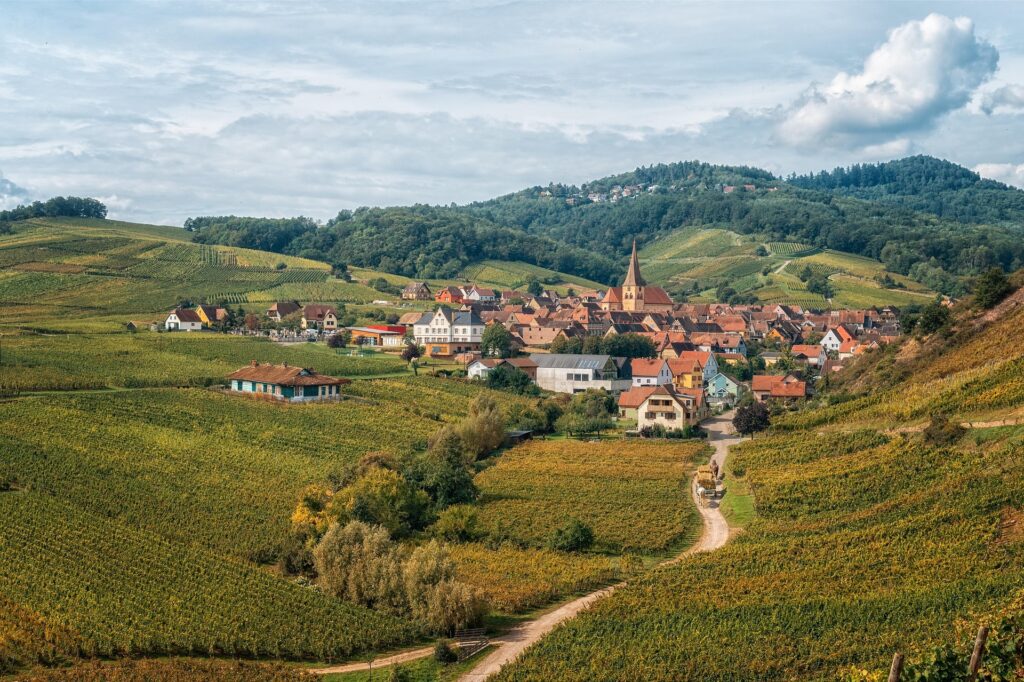
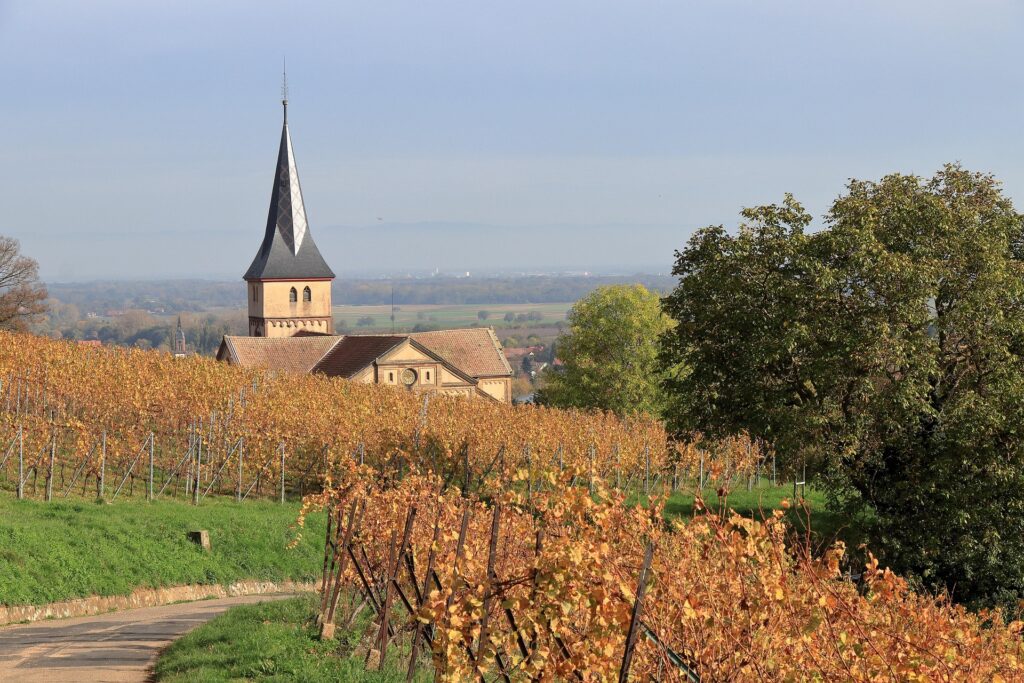
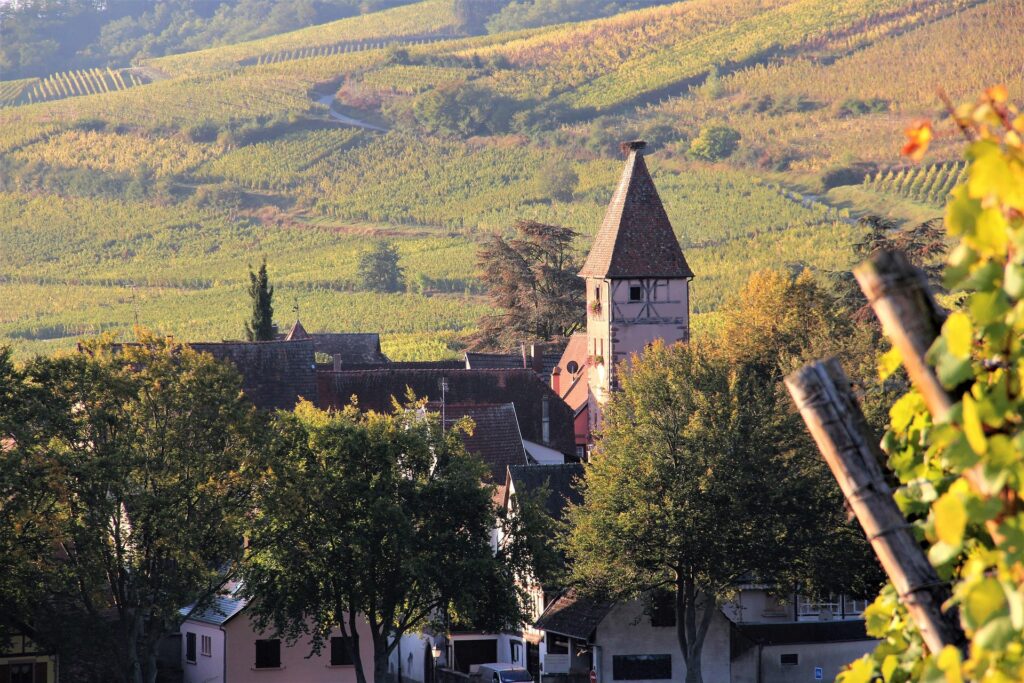
One of the region’s most famous attractions is the Alsace Wine Route (Route des Vins d’Alsace), a 170-kilometer narrow road connecting small villages and towns along almost the entire length of Alsace. We didn’t manage to cover it all, but we saw some of its most iconic stops and felt such an idyllic atmosphere that we’re definitely planning to return in the spring when the vineyards are green.
Traditional Alsatian Cuisine
Local Alsatian cuisine is much more similar to German than French food. To summarize, Alsatian cuisine is like German cuisine but with more cheese and wine. It’s difficult to be objective about food as it’s all a matter of taste, but we were far from impressed. The biggest specialty, widely offered for over €20, is Choucroute, which is the French name for sauerkraut, also known as Sauerkraut in German. Although the cuisine itself didn’t wow us, the supermarkets offer world-class local products—a huge variety of cheeses, wines, cured meats, and, of course, typical French pastries.
Day 1: Landing in Basel and Arriving in Colmar
We landed in Basel early in the morning and were surprised by the heavy snowfall and accumulated snow. Initially we had planned to visit Basel, as we know it’s a very beautiful city, but since November days are short, we preferred to spend more time at our final destination, Colmar. We cleared the snow off our car and set off. Fortunately, the weather in Colmar was better, and right after we settled in, we went out for a walk in the city.
Colmar
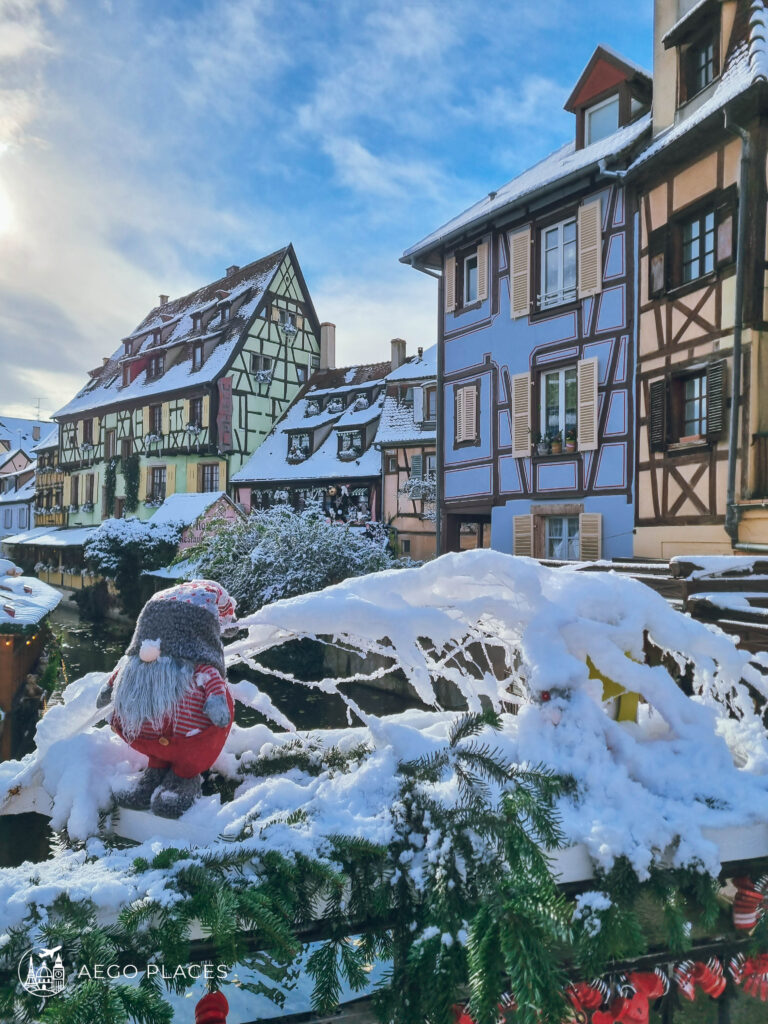
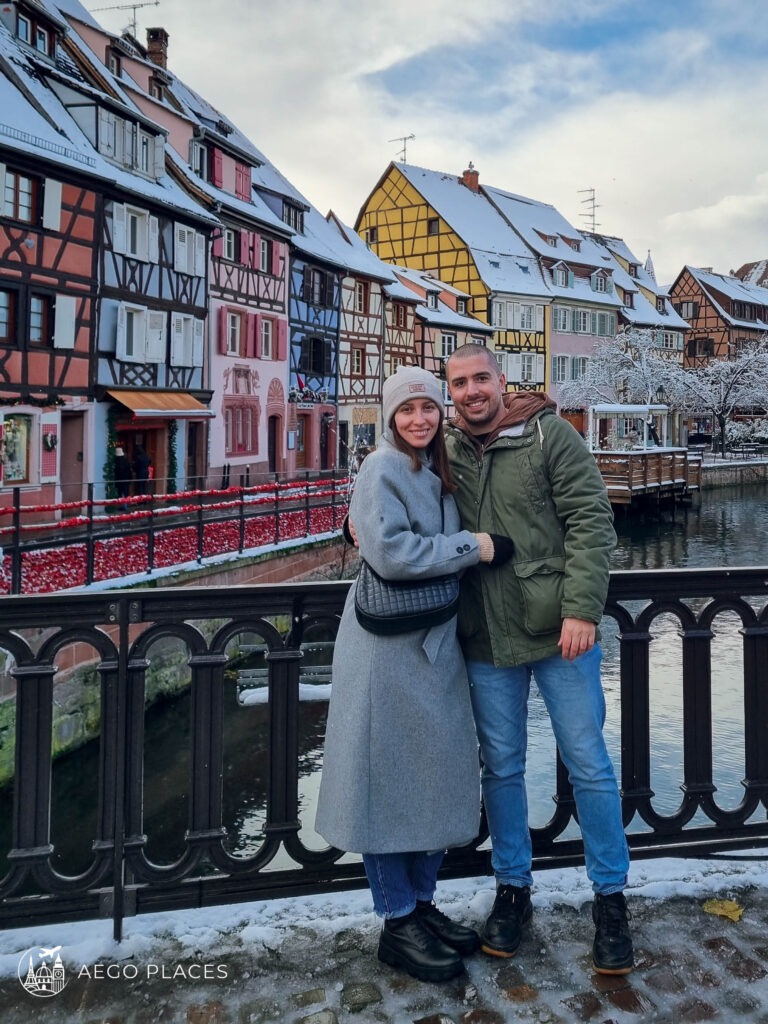
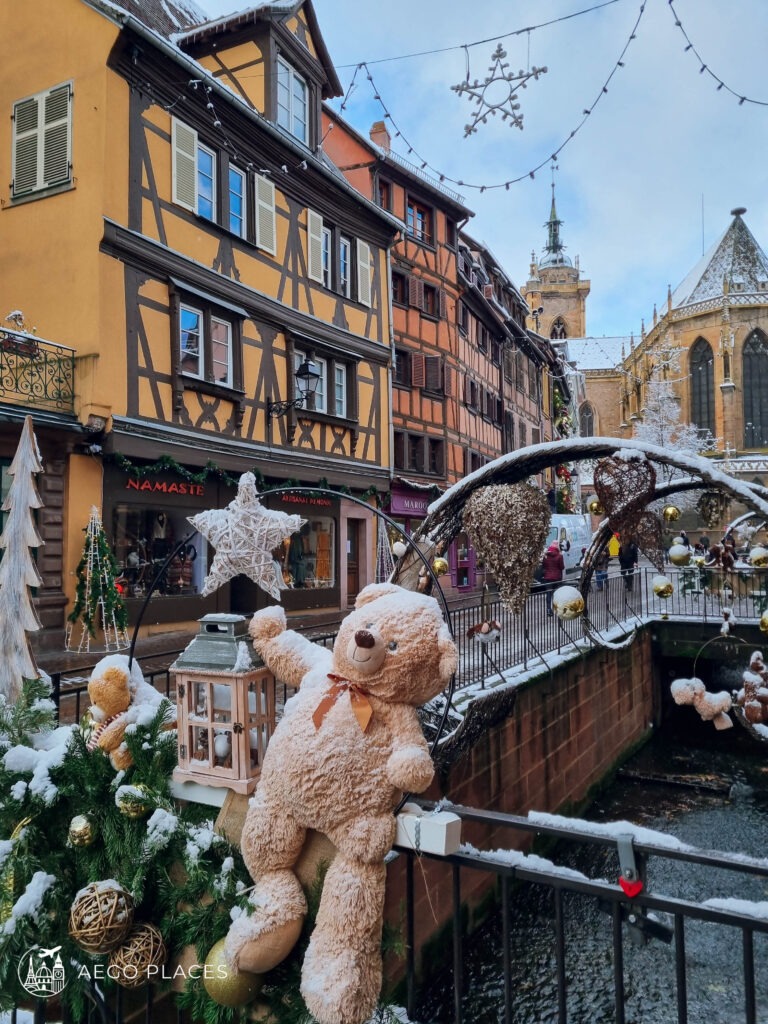
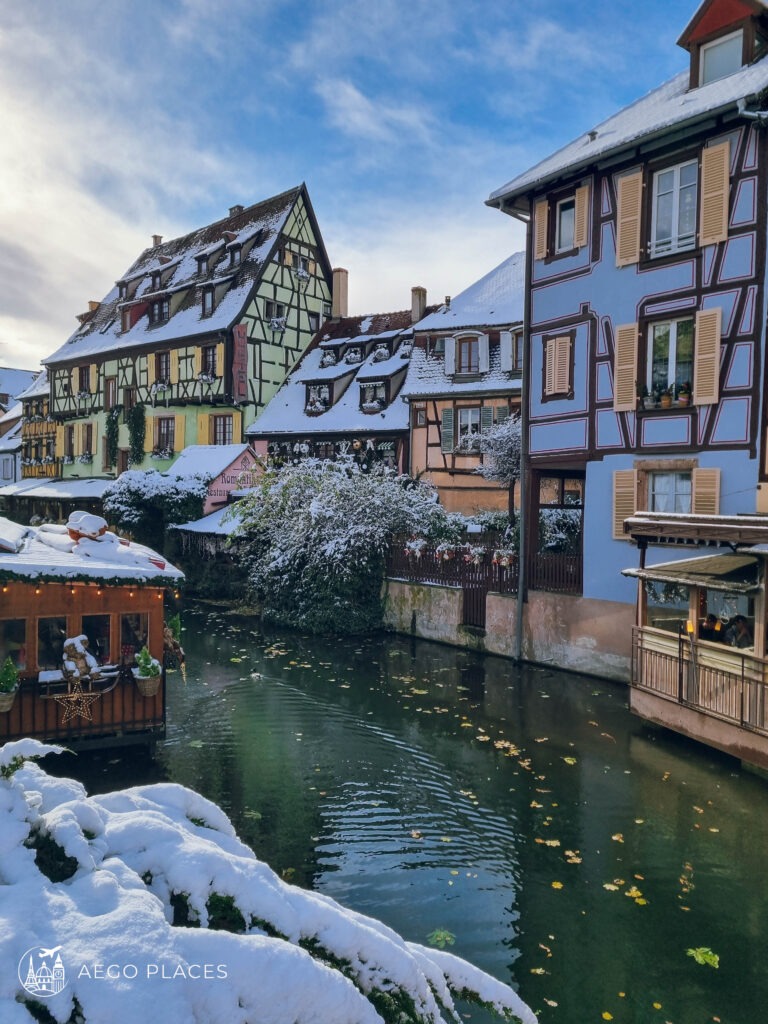
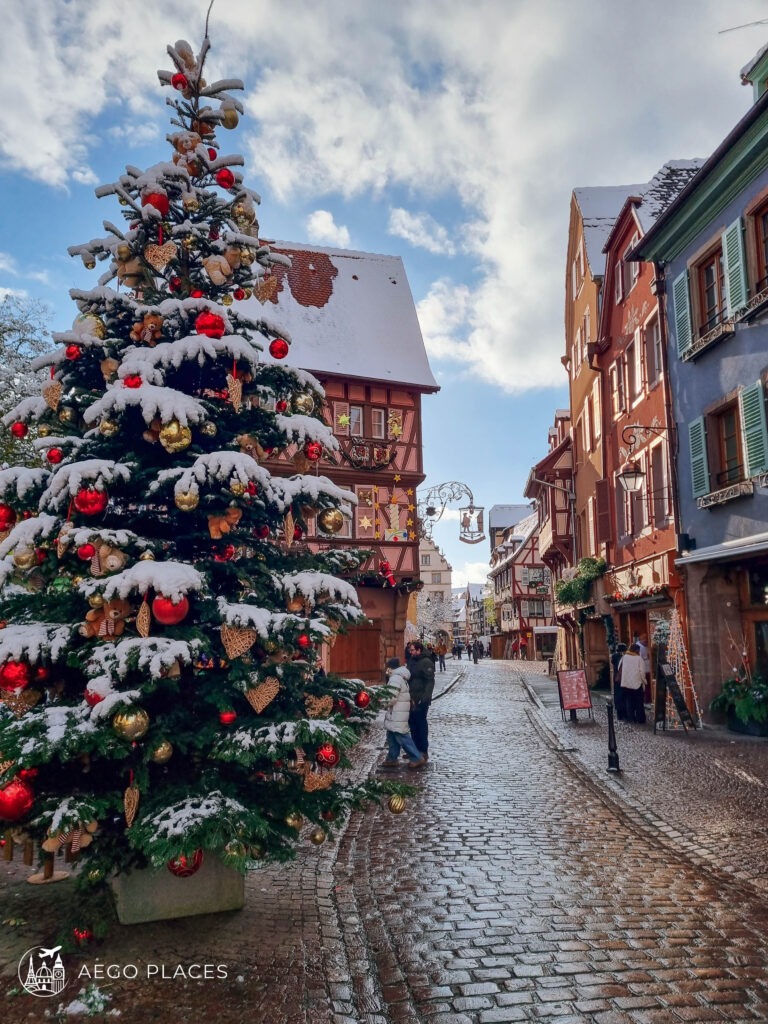
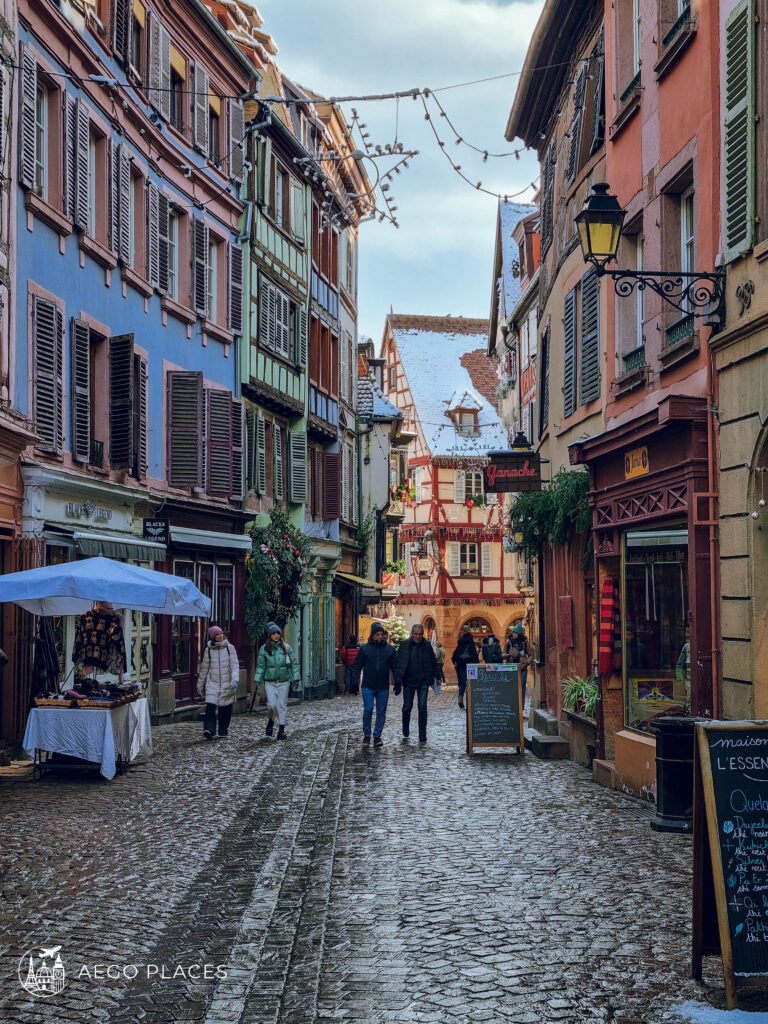
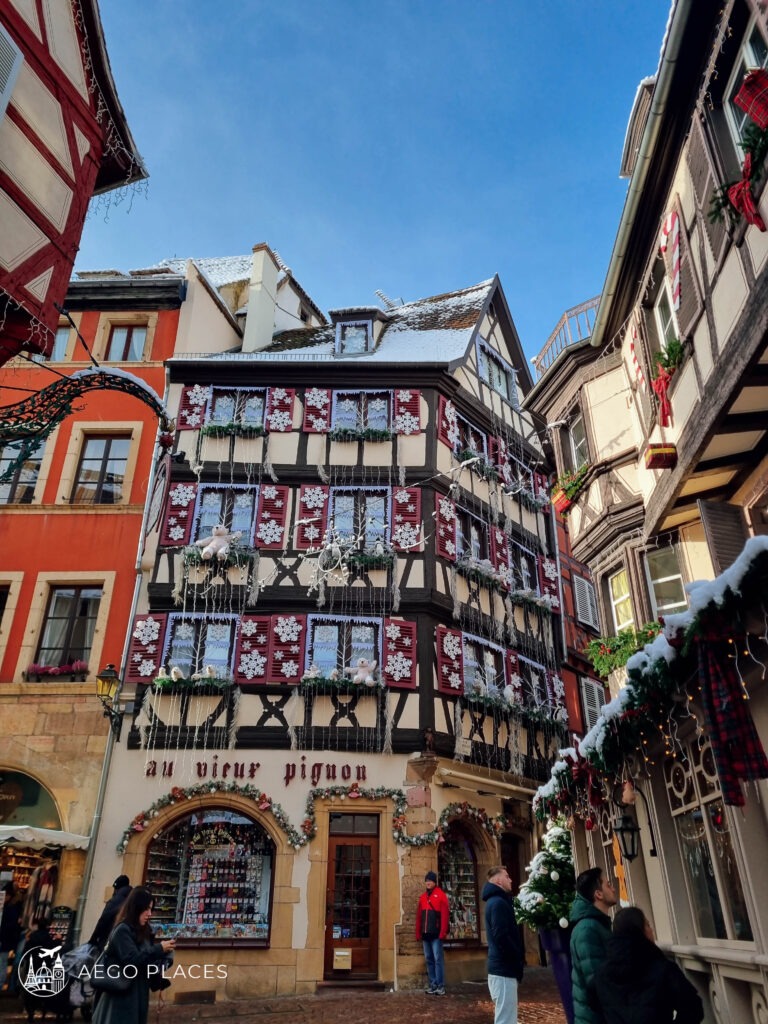
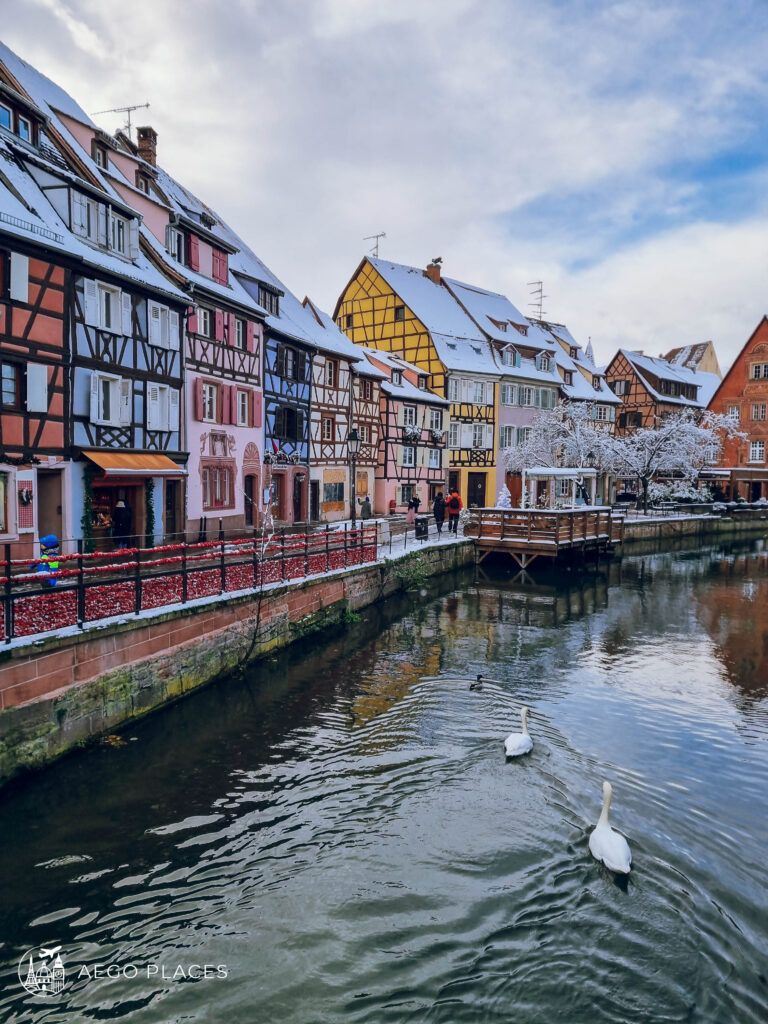
For centuries, Colmar was a rich and important trading town, which contributed to the beautiful architecture that can still be seen today. The city has one of the most beautiful and iconic historical centers in Europe, famous for its river canals flowing between colorful half-timbered houses. Every street looks like something out of a Disney movie. It is said that the city inspired the creators of the Disney film Beauty and the Beast, and it’s not hard to see the similarities.
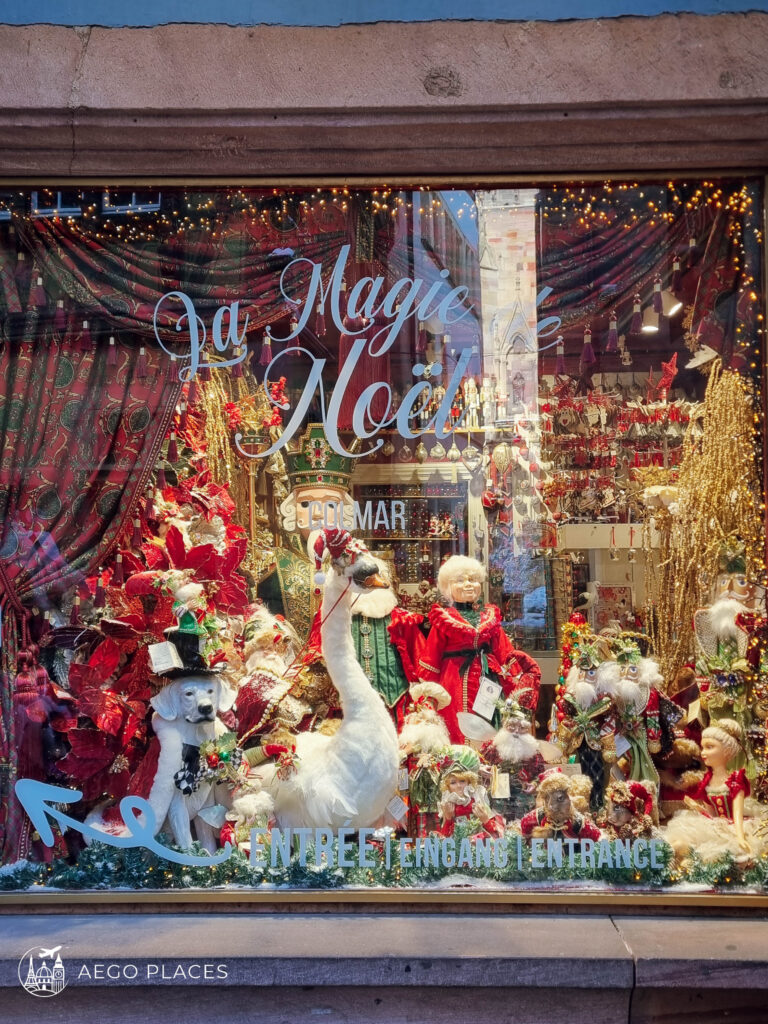
We arrived in Colmar around noon and were surprised to find the entire city already decorated for Christmas. We were about a week early for the Christmas Market, but the festive spirit was everywhere, especially combined with the snow-covered rooftops. Numerous small shops selling Christmas decorations, sweets, and other trinkets added to the atmosphere. Although it felt wintry, it wasn’t too cold outside and was perfect for walks and photos in the enchanting setting.
Eguisheim
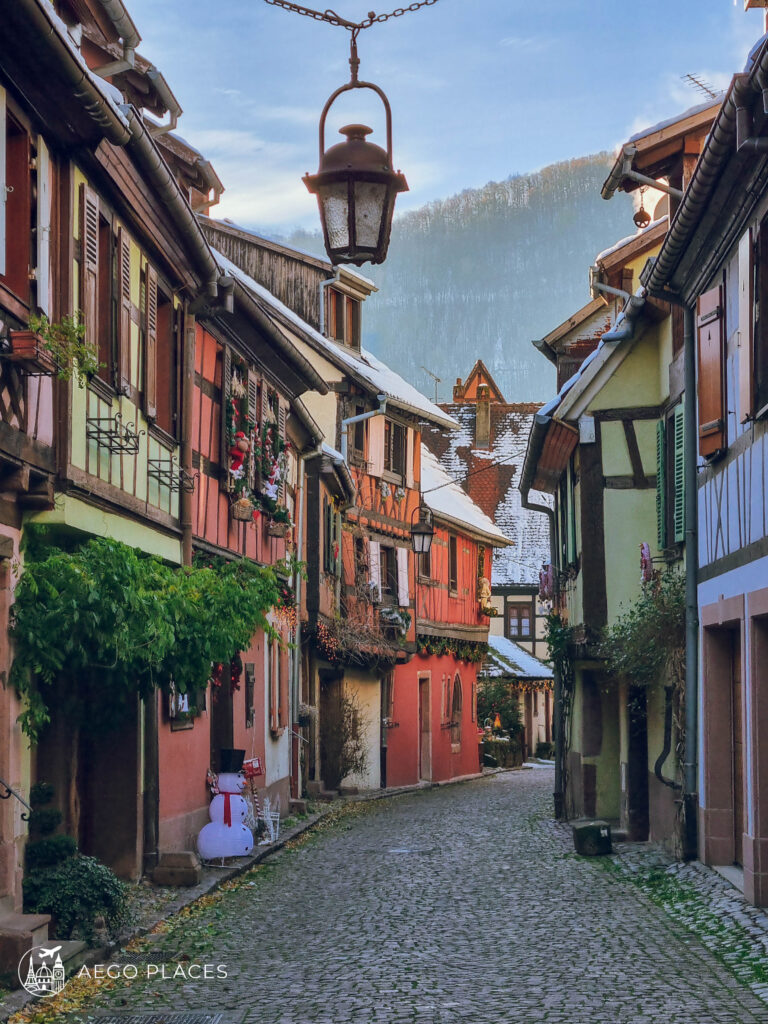
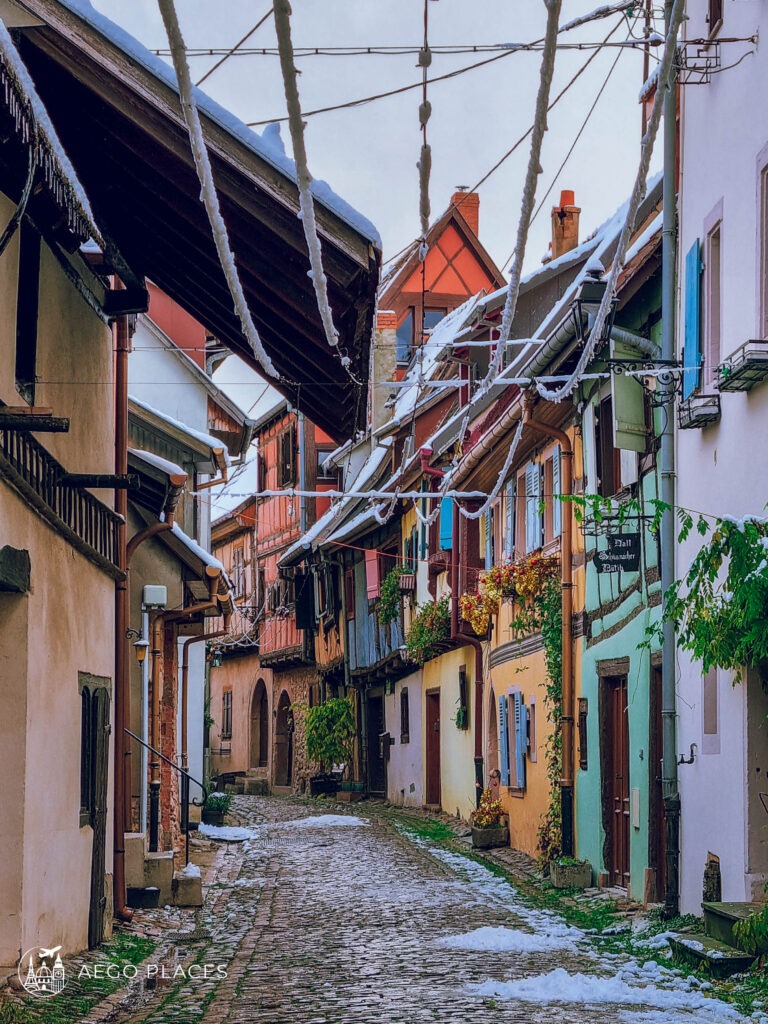
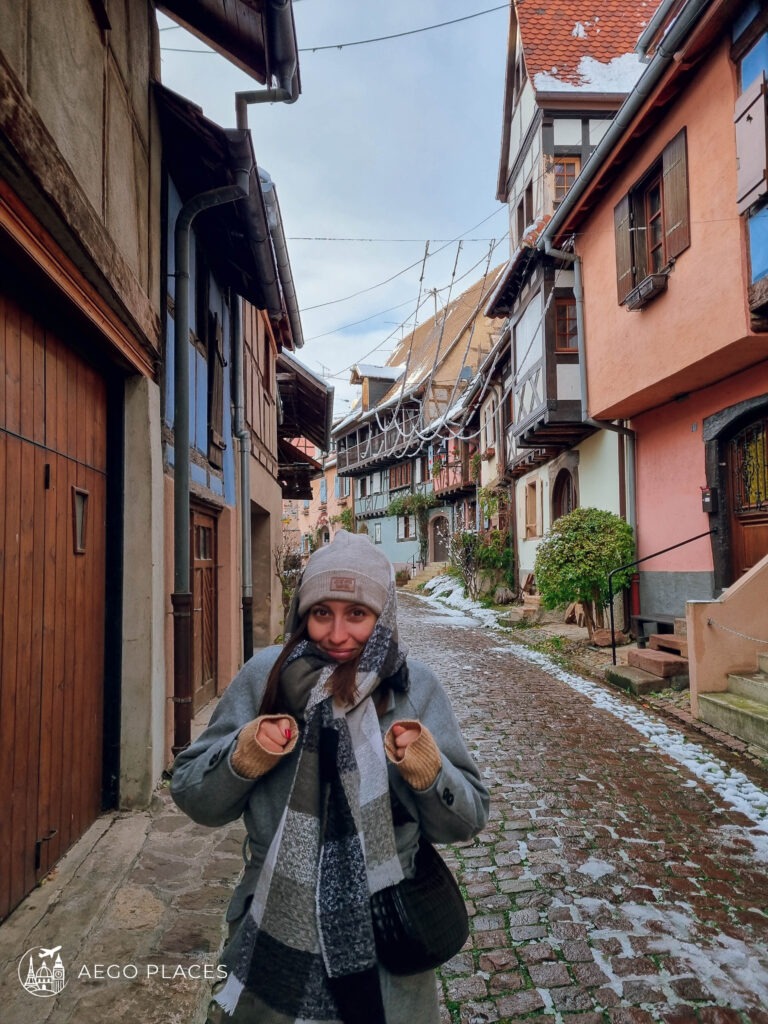
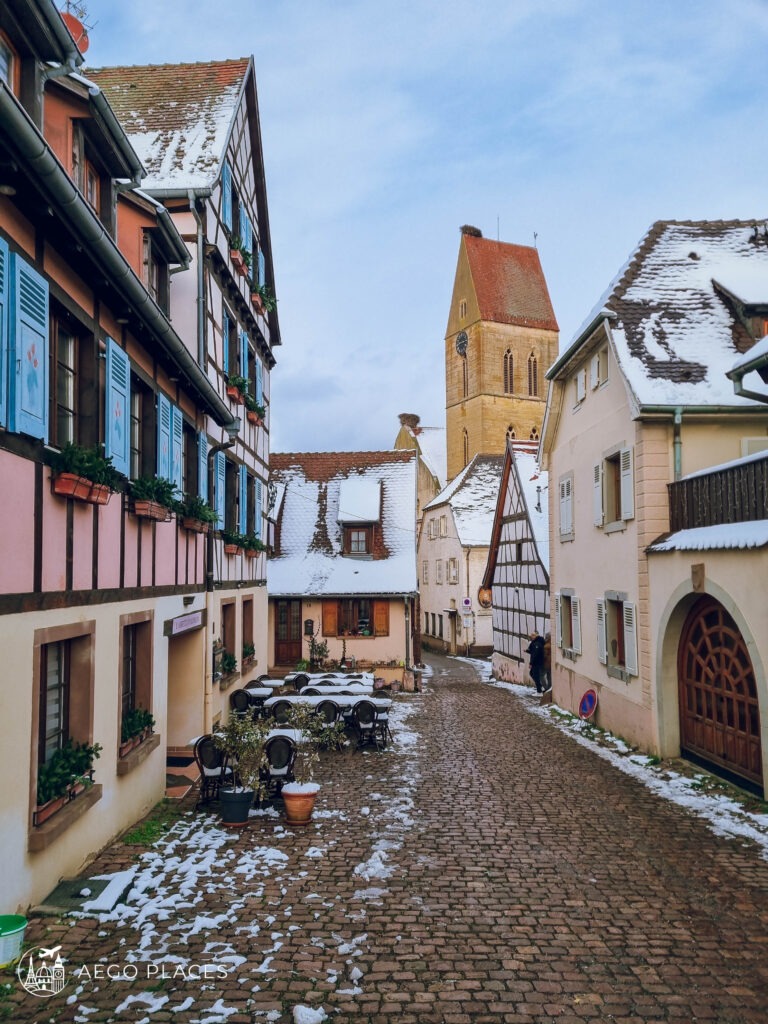
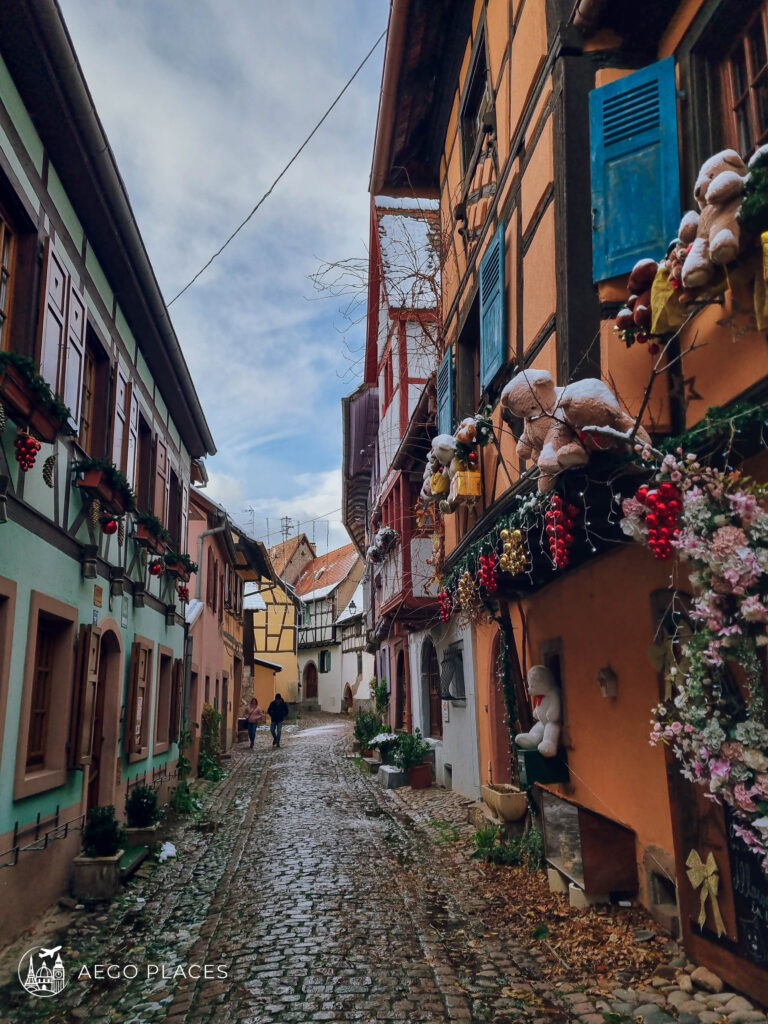
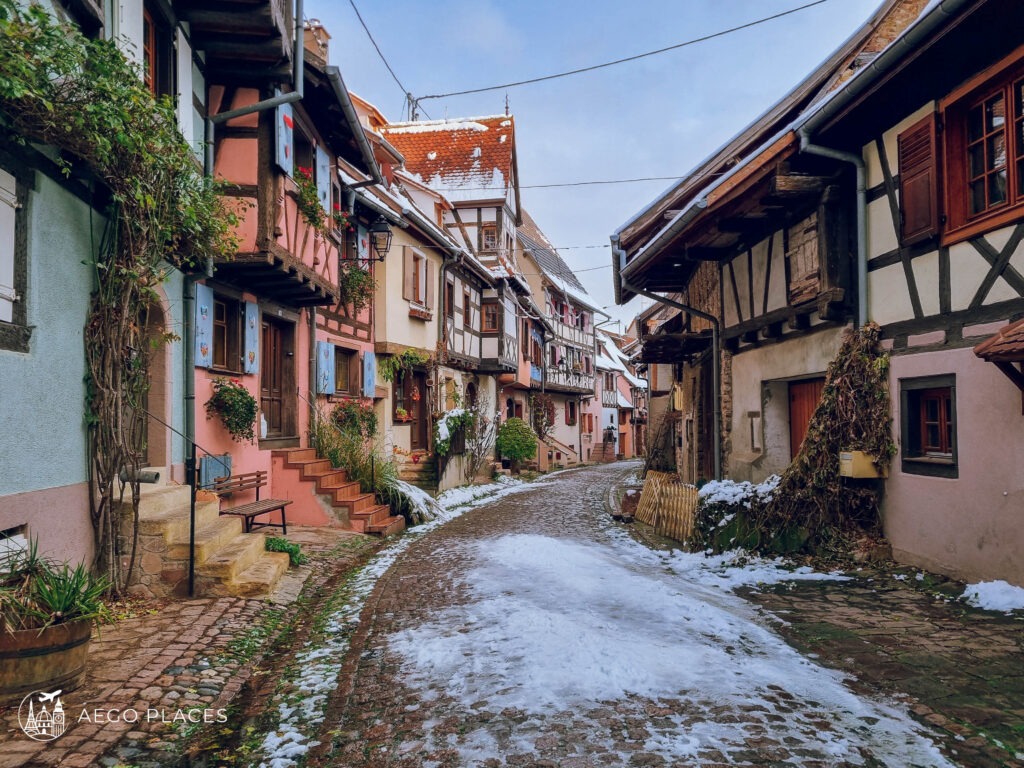
Eguisheim is a small village practically attached to Colmar. It has a reputation as the most beautiful village in Alsace, and since we had an hour or two of daylight left, we decided to visit it on our first day. It’s about a 10-minute drive from Colmar. As soon as we passed the village sign, we were amazed by its charm and beauty. There were significantly fewer people than in Colmar, and we were practically walking alone on the snowy cobblestone streets, surrounded by colorful houses, beautiful monuments, and historic buildings. It’s hard to describe how much this place impressed us; I think the pictures speak for themselves.
Day 2: Kaysersberg and Strasbourg
Kaysersberg-Vignoble
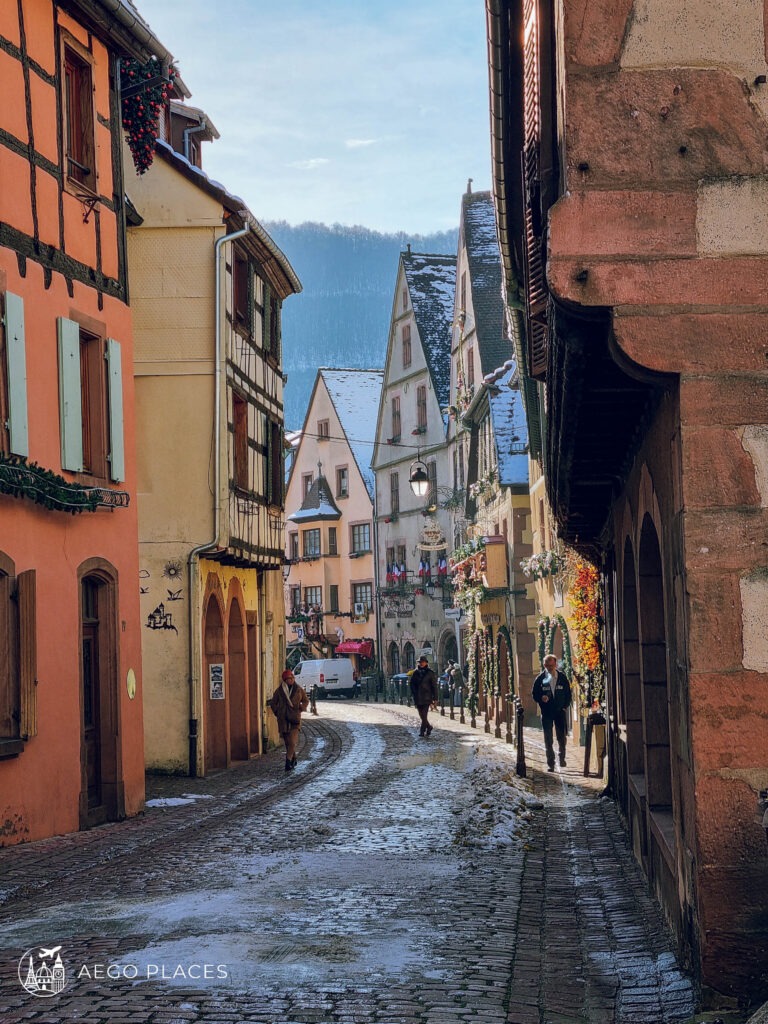
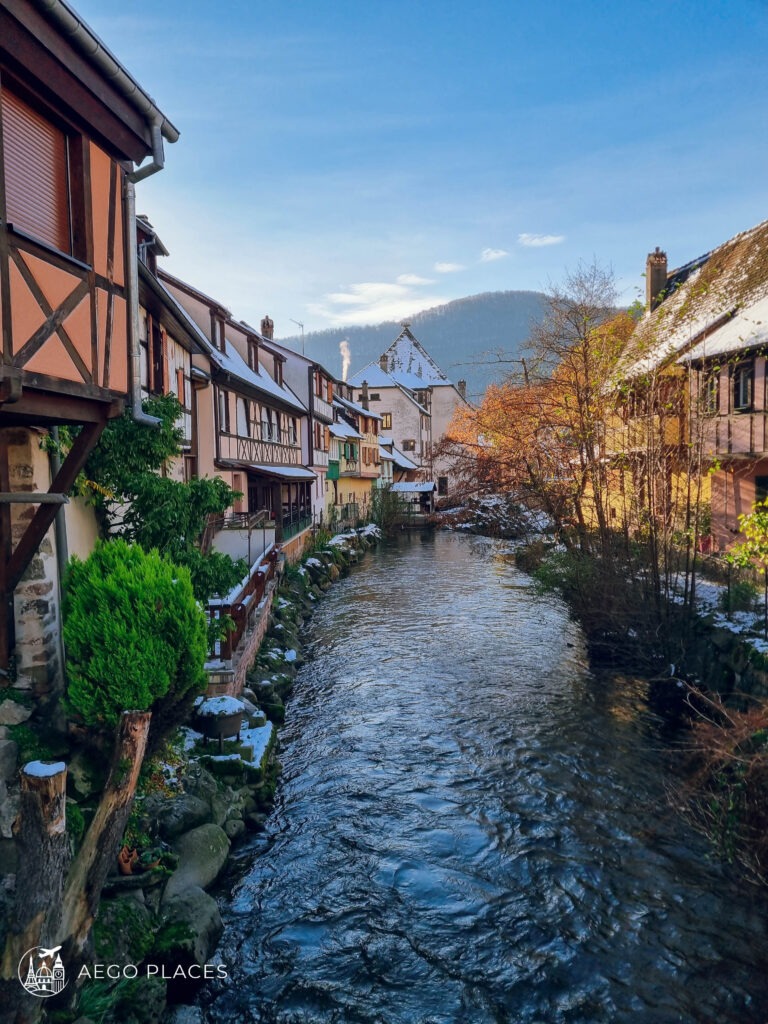
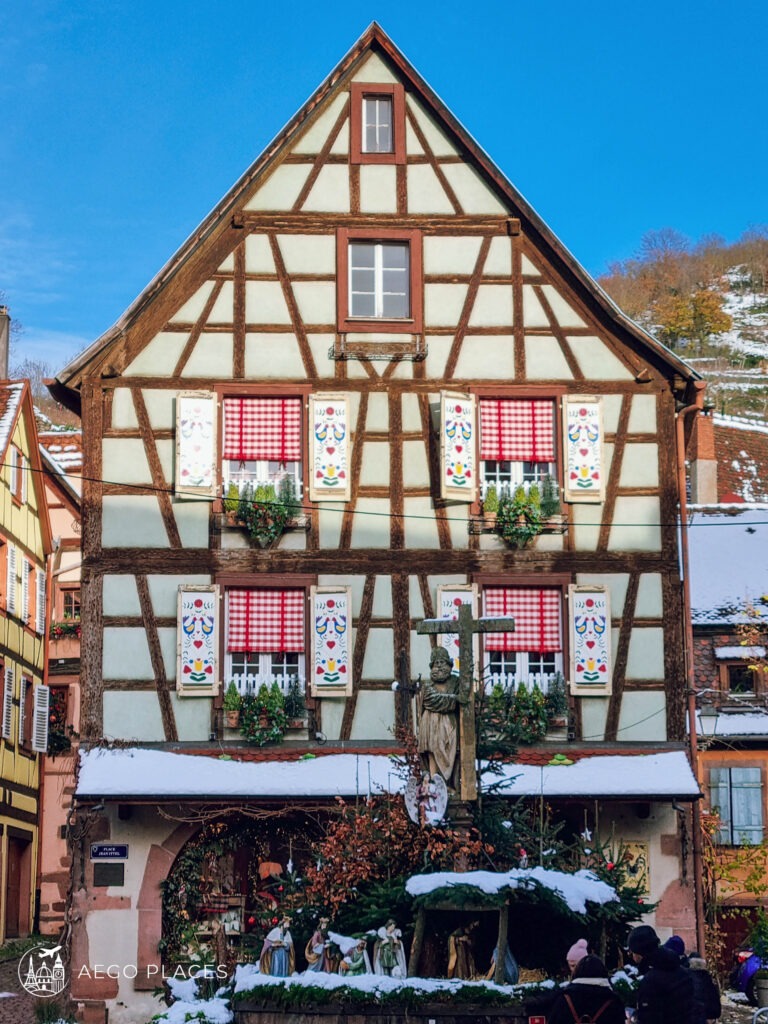
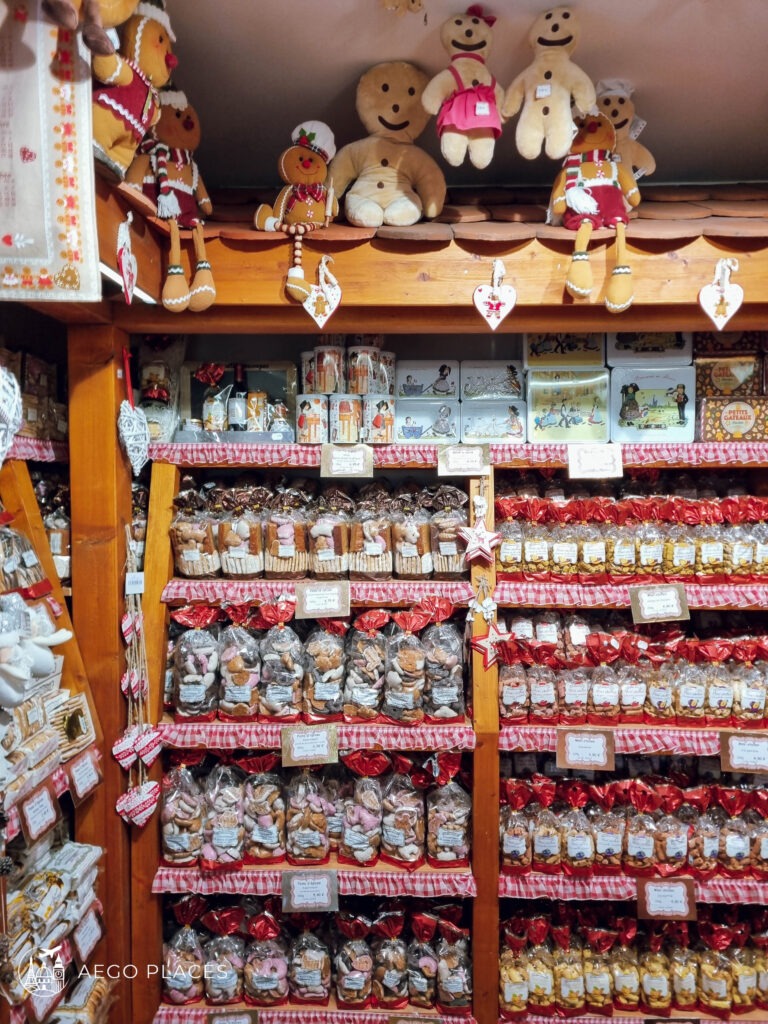
We got up early, had coffee and a croissant at a nearby café (surprisingly, there isn’t a large selection of cafés in Colmar), and chose our route for the day—a beautiful village nestled in the mountains around Alsace. Kaysersberg isn’t one of the most popular villages in the region, but it was recommended by locals. We reached it from Colmar in about 15-20 minutes, driving along an incredibly scenic road dotted with snow-covered hills and beautiful churches perched on their peaks. If it was this beautiful in November, we can only imagine how charming it must be in the spring! We parked our car in the paid parking lot and headed down into the village.
Kaysersberg turned out to be a very pleasant surprise; there weren’t many visitors, and it felt like we had the streets to ourselves.
Strasbourg
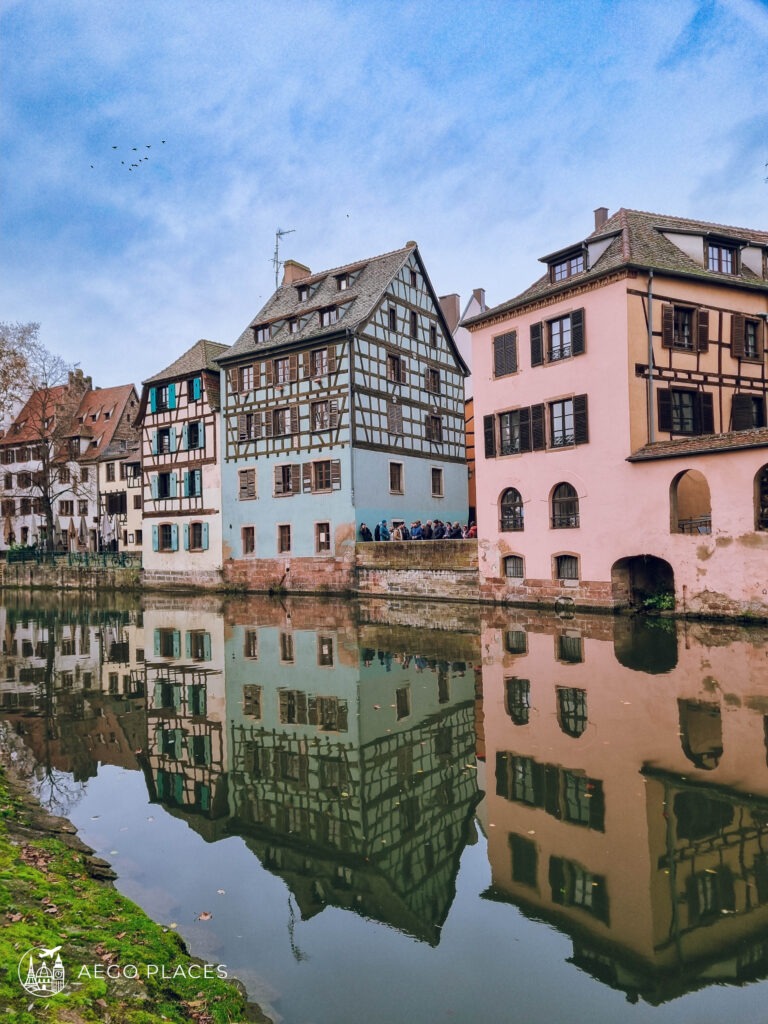
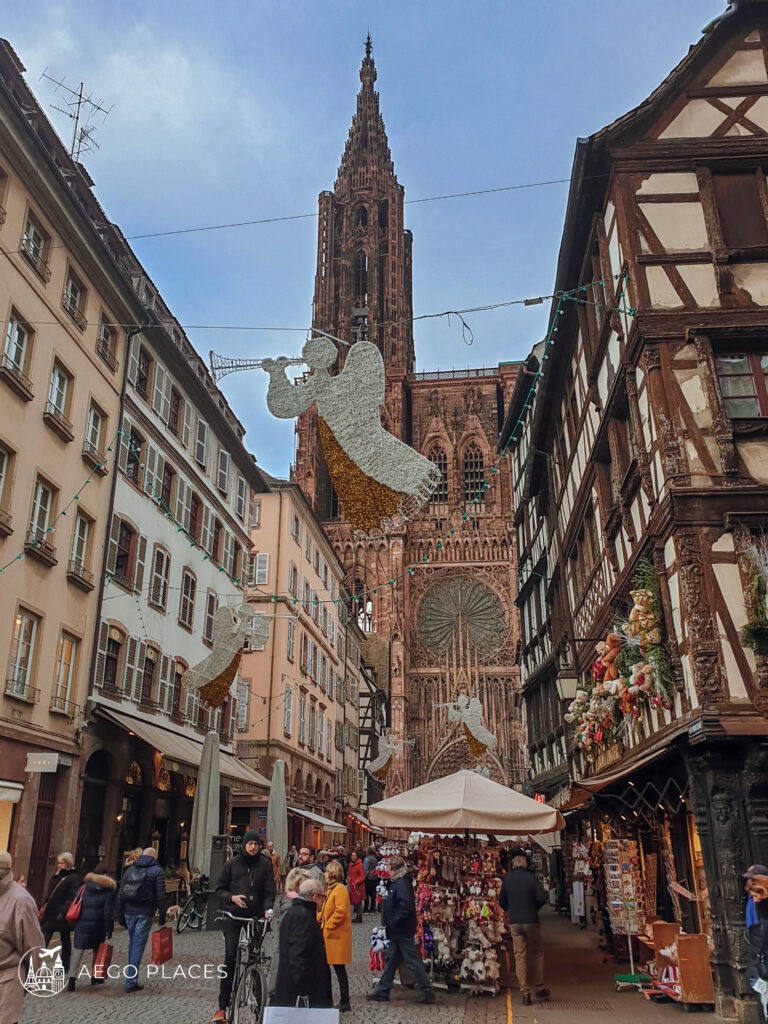
Strasbourg is a city located on the Rhine River, which separates France from Germany. The city is known for its incredible architecture and culture, one of the largest cathedrals in Europe, and is one of the four capitals of the European Union—the European Parliament is located there.
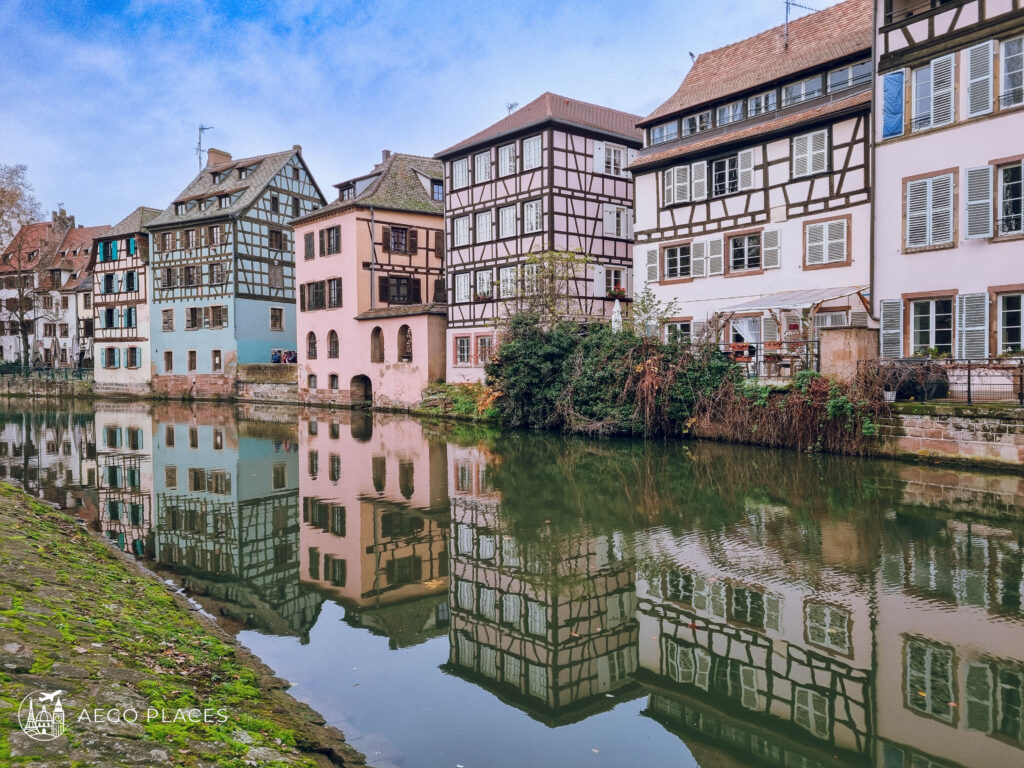
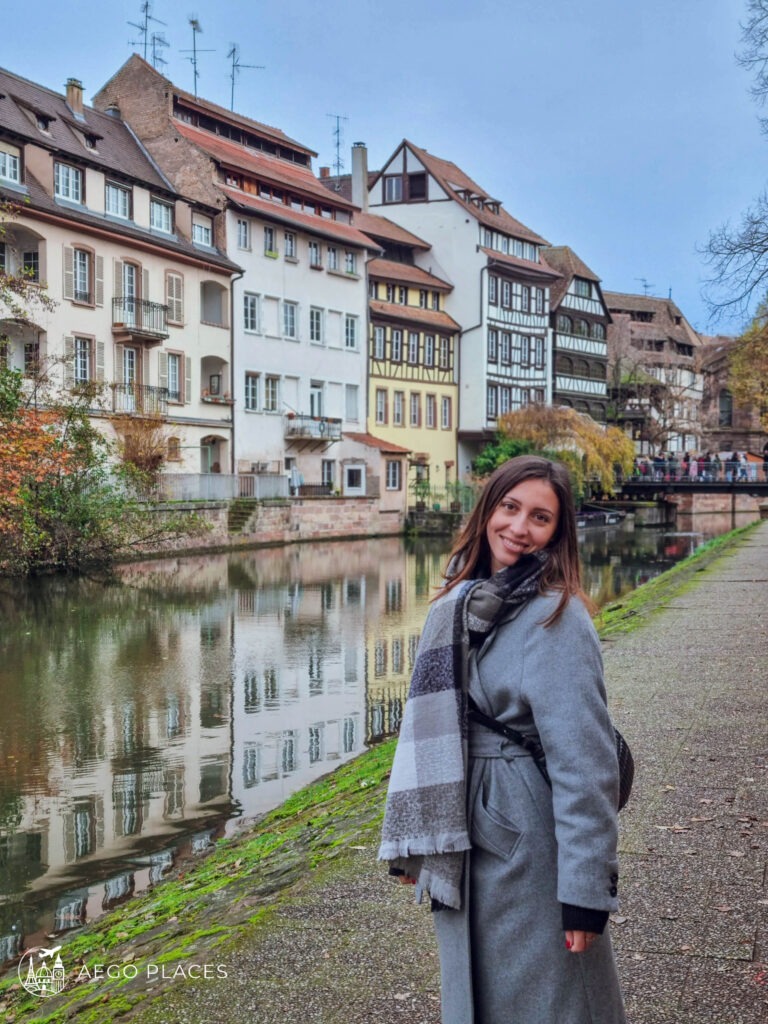
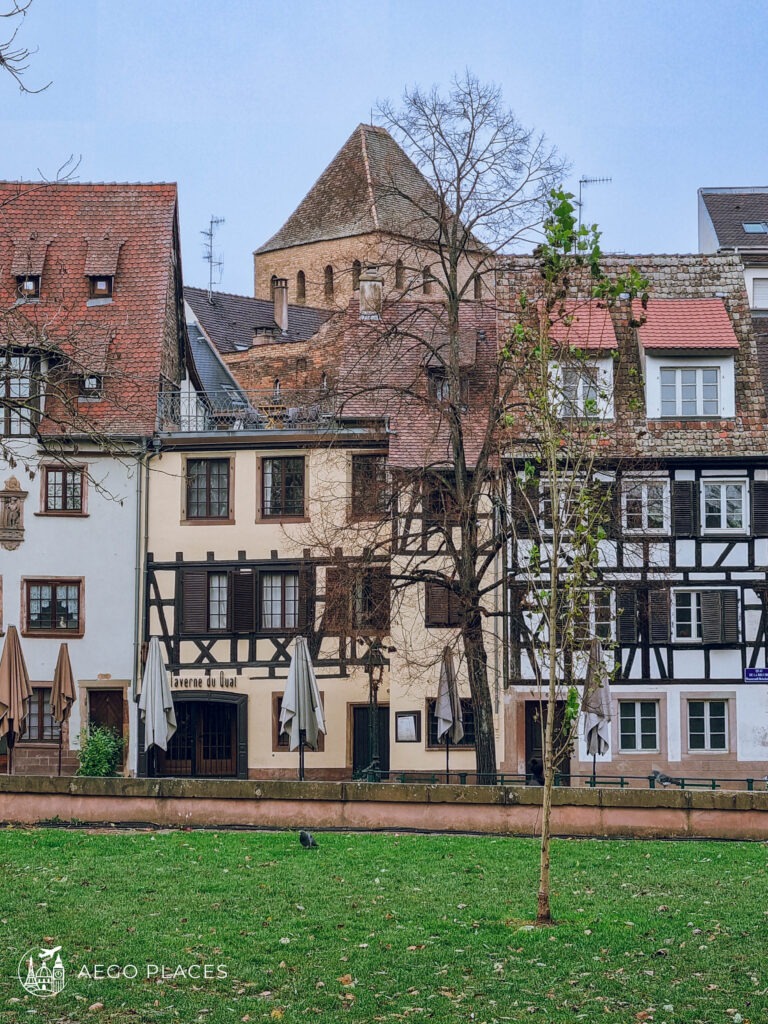
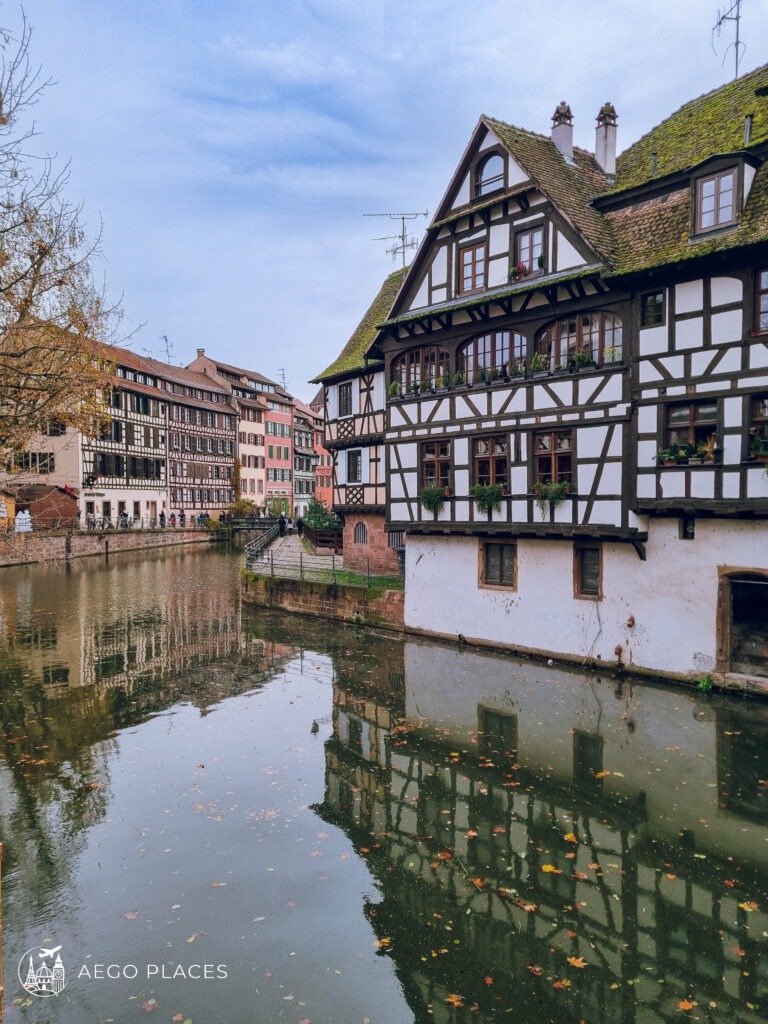
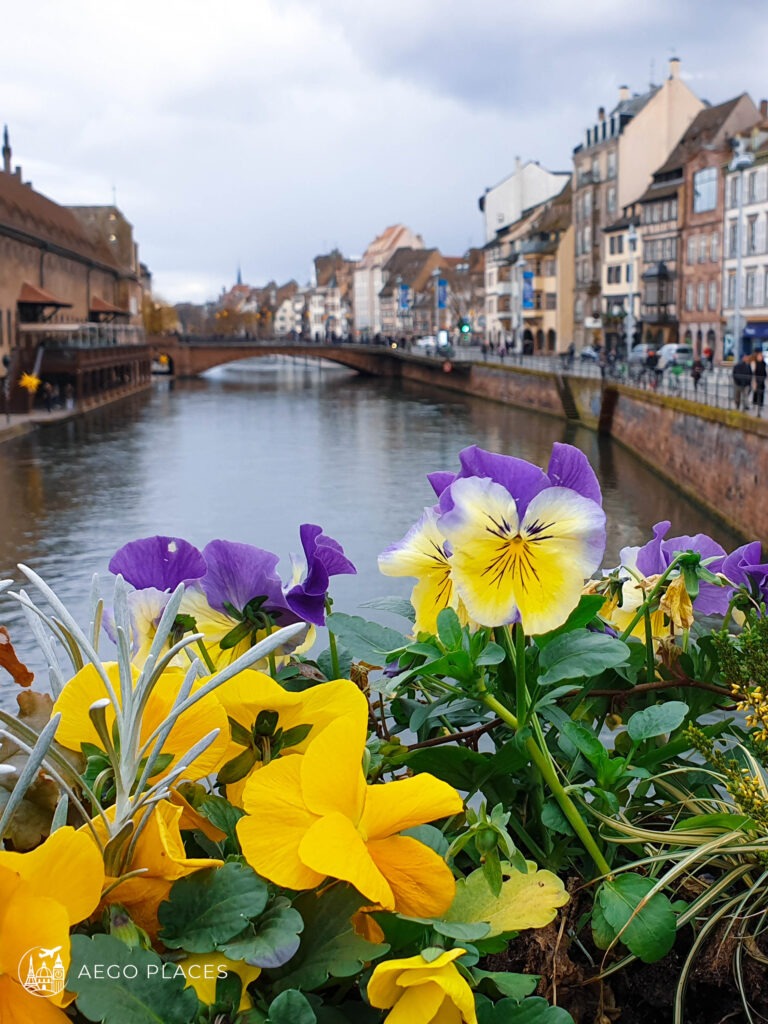
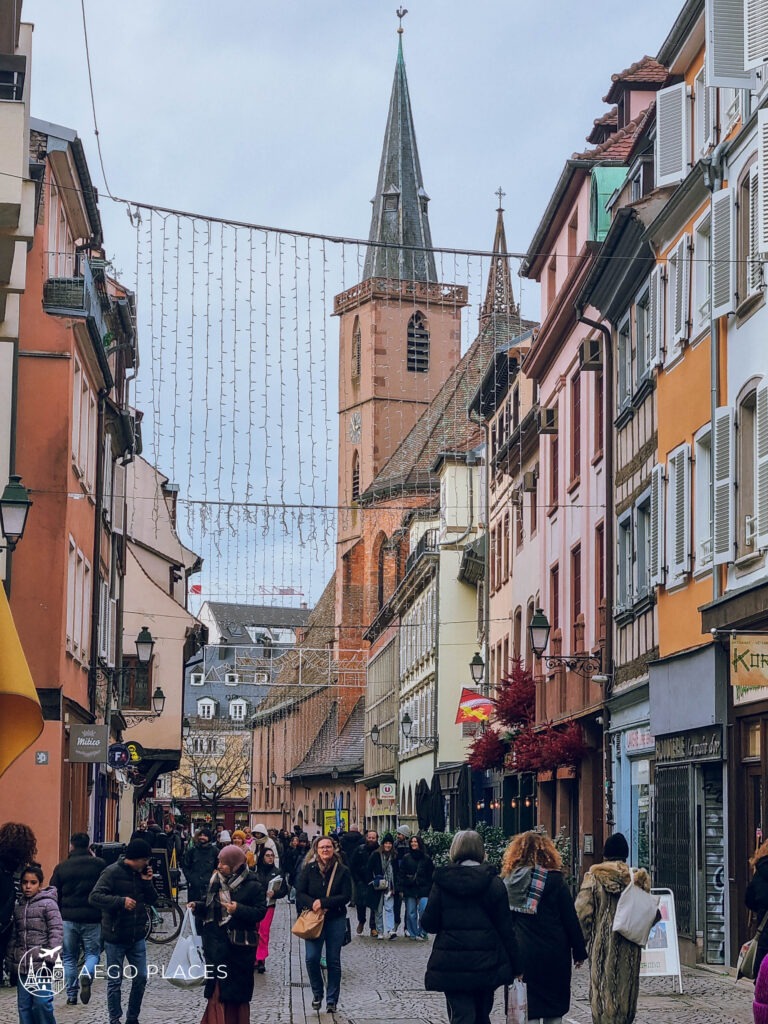
After about an hour of enchanting views in Kaysersberg, we headed to our next destination: Strasbourg, the capital of Alsace. We got on the highway and were there in about an hour. We parked in a large underground parking garage in the center and went to our first stop, La Petite France (Little France). This is the most beautiful part of Strasbourg’s historic center, defined by the canals of the River Ill, which form an island in the heart of the city—Grande Île (The Big Island). Every street smelled of delicious food and wine, there was an abundance of shops, and the atmosphere was very festive and uplifting. There were significantly more people in Strasbourg than in the other places we visited, but the city is much larger and a popular destination for many tourists.
Since we weren’t particularly impressed with the local Alsatian cuisine, which resembled German food more than French, we booked a table for lunch at a restaurant offering traditional French cuisine—L’Onion. The restaurant is located on the Grande Île, and it’s hard to get a table on weekends without a reservation. The restaurant was warm and cozy, and the food was wonderfully prepared; we had the most delicious onion soup. If you haven’t tried it, don’t be fooled by the name—it’s worth it.
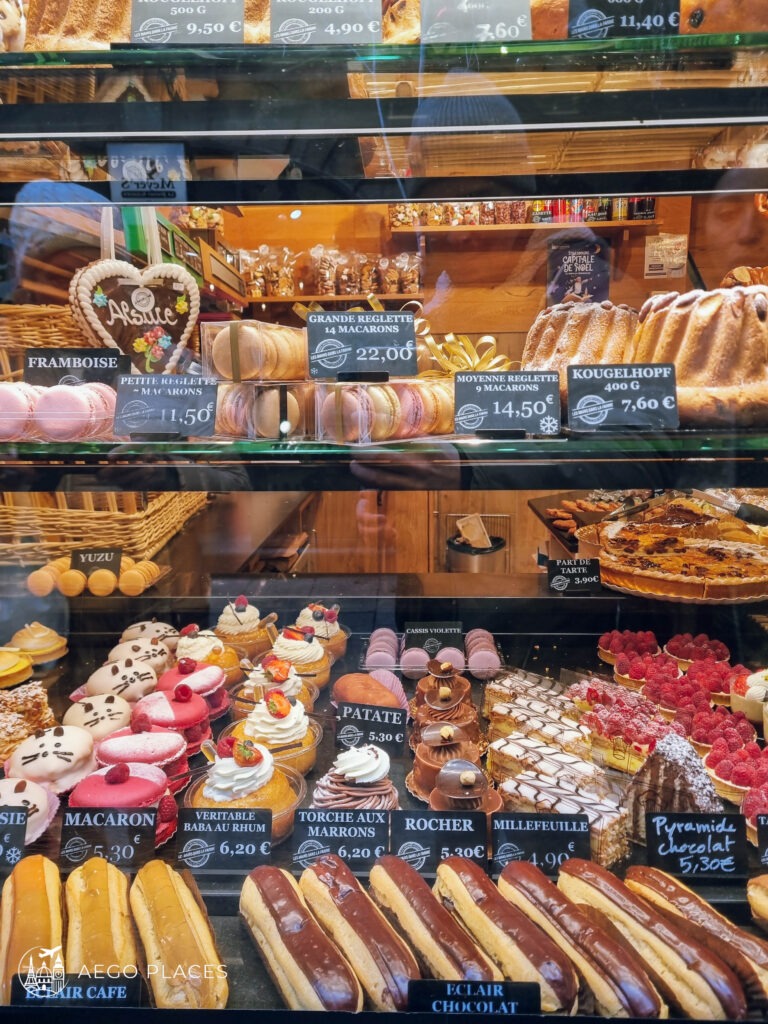
After lunch, we wandered around a bit more, bought some pastries from a local bakery, and headed back to Colmar.
Day 3: Ribeauvillé, Hunawihr, Riquewihr, and…Freiburg in Germany
This was our last full day. We got up early, and after some careful research, we decided on three villages to visit: Ribeauvillé, Hunawihr, and Riquewihr. All three are in close proximity to each other, and we figured they would be enough for a full day.
Ribeauvillé
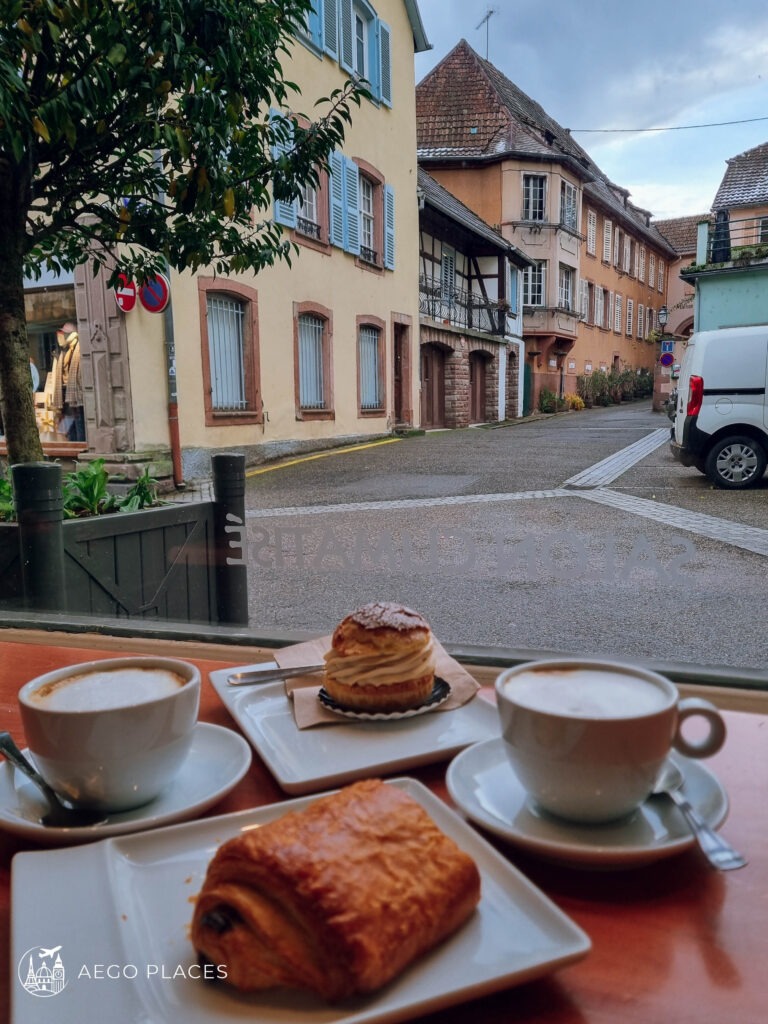
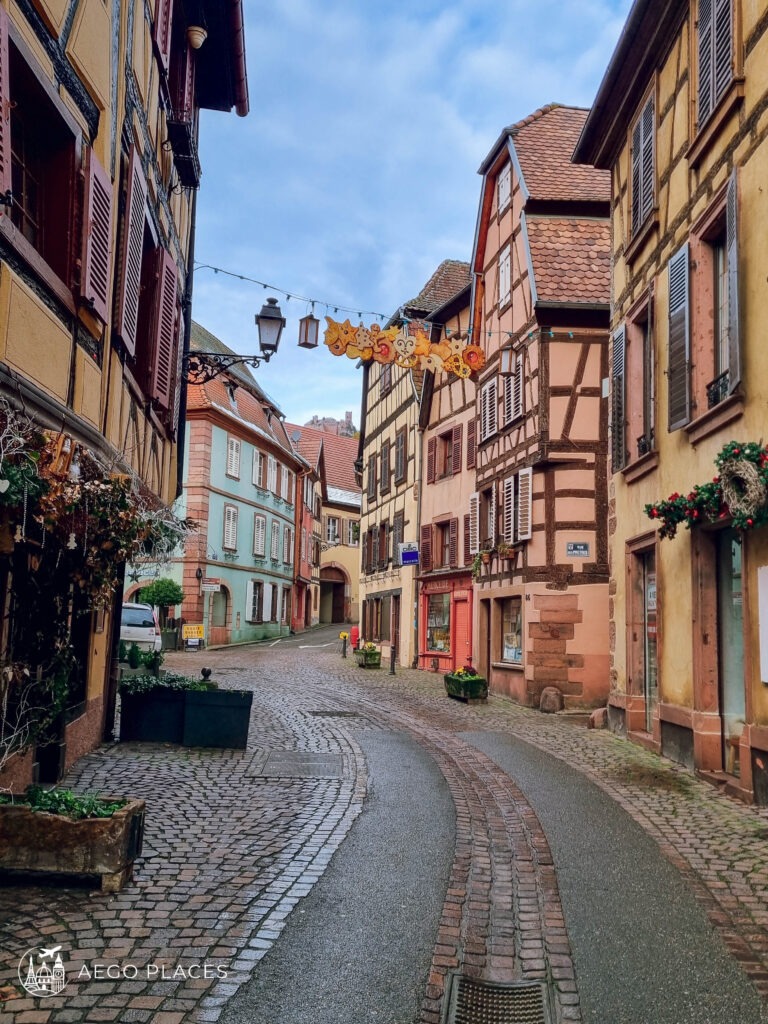
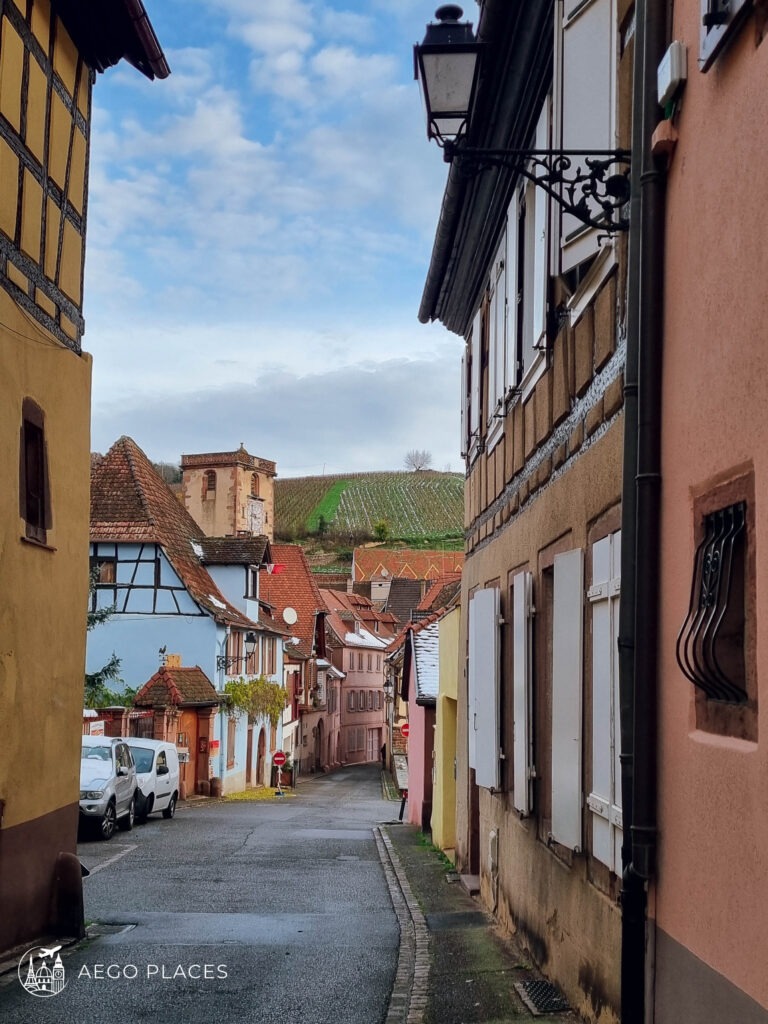
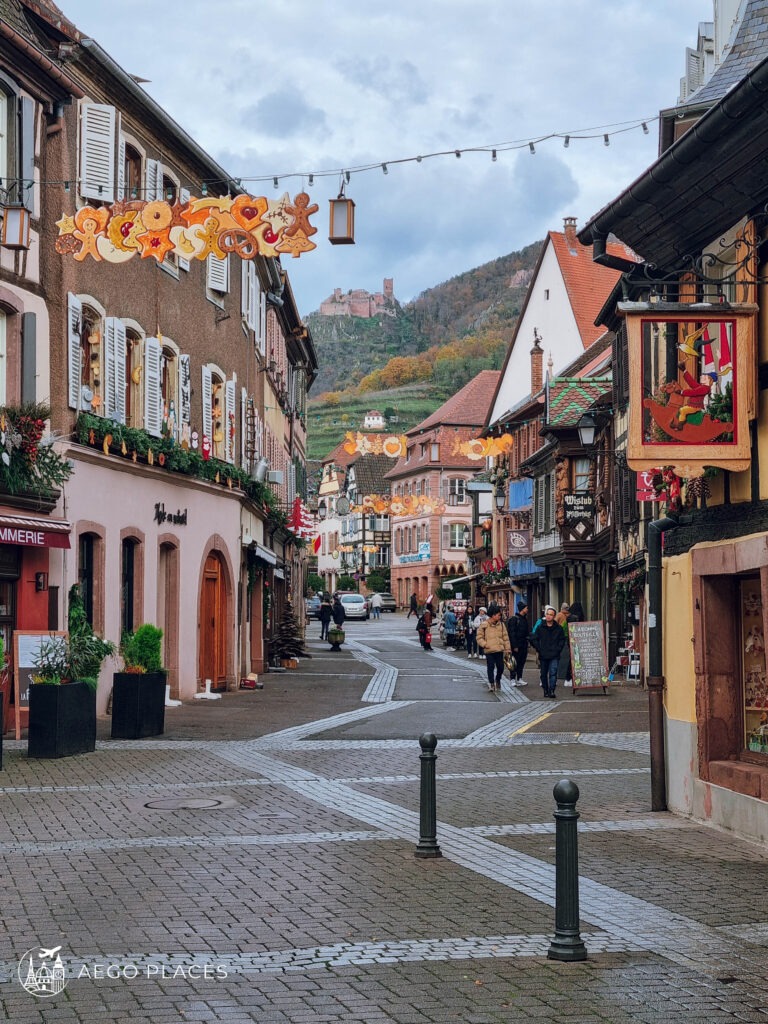
Ribeauvillé was one of our undisputed favorites among the villages. We arrived early when the cafés were just opening, and the streets were still empty. Again, we were almost alone, with only a few groups of people here and there, but overall the atmosphere was very calm. We picked a café for our daily dose of coffee and a croissant, then wandered through the labyrinth of beautiful cobbled streets, realizing that we could never get tired of places like this. Every street, every house was different from the next; we felt as if we had traveled back in time, in the best possible way.
Hunawihr
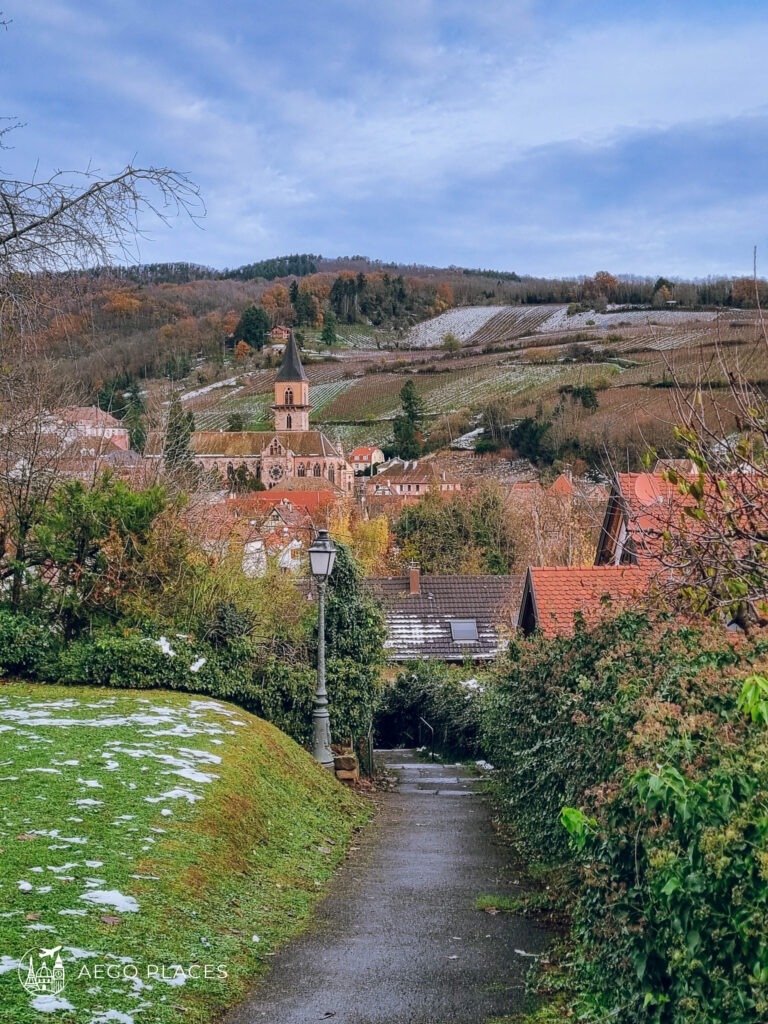
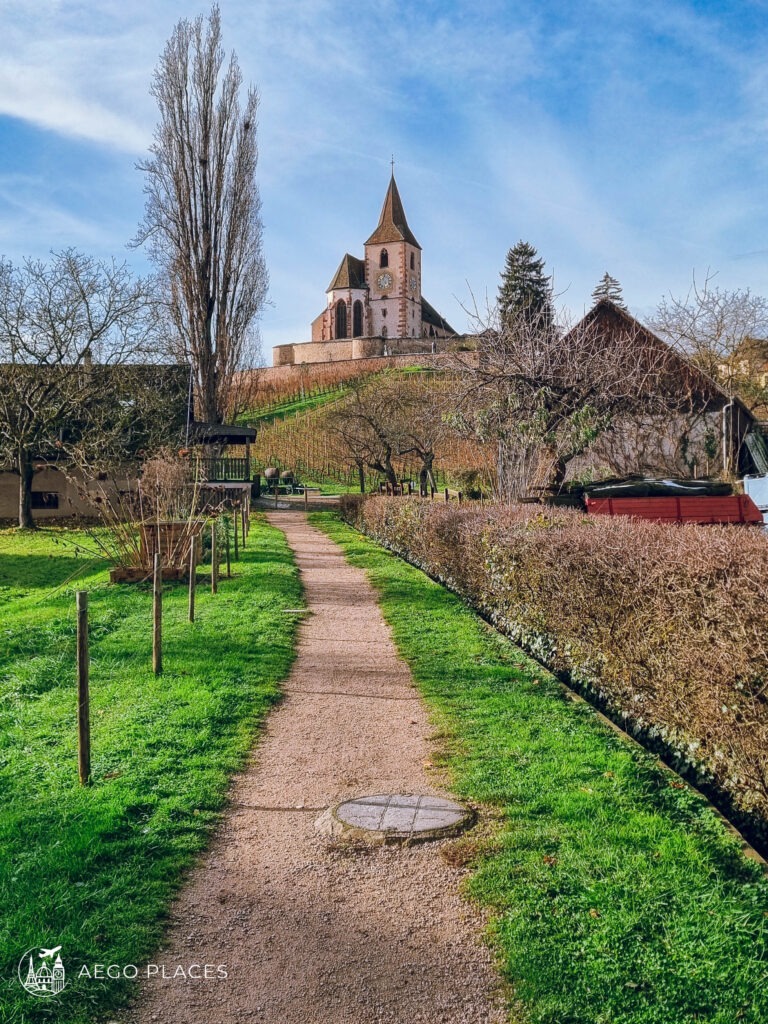
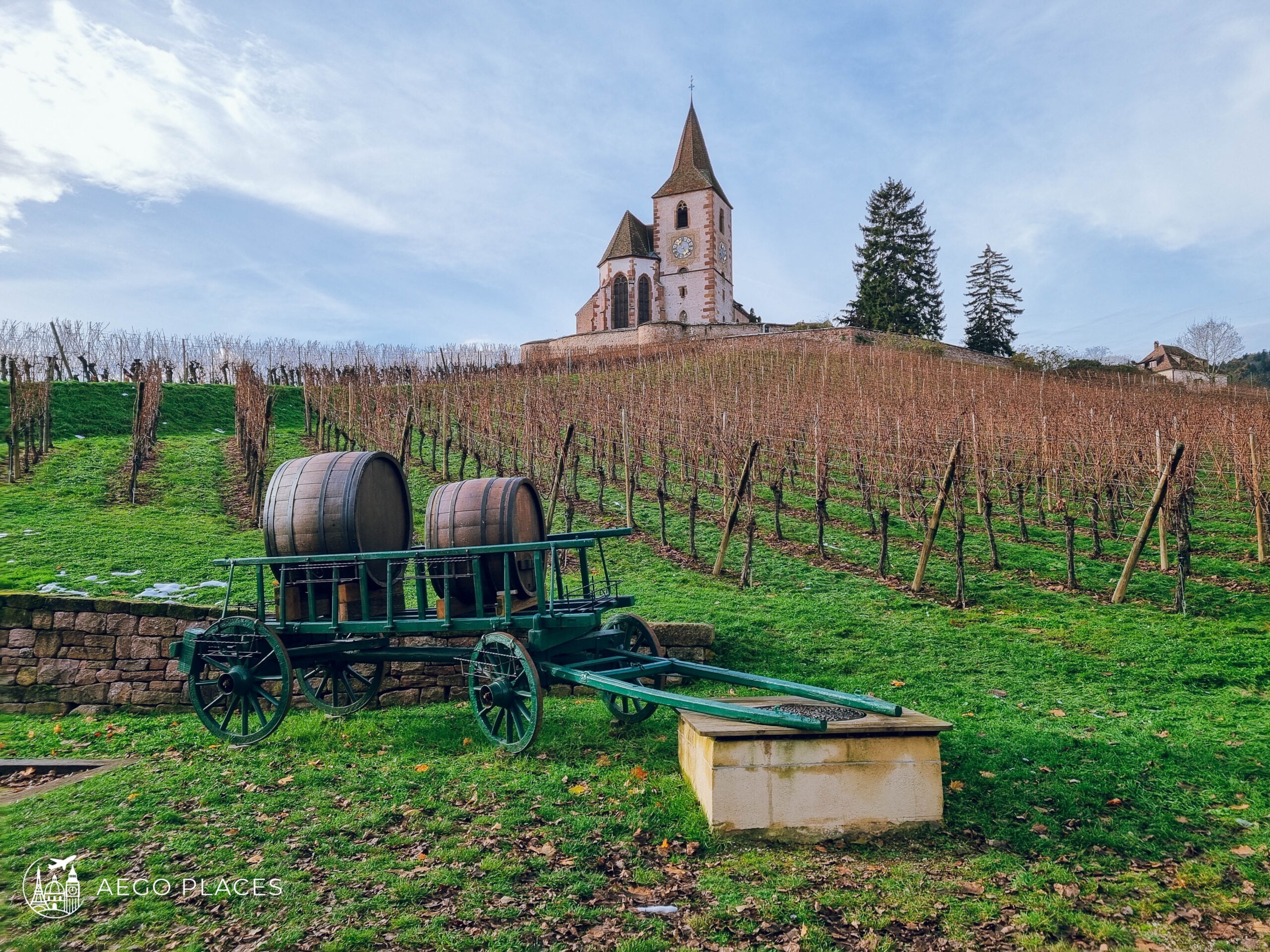
This village is a few minutes from Ribeauvillé and is smaller and, frankly, not as interesting, but it’s known for a beautiful church on a hill surrounded by vineyards. We went to this landmark, took some photos, had a short walk, and headed to the next iconic village on the wine route—Riquewihr.
Riquewihr
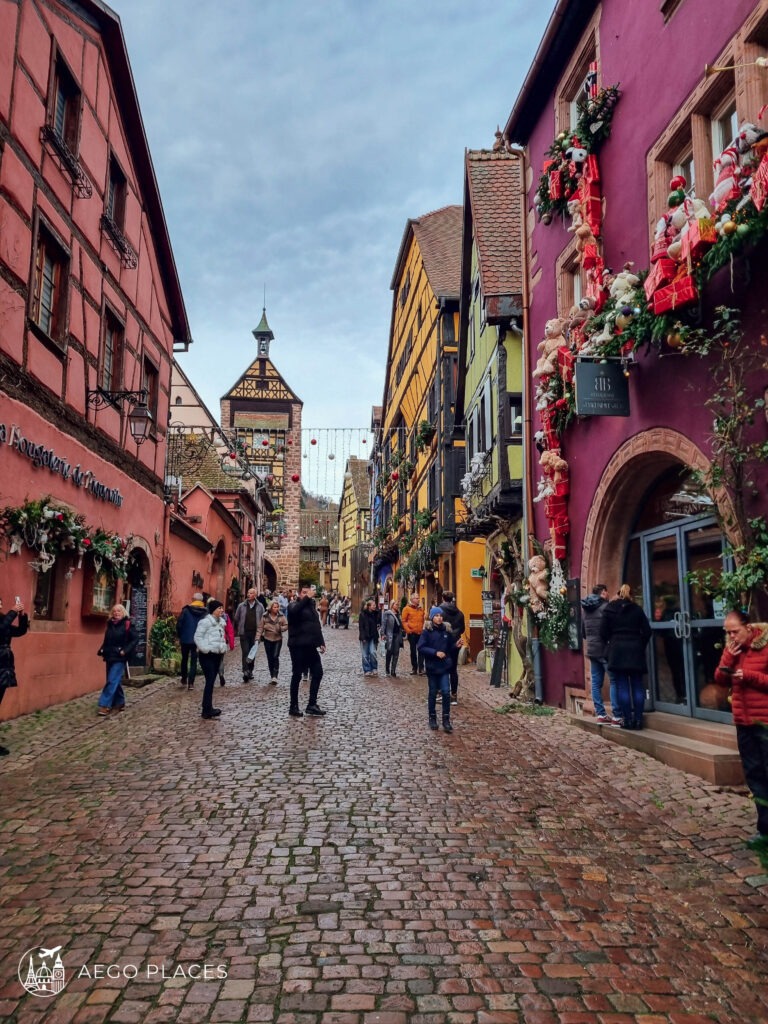
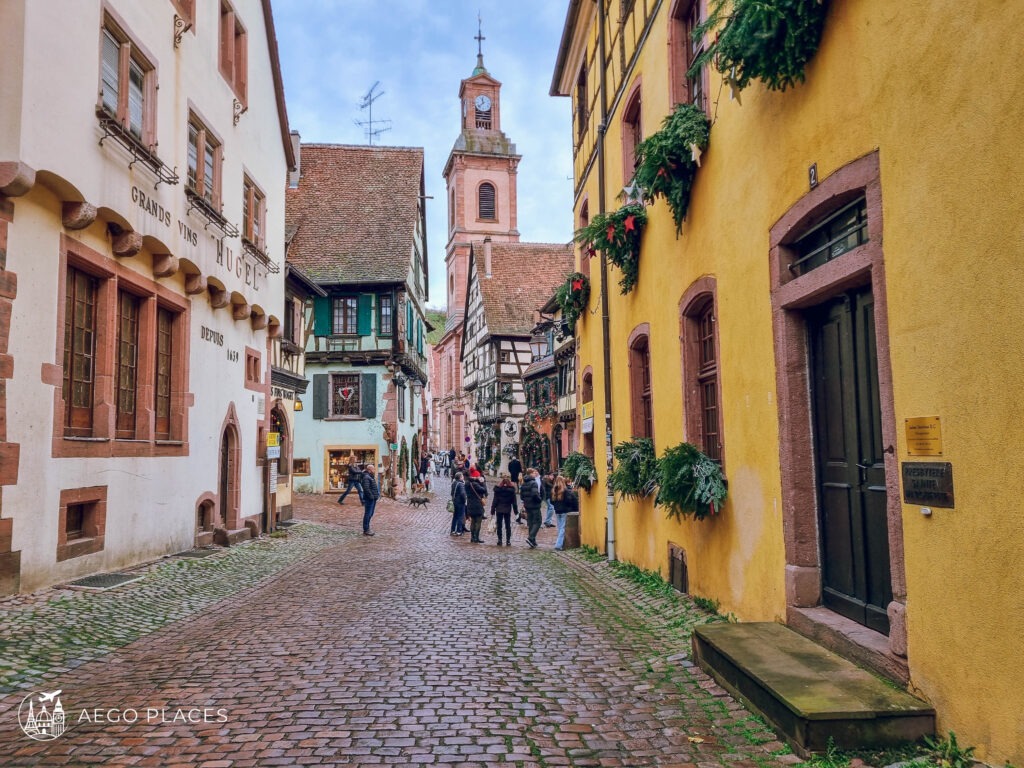
It was almost noon by the time we reached Riquewihr, and we were met with a large number of cars and people everywhere. We parked on the street, which cost us €3 per hour, and headed to the center. Riquewihr was hillier than the other villages. We walked down the steep streets, but there were quite a lot of people almost everywhere. I don’t know if it’s just more visited or if we stumbled upon some event, but it felt much more touristy. We spent a maximum of an hour there and realized we had half a day left with no plans.
Freiburg (Germany)
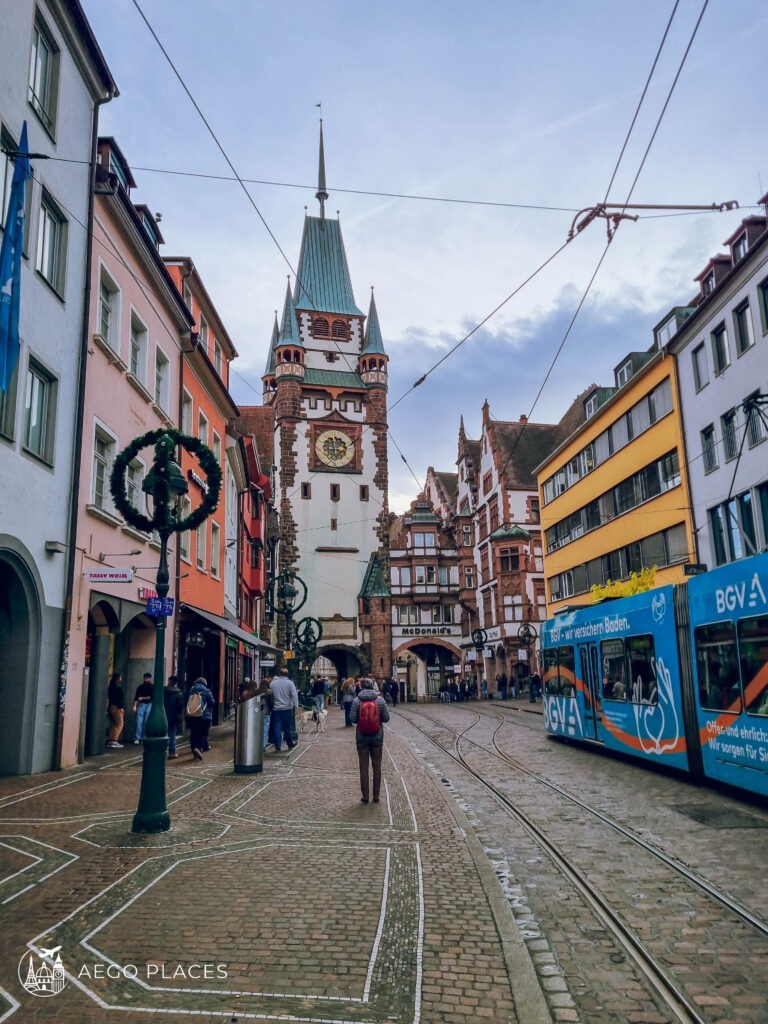
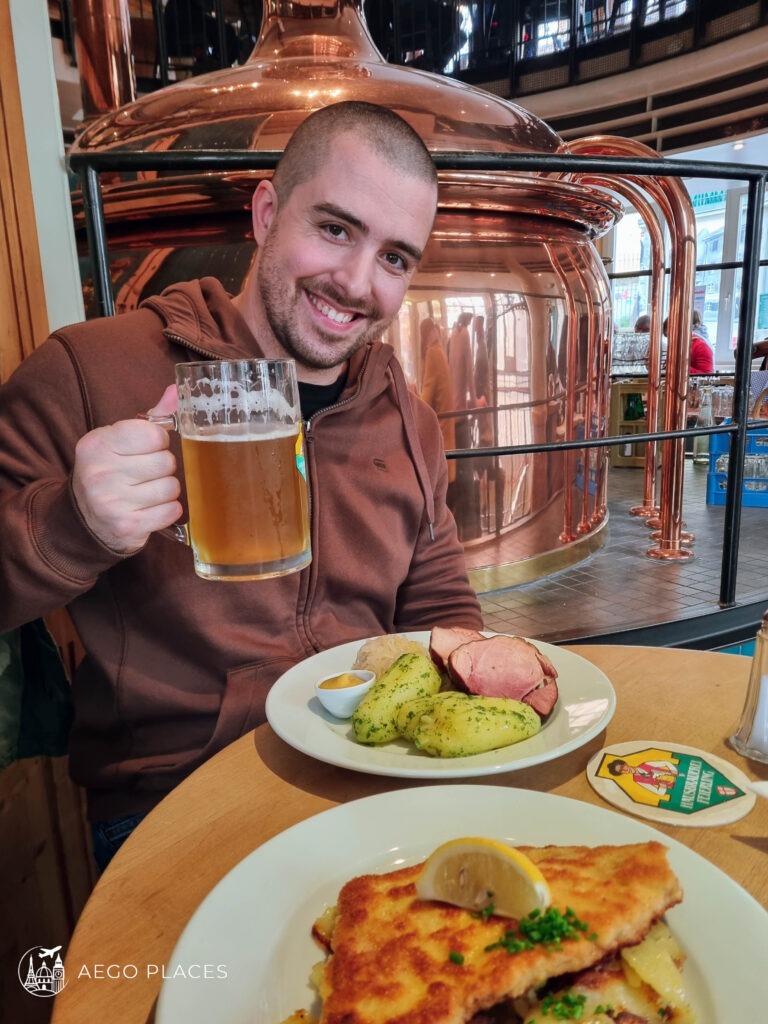
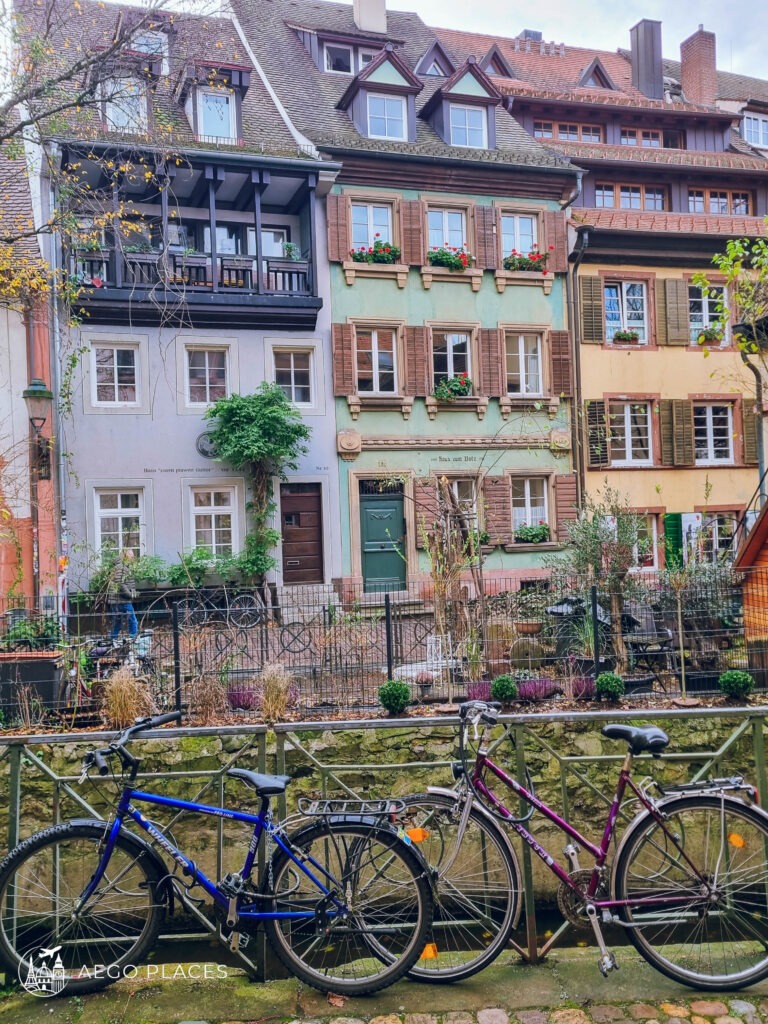
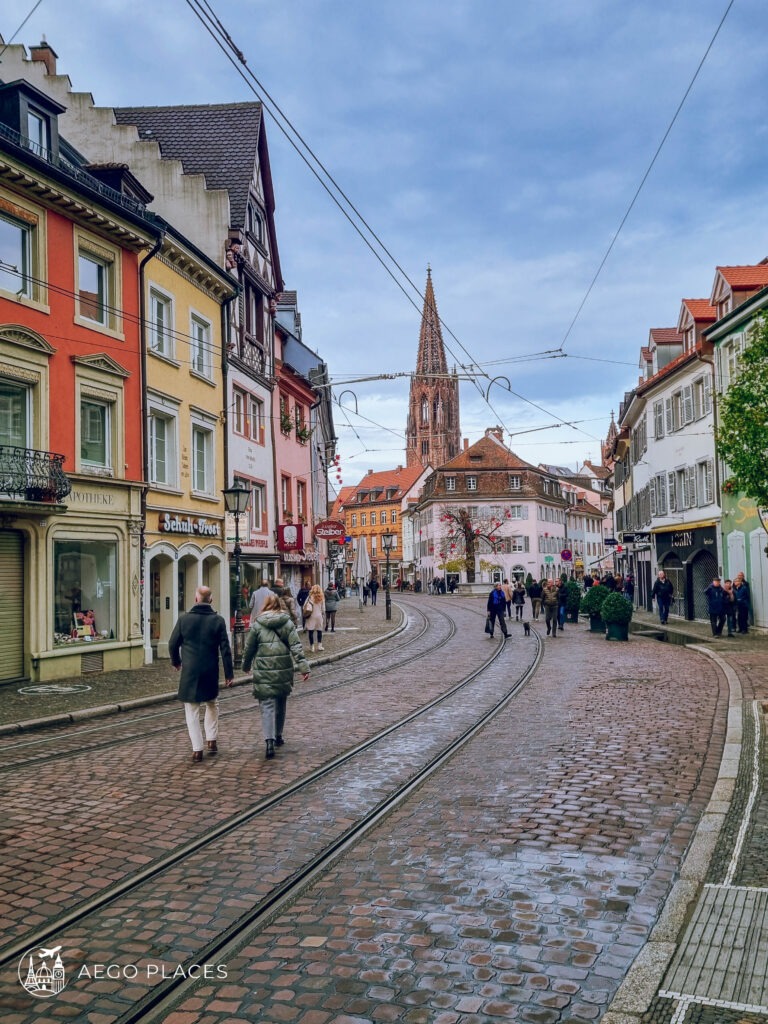
There were other interesting villages in the area to visit, but we wanted to see a larger town. We had heard great things about the city of Freiburg in Germany, which was only about an hour’s drive away, so we decided to add another spontaneous stop to our long weekend. Getting there was easy; we parked in the center and walked through its beautiful streets. Unlike many other German cities, Freiburg has a well-preserved historic center, and the city was very pleasant for a walk. It was a Sunday, and as expected, almost all the shops in the center of Freiburg were closed, but there were quite a few open cafés and restaurants. As we were starving, we sat down at a traditional German beer garden, where we were surprised to find that the prices were significantly lower than in France. The food was unpretentious but very tasty!
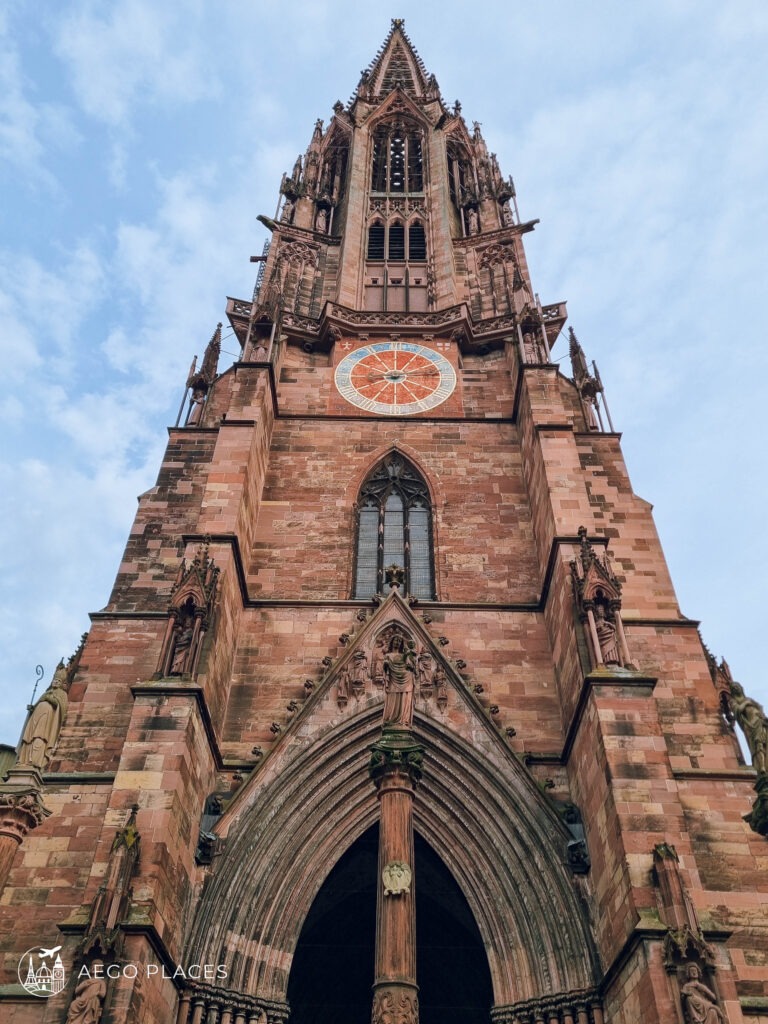
We were pleasantly surprised to find that the Christmas market had just opened, and we couldn’t miss it—the air was filled with the smell of mulled wine, sausages, and various baked goods. We also explored the large Gothic cathedral in Freiburg’s main square. If you’re visiting Alsace and have some time to spare, we definitely recommend a visit to Freiburg; we liked the city very much!
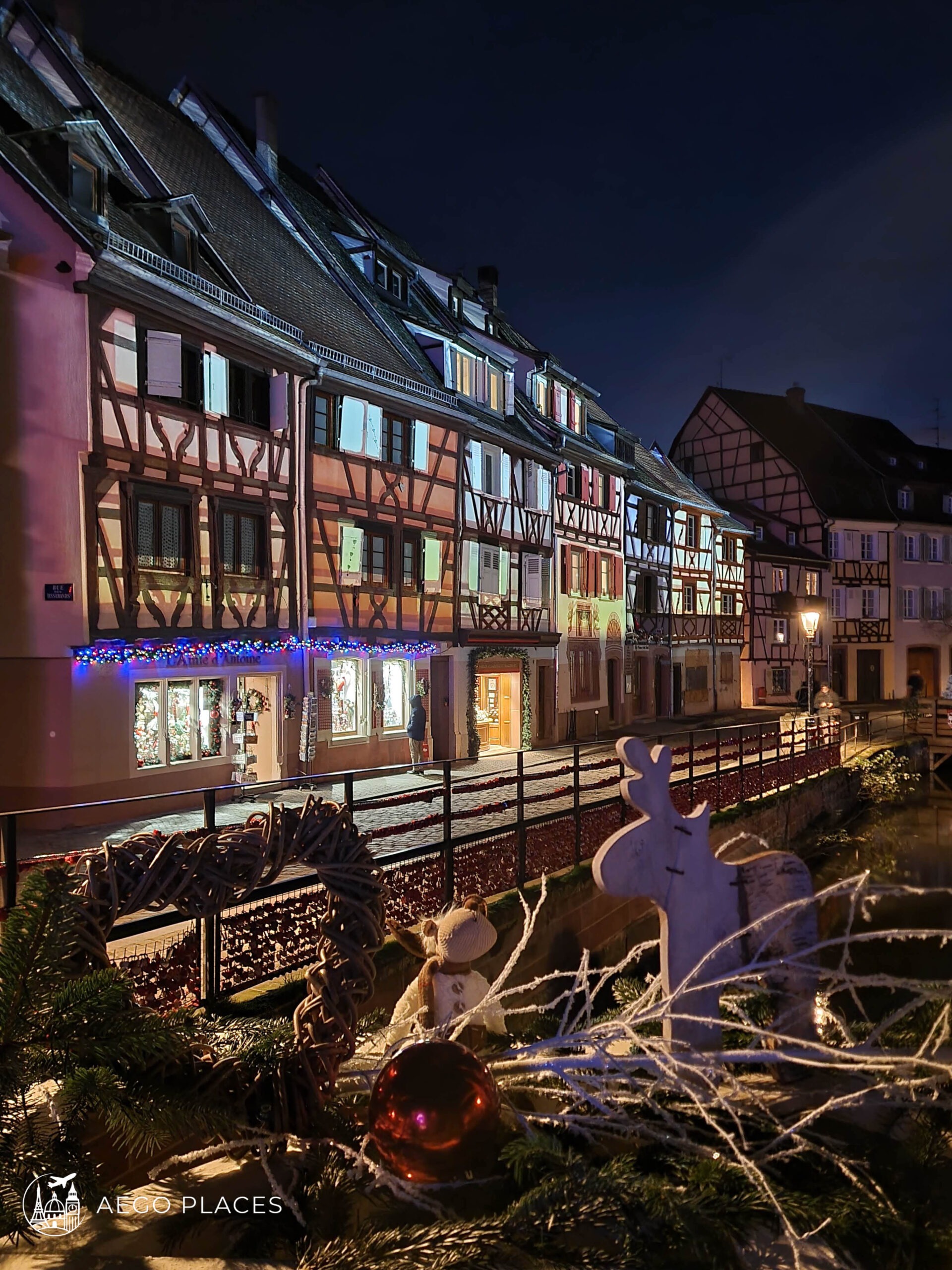
Evening Stroll in Colmar
Towards evening, we returned to Colmar, tired but determined to take one last stroll since it was our final night. It’s almost impossible to get tired of Colmar; the town is even more beautiful at night when the Christmas lights are on.
Other Interesting Places in Alsace
We wanted our visit to be as varied as possible, but unfortunately, we couldn’t visit every interesting place in the region. In our opinion, you would need at least a month to fully explore this incredible area. Here are a few more recommendations if you’re visiting Alsace for a longer period:
- Other beautiful villages and towns: Barr, Bergheim, Sélestat, Scherwiller. We will definitely visit these places on our next trip.
- Château du Haut-Kœnigsbourg: A very well-preserved medieval castle with an incredible view of the rolling hills of Alsace.
- Mulhouse: A former industrial city with a beautiful historic center. One of its main attractions is its automobile museum, which is one of the largest and most interesting in Europe.
- Basel: A beautiful city in Switzerland, right on the border with France. Unfortunately, our return flight was early, so we couldn’t visit it.
- Europa-Park: This is one of the largest amusement parks in Europe. It’s located in Germany, right on the border. If you’re traveling with children, be sure to include it in your plans.
Tips and Recommendations for Organizing a Trip to Alsace
- Some villages have free parking; check on Google Maps if there are any.
- In France, most supermarkets are closed or have limited hours on Sundays.
- We emphasize again that we recommend staying in Colmar—some of the most beautiful places in Alsace are a 15-20 minute drive away.
- If your goal is to visit the Christmas markets, research their opening dates online beforehand.
- Last but not least, remember that when entering Switzerland, you’re still in the Schengen Area but not in the European Union, and mobile operator tariffs change abruptly.
Support our blog
If you find this guide useful and would like to support our blog, you can buy us a coffee or use our affiliate link to Booking.com. You will get great booking options, while your booking helps us continue sharing free travel guides and practical tips for hundreds of destinations around the world.

Related posts

Alsace is one of France’s most beautiful and underrated regions, combining French charm with Germanic architecture, excellent food and a long-standing wine-making tradition. The region is famous for i…
Dalmatia is a coastal region in southern Croatia, home to many of the country’s best-known sights, most beautiful beaches, islands and seaside resorts. We visited Croatia as part of a wider Balkan roa…

Milan is one of the most popular European destinations for travelers – the destination is easily accessible, there are often cheap flights and the region is very rich in interesting places – from the …
In the spring we organized a week-long tour of Andalusia, Spain and it remains one of our most unforgettable trips. This southernmost region of Spain is exceptionally rich in things to do and see — st…

In recent years, Bari has become a popular destination among travelers, thanks in part to convenient direct flights operated by European low-cost airlines such as Ryanair. As the capital of Puglia, ho…
Jordan is one of the most incredible places we have ever visited. Despite being a relatively small country, it’s packed with fascinating historical sites – from the ancient Nabataean city of Petra, t…
Planning a 5-day Pisa itinerary or looking for the best Tuscany and Liguria day trips? Pisa, Italy is an ideal base for exploring Northern Italy’s must-see destinations, not just for its iconic Leanin…
Sofia, Bulgaria’s capital and largest city, is one of Eastern Europe’s most interesting and underrated destinations. Its appeal lies in its mix of ancient ruins, impressive churches, lively streets an…