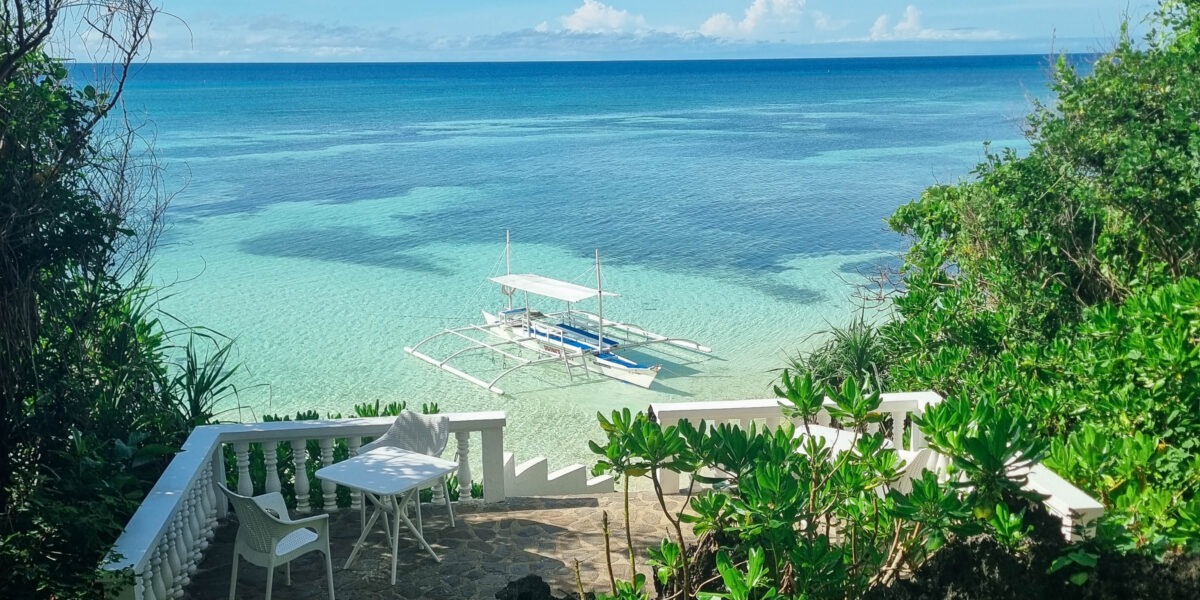
Tucked away on the eastern coast of Bohol, the small coastal town of Anda is one of the Philippines’ best‑kept secrets. We stumbled upon it almost by accident — a quiet destination that promised turquoise waters, rice terraces, and peace far from the crowds.
This post is the travelogue of our 6-day itinerary—a look at how we spent our week in paradise. For a technical breakdown of how to get there, prices, and tips, please see our full travel guide for Anda, Bohol.
How We Chose Anda, Bohol
Last year, we decided to visit Asia during the winter. We didn’t have a specific country in mind, but we had four criteria :
- The climate had to be suitable for a visit in January-February.
- The travel had to be with a single airline at a reasonable price.
- It had to be a quiet place where we could truly rest, away from crowds and with easily accessible spots.
- There had to be beautiful beaches for snorkeling and diving.
And so, we bought tickets to a destination we knew nothing about other than that it met our criteria: the Philippines. The flight was to the island of Cebu, a place we had also never heard of before. We started actively searching for more information about the Philippines, and almost all recommendations pointed to the islands of Boracay, Palawan, or Siargao. All three seemed interesting, but Boracay felt too touristy and expensive, Palawan seemed relatively complicated to organize (requiring an internal flight and many day trips, which we’re not fans of), and it wasn’t the right season for Siargao.
Beyond these three islands, information about the Philippines proved scarce, especially compared to destinations like Thailand and Vietnam. Ultimately, we resorted to browsing forums and stumbled upon recommendations for a place not far from our starting point—the Anda region on the island of Bohol, which is an hour and a half by ferry from the city where we were landing.
We learned that Bohol is more famous for its beautiful nature than its beaches, but Anda seemed like an incredibly promising destination, so we decided to take a chance. We opened Booking.com and quickly realized the recommendations were spot on. Most accommodations were resorts with beautiful cottages, access to private beach coves, and incredible views, all at completely reasonable prices. And just like that, we booked five days in Anda, along with a rental car for the island of Bohol. The car rental company we chose was Bohol Car Rental
A couple of days before the flight, we bought ferry tickets for Bohol from 12asia.go, which we believe, is the best website for purchasing ferry tickets in Asia. We also initially got our eSim from Saily and then bought a local eSim.
Arriving in Cebu and Getting to Anda, Bohol
We landed on Cebu island at night, extremely tired after a long 15-hour flight. We were so exhausted that the only thing on our minds was a bed. At the airport, we haggled with a driver of a large van who took us for about 6-7 euros in local currency to our hotel, which was about 10 minutes from the airport. The amount seemed high, but it was the best we could negotiate, and we had no energy to explore alternatives. We checked in around 3 a.m. and went to rest, as we had to catch a ferry to the neighboring island of Bohol before noon the next day.
Day 1 – Arriving in Anda, Driving in Bohol and our First Filipino Sunset
The next morning, still sleep-deprived, we woke up, had breakfast from a nearby 7-Eleven, and asked the reception to call a taxi. To our surprise, we learned that a major festival was taking place in Cebu City that day, and there was a chance we wouldn’t find a taxi quickly. One of the hotel employees simply went out onto the street and started flagging down passing taxis. Finally, a driver agreed to take us to the port (about a 15-minute drive away), but from the start, he began trying to convince us that due to the festival traffic, we might not make it in time, even though we had about two hours until our ferry’s departure. We got quite worried because this would mess up our plans right at the beginning, but we insisted on trying anyway. Well, that’s when we learned our first lesson about the local culture: the people are very kind and polite, but they don’t like to push themselves too hard. Despite all the convincing that we wouldn’t make it, we reached the port in about 20 minutes.
About an hour later, we boarded the ship, impressed by its cleanliness and the fact that it had working air conditioning—something not even all Greek ferries can boast. The journey took about two hours, and immediately upon arriving in Tagbilaran (the capital of Bohol), we picked up our rental car and set off.
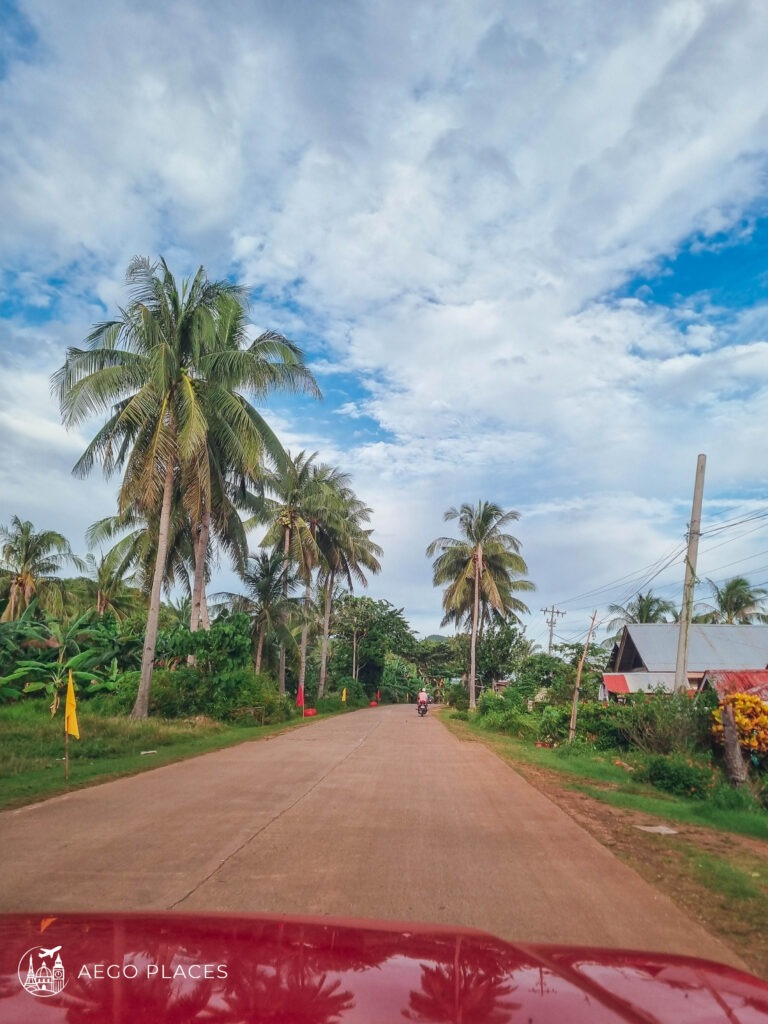
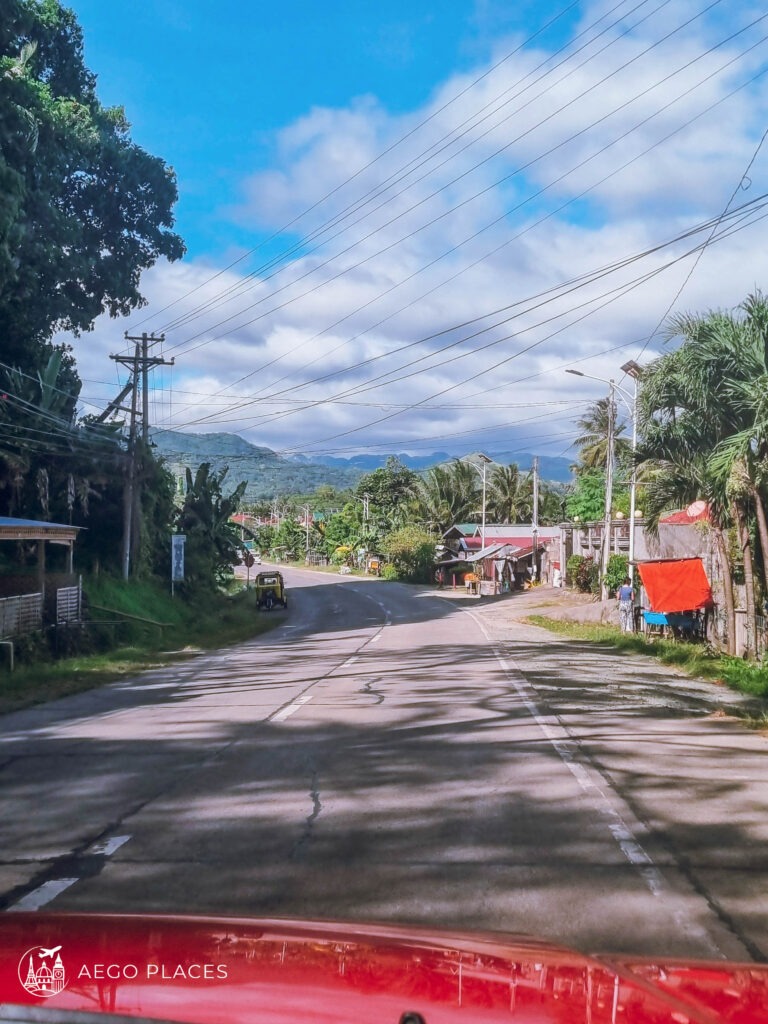
As expected, the driving was quite chaotic, but somehow we got used to it quickly. According to the navigation, the journey to Anda takes about two hours along a coastal road on the southern side of the island. As soon as we started driving, we realized how far from home we were. Everything was so different and exotic, from the tall palm trees, the colorful houses and huts along the road, the tuk-tuks we had to overtake every kilometer, the colorful open-air buses, and the signs informing us that Jesus was watching over us. Along the way, I decided to check the weather forecast and was horrified—rain was expected for the next seven days. This troubled us, but we had no choice. The further we went into the island’s interior, the more authentic everything seemed. We got the impression that all life on the island happens along the road: students in uniforms walking home from school, people drying coconuts and rice right on the road (blocking traffic), and makeshift shops with 10-20 snacks hanging on clips. Chickens, cows, and dogs were everywhere. Despite the obvious poverty, everything was relatively clean, and the people seemed very cheerful. And so, after about 2-3 hours of exotic travel, we arrived at our hotel. From here on, everything would only get better.


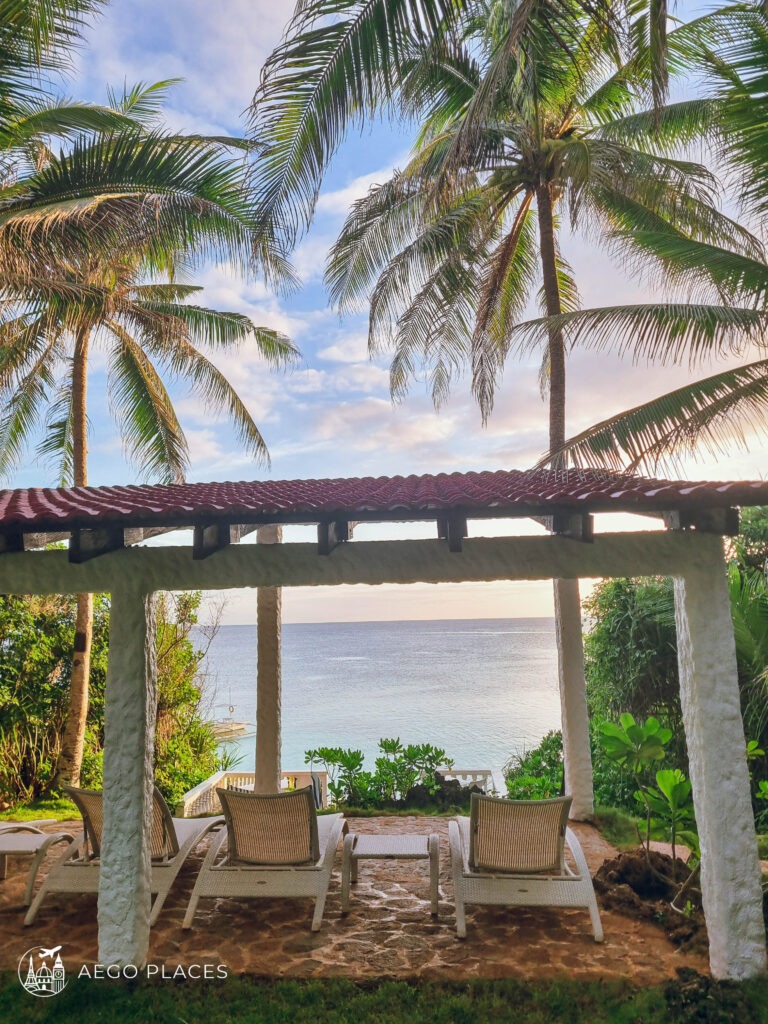
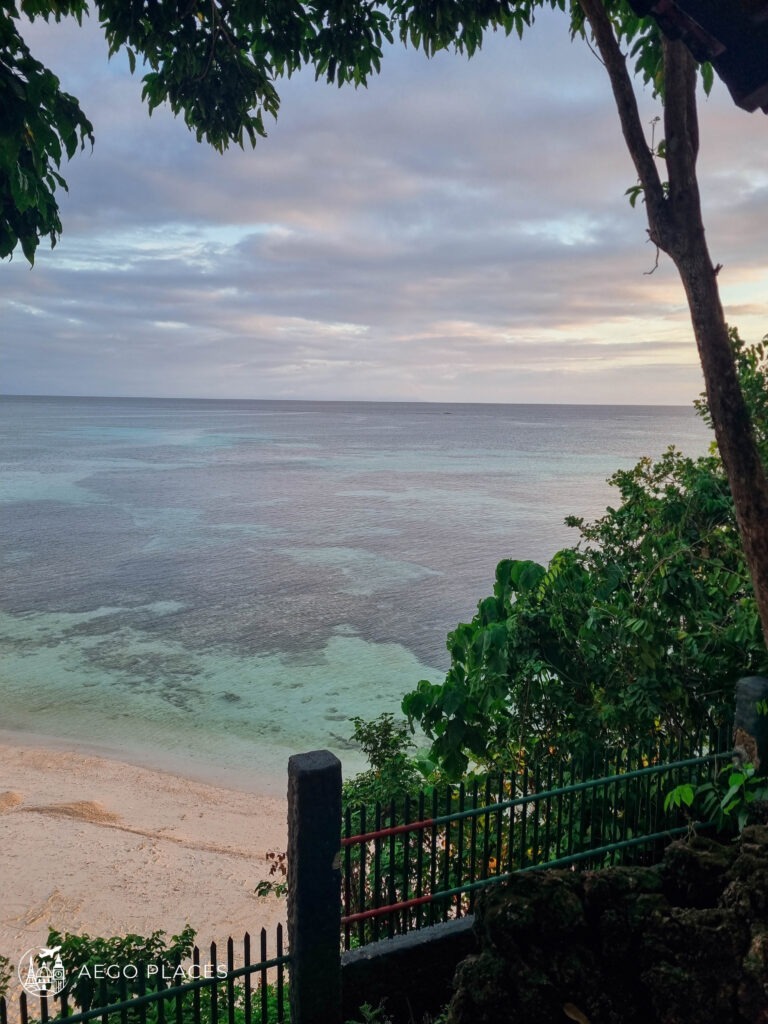
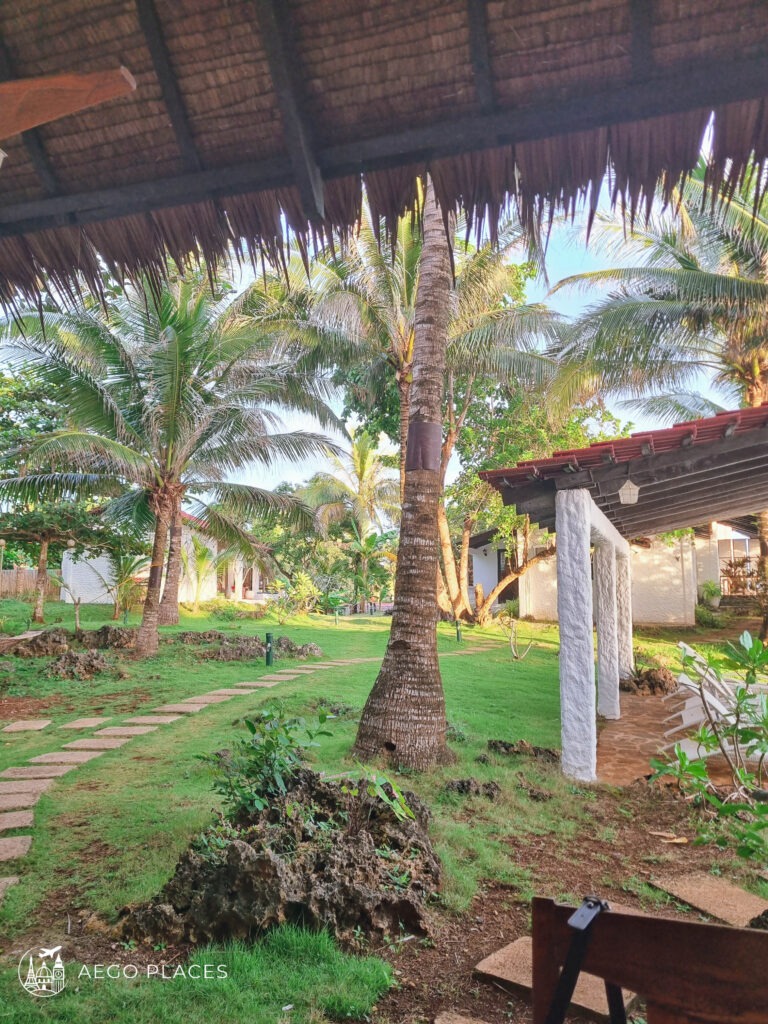
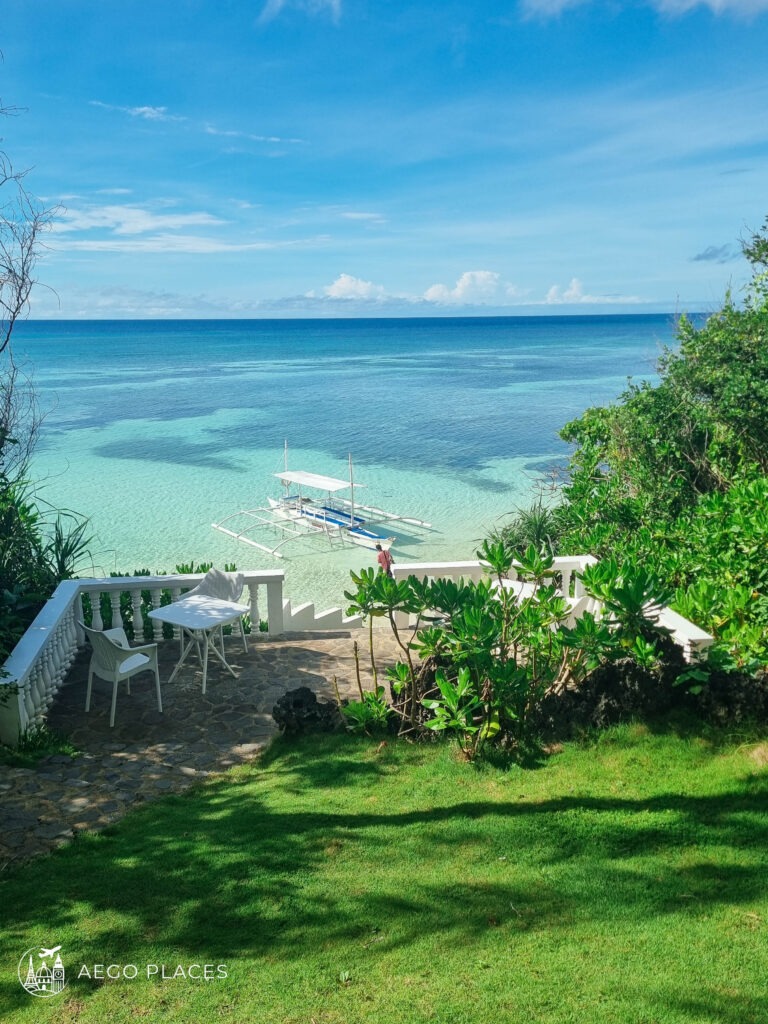
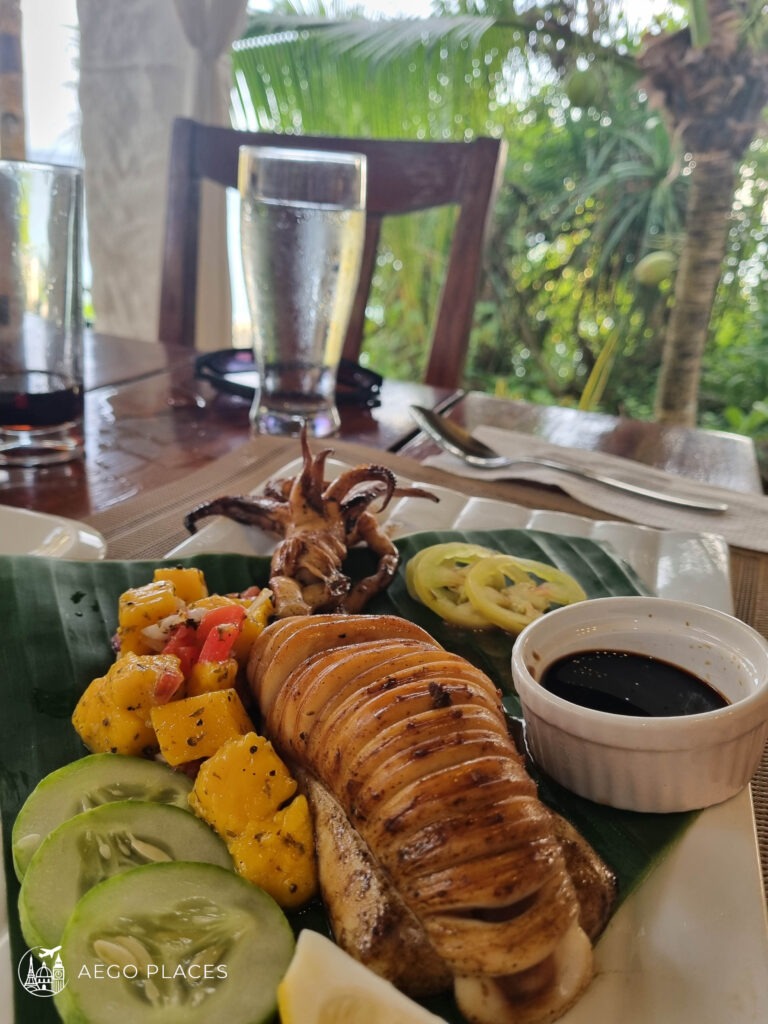
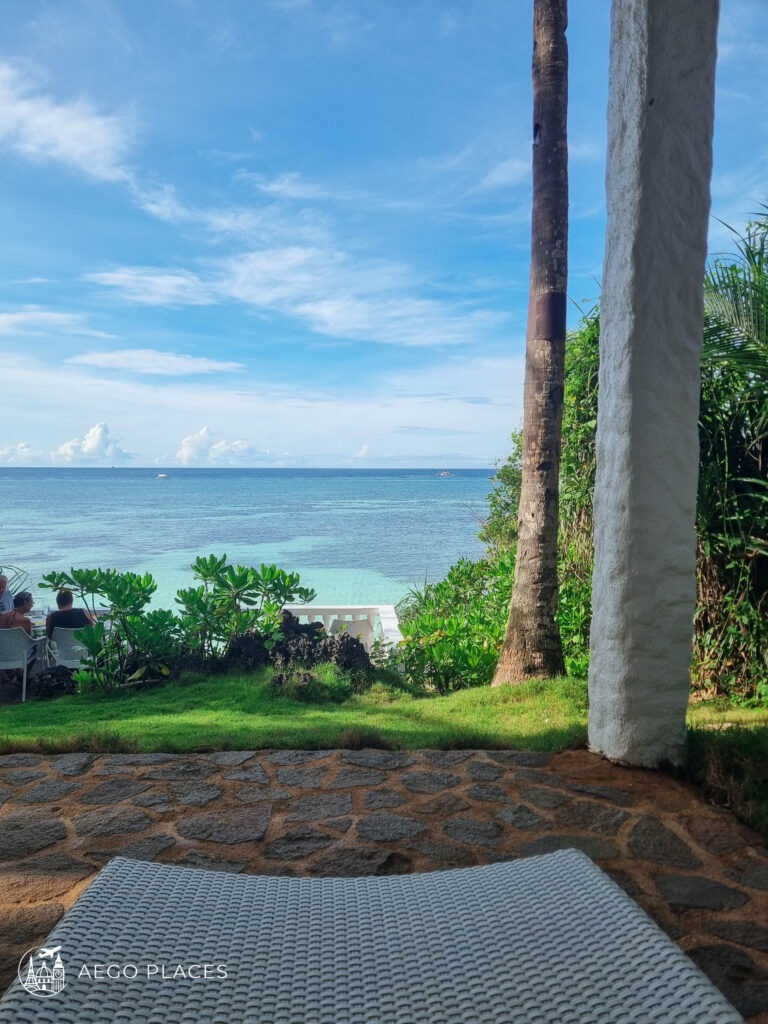
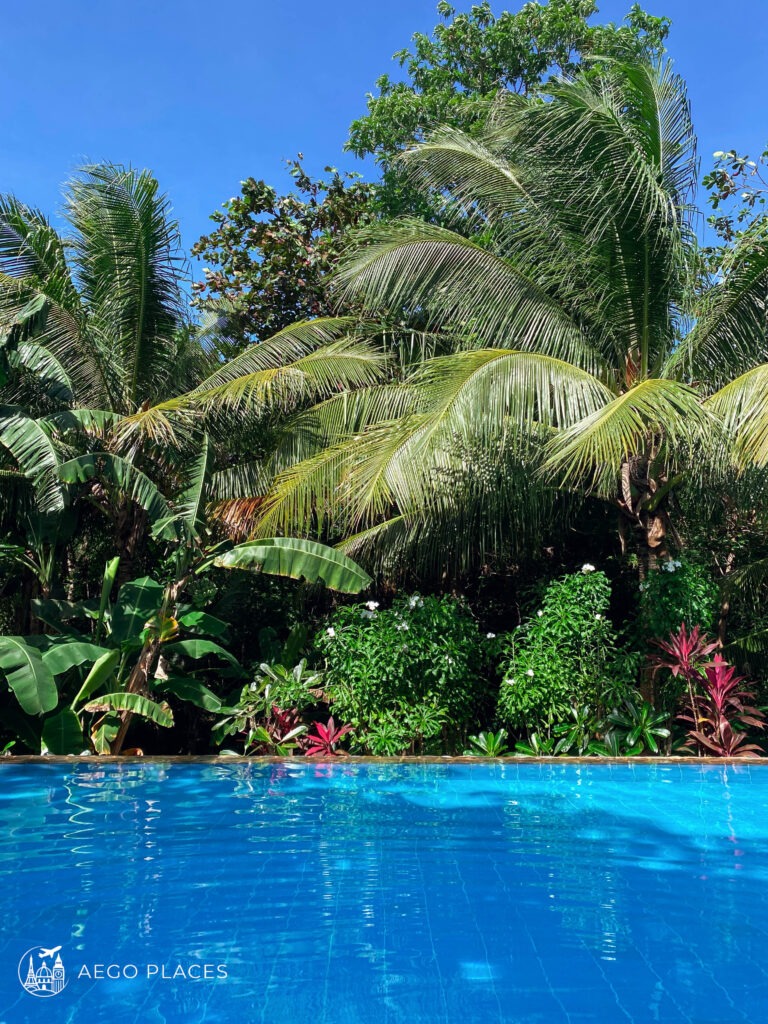
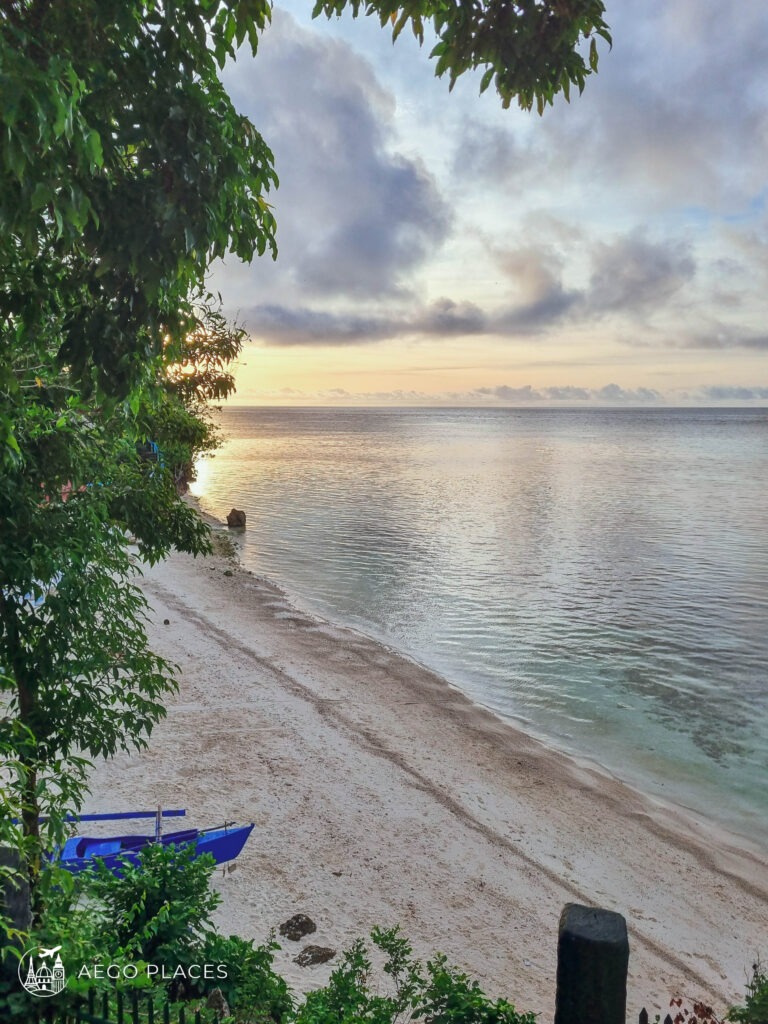
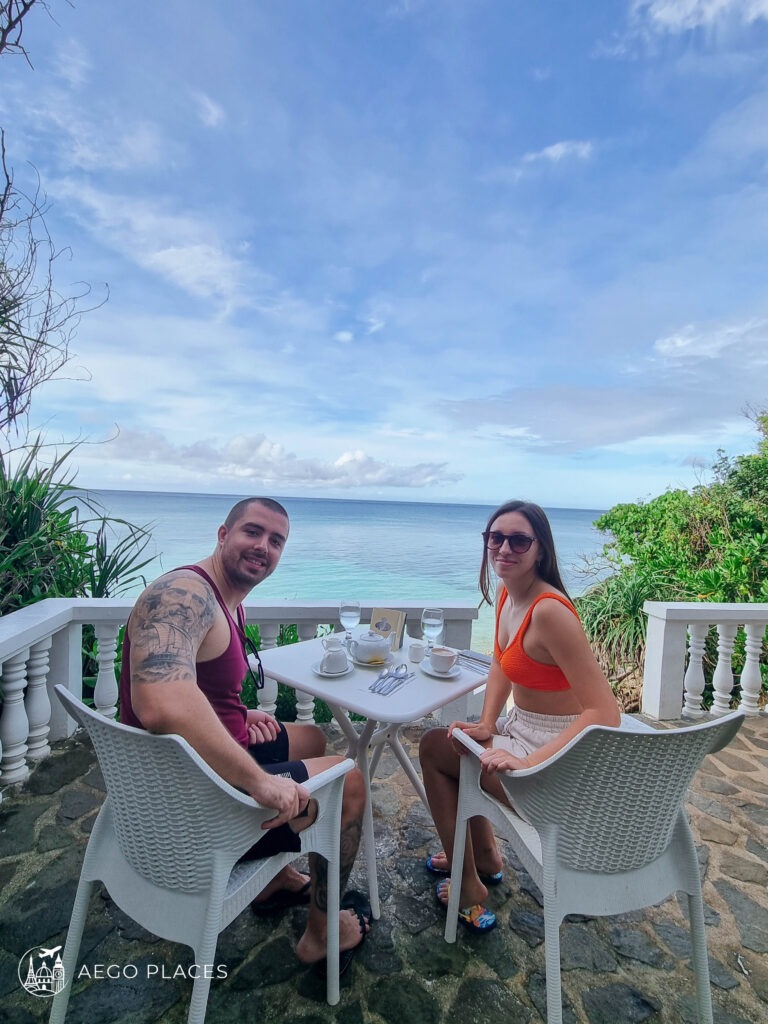
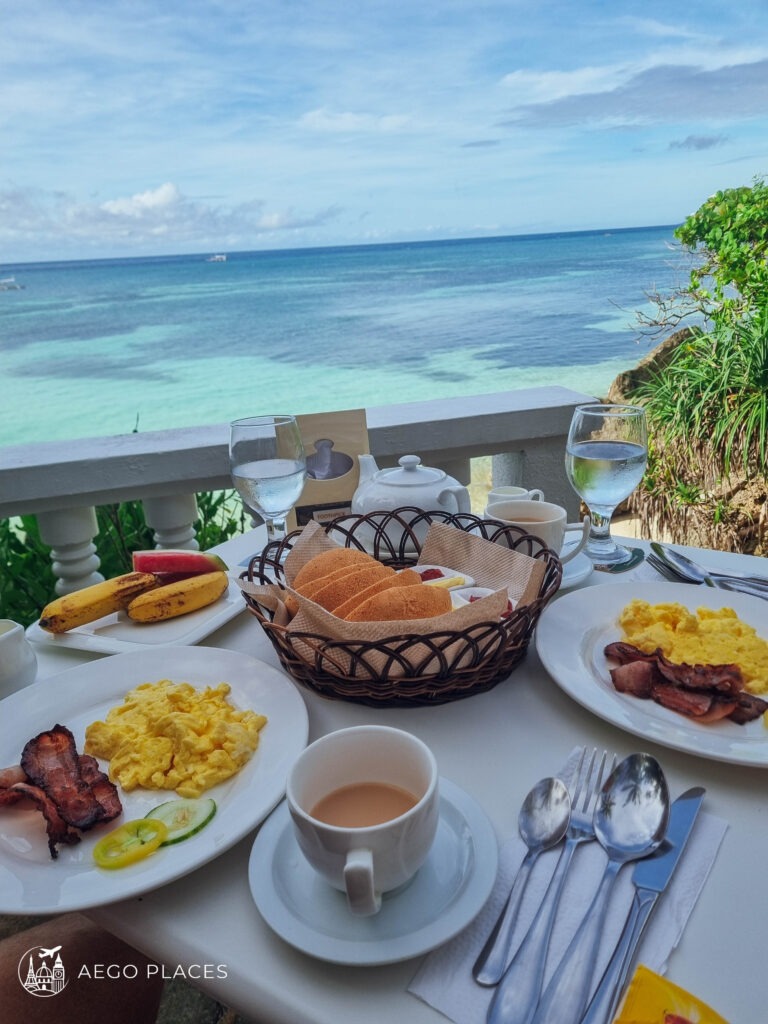
It’s hard to describe how impressed we were with our accommodation. The resort is located on a cliff about 20 meters above the sea, with small white houses, a green lawn, beautifully landscaped grounds, a swimming pool, a restaurant, and a large terrace revealing an incredible view of the turquoise blue sea. Although it seemed that most of the houses were occupied, there were almost no people around us except for the staff. We quickly settled into our cottage and sat down at the restaurant, starving. We definitely liked the food, but what followed was an experience we will probably never forget.
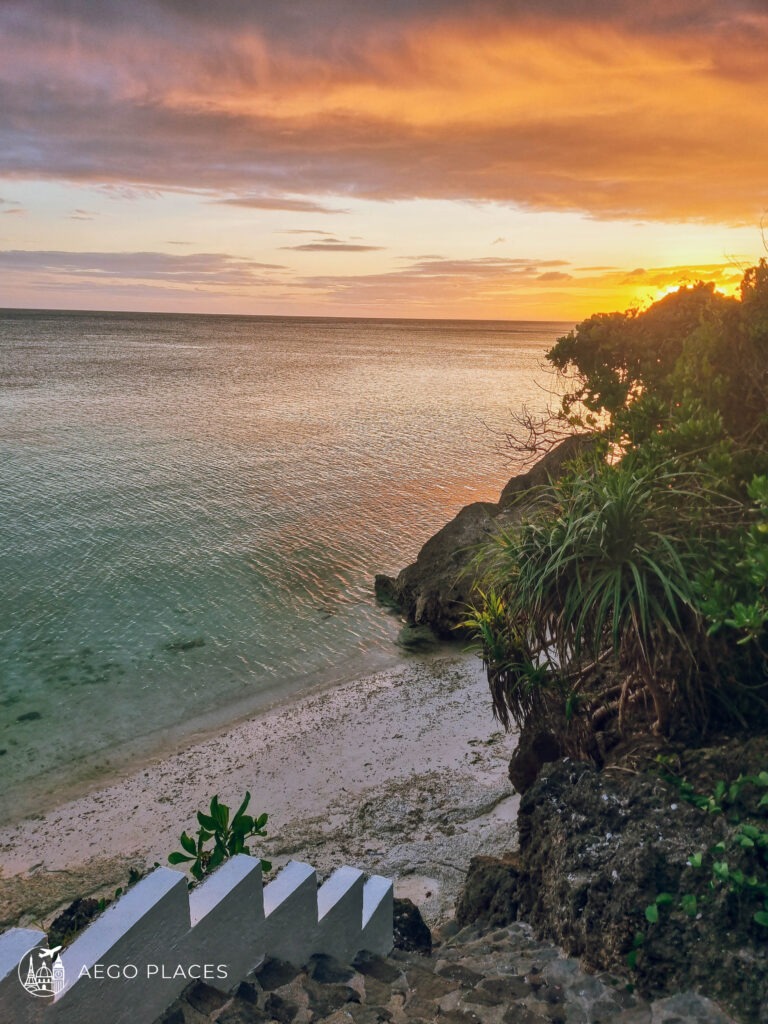
Before we knew it, it was around 5 p.m., and the sun had begun to set. Although tired, I suggested we go down to the beach, at least for a dip. As we entered the water, the sky turned pink, and the only sound was the gentle waves, with the setting sun visible on the horizon. We spent about 30 minutes in the water as the sun went down, and it turned into an absolutely unforgettable experience and a great start to our adventure in the Philippines.

Day 2 – The beach and the Cadapdapan Rice Terraces
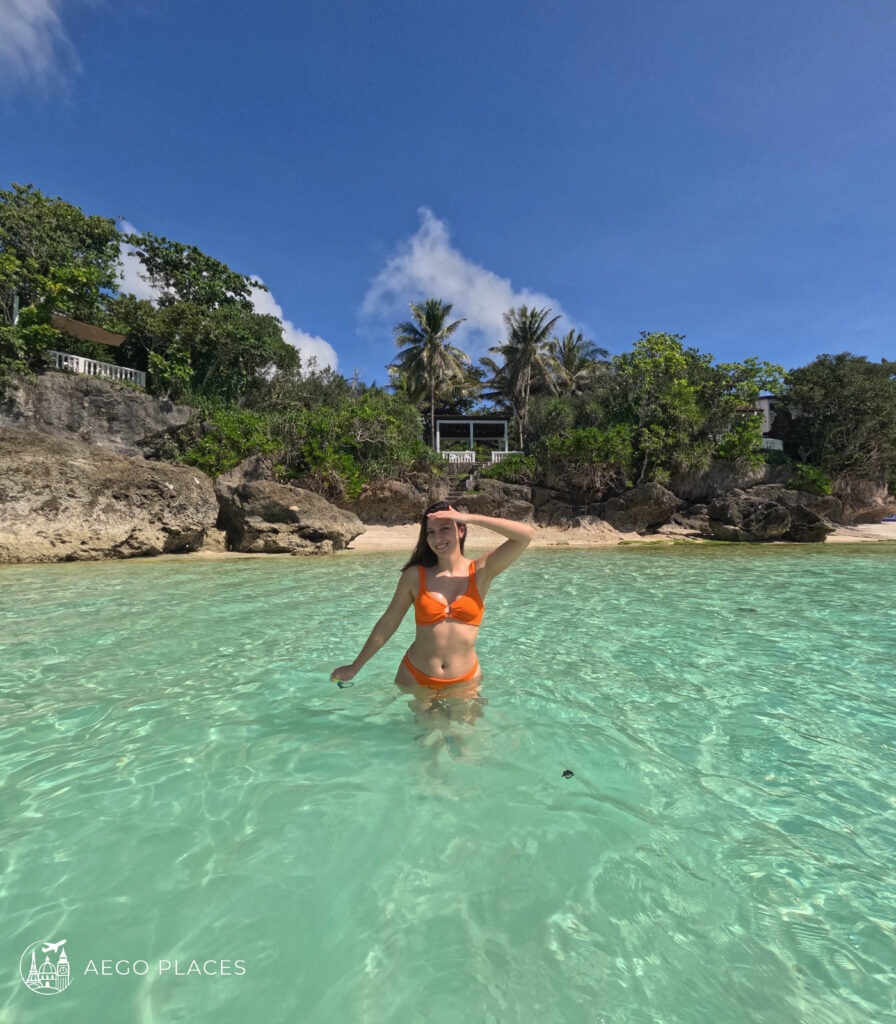
The very next morning, we learned that weather forecasts in the Philippines mean nothing, as the locals confirmed. Despite the bleak forecast, the weather was clear and sunny, and we had our first full beach day. For almost the entire time, the small beach was all ours; no other people were in sight, and we could enjoy the pool and the vast expanse of the sea by ourselves.


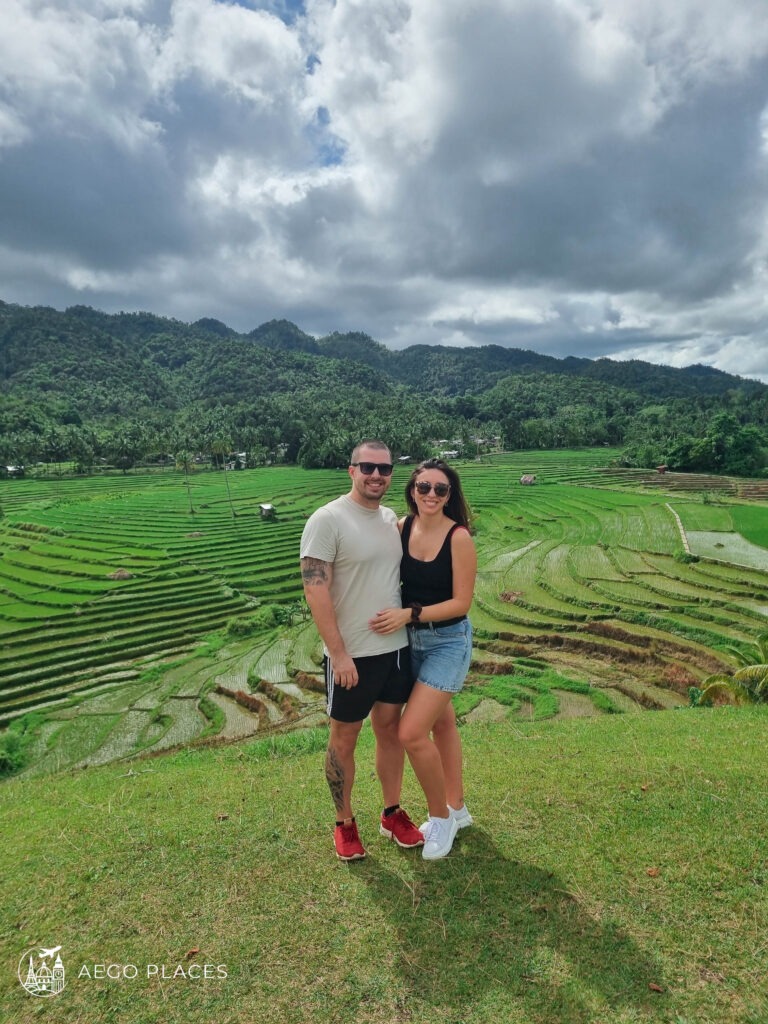
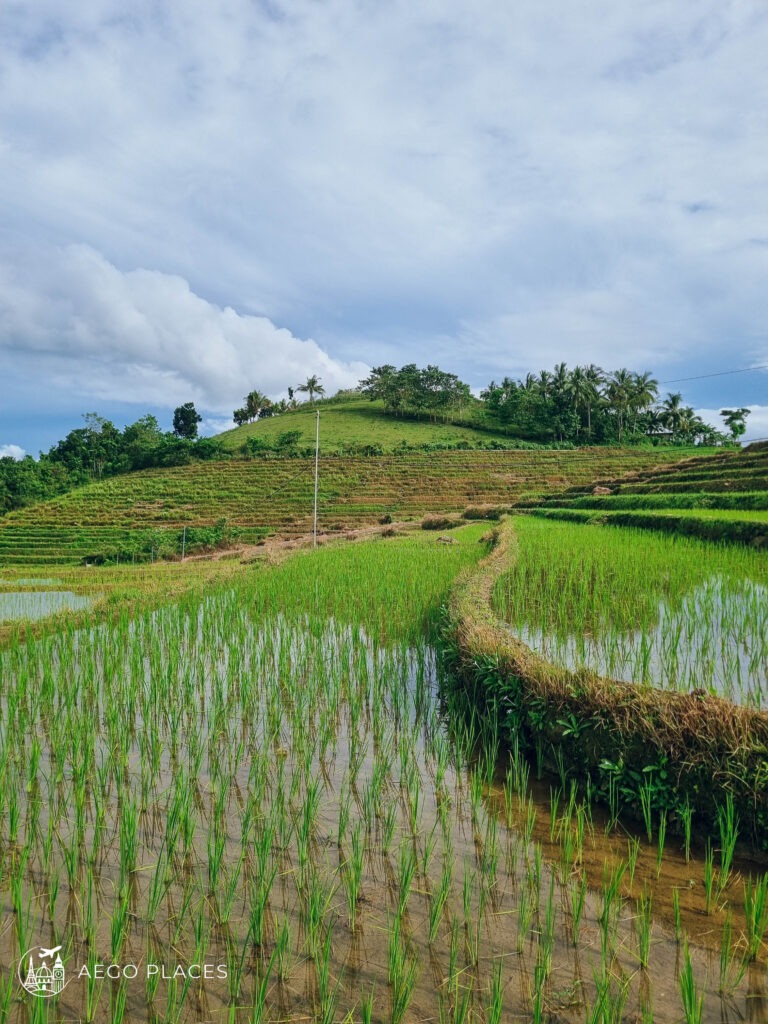
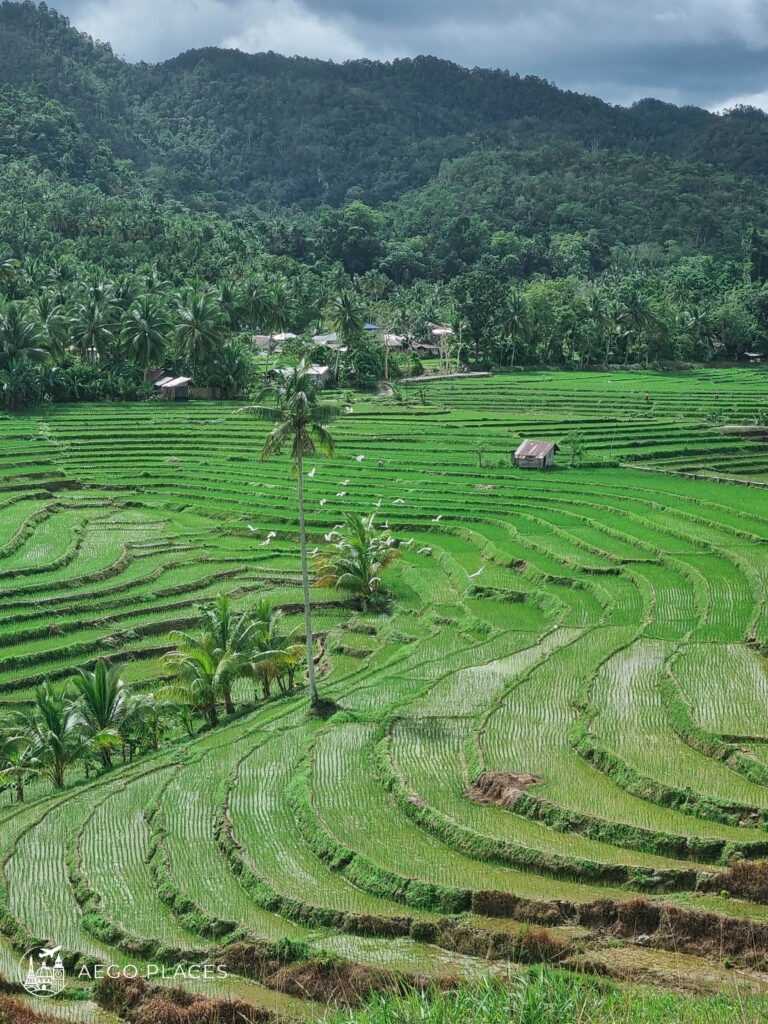
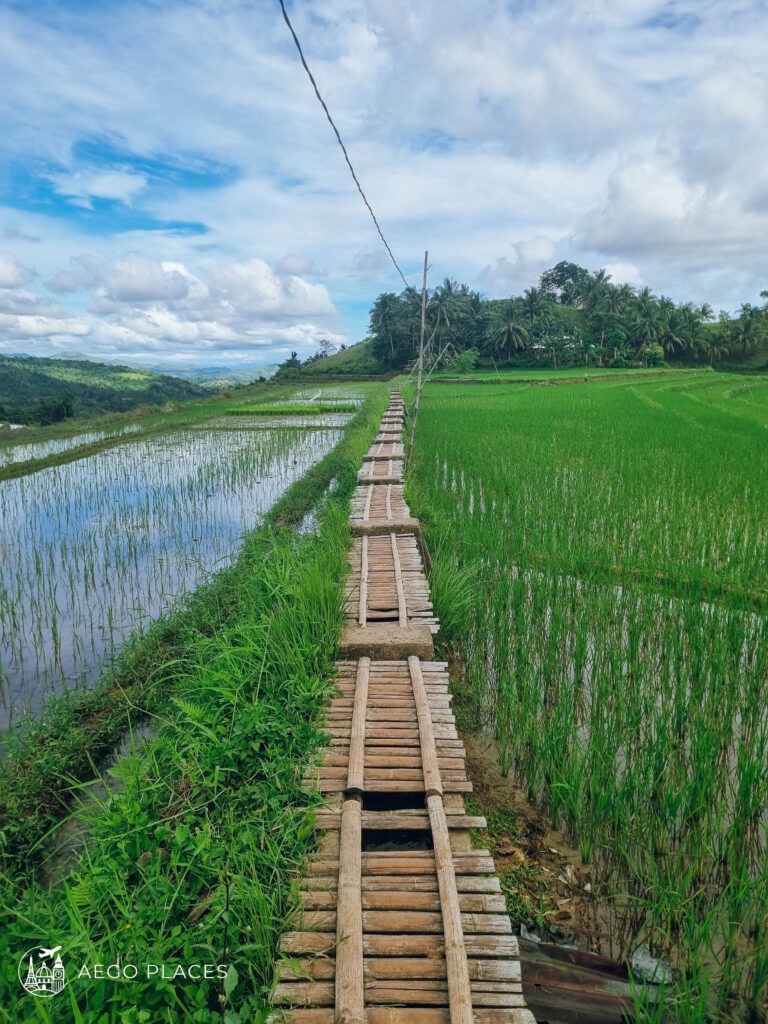
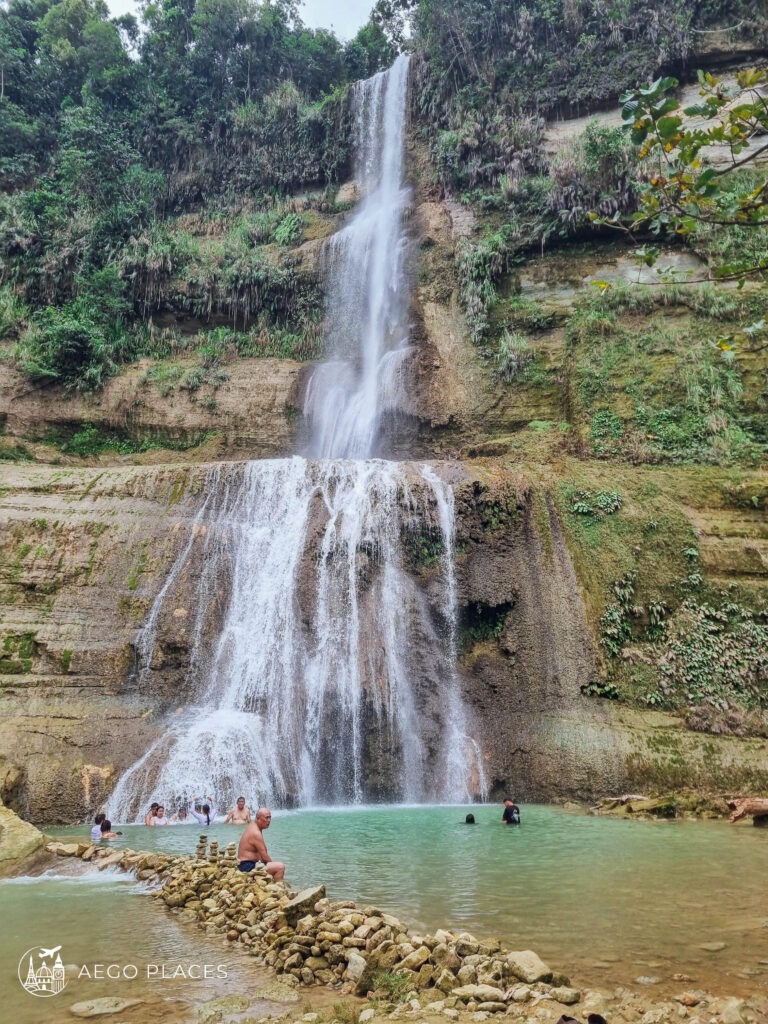
After lunch, we decided to visit the Cadapdapan Rice Terraces and the nearby Can-Umantad Falls, which were about a 40-minute drive from the hotel. The drive was extremely pleasant, and the number of rice fields along the road increased as we got closer. We reached a small restaurant high up with a view of the rice terraces. From Google reviews, we learned that there was an even more beautiful viewpoint, accessible via a path through the terraces themselves. Of course, we went, and the view was indeed breathtaking. We took a few pictures and admired the scenery, watching with interest how the locals worked the fields. Then we headed to our next stop: the waterfall. It was a steep walk down a path from the restaurant. We had heard a lot about the waterfalls in the Philippines and couldn’t wait to visit our first one. The waterfall turned out to be very high, and people, all Filipinos, were swimming beneath it. We were already very hot, so we took a dip in the waterfall and quickly cooled off. It was our first time swimming under a waterfall, and the experience was amazing. Physically tired but emotionally charged, we returned to the resort.
Day 3 – Diving in a Coral Reef
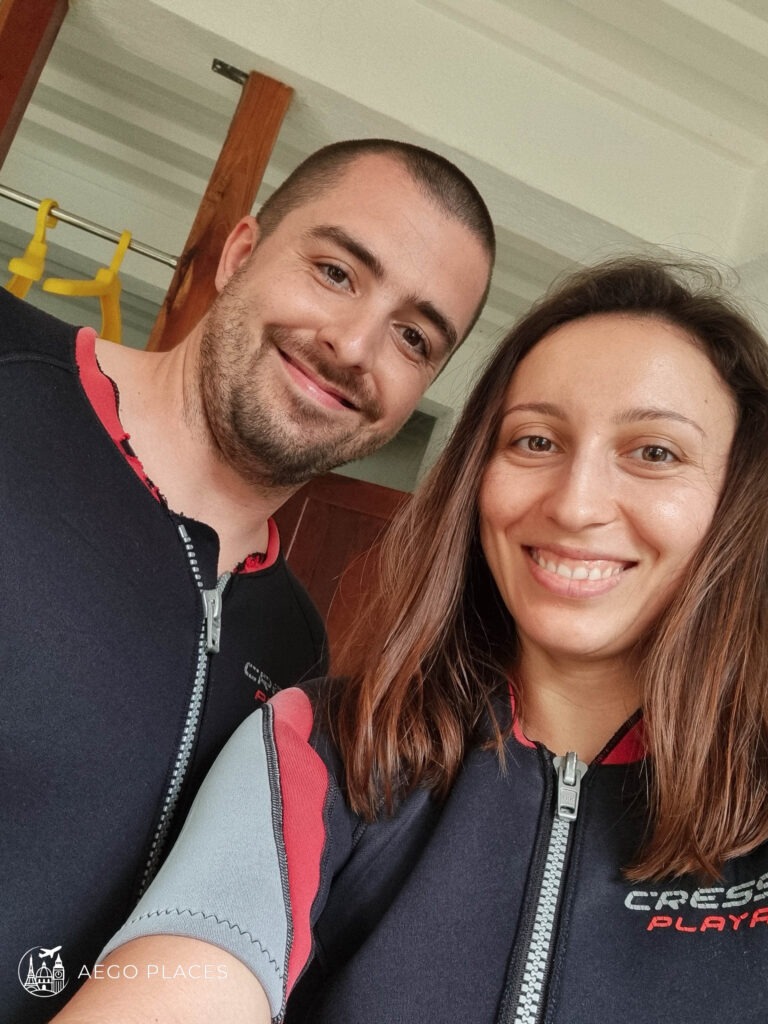
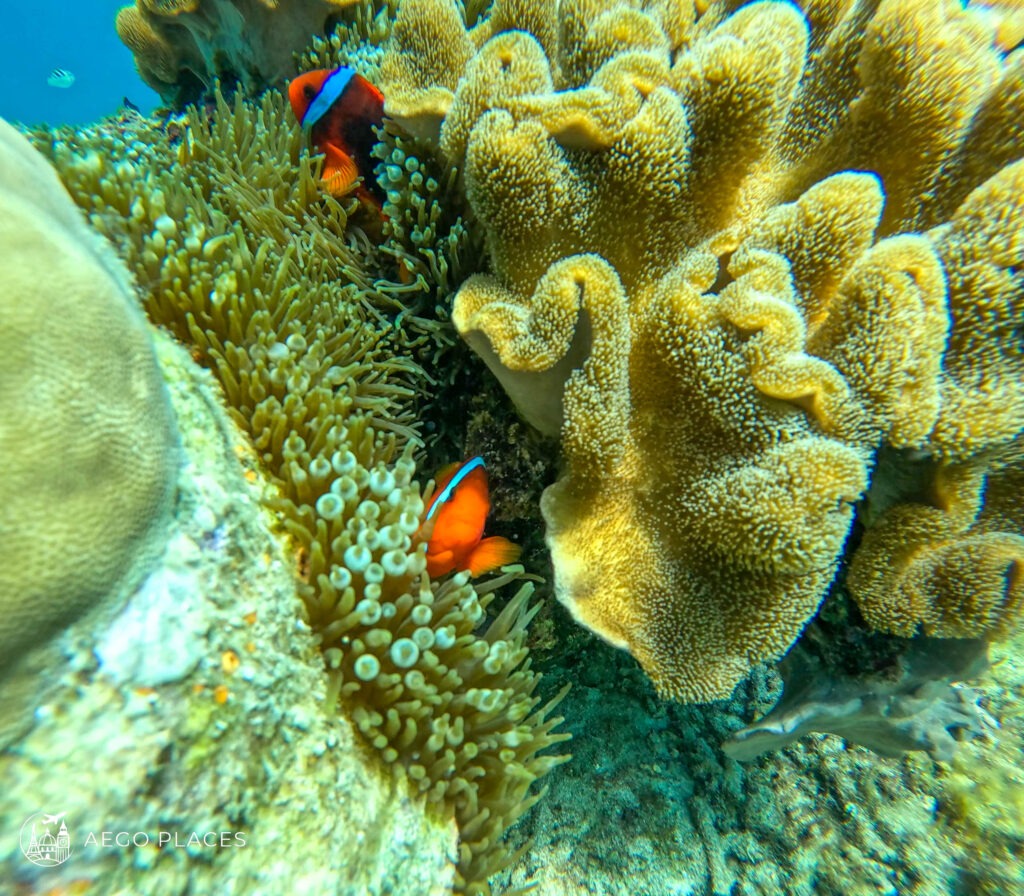
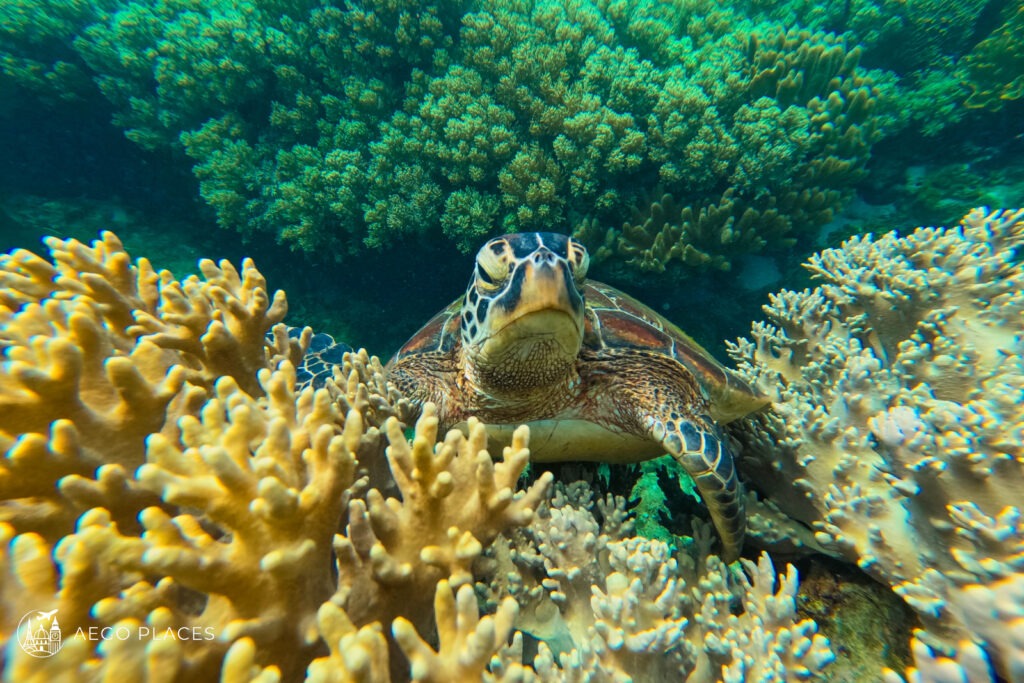
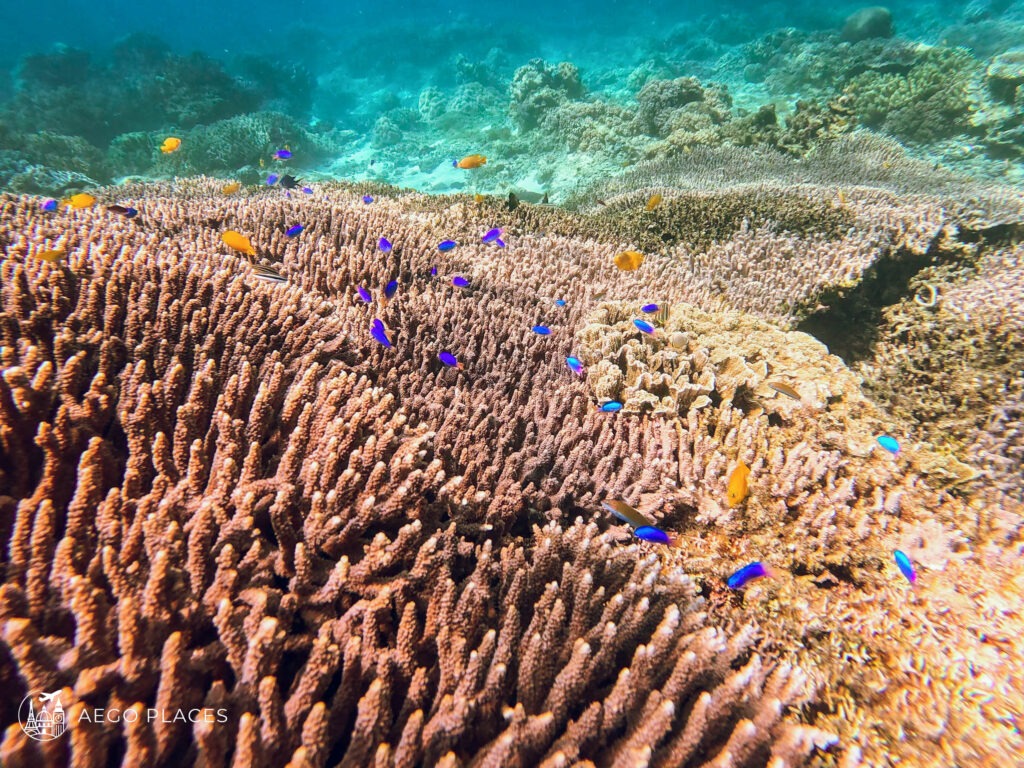
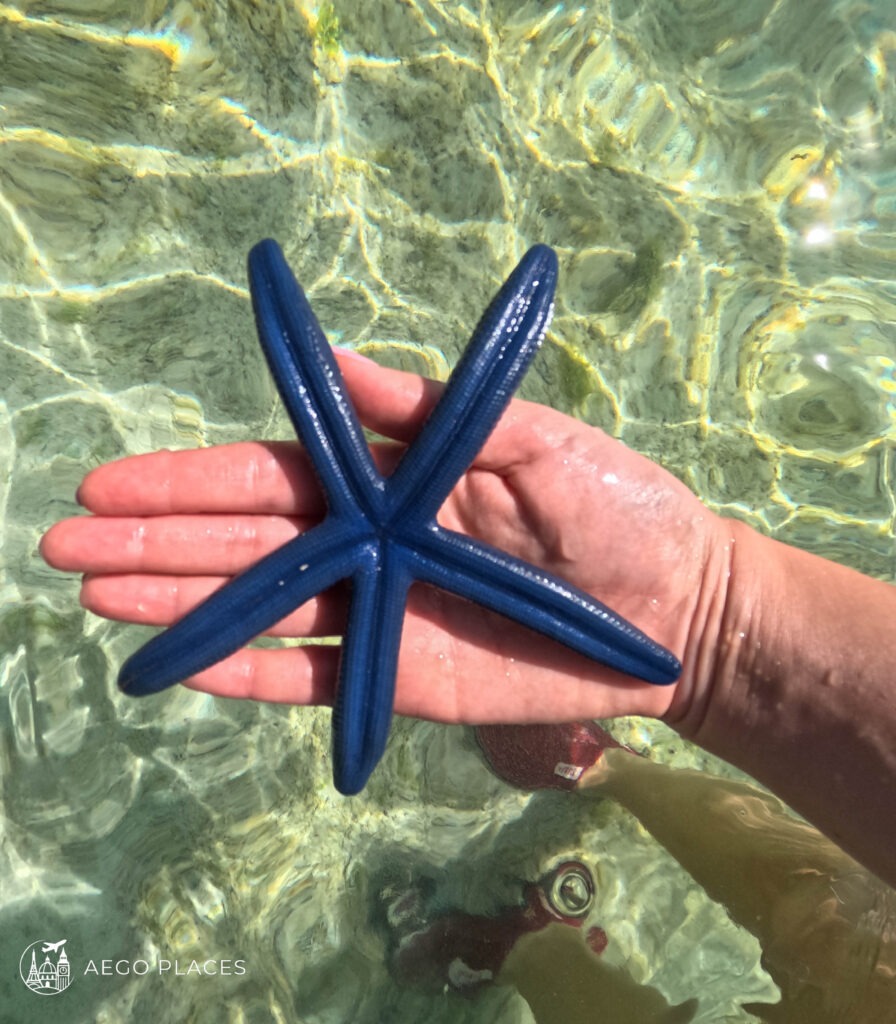
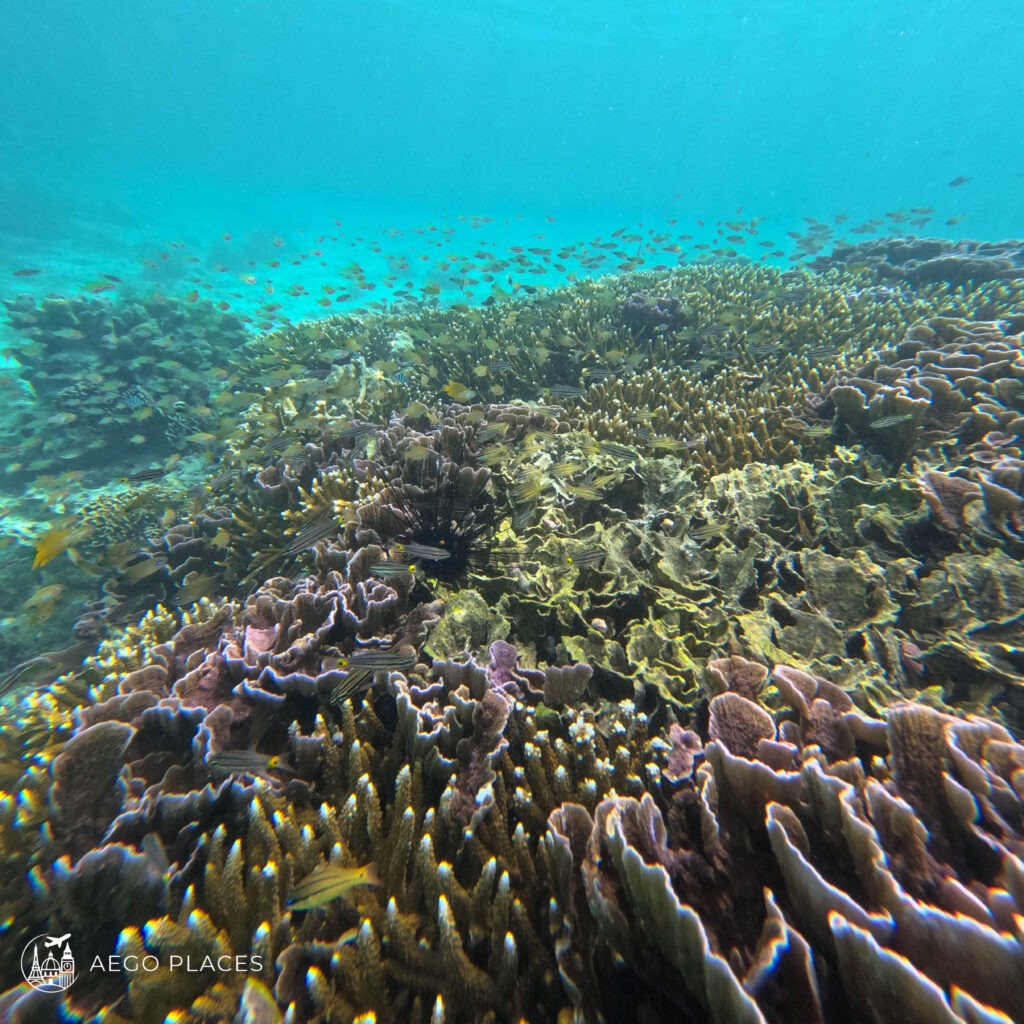
While planning our trip, I discovered that just a few minutes from our resort in Anda, there was a dive center with French instructors. I contacted them and booked a scuba diving course. We had already completed the theoretical preparation, and it was time for the practical part. On the very first day, we went out on a boat about 300 meters from the shore and dived into the coral reef. As soon as we descended, we saw huge turtles among a garden of colorful corals of all shapes. Since we are beginners, I was afraid to take my underwater camera, so unfortunately, I don’t have any photos, but swimming among these vibrant coral gardens, teeming with all kinds of marine life, is one of the most sublime moments of my life.
Day 4 – The Town of Anda
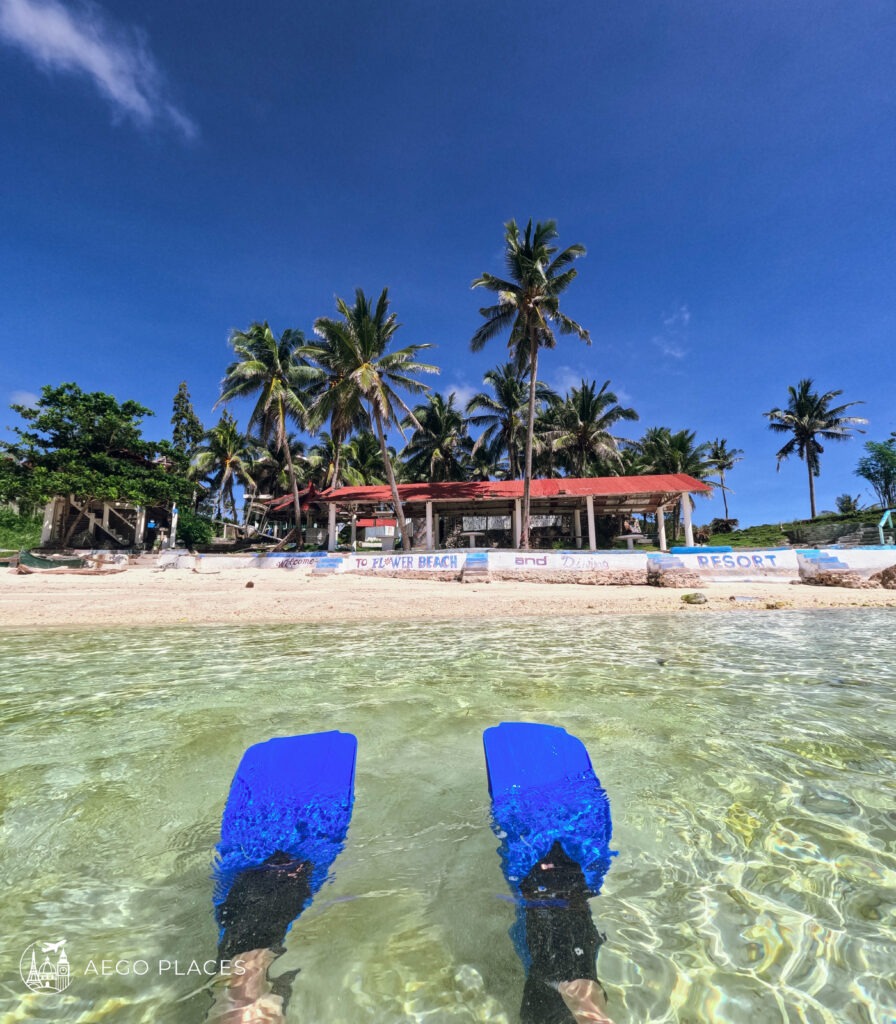
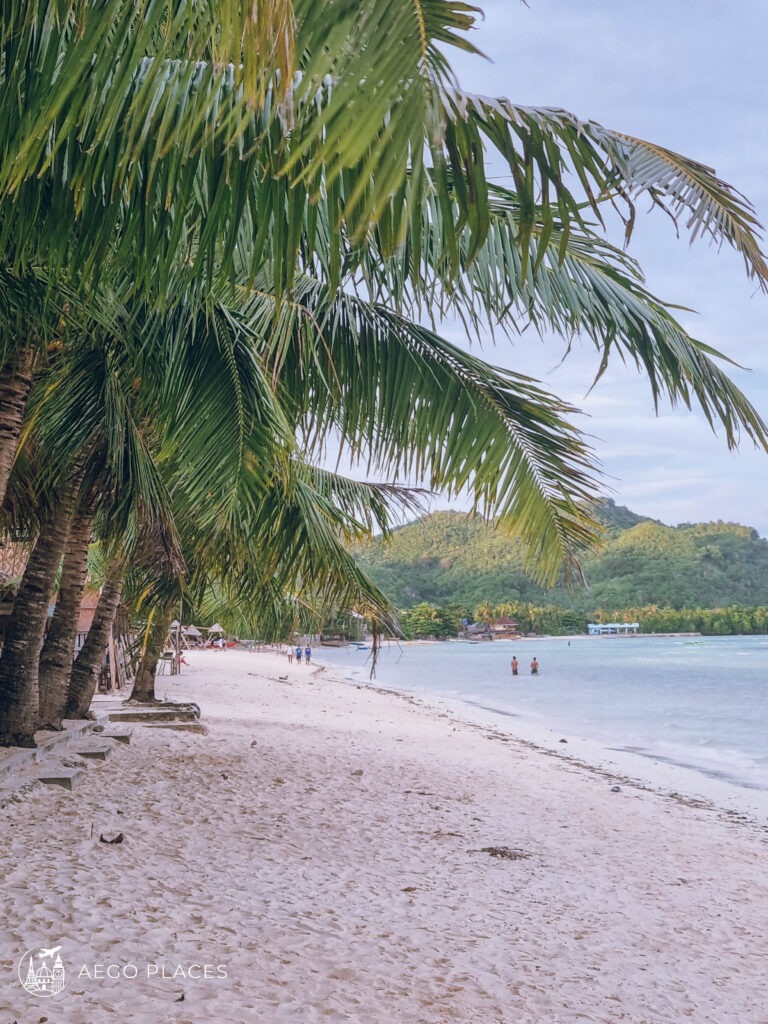
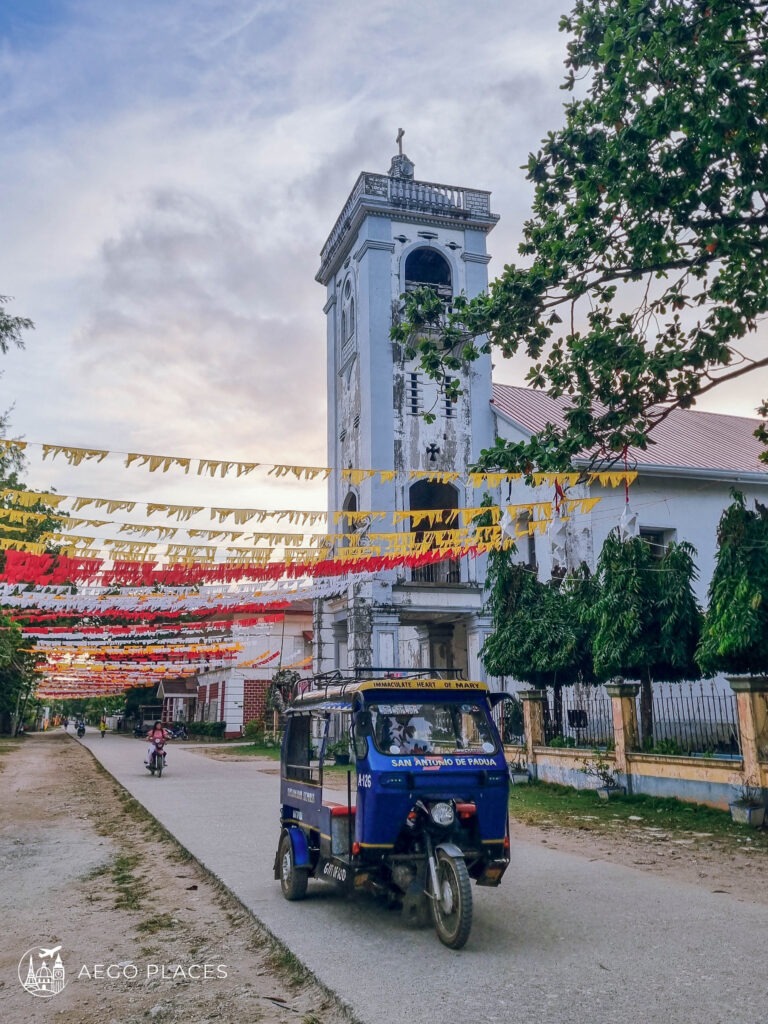
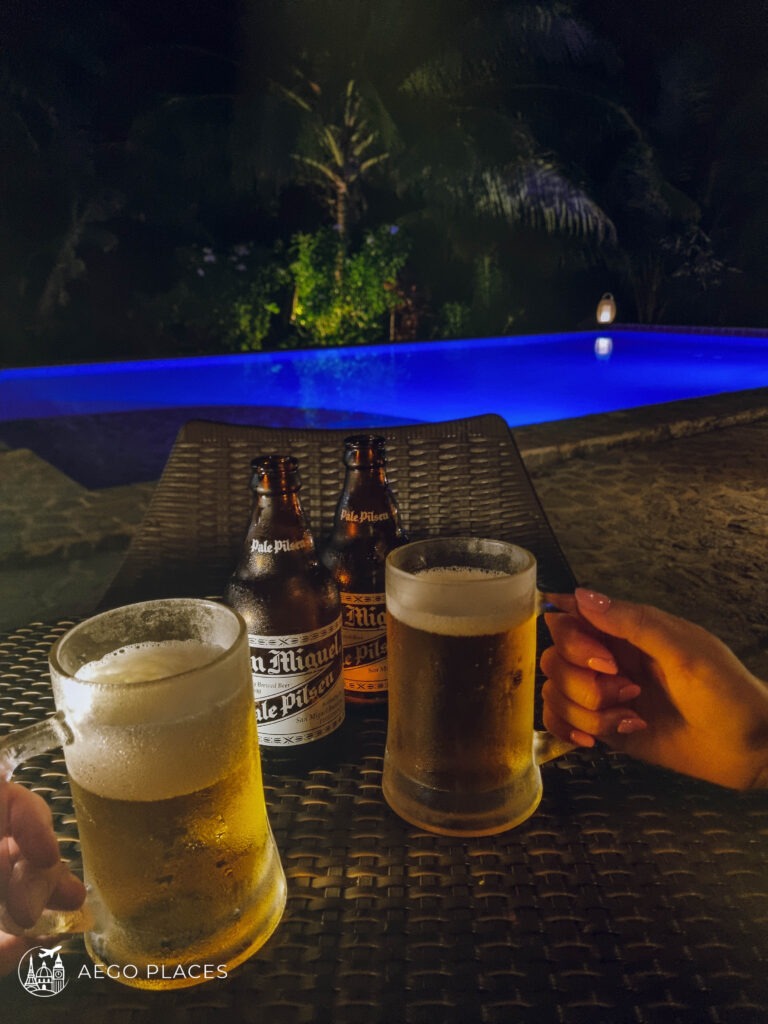
The next day, after we enjoyed the beach and had lunch, we completed our course with another dive and a swim in the coral reef, after which we visited the town of Anda itself. Although we had no expectations, we found it to be a pleasant place with a few streets, a beautiful colonial-style church, a public beach with palm trees, and, surprisingly for us, a 7-Eleven. In the evening, we sat at the resort’s restaurant and discovered our favorite drink in the Philippines: San Miguel beer.
Day 5: The Chocolate Hills of Bohol and the Loboc River Cruise
Our time in this peaceful tropical paradise passed by in a flash, and we had to head to our next destination on Bohol: Panglao, a small island connected by a bridge, which is the most popular beach destination in the Bohol area, visited by both tourists and locals.
To get to Panglao from Anda, we had to cross Bohol lengthwise, passing through two of the island’s biggest attractions: the Chocolate Hills and the Loboc River cruise.
The Chocolate Hills
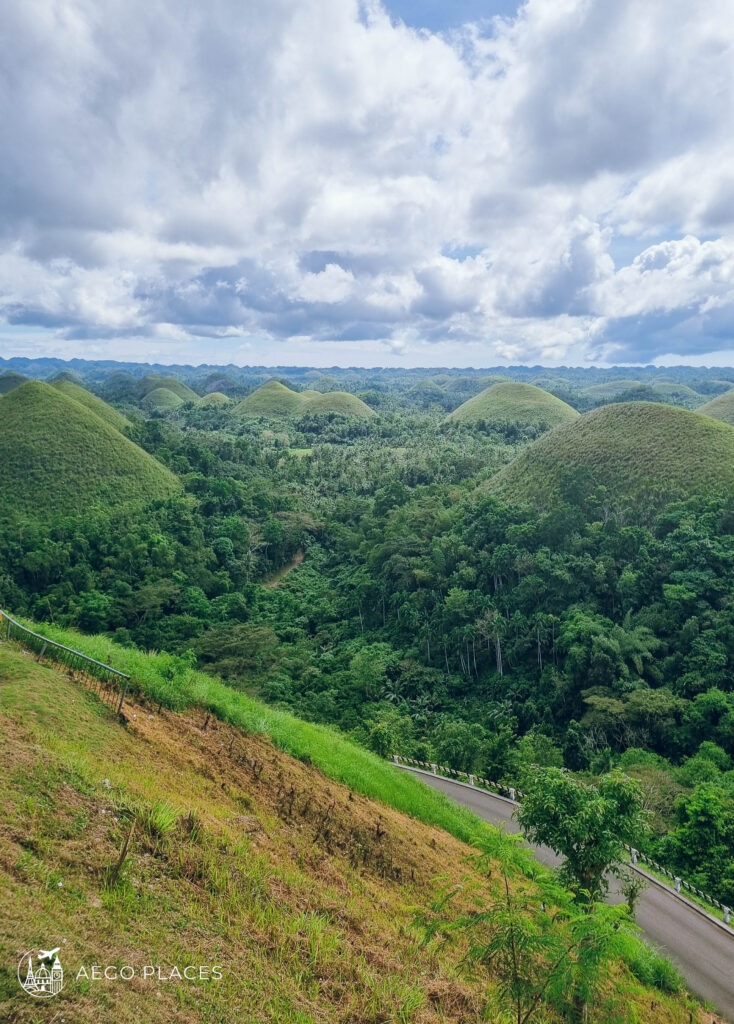
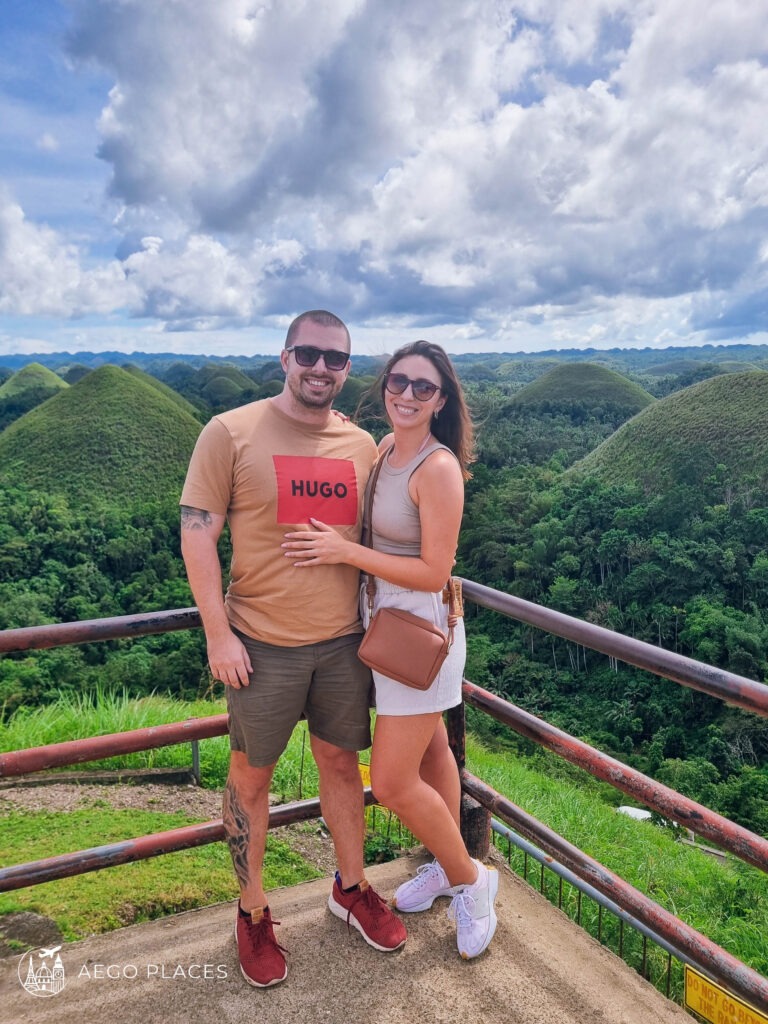
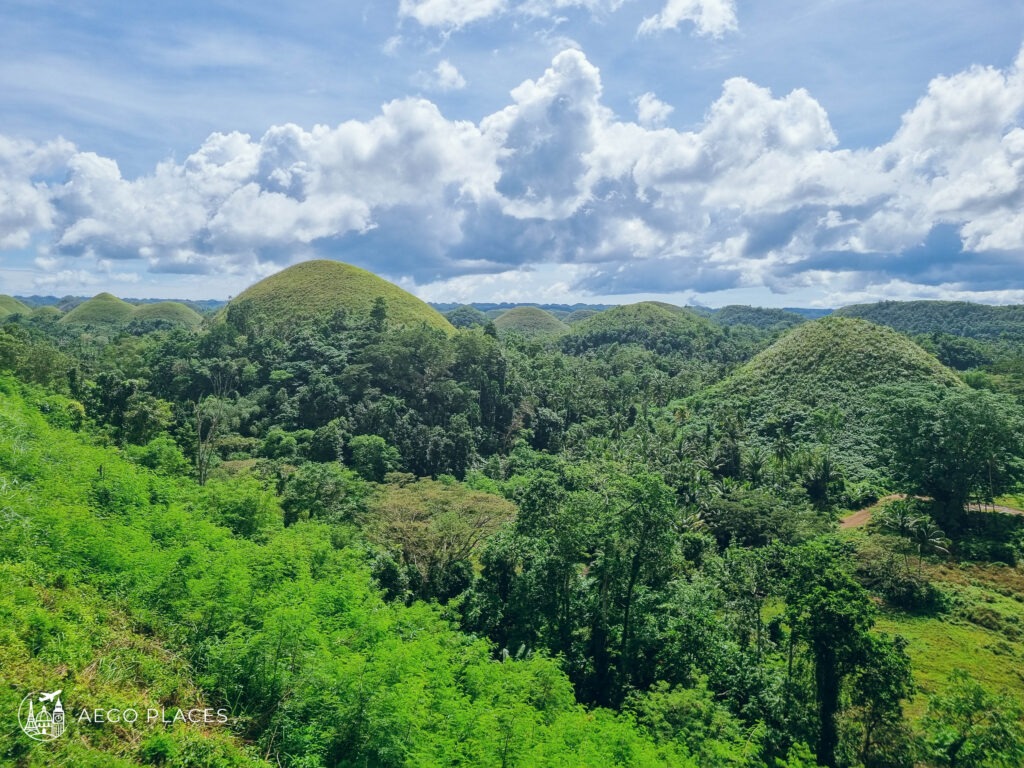
The Chocolate Hills turned out to be quite impressive in reality. The local authorities have built a large panoramic platform on a peak, which is reached by a shuttle bus from a large parking lot in just a few minutes. We took some pictures, enjoyed the beautiful view, and left. As much as we liked the place, it’s not worth more than 20-30 minutes.
The Loboc River Cruise
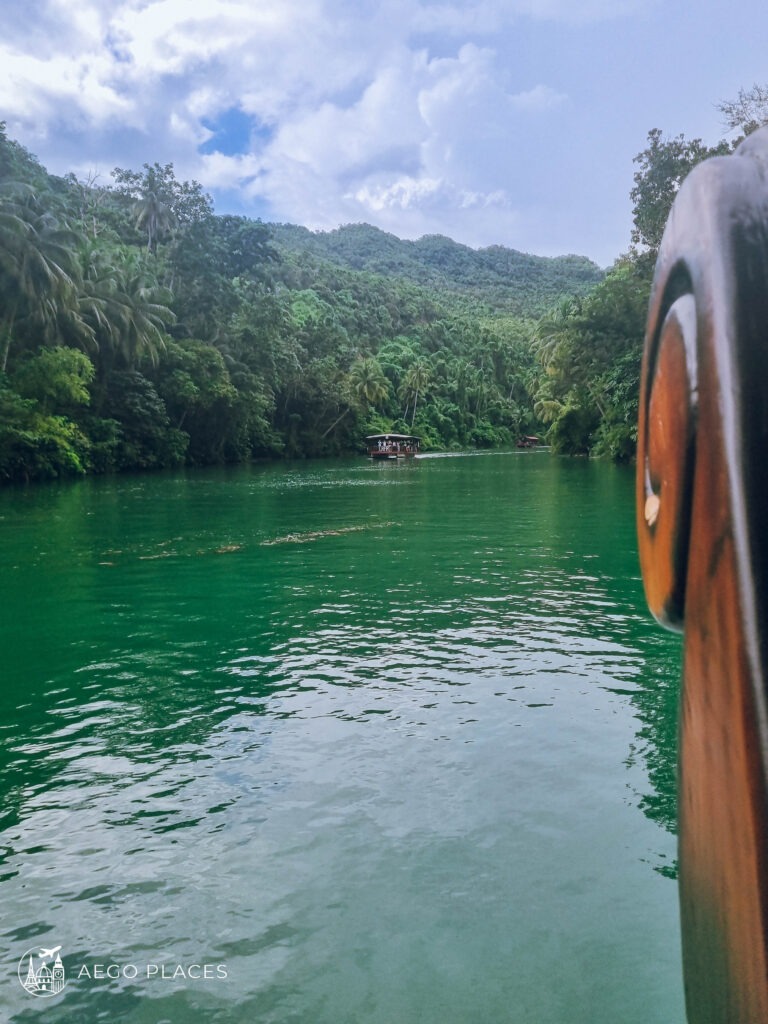
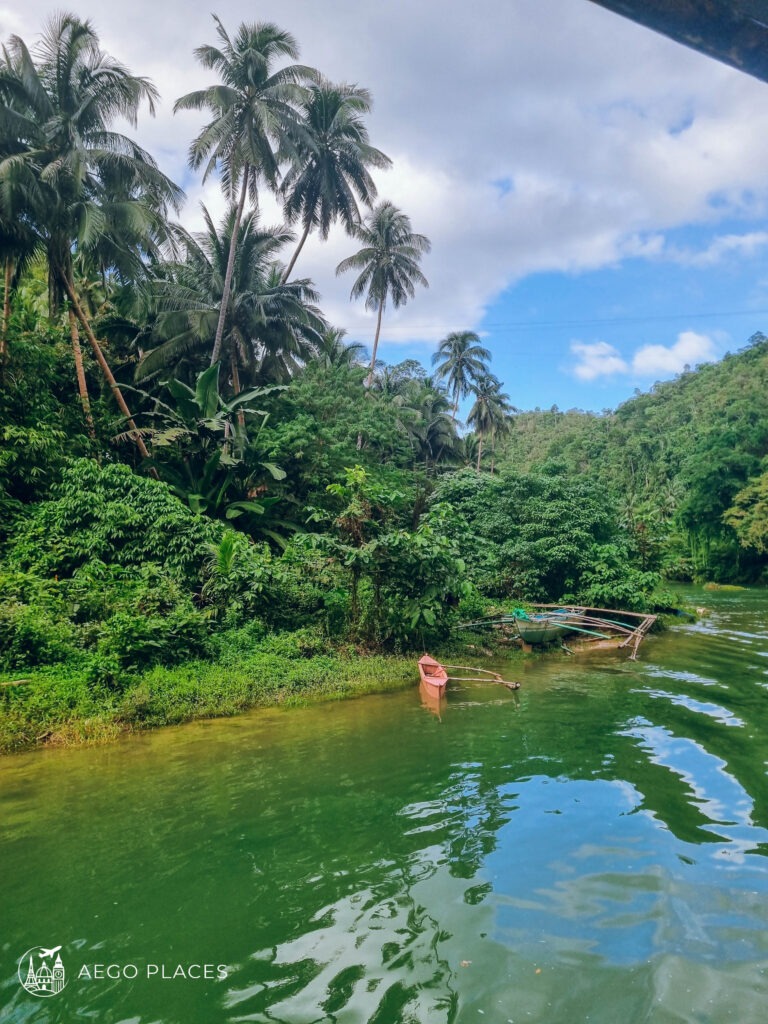
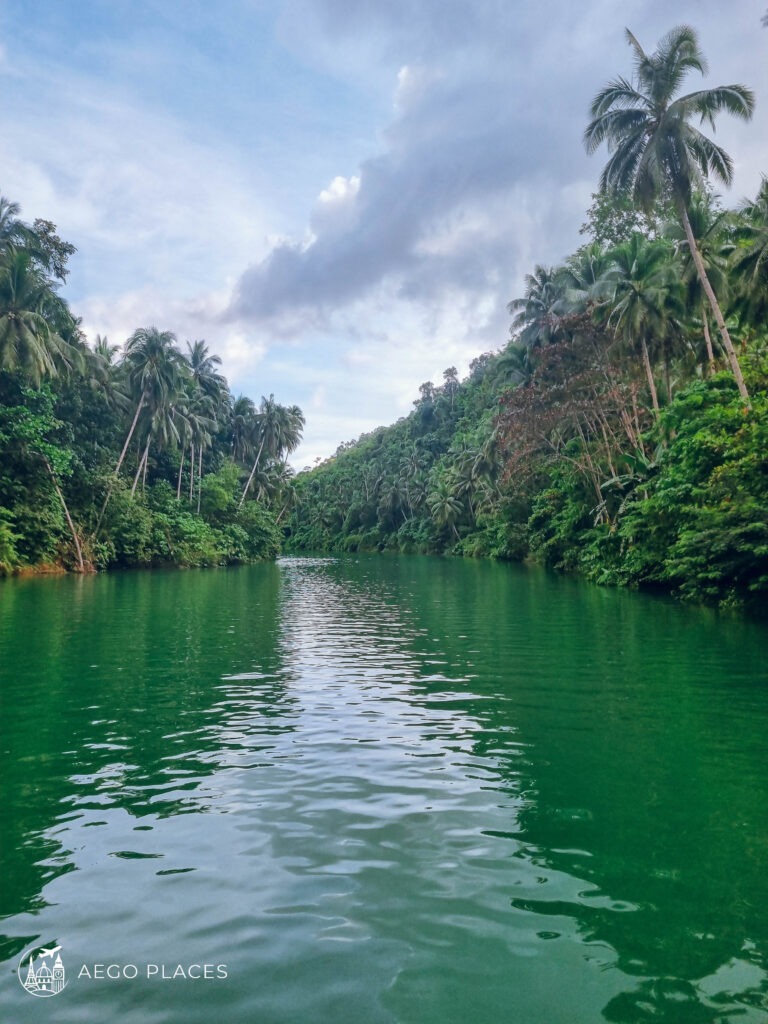
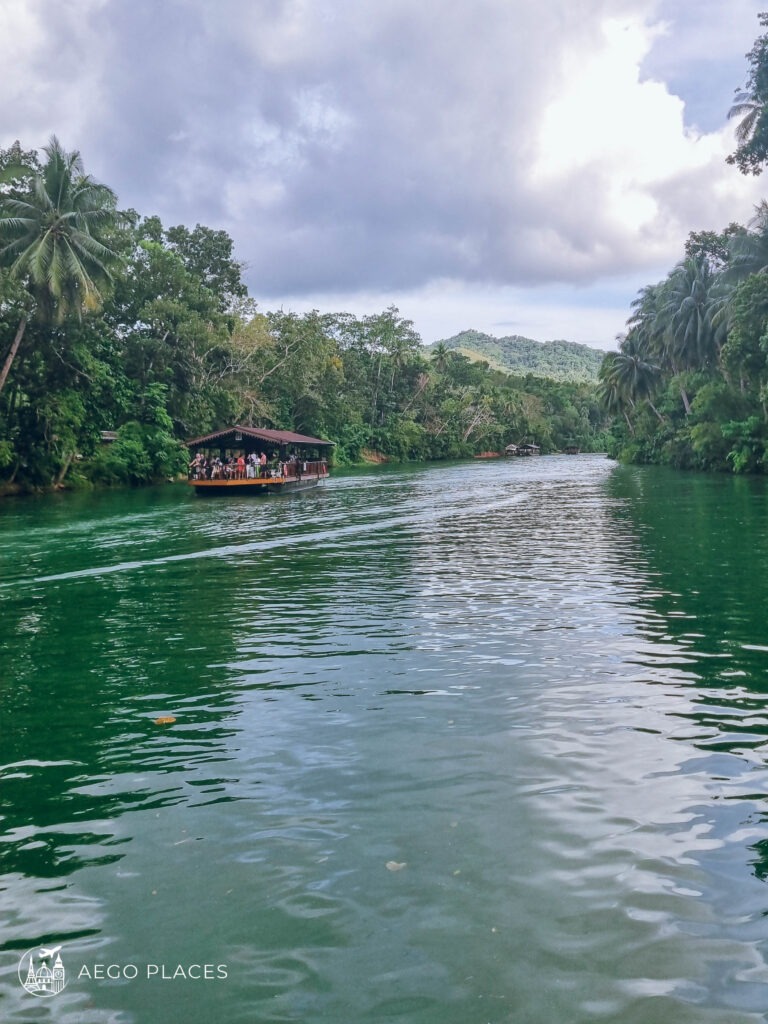
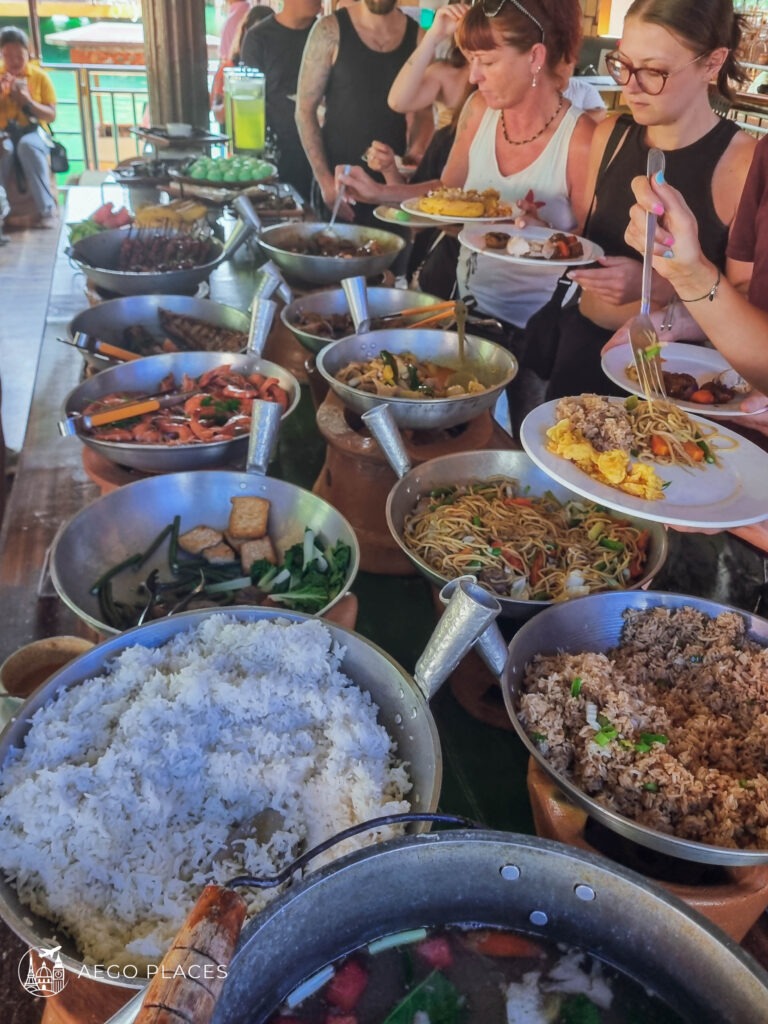
Undoubtedly one of the most pleasant experiences of the day was the river cruise on the Loboc. If you are in Bohol, you should definitely do it; it’s worth both the time and the money (about 15 euros per person, which includes a buffet on the boat). The organization was good. We were boarded onto a wooden boat, seated at a table just for the two of us, and we set off. The boat had a varied buffet with all kinds of food (seafood, meat, vegetarian, desserts), which gave us a chance to try different local dishes. There was also live music, which contributed to a very pleasant atmosphere. Shortly after we started, the beautiful views began to appear on both sides of the river, with palm trees rising from the dense forests and hills. Just before the boat turned around, it stopped at a small pontoon in the middle of the river, where women in traditional clothing began to sing and dance, even inviting people from the boat to join in. Overall, the experience was very enjoyable, and we recommend it to anyone visiting Bohol.
Day 6 – Panglao island
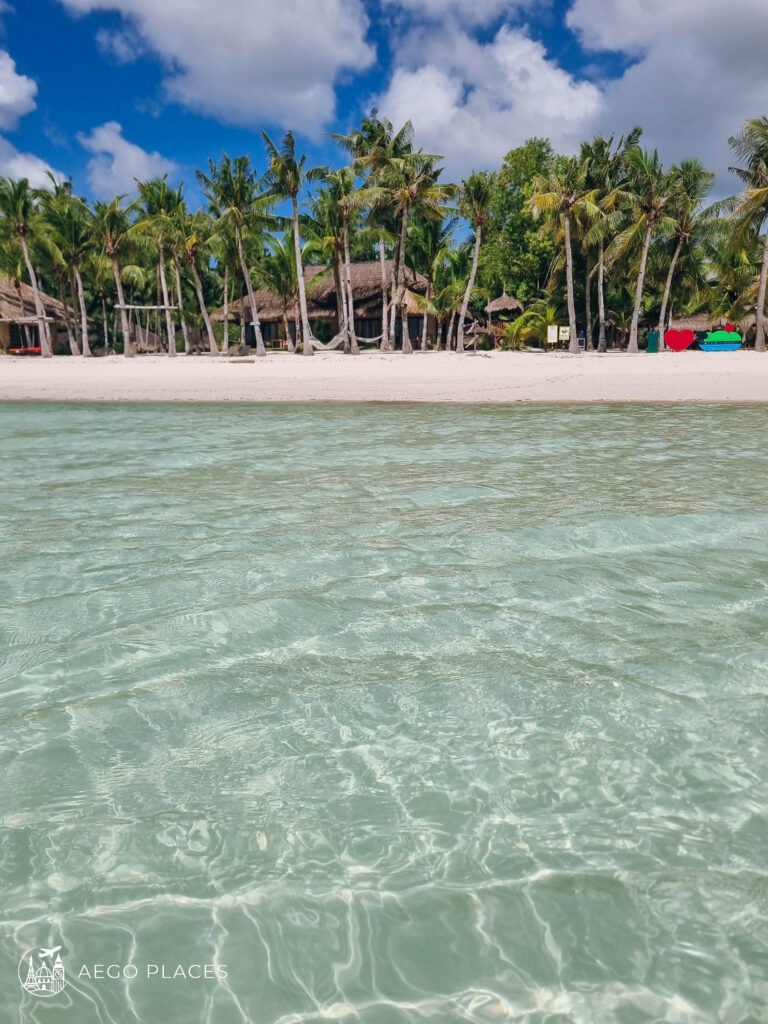
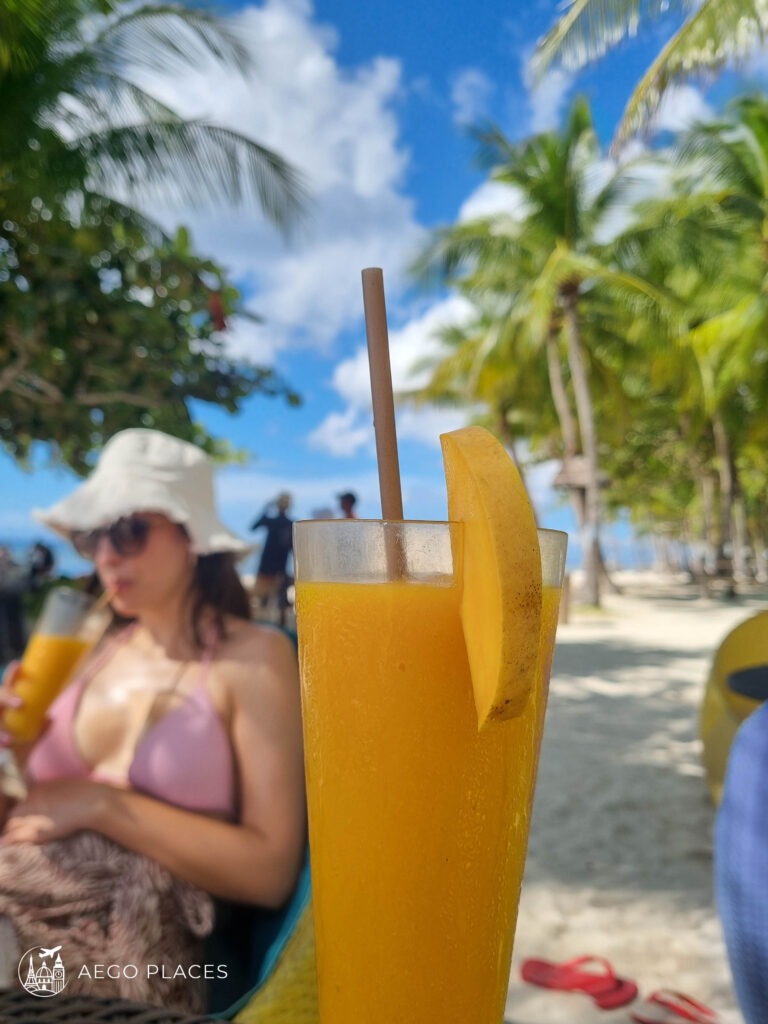
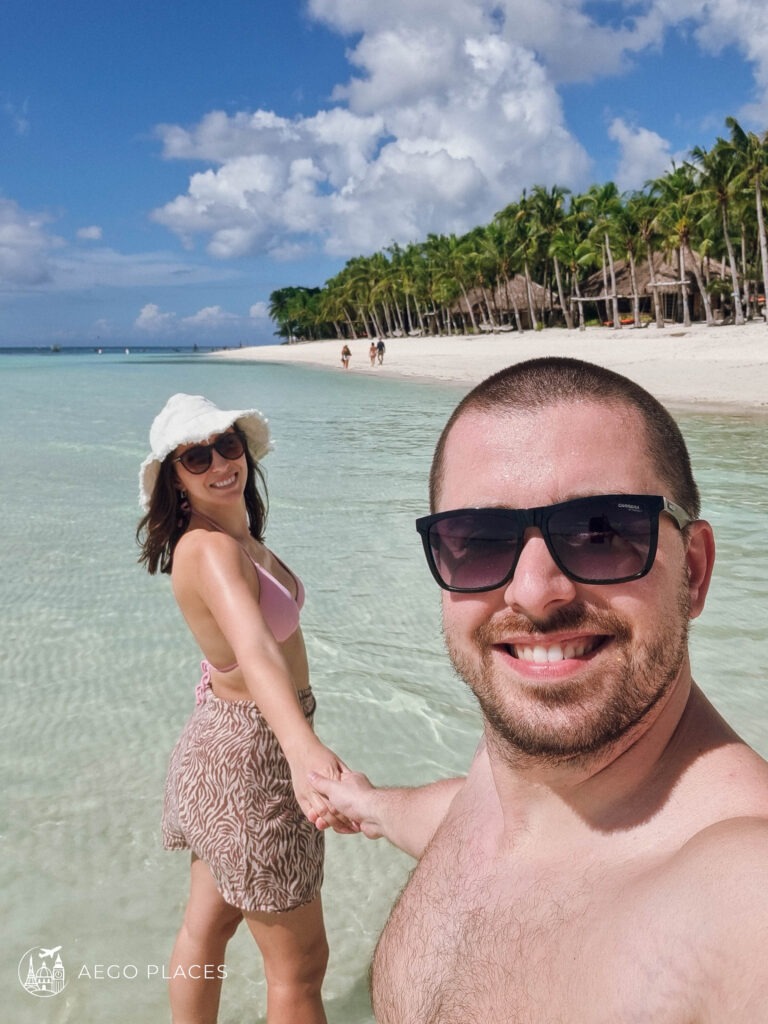
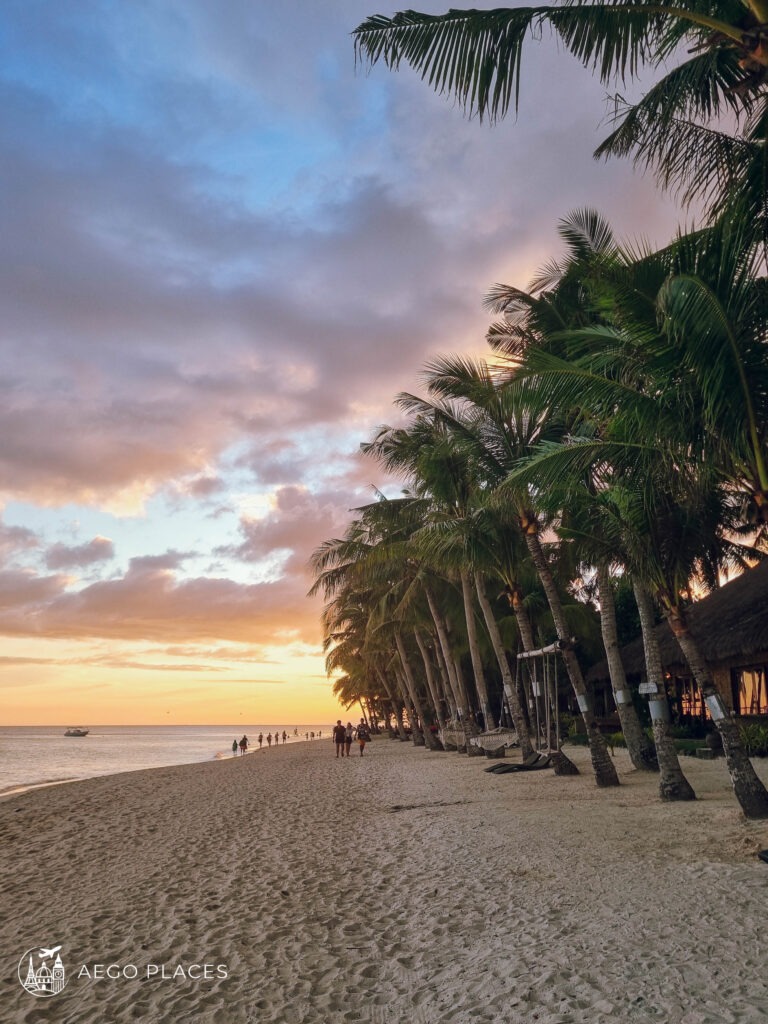
The focus of this post is on Anda, but I would like to write a few words about Panglao, as it is the most famous beach destination on Bohol. Overall, Panglao is nice, but as with other places in the Philippines, I would recommend visiting a private beach, such as the one at Oceanica Resort, which is part of the Dumaluan beach strip. Public beaches are not as well-maintained and may lack basic amenities. Panglao is definitely much more touristy and crowded than Anda, and it lacked the authentic spirit, seclusion, and the incredible feeling of having an entire beach to yourself. Dumaluan beach was pleasant for a day or two, but it wasn’t interesting for snorkeling (there was almost nothing underwater), and there were a lot more boats. The main town on the island was quite disappointing—chaotic and dirty. However, what we liked most about Panglao were the incredible sunsets along the long beach strips, which looked as if they had come to life from a postcard.
Day 7 – Swimming with Whale Sharks in Bohol
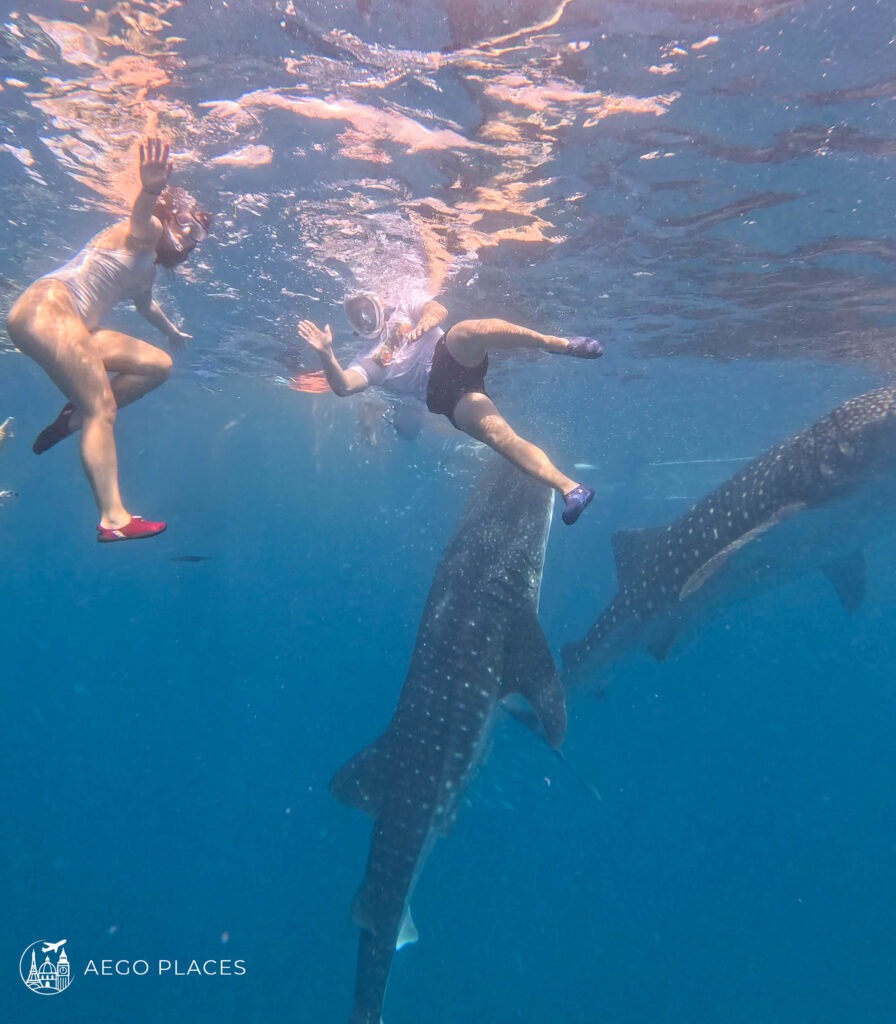
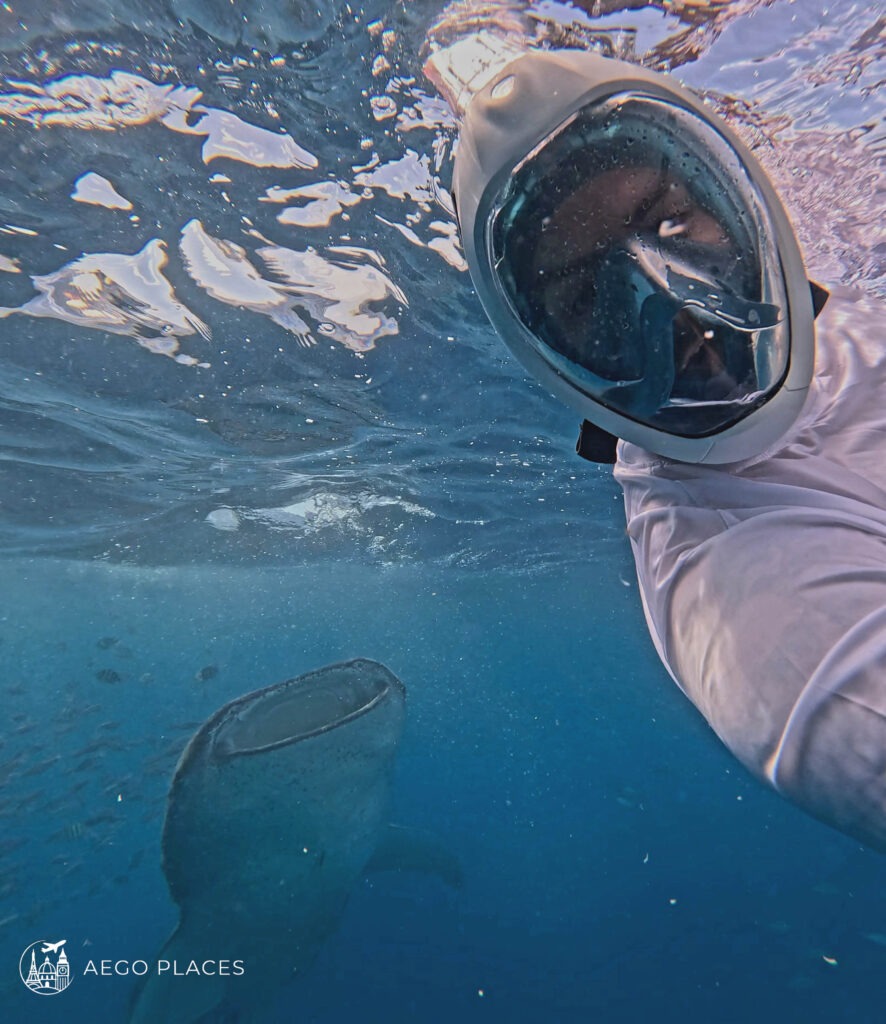
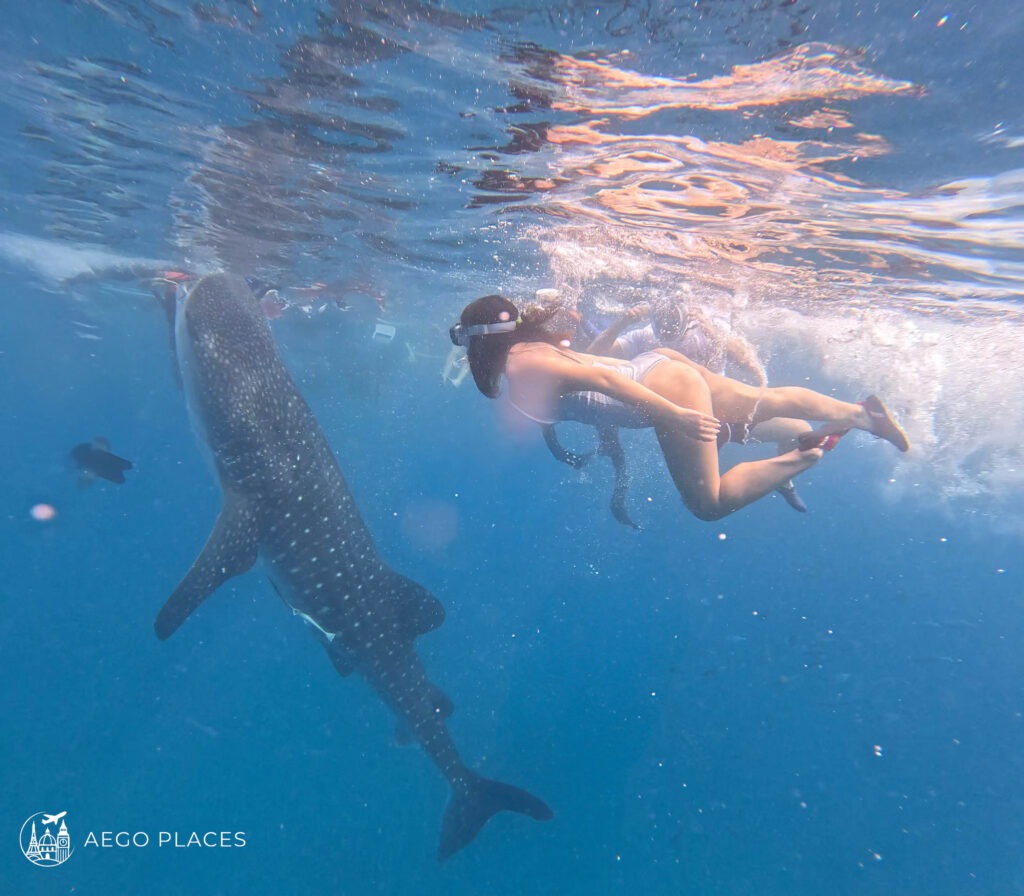
Something we considered until the very end was whether to swim with whale sharks, an activity offered in several places on Bohol. Whale sharks are completely harmless to humans; they feed on plankton and are called “gentle giants.” The attraction involves taking a boat not far from the shore to a place where the whale sharks are constantly fed, which encourages them not to stray far. We definitely had a moral dilemma, but we figured it was a once-in-a-lifetime experience worth doing. As with other popular activities in Bohol, the organization was relatively good. We were given a briefing, after which we went into the water by boat with about 20-30 other people, about 50 meters from the shore. When we reached the spot where the sharks were supposed to be, we jumped from the boat and at first saw nothing interesting underwater. Suddenly, I saw this huge creature pass beneath me, which was an incredible experience—both startling and magical. Whale sharks are some of the most beautiful sea creatures, with their white-spotted patterns and impressive size of about 5-6 meters. We had a guide with us who pointed out a few more sharks, and we had the opportunity to observe them and capture the memory in a few shots. At one point, the water became very crowded, and it got a bit chaotic. Nevertheless, the 30-minute experience was interesting and worthwhile. Ironically, just a week after our visit, all the whale shark swimming sites in Bohol were closed because their presence threatened Bohol’s status as a UNESCO Global Geopark.

Above all, we highly recommend visiting the Philippines. The country is not as popular as Thailand, Vietnam, and Indonesia, but that is precisely its charm—there are still places that have not been swallowed by mass tourism but at the same time offer all the conditions for a fulfilling vacation. There is a widespread opinion online that Bohol is not the most suitable place for a beach holiday, but I assure you that this is not true. Yes, it may not have the fame of Boracay or the otherworldly landscapes of Palawan, but if you are looking for tranquility in a tropical paradise, Anda can offer you something that many popular destinations cannot.
Recommended day trips in Bohol
Related posts
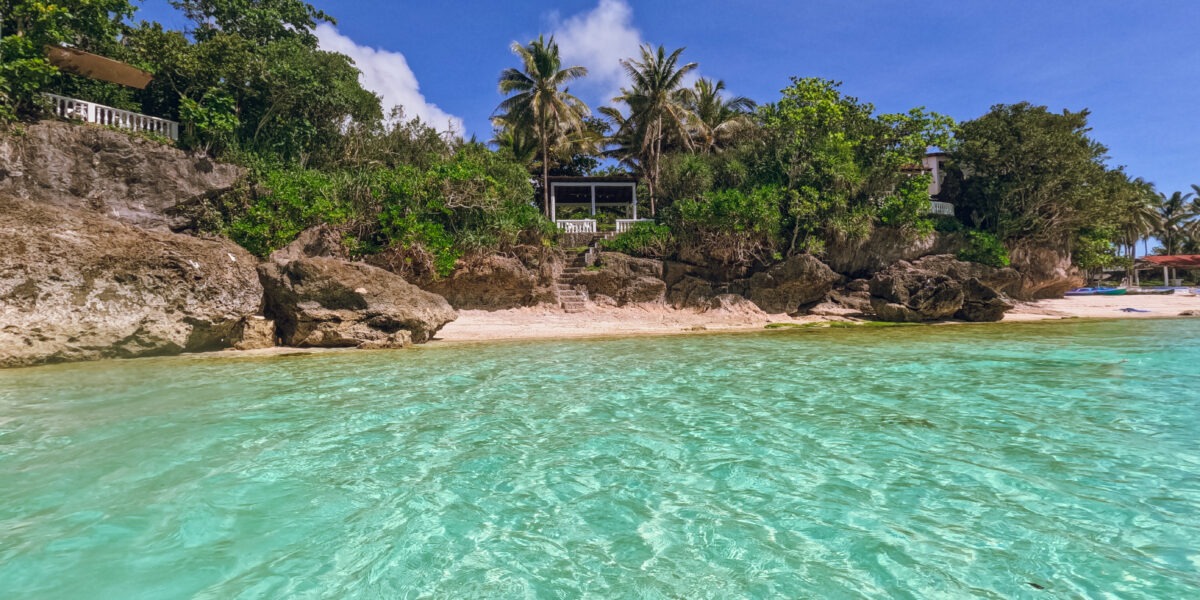
Tucked away on the eastern coast of Bohol, Anda is one of the Philippines’ quieter beach destinations—ideal if you want turquoise water, uncrowded shores, and a slower pace than Panglao. It’s the kind…
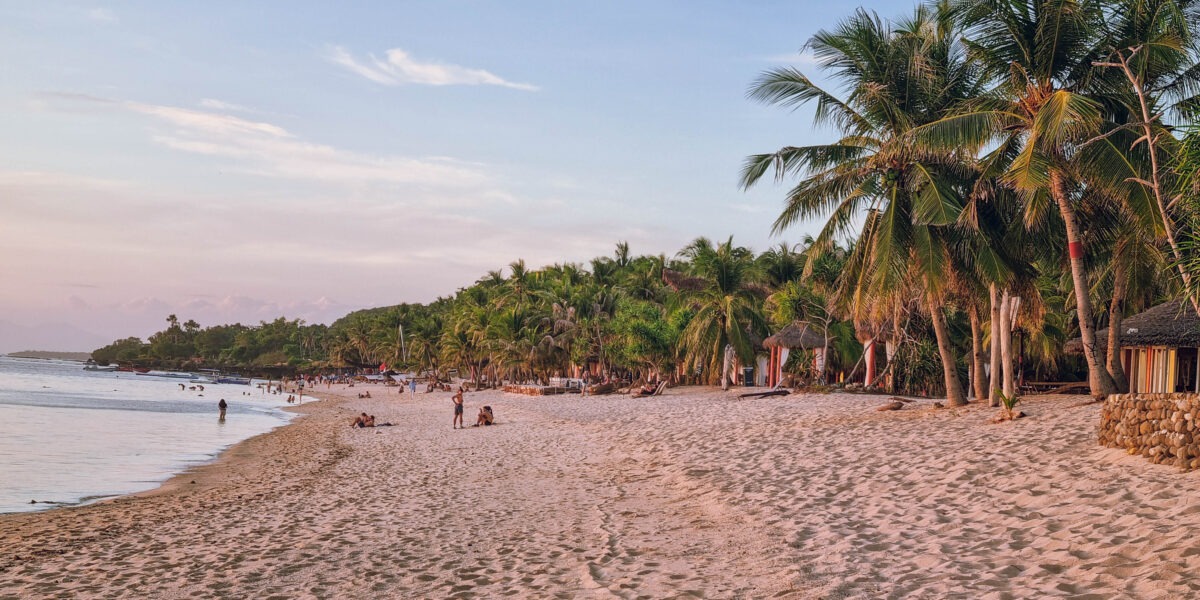
This article highlights the favorite part of our nearly three-week Philippine adventure: our unforgettable stay on Siquijor Island. The island delivers everything you could want from a Southeast Asian…
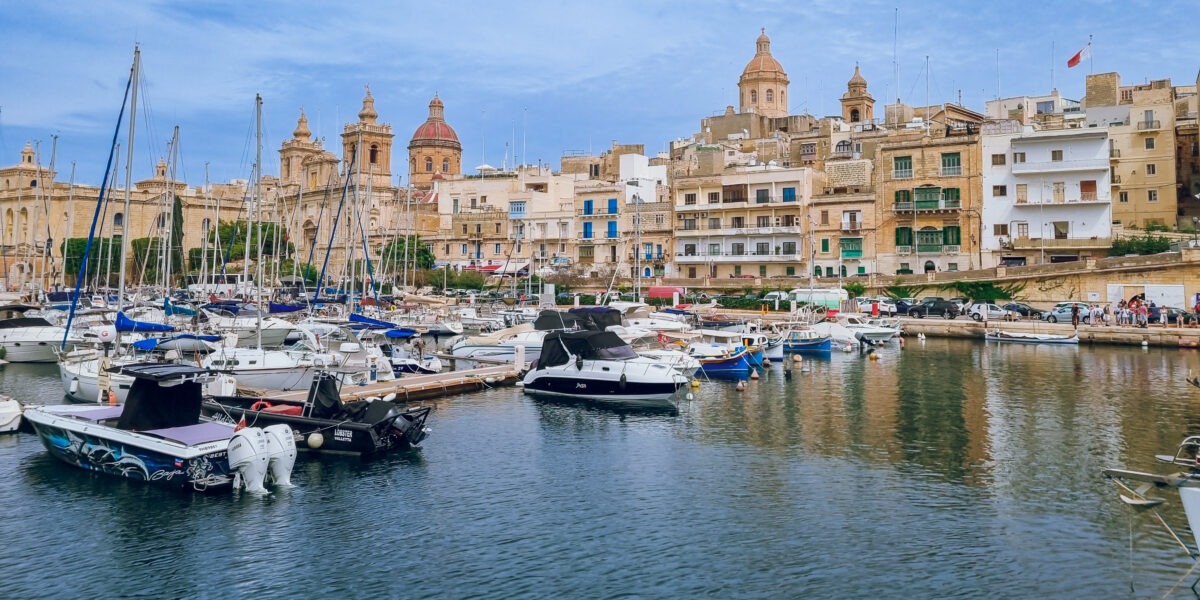
This complete Malta travel guide covers everything you need to plan an independent trip: the best time to visit Malta, how to get there, where to stay, how to use public transport, and the top places …
From sun-drenched Mediterranean villages to snow-capped Alpine peaks, hilltop castles, storied medieval towns, and spectacular fjords, Europe offers an unrivaled range of romantic destinations for cou…
Dalmatia is a coastal region in southern Croatia, home to many of the country’s best-known sights, most beautiful beaches, islands and seaside resorts. We visited Croatia as part of a wider Balkan roa…
The Amalfi Coast, located along the southern shore of the Sorrento Peninsula in Italy, is one of the most picturesque and enchanting places in the Mediterranean. This 50-km stretch, a UNESCO World Her…
On our last trip around Tuscany, we found ourselves with one free Saturday and decided to spend it in Cinque Terre, a place we had already visited before and loved enough to return to. Getting th…
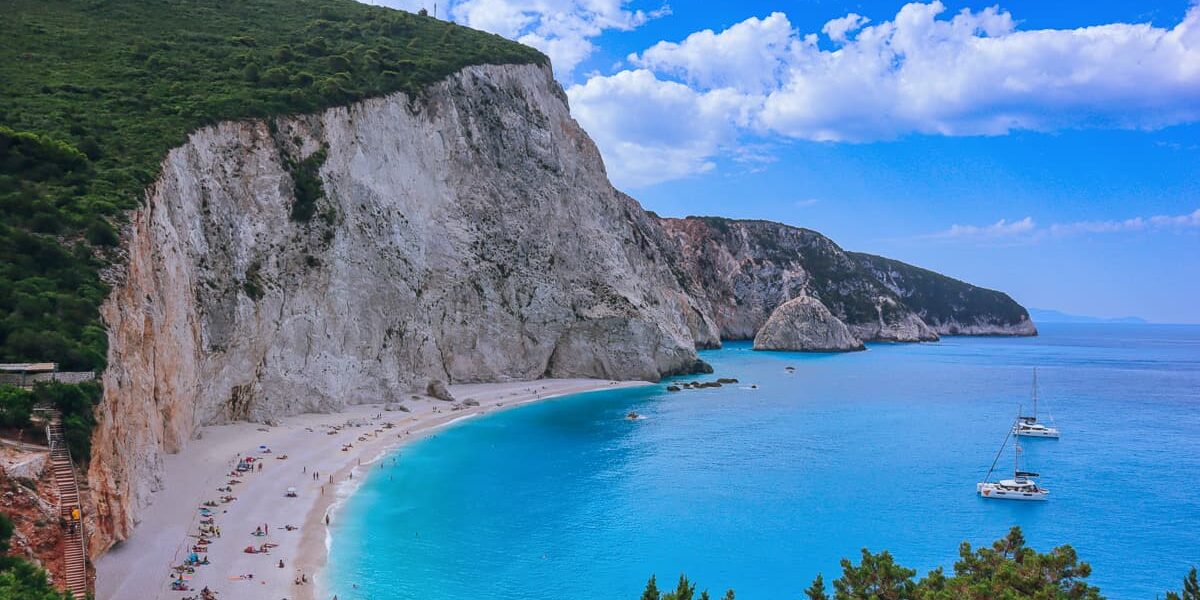
Lefkada is among the most preferred destinations for beach holidays. If you’re looking for interesting beach destinations in Greece, Lefkada has all the conditions – the island is easily accessible by…